How F150 Knock Sensor Adjusts Timing Simple Steps to Engine Care
Figuring out how f150 knock sensor adjusts timing can seem hard, especially if you’re new to car repair. You might have heard whispers of engine pinging and the sensor’s role, leading to some confusion. Don’t worry! This post will break it down into easy-to-follow steps. We’ll look at the basics and show you what the knock sensor does, so you can keep your F150 running smoothly. Next, we will cover all the crucial details, helping you get a grasp on the inner workings of your truck’s engine.
Key Takeaways
- The knock sensor detects engine ping, a sign of potential damage.
- The sensor sends signals to the engine control unit to adjust the timing.
- Adjusting timing helps the engine run efficiently and avoid damage.
- Knowing how the system works can help with diagnosing engine issues.
- Different engine issues may affect knock sensor functionality.
- Regular maintenance ensures optimal engine performance.
Knock Sensor Basics and Engine Timing
Your F150’s engine is a complex machine, and one of its important parts is the knock sensor. This little device has a big job: it listens for unusual noises inside your engine, specifically a pinging or knocking sound. This sound, which can be described as a metallic “ping” or “knock,” usually happens when the air-fuel mixture in your engine burns in a way that’s not quite right. This can potentially cause damage over time.
Engine timing is crucial. It’s all about when the spark plugs ignite the fuel-air mixture inside the cylinders. If the timing is off—meaning the spark plug fires too early or too late—you can get that pinging sound. The knock sensor is the engine’s early warning system for this. When it hears that ping, it sends a message to the engine control unit, or ECU.
What Is a Knock Sensor?
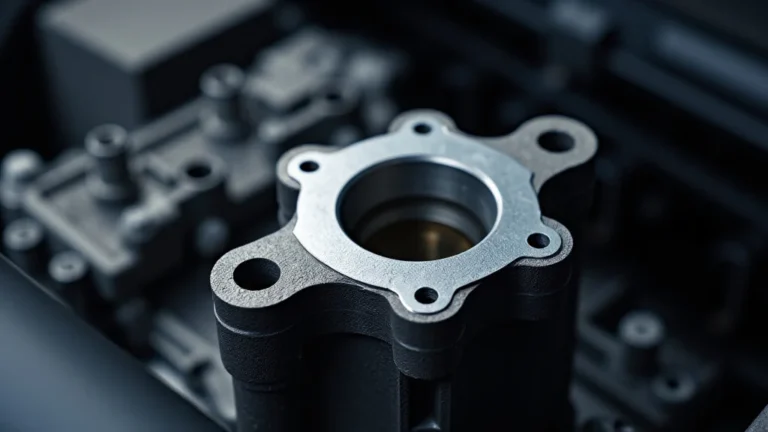
A knock sensor is a vibration sensor. It’s usually mounted on the engine block, where it can “listen” to the engine. It’s essentially a microphone that’s sensitive to the specific sounds of your engine. It works by detecting the vibrations that occur within the engine. When the engine’s internal components begin to knock or ping, this is detected by the knock sensor. The sensor then sends a signal to the engine control unit (ECU). The ECU responds by making adjustments to the engine’s timing. Without a working knock sensor, your engine can suffer serious damage.
The knock sensor is often a piezoelectric device, which means it generates an electrical signal when it’s mechanically stressed. Think of it like a tiny speaker that turns vibrations into electricity. The strength of the electrical signal depends on how intense the vibrations are. This allows the ECU to determine the severity of the knocking and make the appropriate adjustments. It allows your F150’s engine to function in top condition.
- Location: Typically attached to the engine block or cylinder head.
- Function: Detects engine knock, a sign of premature combustion.
- Technology: Usually a piezoelectric sensor that converts vibrations to electrical signals.
- Importance: Prevents engine damage by adjusting timing to stop knocking.
This placement allows the sensor to directly monitor the engine’s vibrations. This location lets it pick up those small signs of engine trouble.
Premature combustion can lead to engine damage. The sensor’s primary goal is protecting your engine from harm. This function helps maintain the efficiency and lifespan of your F150.
This conversion allows the ECU to understand the intensity of the knocking. The signal strength helps the ECU adjust engine timing accurately.
It’s a safeguard for engine health. A faulty knock sensor can lead to serious engine problems. Maintaining a properly functioning sensor extends the engine’s life.
The Role of Engine Timing
Engine timing is the precise moment when the spark plugs ignite the fuel-air mixture inside each cylinder. It’s like a carefully choreographed dance, and if the timing is off, the engine suffers. When the timing is correct, the spark plug ignites the mixture at the perfect moment, which pushes the piston down with maximum force. However, if the timing is incorrect, the engine may misfire, experience reduced performance, and produce unwanted noise. This includes the “pinging” sound, a common symptom of incorrect timing.
The ECU controls engine timing. The ECU receives information from various sensors, including the knock sensor. Based on this information, the ECU adjusts the timing to optimize engine performance and prevent damage. This helps your F150 operate smoothly and efficiently. Correct timing means your engine delivers the power you need when you need it.
- Advance Timing: Spark plug fires earlier in the compression stroke.
- Retard Timing: Spark plug fires later in the compression stroke.
- Factors Affecting Timing: Engine load, speed, and fuel quality.
- Impact on Performance: Correct timing boosts power and efficiency.
This approach maximizes power but increases the risk of pre-ignition. This is what the knock sensor is listening for. This is often done when the engine needs more power.
Retarding timing reduces power but helps prevent engine knock. It’s what the ECU does in response to the knock sensor’s signal. This action protects the engine from potential damage.
These elements impact how the engine performs. The ECU uses these factors to adjust the timing. It’s how the ECU keeps your engine running smoothly under different conditions.
Engine timing has a direct effect on how the engine operates. Proper timing also helps reduce fuel consumption. Incorrect timing decreases performance and fuel efficiency.
How the Knock Sensor Adjusts Timing
When the knock sensor detects the sound of engine knock, it sends a signal to the ECU. The ECU then quickly responds by making adjustments to the engine’s timing. The ECU’s main job is to analyze the signal from the knock sensor. This happens in real-time, constantly monitoring for any signs of knocking. The ECU then adjusts the engine timing to reduce or eliminate the knocking.
The primary adjustment the ECU makes is to retard the timing. Retarding the timing means delaying the spark. This prevents the fuel-air mixture from igniting too early. This reduces the pressure inside the cylinders, eliminating the engine knock. Retarding the timing can protect the engine from severe damage. It’s the engine’s safety system in action.
Signal Transmission and ECU Response
The knock sensor’s signal travels from the sensor itself to the ECU. This signal is an electrical current that corresponds to the severity of the knock. The ECU is the brain of your truck’s engine and processes signals from all kinds of sensors. It then uses this information to make the necessary adjustments to engine components, including timing.
Once the ECU gets the signal from the knock sensor, it performs a series of calculations. It evaluates the intensity of the knocking. The ECU then determines the appropriate amount to retard the timing. This process is very fast. The whole sequence—detecting knock, sending a signal, and adjusting timing—happens in a matter of milliseconds. This rapid response is crucial for preventing serious engine problems.
- Signal Path: Knock sensor to ECU.
- Signal Type: Electrical signal indicating knock intensity.
- ECU Processing: Analyzes the signal and calculates timing adjustments.
- Timing Adjustment: Retards timing to eliminate knock.
The connection happens through wiring harnesses. This pathway ensures the signal gets to the ECU quickly and accurately.
The strength of the signal tells the ECU the severity of the knock. Different signal levels cause different timing adjustments.
This process is the core function of the ECU. The ECU also considers other engine data for precise control. Precise calculations ensure optimal engine performance.
The ECU retards the timing in response to the knock. It’s a protection mechanism to safeguard the engine from damage. This is a common strategy to prevent engine knock.
Real-Life Examples of Timing Adjustment
Imagine you’re driving your F150 up a steep hill. The engine is working harder, and the load increases. This can sometimes lead to engine knock, especially if you’re using lower-octane fuel. The knock sensor detects the knock and sends a signal to the ECU. The ECU responds by retarding the timing slightly. The engine might lose a bit of power. But the timing adjustment prevents potential damage to your engine. The knock sensor keeps your engine safe.
Another scenario: You fill your tank with a different type of gasoline than you usually use, maybe with a lower octane rating. The engine might start to knock. The knock sensor detects the noise, signaling the ECU. The ECU adjusts the timing, retarding it to protect the engine. In this instance, you might notice a slight decrease in fuel economy or performance. This is the ECU working to keep your engine in good shape.
- Scenario 1: The driver is accelerating quickly uphill.
- Scenario 2: Fuel quality is less than ideal, such as with a low octane rating.
- Scenario 3: During hot weather, the engine is under load.
Increased load can cause engine knocking. The knock sensor picks up the knocking. The ECU then retards the engine timing. This action protects the engine from damage.
The engine may knock under these conditions. The knock sensor responds and sends a signal to the ECU. The ECU adjusts timing to compensate. This keeps the engine healthy.
Hotter conditions and engine load can increase the chances of knocking. The knock sensor detects the knocking. The ECU then automatically adjusts the timing to match.
Causes of Engine Knock and Solutions
Engine knock can be caused by various things. One common reason is using the wrong type of fuel. Your F150’s engine might require a specific octane rating. If you use a lower octane fuel than recommended, the fuel-air mixture can ignite too early. This causes the pinging sound the knock sensor is designed to detect.
Another cause is carbon buildup in the engine. Carbon deposits can create hot spots, triggering premature combustion. This can lead to engine knock. Other factors include problems with the ignition system. This includes faulty spark plugs or a failing ignition coil. These components can cause the spark to occur at the wrong time. This is another reason the knock sensor is essential.
Fuel Quality and Octane Rating
Fuel quality plays a big role in engine performance and the prevention of engine knock. The octane rating of gasoline measures its resistance to premature combustion. If you use fuel with a lower octane rating than your F150 needs, the fuel can ignite too early. This is called pre-ignition, and it leads to engine knock. You should always use the fuel type recommended by the manufacturer to keep your engine running properly. This will help your truck operate at its best.
Fuel additives can also improve fuel quality and reduce the chance of engine knock. They can help clean deposits from the fuel system and increase the fuel’s resistance to pre-ignition. However, additives should be used as needed. Check your owner’s manual for guidance on the proper fuel to use and any recommended additives. This ensures the engine’s long-term health and performance.
- Octane Rating: Measures fuel’s resistance to pre-ignition.
- Fuel Recommendations: Follow your owner’s manual for the right fuel.
- Fuel Additives: Can help clean fuel systems and boost octane.
- Fuel Contamination: Can also lead to knocking.
A higher octane number means greater resistance to premature combustion. High octane fuels help prevent engine knock, particularly in high-compression engines.
Different engines have different requirements. Using the correct fuel protects your engine from knock. This will help maintain your engine’s performance and lifespan.
They can also remove deposits that lead to engine knock. Use additives according to the manufacturer’s recommendations. This keeps the fuel system clean and efficient.
Water or other contaminants in the fuel can disrupt combustion. Contaminated fuel affects engine performance. Regular maintenance is essential to avoid this issue.
Ignition System Issues
The ignition system includes the spark plugs, ignition coils, and related wiring. Problems with any of these parts can lead to engine knock. If the spark plugs are worn or faulty, they might not ignite the fuel-air mixture at the right time. This can cause the engine to knock. Similarly, a failing ignition coil may not provide enough voltage to the spark plugs.
Regular maintenance is essential to keep the ignition system running smoothly. This includes replacing spark plugs at the recommended intervals. Make sure the ignition coils are in good working order. Additionally, examine the wiring for any damage. Replacing worn or damaged parts prevents engine knock and ensures efficient engine performance.
- Spark Plugs: Ignite the fuel-air mixture in the cylinders.
- Ignition Coils: Provide the voltage to spark plugs.
- Wiring and Connections: Carry electrical signals.
- Distributor Cap and Rotor: Distributes spark to the cylinders.
Worn or faulty spark plugs can lead to irregular combustion. This results in engine knocking. Regular replacement of spark plugs is essential for maintaining proper engine function.
Faulty coils may not deliver enough spark energy. It can cause misfires and knocking. Inspect and replace ignition coils if they are damaged or failing. This ensures efficient combustion.
Damaged wiring can disrupt the ignition. The wires may develop shorts or open circuits, interfering with spark timing. Inspect and repair any damage to maintain correct engine function.
Wear or damage can cause the spark to jump to the wrong cylinder. This causes engine knocking. Inspection and replacement are essential for proper ignition function.
Carbon Buildup and Engine Deposits
Carbon deposits in the engine can create hot spots. These can cause the fuel-air mixture to ignite prematurely, leading to engine knock. The deposits usually accumulate on the pistons, cylinder heads, and valves. They raise the temperature in the combustion chamber. This makes it easier for the fuel to ignite before the spark plugs fire.
Regular engine maintenance helps keep carbon buildup in check. Using high-quality fuel and occasionally using fuel additives can also help reduce carbon deposits. You can also get your engine professionally cleaned. This can remove accumulated carbon and ensure proper engine operation. This process helps to reduce knocking issues. It enhances the overall efficiency and longevity of your engine.
- Causes: High engine temperatures and poor fuel quality.
- Effects: Can cause pre-ignition and engine knock.
- Preventative Measures: Use quality fuel and perform regular maintenance.
- Cleaning Methods: Professional engine cleaning or fuel additives.
Driving conditions and fuel composition affect buildup. Poor engine maintenance can also contribute. Addressing these factors can help reduce carbon accumulation.
Carbon creates hot spots that cause the fuel to ignite prematurely. This can reduce engine performance. This buildup also contributes to engine damage.
Regular maintenance helps prevent buildup. Using fuel additives can also help clean the engine. These measures contribute to a cleaner, more efficient engine.
They help remove the accumulated deposits. They restore proper combustion. Cleaning can improve engine performance and efficiency.
Maintenance and Diagnosis
Regular maintenance helps keep your F150’s engine running smoothly. This includes things like changing the oil, replacing spark plugs, and checking the ignition system. Proper maintenance reduces the chance of problems that can cause engine knock. It also helps to ensure your knock sensor and the ECU work correctly. Maintenance is key to preventing engine issues.
If you suspect your engine is knocking, it’s a good idea to have it checked by a mechanic. They can use specialized tools to diagnose the cause. These tools help them identify problems. They will also determine if the knock sensor is working correctly. Early diagnosis is always preferable to more costly repairs down the line.
Routine Engine Care
Routine engine care goes beyond just changing the oil. You should also check and replace your air filter regularly. Make sure your cooling system is working correctly. Keep an eye on your coolant levels. Checking these elements keeps your engine running at its best. Also, always use the right type of oil. Using the right oil helps extend your engine’s life.
Other important maintenance tasks include checking the belts and hoses for wear and tear. Make sure your fuel filter is clean. Regularly inspecting the engine helps prevent bigger issues. A properly maintained engine runs more efficiently. It will also prevent issues that trigger the knock sensor.
- Oil Changes: Follow the manufacturer’s recommended intervals.
- Spark Plug Replacement: Replace them at the recommended intervals.
- Filter Replacement: Change the air and fuel filters regularly.
- Cooling System Maintenance: Check coolant levels and condition.
Clean oil is important for keeping the engine components lubricated. Clean oil reduces friction. It reduces wear and tear in your engine.
Fresh spark plugs ensure proper combustion. Replace plugs at the recommended intervals. This also reduces the risk of engine knock.
Clean filters improve engine performance. Clean filters also help prevent engine problems. This promotes efficient fuel combustion.
Proper engine temperature management prevents overheating. Coolant protects the engine from temperature extremes. Check and flush the coolant regularly.
Diagnosing Knock Sensor Issues
If you suspect there’s a problem, start by checking for any trouble codes using an OBD-II scanner. The check engine light will sometimes illuminate when there’s an issue with the knock sensor or related systems. This diagnostic tool can provide clues about where the issue lies. The scanner will help you narrow down the source of the problem.
If you have an OBD-II scanner, you can check for diagnostic codes. These codes will guide you towards the specific area. The problem could be in the knock sensor. It could also be in the wiring. It can also point to other components related to the ignition system. If you’re not comfortable with this, a professional mechanic can perform a thorough diagnostic test. This will help you find the problem and get it fixed right away.
- OBD-II Scanner: Read trouble codes related to the engine.
- Visual Inspection: Check wiring and connections.
- Sensor Testing: Use a multimeter to check the sensor’s output.
- Professional Diagnosis: Seek help from a qualified mechanic.
These codes can indicate problems with the knock sensor. They provide insights into any related issues. This helps in diagnosing the root cause.
Look for loose connections. Examine any damaged wires. Any visible damage needs to be addressed for accurate function.
This will confirm whether the sensor is working properly. Proper testing will ensure the sensor is functioning effectively.
They have the equipment and experience to find the issue. They can fix more complex problems and provide expert advice.
Frequently Asked Questions
Question: What happens if the knock sensor fails?
Answer: If the knock sensor fails, the ECU won’t be able to detect and adjust for engine knock, potentially leading to engine damage over time. The engine may run less efficiently.
Question: How can I tell if my knock sensor is bad?
Answer: You might notice engine pinging or knocking, especially under load. The check engine light may also illuminate on your dashboard.
Question: Can I drive my F150 with a faulty knock sensor?
Answer: It’s best to fix the problem as soon as possible. Driving with a faulty knock sensor can lead to serious engine damage.
Question: What fuel octane rating should I use?
Answer: Always use the octane rating specified in your owner’s manual. Using the wrong fuel can cause engine knock and damage.
Question: How often should I replace the knock sensor?
Answer: Knock sensors don’t have a set replacement interval. Replace it if it fails or if the diagnostic codes point to it.
Final Thoughts
So, now you’ve got a better grasp of how f150 knock sensor adjusts timing. You now know it is a crucial piece of your F150’s protection system. When that sensor detects a problem, it signals the ECU to tweak the engine timing. This simple action helps prevent damage and keeps your truck running smoothly. Remember, paying attention to the fuel you use and maintaining your engine are key. These things make a big difference.
Keep up with regular checkups, and don’t ignore any strange noises or the check engine light. Taking care of your F150’s engine pays off. Following these steps and making regular checks will help keep your truck running well for years. Your F150 will be ready for the road.