How F150 Transfer Case Shifting Modes: A Simple Guide for Owners
If you’re new to driving a Ford F150, figuring out how f150 transfer case shifts modes might seem tricky. Don’t worry, many people find it a little confusing at first! You’re likely wondering about the different modes and when to use them. We’ll simplify everything for you. We’ll explore the various transfer case options available in the F150 and how to change between them. Get ready for a step-by-step guide that makes everything easy to follow.
Key Takeaways
- Discover the different transfer case modes available on your F150.
- Learn how to switch between 2H, 4A, 4H, and 4L modes.
- Understand the best mode for various driving conditions.
- Find out how the electronic shift-on-the-fly (ESOF) system works.
- Explore troubleshooting tips for transfer case issues.
Understanding Your F150 Transfer Case
The transfer case is a critical component in your F150’s four-wheel-drive (4WD) system. Its primary job is to send power from your truck’s transmission to both the front and rear axles. This feature allows you to conquer tricky terrain and improve traction in slippery conditions. Various models of the F150 are equipped with different transfer case options depending on the year, trim level, and any optional packages. The transfer case effectively divides the engine’s power, so it can drive all four wheels instead of just two.
Transfer Case Modes Explained
Your F150 will likely have a few different transfer case modes. Each mode serves a unique purpose. It’s important to know them to get the most out of your truck. These modes allow you to select the best type of drive for the road conditions. They also change the handling of your F150. Let’s explore the modes more closely.
- 2H (Two-Wheel Drive High): This mode sends power only to the rear wheels. It’s the standard setting for normal driving conditions on paved roads. This mode is the most fuel-efficient option. This is how you should drive in most situations.
- 4A (Automatic Four-Wheel Drive): In 4A, the transfer case automatically distributes power between the front and rear axles as needed. Sensors detect wheel slippage and adjust power delivery to maintain traction. This is the optimal setting to leave your truck on, since it provides optimal safety and control on varying road surfaces.
- 4H (Four-Wheel Drive High): This mode locks the front and rear axles together, providing equal power to both. It’s ideal for driving on slippery surfaces such as snow, ice, or loose gravel. 4H should be used when increased traction is necessary. However, it’s not made for dry pavement.
- 4L (Four-Wheel Drive Low): This mode provides the maximum torque to the wheels, along with a significantly lower gear ratio. It’s designed for off-road use, climbing steep grades, or navigating difficult terrain. Always drive at very low speeds in this mode.
In 2H mode, only the rear wheels receive power from the engine. The front driveshaft is disconnected, reducing friction and improving fuel economy. You should use 2H on dry, paved roads or other surfaces where traction is good. This setting provides the best fuel efficiency for highway driving.
The 4A mode is one of the most convenient settings for drivers. It is designed to automatically engage four-wheel drive when the system detects wheel slippage. The electronic control module (ECM) constantly monitors wheel speeds, throttle position, and other parameters to determine the ideal power distribution. It is safe for all types of pavement and conditions. This is a very beneficial setting because it improves control.
4H mode is best when you need consistent traction on surfaces with low grip. When engaged, the front and rear axles are mechanically linked, meaning they rotate at the same speed. This provides maximum grip. However, it is not recommended on dry pavement. The difference in turning radius between the front and rear axles will cause mechanical stress.
4L mode offers the maximum pulling power and is typically used for off-road situations where extreme traction and low-speed control are needed. The lower gear ratio multiplies engine torque. You should use this when you need to climb steep hills or crawl over obstacles. However, it is essential to ensure that the vehicle is stopped and that the transmission is in “Park” before engaging 4L. 4L mode is the go-to setting for difficult situations.
Transfer Case Types in the F150
There are different types of transfer cases found in the F150. The specific type your truck has depends on the model year and options. The primary transfer case options include the electronic shift-on-the-fly (ESOF) system and the electronic locking transfer case (e-locking). The choice will impact how you change between modes.
- ESOF (Electronic Shift-On-the-Fly): This system allows you to switch between 2H and 4H while the vehicle is moving. To engage 4L, the vehicle needs to be stopped and the transmission put in “Park”. This is a popular system.
- Electronic Locking Transfer Case: Some high-end F150 models come with an electronic locking transfer case. This system offers greater control and off-road capability. It typically offers a 4A (automatic) mode in addition to 2H, 4H, and 4L.
The ESOF system is a commonly available feature. It enables drivers to switch between 2H and 4H at speeds below a certain threshold. The system uses an electric motor to shift the transfer case. To engage 4L, the vehicle must be stopped, and the transmission must be in “Park”. The ESOF system is a convenient and easy-to-use option. It offers flexibility to adjust your driving mode to the conditions.
The electronic locking transfer case is a more advanced option, often found on higher trim levels. This system features an automatic 4A mode. It is designed to maximize traction and improve the vehicle’s performance in challenging conditions. The electronic locking transfer case gives more off-road capability and provides the best performance in difficult terrains.
Shifting Modes in Your F150
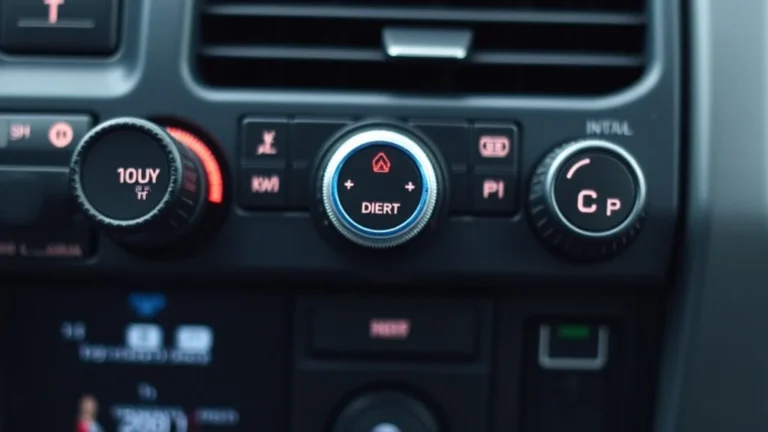
Changing modes in your F150 is usually straightforward, but the process may differ slightly based on the type of transfer case you have. For most systems, there is a dashboard dial or switch. Here is how to use it.
Using the Electronic Shift-On-the-Fly (ESOF) System
The ESOF system is easy to operate. You can switch between 2H and 4H while the truck is moving under certain speed and driving conditions. To shift into 4L, you need to stop your vehicle.
- Shifting to 4H: While driving at a speed below 55 mph, turn the 4WD dial to the “4H” position. You may feel a slight clunk as the system engages. A light on the dashboard indicates when 4H is engaged.
- Shifting to 2H: To return to 2H, turn the dial back to the “2H” position. The system will disengage four-wheel drive. The light on the dashboard will turn off.
- Shifting to 4L: To engage 4L, the vehicle must be completely stopped and the transmission in “Park”. Turn the dial to “4L.” Wait for the light on the dashboard to confirm 4L is engaged before driving. This mode will provide maximum torque.
When you are switching to 4H, first make sure the vehicle is moving at a speed below 55 mph. Then turn the dial to the 4H position. The system will then engage the four-wheel-drive. The dashboard will show when the system is fully engaged. It’s that easy to switch.
To go back to 2H, turn the dial to the 2H position, which disengages the four-wheel drive. The dashboard light will turn off when it disengages. This will return your F150 to two-wheel drive mode.
To go to 4L mode, completely stop the vehicle and put the transmission into park. Then, turn the dial to the 4L position. The dashboard light indicates when 4L is engaged. This mode is the best for difficult situations and maximum torque.
Using the Electronic Locking Transfer Case
The electronic locking transfer case works similarly to the ESOF system. It adds the “4A” mode, which automatically engages 4WD. The steps for 2H, 4H, and 4L are the same as with the ESOF system.
- Shifting to 4A: With the electronic locking transfer case, you can select “4A” on the dial. The system will automatically engage 4WD when needed.
- Shifting to 4H: Turn the dial to “4H” to engage four-wheel drive for slippery conditions, similar to the ESOF.
- Shifting to 4L: Just like with the ESOF, you must stop the vehicle and put the transmission in “Park” to engage 4L.
If your F150 has an electronic locking transfer case, the 4A mode is available. It is fully automatic. It will engage the four-wheel drive system only when the wheel slippage is detected. This mode offers great convenience.
For slippery conditions, you may need to use 4H mode. To engage, simply turn the dial to “4H”. You will have the extra traction to deal with the challenging conditions.
When you want to go to the 4L mode, stop the vehicle, then put the transmission in the Park mode. Then, turn the dial to “4L.” This mode provides maximum torque and is best for demanding situations. It is designed to handle challenging conditions.
When to Use Each Mode
Knowing when to use each transfer case mode is essential for safe and efficient driving. Selecting the proper mode can also protect your truck’s components. Proper mode selection can lead to longer life of your truck.
Driving Conditions and Mode Selection
The different modes are made for different situations. Use the correct mode to get the most from your truck. This will enhance both the safety and performance.
- 2H: Use this mode on dry, paved roads and highways. It’s the most fuel-efficient option. This is for normal driving.
- 4A: If your truck has the 4A mode, it’s suitable for various road conditions. It is perfect for mixed conditions, such as wet roads and light snow. The system automatically adjusts power distribution.
- 4H: Use 4H mode on snow, ice, or loose gravel. It’s for when you need more traction. However, avoid using 4H on dry pavement.
- 4L: This mode is strictly for off-road use, climbing steep grades, or traversing challenging terrain. Always drive at low speeds in 4L.
When driving in normal conditions on paved roads and highways, always use 2H. This mode provides the best fuel economy and is suitable for most driving situations. It provides a smooth driving experience.
If your F150 has the 4A mode, use it on wet roads and light snow. The 4A mode provides automatic four-wheel drive, giving you excellent traction. The system will automatically shift power as needed to keep you moving safely. This makes it perfect for all kinds of situations.
4H mode is the best mode for snow, ice, or loose gravel conditions. It gives your truck increased traction and control in slippery situations. Do not use this mode on dry pavement. Turning on dry pavement can cause mechanical stress on the components.
Use 4L mode only for extreme off-road situations and when climbing steep grades. This mode provides maximum torque for challenging conditions. Since it is best for extreme situations, drive slowly.
Real-Life Scenarios and Mode Recommendations
- Scenario 1: You’re driving on a highway with light snowfall.
- Scenario 2: You’re driving on a muddy dirt road.
- Scenario 3: You’re stuck in deep mud and need maximum torque.
In this case, 4A would be a good choice. 4A will monitor and respond to any wheel slippage. This will give you the best balance of traction and control. This makes for a safe and controlled drive.
In this situation, you should use 4H. It provides consistent power to all four wheels. This gives you extra traction needed to go over the muddy ground.
Here, you should switch to 4L mode. This mode gives you the maximum torque at low speeds. Be sure to engage 4L mode only when the vehicle is completely stopped and in “Park.”
Common Issues and Troubleshooting
Sometimes, your transfer case may experience issues. Knowing what to look for and how to fix common problems can help you keep your truck running smoothly. Regular maintenance is a key part of keeping your F150 running right.
Common Transfer Case Problems
Several issues can arise with your transfer case. These can vary from minor inconveniences to more significant mechanical problems. Recognizing potential issues early on is crucial for proper and timely maintenance.
- Difficulty Shifting: If the transfer case is hard to shift between modes, this could be due to a faulty shift motor or a problem with the transfer case.
- Unusual Noises: Whining, grinding, or clunking noises from the transfer case can signal internal damage, like worn gears or bearings.
- Fluid Leaks: Leaks can indicate seal failure or damage to the transfer case housing. This reduces the fluid levels.
- Failure to Engage: If the transfer case fails to engage into a particular mode, there may be an electrical or mechanical issue with the system.
Difficulty in shifting between modes may be caused by a faulty shift motor. It may also be related to mechanical issues within the transfer case. Regular maintenance and inspection can help prevent these problems.
Strange noises from the transfer case like whining, grinding, or clunking can mean that there are internal issues. Worn gears or bearings may need repair. These types of sounds can be your warning signs. You should check them out.
Fluid leaks are an indicator of potential issues like seal failure. Damage to the transfer case housing might cause the leak. Low fluid levels can lead to other problems. It is essential to get these checked to prevent damage.
If the transfer case doesn’t go into a certain mode, it could be a sign of electrical or mechanical problems. Identifying and addressing these issues promptly is vital to prevent more damage to your transfer case.
Troubleshooting Steps
Here are some steps you can take to diagnose and solve transfer case problems. Always consult a qualified mechanic if you’re unsure about any repairs.
- Check Fluid Levels: Make sure the transfer case has the right amount of fluid and that there are no leaks. Low fluid levels can cause damage.
- Inspect Electrical Connections: Check the electrical connections for corrosion or damage. A poor connection can cause shifting problems.
- Test the Shift Motor: If the shift motor is suspected of being the problem, a mechanic can perform tests to see if the motor is working properly.
- Seek Professional Help: For any complex issues, have your transfer case inspected and repaired by a professional mechanic. Don’t try to fix something if you don’t know how.
Checking your transfer case fluid levels regularly is essential. Low fluid levels can lead to damage. If you see leaks or low fluid, you should address the issue promptly.
Electrical problems can cause shifting issues. Check all electrical connections for any corrosion or damage. Replacing or cleaning the connections can fix the issue. This helps to make sure everything works correctly.
A faulty shift motor can be the cause of your issue. A qualified mechanic can perform the necessary tests. If the shift motor fails the test, you might need to have it replaced.
Always get your transfer case inspected by a professional mechanic for complex issues. Trying to repair the transfer case without proper knowledge and experience may lead to further damage. A professional can quickly diagnose and fix the problems.
Frequently Asked Questions
Question: Can I switch between 2H and 4H while driving?
Answer: Yes, with the ESOF system, you can switch between 2H and 4H while driving at speeds below 55 mph.
Question: What’s the difference between 4H and 4L?
Answer: 4H is for high-speed, slippery conditions, providing extra traction. 4L is for low-speed, high-torque situations like off-roading, providing maximum power.
Question: Should I use 4WD on dry pavement?
Answer: No, using 4WD on dry pavement can cause damage to the drivetrain. Use 2H for dry pavement.
Question: How do I engage 4L?
Answer: To engage 4L, the vehicle must be completely stopped and the transmission in “Park.” Then, turn the dial to “4L.”
Question: What should I do if my transfer case won’t shift?
Answer: Check fluid levels, inspect electrical connections, and consult a mechanic if the problem persists.
Final Thoughts
Knowing how f150 transfer case shifts modes gives you more control. You are ready to tackle different road conditions. Understanding the various modes, like 2H, 4A, 4H, and 4L, ensures you drive safely and efficiently. Remember the importance of stopping to switch to 4L and the proper situations for each mode. It is the best way to keep your truck running well. When issues come up, follow the troubleshooting steps. By taking care of your F150’s transfer case, you will have more control and can go on new adventures. Stay safe and enjoy your travels!