Why F150 Tires Wear Inside Edge and How to Fix It
If you’re noticing your Ford F150 tires are wearing down on the inside edges, you’re not alone. Figuring out why f150 tires wear inside edge can feel tricky when you’re just starting. Don’t worry, it’s a pretty common issue, and it usually has a simple fix! This guide will explain the main reasons why this happens and give you a simple, step-by-step way to solve the problem. Let’s get started and explore the causes.
Reasons for Uneven Tire Wear
There are a few main things that cause tires to wear unevenly, and the inside edge is often the first place you see it. It’s important to find the cause to get the best performance from your tires. We will explore those common issues in detail below. This section will get you up to speed on what to look for and will provide a solid base for the rest of this guide. This is where we will start to explore the reasons behind this common problem.
Alignment Problems and Tire Wear
One of the biggest culprits behind uneven tire wear is a bad wheel alignment. Your truck’s wheels might not be pointing in the right direction, even if it doesn’t look obvious. The tires are forced to work against each other as they roll down the road. This can wear the inside or outside edges faster than the rest of the tire. It’s like dragging your shoes sideways as you walk – they wear out quickly! A proper alignment ensures your wheels are parallel to each other and perpendicular to the road, reducing the friction and ensuring even tire wear.
- Toe Angle: This is how much your wheels point inward or outward when viewed from above. If the toe angle is off, the tires will scrub across the road, causing uneven wear. If your wheels are “toed-in” (pointing towards each other), it will often cause wear on the outside edges of your tires. If your wheels are “toed-out” (pointing away from each other), the inside edges of your tires wear faster.
- Camber Angle: This is how much your tires tilt inward or outward at the top. Positive camber (tires leaning out at the top) or negative camber (tires leaning in at the top) can cause uneven wear. Excessive negative camber can lead to wear on the inside edges of your tires. This angle is important for handling and stability.
- Caster Angle: This is the angle of the steering axis when viewed from the side. It affects how your truck steers and how it returns to the center after a turn. Incorrect caster won’t typically cause uneven tire wear directly, but it can affect how the truck handles.
Think of it like walking with your feet turned in or out – the inside or outside edges of your shoes will wear down first.
Picture your truck viewed from the front. If the tops of the tires lean inward, that’s negative camber, and it can cause the inside edges to wear faster.
Caster issues can make steering feel heavy or light. While it doesn’t directly cause uneven wear like toe or camber, it can contribute to other issues that do.
The Impact of Suspension Issues on Tire Wear
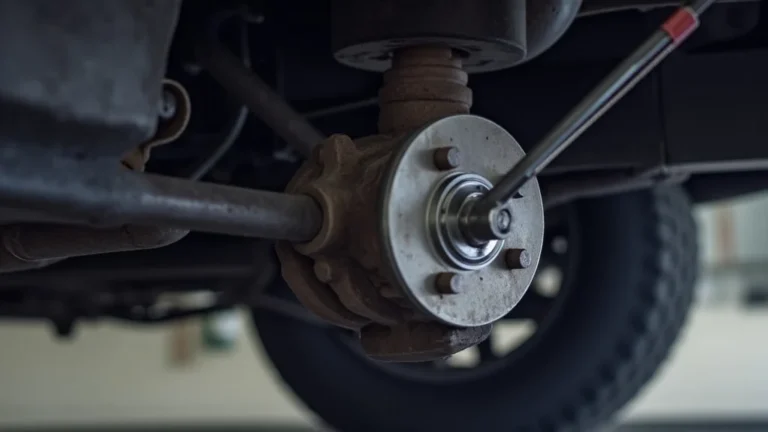
Your truck’s suspension system keeps your wheels connected to the frame and helps smooth out the ride. If there are problems with your suspension, it can affect your alignment and cause uneven tire wear. The suspension components wear out over time, leading to these issues. Think of it like this: your suspension is the foundation that keeps your tires correctly positioned. If that foundation has problems, your tires will suffer. We’ll look at the main things to watch out for below.
- Worn Shocks and Struts: Shocks and struts help control the bouncing of your truck. Worn shocks or struts won’t control the motion as well, and your tires can bounce more, leading to uneven wear. They are important for ride comfort and tire contact with the road.
- Ball Joint Problems: Ball joints connect your wheels to the suspension. Worn ball joints can affect your wheel alignment. If the ball joints are loose, they can change the angles of the wheels and wear your tires. They’re like the elbows and knees of your suspension system.
- Control Arm Bushings: These bushings allow the control arms to move. Worn bushings can shift the wheel alignment. The control arms help control the movement of your wheels.
Imagine driving on a bumpy road with a bad suspension – the tires lose contact with the road and can wear unevenly.
If a ball joint is bad, it changes the way your wheel sits, and the tire may wear on the inside edge.
These bushings act as cushions to give some play. When they are worn down, the tires’ angles change.
How to Identify and Diagnose the Problem
Finding the root of the problem is the first step toward a solution. Knowing how to identify the signs of uneven tire wear is important. This way, you can diagnose the problem and take action to stop the tire wear. We’ll look at what you can do to identify the problem and make the right choices for your truck.
Checking Your Tires for Uneven Wear
Regularly inspecting your tires is the best way to catch uneven wear early. Look at your tires on a regular basis, ideally when you wash your truck or check the tire pressure. You can easily do this yourself, and it will save you money and headaches in the long run. Look carefully at the inner edges of your tires. You’ll want to inspect each tire thoroughly, looking for specific wear patterns. Don’t forget to check the outer edges and the tread across the entire surface.
- Visual Inspection: Look for any obvious signs of wear, such as bald spots, uneven tread depth, or cracks on the tire’s inside edges.
- Tread Depth Measurement: Use a tread depth gauge to check how much tread is left. Uneven tread depth across the tire is a clear sign of a problem. You can get a tread depth gauge at any auto parts store.
- The Penny Test: Place a penny with Lincoln’s head facing down into the tread. If you can see the top of Lincoln’s head, your tires need replacing. This test gives a quick estimate of your tread depth.
Take a close look at your tires from different angles. Use a flashlight to help you see better. If you see any uneven wear, it is likely you have an issue.
Check the tread depth in multiple spots across the tire to see if it is wearing evenly. Make sure you measure the tread depth in several places across the width of the tire.
This is a quick way to check if your tires are at the minimum safe tread depth.
Inspecting for Suspension and Alignment Issues
Once you’ve looked at your tires, the next step is to examine your truck’s suspension and alignment. This process is important to understanding what is going on with your truck. While you can’t fix these things yourself if you aren’t experienced, you can identify the problems and then get professional help. This will give the shop a clear starting point.
- Alignment Inspection: Look for any signs that your wheels aren’t straight. Check to see if your truck pulls to one side when driving. If so, your alignment may be out of adjustment.
- Suspension Component Check: Look for any signs of damage or wear on the shocks, struts, ball joints, and control arm bushings. Check for leaks, rust, or damage. Inspect the rubber bushings for cracks or wear.
- Professional Inspection: If you’re not sure, take your truck to a trusted mechanic for a full inspection. They can check your alignment and all suspension components with specialized tools. They have the training to help you pinpoint what is going on.
Have someone follow your truck as you drive straight ahead. They can see if the wheels appear to be straight. This will give you an idea of your alignment.
If you see oil leaking from a shock or strut, it’s a sign that it is bad and needs replacing.
A professional inspection can identify issues you might miss. This can help you fix the problem.
Finding Solutions and Repairing the Tire Wear
Once you know why your tires are wearing unevenly, the next step is to get the problem fixed. The good news is that these problems can be fixed. They will not only help to save your tires but will also make your truck safer to drive. Here are some of the actions you can take to make things right.
Getting a Wheel Alignment
A wheel alignment is the most common fix for uneven tire wear. Having an alignment is like a tune-up for your wheels. Most tire shops and auto repair shops have the equipment to do an alignment. They’ll measure the angles of your wheels and adjust them to the manufacturer’s specifications. This can help correct the toe, camber, and caster angles. Alignments are usually inexpensive, but they can save you lots of money on tires in the long run. If you take your truck to the shop, make sure you know what to expect and what questions to ask.
- Finding a Reputable Shop: Choose a shop with good reviews and experienced technicians. Get recommendations from friends or family.
- The Alignment Process: Technicians will use a special machine to measure the alignment angles. They’ll then adjust the tie rods and other components to bring your wheels back into proper alignment.
- Post-Alignment Check: After getting an alignment, drive your truck and see if it handles better. Make sure the steering wheel is straight, and the truck doesn’t pull to either side.
Look for a shop that specializes in alignments. This is a job that requires skill.
Make sure they are using a modern machine and that they show you the before and after readings.
Pay attention to how your truck feels after the alignment. If anything seems wrong, tell the shop.
Addressing Suspension Problems
If you’re facing suspension issues, you’ll want to get them fixed as soon as possible. Worn suspension components can affect your truck’s handling. They can also lead to more serious problems. You can consult a mechanic about which components are worn or damaged and which ones need to be replaced. These steps will make sure your truck performs well and your tires wear correctly. The next section will explain how to address these problems. Here are some things you need to know about addressing the underlying causes of uneven wear.
- Replacing Worn Shocks and Struts: If your shocks or struts are worn, they need to be replaced. Choose high-quality replacements and make sure they match your truck’s specifications. New shocks and struts will improve ride quality and tire wear.
- Ball Joint Replacement: Worn ball joints can cause uneven tire wear and steering problems. Ball joints need to be replaced if they are worn. This is a job you’ll want to have a professional do because it can affect your steering.
- Control Arm Bushing Replacement: Replace the bushings if they’re worn or cracked. This will help maintain proper wheel alignment and extend tire life. It is like an insurance policy to maintain the integrity of the suspension.
Don’t wait to replace worn shocks or struts, or you’ll wear out your tires.
Don’t put off replacing worn ball joints.
Properly functioning bushings help maintain alignment.
Tire Rotation and Maintenance
Along with fixing the root causes, proper tire rotation and maintenance can help extend the life of your tires. This will also help to make sure your tires wear evenly. Regular tire maintenance is a key part of keeping your truck in good shape. It’s a simple step you can take to make your tires last longer. We will look at tire rotation and other maintenance tips below.
- Tire Rotation Schedule: Rotate your tires every 5,000 to 8,000 miles. This helps to make sure all tires wear at a similar rate. You should rotate your tires based on the pattern recommended in your owner’s manual.
- Proper Tire Inflation: Keep your tires inflated to the recommended pressure. Check the tire pressure at least once a month. The right tire pressure is critical for even wear and good handling.
- Regular Tire Inspections: Regularly inspect your tires for any signs of wear or damage. This can help you catch problems early. If you see wear, it’s time to take action.
Rotating your tires is a simple way to increase their lifespan.
Use a tire pressure gauge to check your tires, and inflate them to the recommended pressure.
Regular inspections are a good way to stay on top of tire health.
Based on a study by the National Highway Traffic Safety Administration (NHTSA), properly inflated tires can improve fuel efficiency by up to 3%. This can lead to cost savings over time.
| Issue | Symptoms | Possible Solutions |
|---|---|---|
| Alignment Problems | Uneven tire wear, vehicle pulling to one side | Wheel alignment |
| Worn Shocks/Struts | Bouncing, rough ride | Replace shocks and struts |
| Worn Ball Joints | Clunking noise, alignment issues | Replace ball joints |
| Worn Control Arm Bushings | Vibration, poor handling | Replace control arm bushings |
Consider this real-life scenario: A truck owner noticed their F150 tires were wearing on the inside edges. They took the truck to a mechanic who diagnosed a misaligned wheel. After getting an alignment, the tire wear stopped. The tires began to wear evenly, which resulted in a longer lifespan. The owner saved money on tires and had a safer, better-handling truck.
- A driver notices inside tire wear on their F150 and takes it to a mechanic, where they discover the vehicle’s alignment is the cause. After getting a new alignment, the tire wear is fixed, and the tires last longer.
- An F150 owner ignores uneven tire wear on the inside edges. Because the driver did not get the vehicle fixed, the tire wear worsens, and the tires wear out quickly. The owner spends more money replacing tires and has to pay for more repairs later.
- A truck owner observes inside edge tire wear. The owner does not check the tire pressure often, which increases wear. The owner then gets the vehicle aligned, fixes suspension problems, and makes sure the tire pressure is correct. The tires’ wear is even.
Frequently Asked Questions
Question: What causes inside tire wear?
Answer: The most common causes are alignment problems (toe, camber), worn suspension components (shocks, ball joints), and incorrect tire pressure. All of these things cause the tires to wear on the inside edge.
Question: How can I tell if my truck needs an alignment?
Answer: Signs include uneven tire wear, the truck pulling to one side, or the steering wheel not being straight. If you notice any of these signs, you need to get an alignment.
Question: Can I fix inside tire wear myself?
Answer: Checking your tires and looking for wear is something you can do yourself. But, you should get help with any alignment or suspension repairs.
Question: How often should I rotate my tires?
Answer: It’s best to rotate your tires every 5,000 to 8,000 miles. Always check your owner’s manual for the best rotation pattern for your F150.
Question: Is it safe to drive with inside tire wear?
Answer: Driving with uneven tire wear can be dangerous. It can lead to poor handling and increase your chances of an accident. It is always better to get the problem fixed.
Final Thoughts
Seeing your F150 tires wear on the inside edge can be frustrating. However, you now have the tools you need to understand the problem. The most likely causes are alignment issues, and issues with the suspension system. Regularly inspecting your tires, getting an alignment, and making sure your suspension is in good shape will help. By taking action, you can avoid costly tire replacements and keep your truck handling safely. Getting your tires checked by a professional is a good way to save money and frustration. Make a point of checking your tires today!