Why F150 Cabin Gets Hot Driving: Easy Fixes
If you own an F150, you might have noticed the cabin getting uncomfortably hot while driving. Figuring out why f150 cabin gets hot while driving can seem tricky at first, especially if you’re new to car maintenance. But don’t worry! This is a common issue, and the solutions are usually pretty straightforward. We’ll explore the main causes and provide simple, step-by-step solutions to keep your truck cool. Next, we’ll look at simple, actionable advice. Let’s get started!
Reasons Your Ford F150 Cabin Heats Up Quickly
One of the primary questions many F150 owners ask is, “Why is my truck’s cabin getting so hot?”. Several factors can contribute to this, from basic wear and tear to more complex system failures. Knowing the underlying reasons is the first step toward finding a solution. We’ll explore the common culprits, ensuring you can identify the cause and address it accordingly. Understanding these can help you maintain a comfortable cabin environment during the summer months and throughout the year.
Faulty Air Conditioning System
A poorly functioning air conditioning system is a leading cause for elevated temperatures inside your F150. Over time, components like the compressor, condenser, and evaporator can degrade or fail. The AC compressor is the heart of the system, circulating refrigerant that absorbs heat from the cabin. The condenser then releases this heat outside the vehicle, and the evaporator cools the air that enters the cabin. If any of these parts malfunction, the cooling process becomes less efficient or stops altogether. Refrigerant leaks, clogged filters, and electrical issues also contribute to AC system failures, rendering your cabin a sweltering place during your drive.
- Refrigerant Leaks: Refrigerant leaks are a common problem. Over time, the refrigerant, the substance that cools the air, can leak from the system due to worn seals or damaged components. Without sufficient refrigerant, the AC can’t cool the air effectively. A mechanic can detect leaks using specialized equipment. Replacing the leaking parts and refilling the refrigerant is often required.
- Compressor Issues: The AC compressor is responsible for compressing the refrigerant, which is a key process for cooling. If the compressor fails, the AC system becomes completely useless. Compressor failure can happen due to many factors like age, lack of use, and insufficient lubrication.
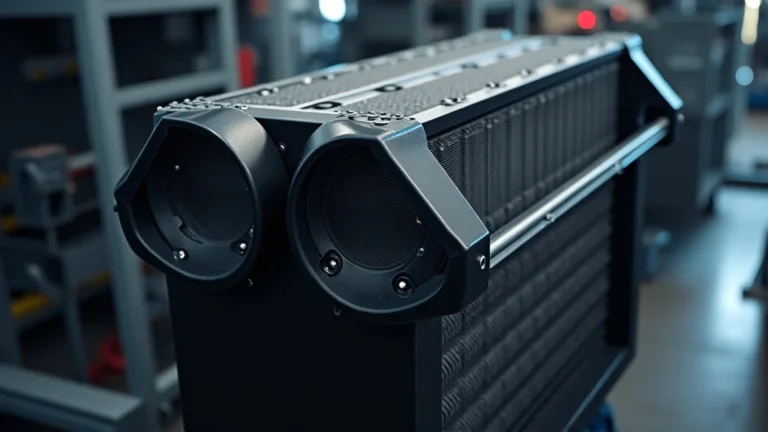
- Clogged Condenser: The condenser releases the heat that the refrigerant absorbs from inside the car. If the condenser is blocked by dirt, leaves, or other debris, it can’t function correctly, reducing the AC’s cooling performance. Regular cleaning of the condenser can prevent such issues.
- Evaporator Problems: The evaporator is where the refrigerant absorbs heat from the cabin air. Blockages or damage can prevent it from working efficiently. The evaporator is located inside the dashboard, which makes its maintenance a bit more complex.
Here’s a scenario: Imagine your F150’s AC worked perfectly in spring, but as summer arrived, it began blowing warm air. A technician discovers a refrigerant leak in a connecting hose. After replacing the hose and recharging the system, the AC works perfectly. Another example, you take your truck to the mechanic because your AC is struggling to cool. They find that the condenser is clogged with dirt and debris, which prevents it from properly releasing heat. After cleaning the condenser, the AC system performs like new. These simple fixes can make a huge difference in the cooling performance of your truck.
Sun and Heat Factors
The intensity of sunlight and high ambient temperatures play significant roles in how quickly your F150 cabin heats up. The large glass surfaces, like the windshield and windows, allow sunlight to enter and heat the interior. Dark-colored interiors absorb more heat than lighter ones. External temperatures directly affect your truck’s cabin temperature. In areas with intense sunlight, such as the southern United States, these factors can exacerbate the problem. You might have noticed how quickly your F150’s cabin heats up after being parked in the sun for a few hours. This is due to the greenhouse effect, where sunlight passes through the windows, warms the interior, and the heat gets trapped inside.
- Windshield Size: The large windshield area of the F150, designed for visibility, also allows significant solar heat gain. Sunlight passing through this large surface can quickly heat up the dashboard, seats, and other interior components.
- Window Tint: Tinted windows can reduce the amount of solar radiation that enters the cabin. This helps lower the interior temperature and protect the dashboard and seats from fading. The darker the tint, the more effective it is at blocking heat.
- Dashboard Absorption: Dark-colored dashboards and seats absorb a lot of heat. They then radiate this heat, contributing to the overall temperature increase inside the cabin. Light-colored interiors reflect more sunlight and stay cooler.
- Outside Temperature: The external temperature has a direct impact on the interior temperature of your vehicle. During hot days, your F150’s cabin temperature can rapidly increase, even when the AC system is working. High ambient temperatures lead to increased cabin temperatures.
Let’s say your truck sits outside in the sun all day, and when you open the door, you’re hit with a blast of hot air. This occurs because the sun’s energy passed through the windows and got trapped inside, heating the cabin. Tinting your windows can significantly reduce this effect, making your cabin more comfortable. Consider the scenario of a person living in a hot climate: They find that their car’s interior is unbearably hot after being parked outside for a short time. After installing window tint, they notice a dramatic reduction in cabin temperature and a reduction in the need to crank up the AC.
Ventilation Issues and Airflow Problems
Airflow problems within your F150’s ventilation system can also lead to a hot cabin. Blockages in the vents, a malfunctioning blower motor, or issues with the air distribution system can hinder the efficient movement of cooled air. The ventilation system is responsible for circulating air throughout the cabin, ensuring even cooling. When this system isn’t functioning correctly, the effectiveness of the AC is greatly reduced. Ensuring proper airflow and ventilation is key to maintaining a comfortable driving experience. Reduced airflow means your AC can’t effectively cool the vehicle, contributing to cabin heating problems.
- Blocked Vents: Dust, debris, or even small objects can block the vents, restricting airflow. This prevents cool air from reaching all areas of the cabin. Regularly inspecting and cleaning the vents can solve this problem.
- Blower Motor Failure: The blower motor pushes air through the AC system and vents. If the blower motor fails, the AC may still function, but there will be little to no airflow, leaving the cabin hot.
- Air Distribution Problems: Your F150 has a system that directs air through different vents, such as the dashboard or floor vents. If this system malfunctions, it could result in uneven cooling, or the air may not circulate properly throughout the cabin.
- Cabin Filter Issues: A clogged cabin air filter will restrict airflow. This filter cleans the air before it enters the cabin and removes dust, pollen, and other pollutants. A clogged filter will reduce the amount of air the system can push through.
For instance, your F150’s AC works fine, but only the top vents blow air. After inspection, you find that the bottom vent is blocked by debris. Removing the blockage restores airflow throughout the cabin, improving cooling. If the blower motor on your F150 stops working, then it’s a sure sign of a problem, and the AC is rendered ineffective. After replacing the blower motor, the AC starts to cool the interior quickly. Another example: Imagine your truck’s cabin is always hot, even when the AC is on full blast. You inspect the cabin air filter and find that it is completely clogged with dirt and debris. Replacing the filter allows the AC system to work more effectively.
Addressing Common Heat Problems in Your F150 Cabin
Once you understand why f150 cabin gets hot while driving, the next step is to address the issues. Implementing practical steps can help in maintaining a comfortable environment inside your F150. These actions range from performing regular maintenance to using specific accessories designed to reduce heat. Taking proactive measures can significantly affect your driving comfort. Many problems can be resolved with simple steps.
Regular AC Maintenance Tips
Consistent AC maintenance is key to keeping your F150’s cabin cool. This involves regular inspections, timely replacements of key components, and routine checks to ensure your AC system operates at peak performance. These steps not only improve cooling efficiency but also prevent major failures. Regular maintenance also helps to identify and fix minor issues before they turn into major, expensive repairs. Doing the following will extend the life of your AC system.
- Annual AC Inspection: Scheduling an annual inspection by a certified mechanic can identify potential problems before they escalate. Mechanics check for leaks, inspect belts, and check overall system performance.
- Refrigerant Checks: The refrigerant level should be checked regularly. Low refrigerant levels indicate leaks, reducing the cooling capacity. If your AC isn’t blowing cold air, this might be a sign of a problem.
- Filter Replacement: Replacing the cabin air filter as needed is important for proper airflow and AC performance. A clean filter ensures that the AC system operates efficiently and keeps the air inside clean and free of pollutants.
- Belt Inspection: The AC compressor is often driven by a belt. Inspect the belt for cracks or wear. A worn belt can slip, reducing the compressor’s efficiency.
Think about a scenario where you experience reduced cooling during the summer months. You take your F150 for an AC inspection. The mechanic finds that the refrigerant level is low and the cabin air filter is clogged. After refilling the refrigerant and replacing the filter, your AC performance returns to normal. In another case, your AC is blowing warm air. After taking your truck to a shop, the mechanic checks the system and finds that the AC compressor is failing. They replace the compressor, and your AC will work great again. Such simple actions can make a huge difference in the cooling performance of your vehicle.
Using Sun Protection and Accessories
Using sun protection measures and accessories can significantly reduce heat buildup in your F150’s cabin. These methods include using window visors, reflective windshield covers, and other items that help block sunlight. These tools provide an effective way to minimize the amount of heat entering your vehicle. Using these methods also protects your interior from fading and wear caused by the sun. Incorporating these simple steps into your daily routine can help keep your F150’s cabin cooler, especially during peak sunlight hours.
- Window Visors and Sunshades: Window visors and sunshades block direct sunlight. These simple accessories are very effective at reducing the amount of sunlight entering your cabin. Reflective windshield covers can block a significant portion of sunlight.
- Window Tinting: Window tinting reduces the amount of solar radiation. Tinting the windows is a good investment, reducing heat and protecting the interior. Different types of window tinting are available with varying heat-rejection capabilities.
- Parking in Shade: Whenever possible, park your F150 in the shade. Trees, buildings, and other objects can block direct sunlight. Parking in a shaded area significantly reduces cabin heat buildup.
- Interior Protection Products: Using interior protection products can help protect the dashboard, seats, and other components from sun damage. These products can protect against cracking, fading, and general wear and tear caused by heat.
Consider a situation where you live in a warm climate and park your F150 outside every day. You start using a reflective windshield cover and install window visors. You notice a considerable reduction in cabin temperature, and the interior materials are protected from the sun. In another scenario, you often park your truck in direct sunlight. After tinting the windows and using a dashboard protector, you find the cabin temperature decreases, and the interior looks newer for longer. These actions show how easy it is to keep your truck cool.
Addressing Airflow and Ventilation Problems
Addressing airflow and ventilation issues is essential for maximizing your F150’s cooling performance. This often involves checking and maintaining the ventilation system to ensure proper airflow and cooling. This includes fixing blockages in the vents, checking the blower motor, and making sure the air distribution system functions correctly. The better the ventilation system works, the easier it is for the AC to keep the cabin cool. Improving airflow will greatly improve your driving experience.
- Vent Inspection and Cleaning: Regularly inspect your vents for any blockages, such as leaves, dust, or debris. Use a soft brush or compressed air to clean out the vents and ensure they remain clear.
- Blower Motor Check: Ensure that the blower motor operates correctly. If you notice a reduction in airflow, the blower motor might need to be replaced. You can usually hear the blower motor.
- Cabin Air Filter Replacement: Replace the cabin air filter regularly. A dirty air filter will restrict airflow, reducing the efficiency of the AC system. Follow the vehicle’s maintenance schedule or replace it when you notice a reduction in airflow.
- Air Distribution System Check: Make sure the air distribution system is functioning correctly. Check that air is flowing through all vents and that you can adjust the air direction using the controls. A malfunctioning system will cause uneven cooling.
Imagine your truck’s AC works well, but you notice the air from the vents isn’t very strong. You inspect the vents and find they are partially blocked with dust. After cleaning the vents, you notice a significant increase in airflow, and the AC cools more efficiently. You might find that your AC is not blowing air at all. After inspecting your truck, you find that the blower motor has failed. Replacing the blower motor restores proper airflow, and your AC will cool the cabin again. These straightforward actions can drastically improve the performance of your truck’s cooling system.
| Problem Area | Symptoms | Solutions |
|---|---|---|
| Faulty AC System | Warm air from vents, reduced cooling | Check refrigerant, inspect compressor, replace components |
| Sun and Heat Factors | Rapid cabin heat, sun damage | Use window tint, park in shade, use sunshades |
| Ventilation Issues | Reduced airflow, uneven cooling | Clean vents, replace air filter, check blower motor |
Tips for Maintaining a Cool F150 Cabin During Hot Weather
Keeping your F150’s cabin cool during hot weather takes more than just fixing any existing problems. It involves a combination of preventive measures and smart practices. Implementing these habits can keep your truck’s interior comfortable even on the hottest days. These methods can also help reduce wear and tear on your truck’s AC system. Following these tips ensures a more enjoyable and comfortable driving experience, no matter the outside temperature.
Pre-Cooling Your F150
Pre-cooling your F150 is a smart move that will improve your comfort. This means cooling the cabin before you start driving. It takes just a few minutes, but it can make a big difference, especially on hot days. By pre-cooling, you reduce the initial shock of getting into a hot vehicle. This also reduces the load on your AC system, which will make it work more efficiently. This simple step can make your driving experience much more pleasant. It is simple to do, and it only takes a moment.
- Remote Start: Use your remote start feature (if equipped) to run the AC before you get into your truck. This will allow the cabin to cool down before you even enter. The engine can run for a short period and cool the interior.
- Open Windows Before Starting: If you don’t have remote start, open the windows for a few minutes before starting your truck. This allows the hot air to escape and fresh air to enter. You can open the windows just before you get in.
- Park in Shade: Whenever possible, park your F150 in a shaded area. This can be under a tree, in a parking garage, or anywhere that shields your truck from direct sunlight. Shaded parking can greatly reduce heat buildup.
- Use Reflective Sunshades: Place a reflective sunshade on your windshield. These are very effective at blocking sunlight. This helps to reduce the temperature inside the cabin by a noticeable amount.
Consider the scenario of leaving your F150 parked in the sun on a summer day. Before you return to your truck, you use the remote start to cool the cabin. When you open the door, the interior is at a comfortable temperature, and the AC system doesn’t need to work as hard. Another example, if you don’t have a remote start feature, you open the windows for a few minutes before you start your truck. This simple step reduces the initial heat blast and improves your comfort as you drive. These quick actions can ensure a much more comfortable driving experience.
Operating Your AC Efficiently
Operating your AC system efficiently can significantly impact how quickly your F150 cabin cools down. Setting the AC correctly can optimize its performance. This involves selecting the right settings, such as using the recirculation feature and adjusting the fan speed. These simple adjustments will get the most cooling power from your AC. Moreover, efficient AC operation can also save energy and improve fuel efficiency. Adjusting your habits is a simple step, and it can greatly affect your comfort.
- Use the Recirculation Mode: Engage the recirculation mode on your AC system. This setting recirculates the air within the cabin, which helps cool the air more quickly. Recirculating the air cools it faster.
- Set the Fan Speed Correctly: Start with a higher fan speed to rapidly cool down the cabin. Once the desired temperature is reached, reduce the fan speed to maintain comfort. Don’t run the fan on high the entire trip.
- Close Vents to Unused Areas: Close vents directed toward areas of the cabin that are not occupied. This concentrates the cool air where it’s needed. This will help cool the occupied areas more quickly.
- Regular AC Use: Run your AC regularly, even during milder weather. This helps keep the components of the system lubricated and prevents them from drying out. This also helps ensure that the AC functions properly.
Consider a situation where you start your F150 on a hot day. You immediately turn on the AC, select the recirculation mode, and set the fan speed to high. The cabin cools down much faster than it would if you used the AC without these settings. In another example, your F150 has been parked in the sun for several hours. You engage the recirculation mode and direct the AC vents towards the front seats. The cabin cools down quickly, offering a comfortable ride. These steps will make a huge difference in your driving experience.
Regular Interior Cleaning
Regularly cleaning your F150’s interior can help maintain a comfortable driving environment. Dust, dirt, and other debris can accumulate in your cabin. These can trap heat and negatively affect the comfort of your interior. Regular cleaning also helps protect your interior surfaces from damage. Cleaning the interior regularly can improve airflow and keep your cabin cooler. Additionally, a clean interior looks better and improves the overall driving experience. Cleaning your interior regularly is an easy task and can have multiple benefits.
- Dust Regularly: Dust the dashboard, seats, and other surfaces frequently. Dust can accumulate and trap heat, which contributes to increased cabin temperatures. Using a microfiber cloth helps prevent scratches.
- Vacuuming: Vacuum the carpets and seats. This removes dirt and debris that can trap heat and reduce comfort. Regular vacuuming prevents the buildup of dirt that can affect airflow and cooling.
- Clean Vents: Clean the AC vents to remove any dust or debris. Dirty vents can restrict airflow and reduce cooling efficiency. Using a soft brush or compressed air is effective for this purpose.
- Use Interior Protectants: Apply interior protectants to surfaces. This can help to protect your dashboard and seats from UV damage and prevent them from absorbing excessive heat. Protecting your interior also keeps it looking newer longer.
Imagine you regularly vacuum and dust your F150’s interior. You notice the cabin feels cooler and more comfortable, especially during hot weather. In another case, you clean your AC vents and find that the airflow has increased, allowing the AC to cool the cabin more effectively. These simple steps can have a significant effect on the overall comfort of your F150’s interior. Following these simple steps will improve your overall driving experience.
Frequently Asked Questions
Question: Why is my F150’s AC blowing warm air?
Answer: This can be due to several reasons, including a low refrigerant level from a leak, a malfunctioning compressor, or a blocked condenser. Inspecting these components is the first step.
Question: What’s the best way to keep my F150 cool while it’s parked?
Answer: Using a windshield sunshade, parking in the shade, and cracking the windows slightly can help reduce heat buildup while your F150 is parked.
Question: How often should I replace my F150’s cabin air filter?
Answer: The cabin air filter should generally be replaced every 15,000 to 30,000 miles, or according to your owner’s manual. A clogged filter restricts airflow and reduces AC efficiency.
Question: Can I fix the AC myself, or do I need a mechanic?
Answer: Basic maintenance like replacing the cabin air filter is usually doable. However, complex AC repairs, such as refrigerant leaks or compressor replacements, are best left to a qualified mechanic due to the use of specialized equipment and potential safety issues.
Question: Are there any specific products that help keep my F150 cool?
Answer: Yes, window tinting, reflective sunshades, and seat covers that reflect heat can all help. These accessories improve your comfort.
Final Thoughts
Dealing with a hot F150 cabin is a common issue, but it’s one you can effectively address with the right approach. We’ve explored the main causes, from AC problems to external heat factors, and discussed practical solutions, including regular maintenance, sun protection, and smart driving habits. Many issues can be resolved with simple steps. Understanding why f150 cabin gets hot while driving and knowing what to do about it ensures that you’re well-equipped to maintain a comfortable driving environment, no matter the weather. Remember to regularly check and maintain your AC system, use sun-blocking accessories, and implement strategies for efficient cooling. By taking these proactive measures, you can ensure a comfortable ride in your F150 year-round. Start by checking your AC system and then address any potential issues. Get ready to enjoy cooler, more comfortable drives in your F150.