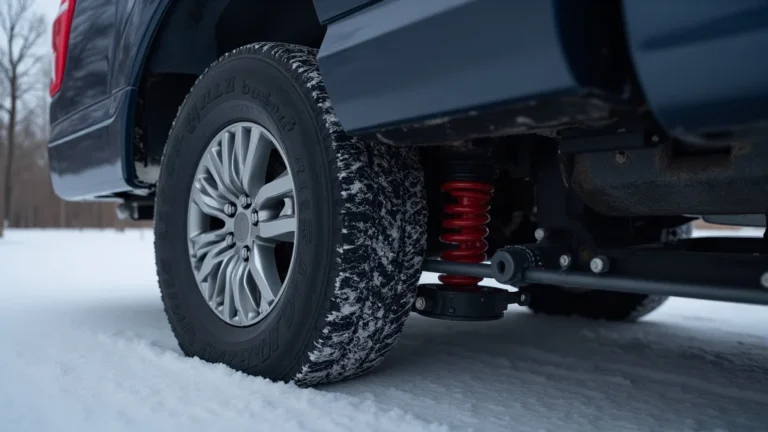
Why F150 Wheel Alignment Doesn’t Stay True
If you’re new to car care, you might find it frustrating when your F150’s wheel alignment seems to drift out of whack. Many truck owners experience this issue, and the question often pops up: why F150 wheel alignment doesn’t hold? Don’t worry, it’s a common problem with straightforward solutions. This post will break down the common culprits behind alignment issues in your F150 and provide you with a simple, step-by-step guide to keep your truck running straight. Let’s get started and explore the most important factors.
Common Causes of Alignment Problems
One of the first things people ask is: what are the common reasons behind wheel alignment issues? Several factors can cause an F150’s alignment to go off. These range from everyday driving conditions to the truck’s design. Regular wear and tear, impacts from potholes, and even simple things like hitting a curb can throw off your alignment. The F150’s robust build, while designed for durability, also means more substantial components that can be affected. Recognizing these influences is essential for preventative care and preserving tire life.
Impact from Road Hazards
Road hazards are a major reason behind alignment problems. Potholes are a truck’s worst nightmare. A direct hit can bend or damage suspension components, leading to misaligned wheels. Similarly, hitting a curb, even at low speeds, can jostle the alignment out of place. This can result in uneven tire wear, pulling to one side, and a less enjoyable driving experience. The frequency of encountering these hazards depends on your driving habits and road conditions. Regular inspections are important for spotting and resolving issues quickly.
- Potholes: These create the most immediate threat. Their depth and sharp edges can inflict a lot of damage to the suspension. Even shallow potholes can have an impact.
- Curbs: These can misalign wheels, particularly during parking. The impact can easily bend or shift suspension parts.
- Debris: Road debris, like metal objects or large pieces of plastic, can damage tires and suspension components that affect wheel alignment.
- Construction Zones: These often have uneven surfaces and debris, increasing the risk of alignment problems. Be mindful when driving through areas with construction.
Consider a situation where a driver regularly travels on a road with numerous potholes. Over time, the constant impacts gradually compromise the alignment. This is contrasted with a driver who mostly drives on smooth roads; their alignment may stay true for much longer, demonstrating the importance of driving conditions.
Normal Wear and Tear on Components
Truck components, like any mechanical system, deteriorate over time. The ball joints, tie rod ends, and control arm bushings gradually wear out. This is a natural result of the truck’s use. As these components loosen or degrade, the wheels can shift from their proper positions. This affects the alignment. Regular maintenance and component replacement, as suggested by the manufacturer, can help lessen these issues.
- Ball Joints: These are critical parts of the suspension system, and their wear affects steering and wheel movement.
- Tie Rod Ends: These are the key to the steering system. They wear and can cause play, leading to alignment deviations.
- Control Arm Bushings: These cushion the control arms, and wear can allow for unwanted movement, affecting alignment.
- Shocks and Struts: These are important to maintaining stability, and worn-out shocks can contribute to alignment changes.
For example, if a truck frequently carries heavy loads, the increased stress on suspension components speeds up wear. A truck that is lightly used will have slower wear, showcasing the impact of driving patterns on the lifespan of components.
Factory Specifications and Tolerances
Sometimes, alignment problems aren’t about damage; instead, it has to do with factory specifications. All vehicles have specific alignment settings. These specifications guarantee that the wheels are positioned properly. Tolerances are the acceptable ranges within which these settings must fall. A truck might seem perfect but still have subtle deviations from those ideal settings, which become worse over time. Proper alignment relies on meeting these specs during the setup process, which is why skilled alignment technicians are important.
- Caster: The angle of the steering axis. It affects steering stability and how the vehicle returns to a straight path.
- Camber: The inward or outward tilt of the wheels. It impacts tire wear and handling.
- Toe: The angle of the wheels relative to each other when viewed from above. It has a significant impact on tire wear and straight-line stability.
The manufacturing process may also lead to slight deviations, especially in mass-produced vehicles. The slight differences from the specified settings are called tolerances. However, these small variances are not always noticeable at first, but they can be felt later as the alignment gradually shifts.
How Driving Habits Influence Wheel Alignment
Your driving style has a large impact on how your truck’s alignment holds. Fast turns, aggressive acceleration, and abrupt braking all apply significant forces to your suspension and wheels. These actions can quicken the wear of components and increase the likelihood of misalignment. It’s not just about how you drive, however. The types of roads you drive on play a role. Avoiding rough roads and driving with care can help you keep your alignment longer.
Aggressive Driving
Aggressive driving puts a lot of stress on the alignment system. Rapid acceleration, hard braking, and fast turns all create intense forces that can shift the wheels. This can wear out suspension components quickly, leading to alignment problems. If you frequently drive in this manner, you should check your alignment more often.
- Frequent Hard Braking: This can strain the front suspension and potentially cause the alignment to change.
- Rapid Acceleration: Launching your truck quickly can put stress on suspension components, affecting alignment.
- Sharp Turns: Taking turns too fast can put side forces on your wheels, affecting alignment angles.
One example could be a truck owner who frequently off-roads. The harsh impacts from driving off-road quickly affect the wheel alignment compared to a driver who mostly stays on paved roads. This shows how aggressive driving directly correlates to alignment problems.
Road Conditions and Driving Environment
The conditions of the roads you drive on greatly affect your truck’s wheel alignment. Driving on roads with potholes, gravel, or construction zones significantly increases the likelihood of alignment issues. These conditions subject your suspension to repeated impacts and vibrations. This can gradually shift the alignment. Smooth roads are better for maintaining wheel alignment compared to rough surfaces.
- Rough Roads: These can quickly throw off the alignment.
- Unpaved Roads: Driving on dirt roads or gravel can be harsher on suspension components, which means a higher risk of alignment problems.
- City Driving: Frequent stop-and-go driving with potholes and curbs contributes to alignment issues.
Imagine a scenario: a delivery truck that goes into urban areas daily and encounters potholes. Their alignment needs may need more frequent adjustments compared to a truck used only on the highway.
Vehicle Load and Usage
The way you use your truck affects alignment. Regularly carrying heavy loads or towing trailers puts extra stress on the suspension. This added weight can cause the suspension components to wear out more quickly, leading to alignment issues. Moreover, the type of work your truck does matters. Trucks often used for construction or hauling materials are more likely to have alignment issues compared to ones used for recreational driving.
- Regular Towing: Towing causes the rear suspension to be stressed, possibly affecting the alignment.
- Heavy Loads: Carrying heavy objects puts extra force on the suspension system. This affects alignment over time.
- Off-Roading: Activities like off-roading lead to extreme conditions and quicken component wear.
Consider a truck used by a construction company. Because it often carries building materials, it is more likely to experience alignment problems than a truck used primarily for personal travel. The weight of the materials has an impact on the suspension.
Troubleshooting and Prevention Strategies
Knowing the common causes and how driving impacts wheel alignment is one thing; implementing strategies for avoiding these problems is another. Regular inspections and preventative maintenance are essential for maintaining your F150’s alignment. These steps will help you enjoy smooth driving and maximize tire life. Additionally, understanding warning signs and knowing when to get your truck checked can help you resolve alignment problems.
Regular Inspections
The key to maintaining wheel alignment is to perform regular inspections. These checks help spot problems early, before they cause severe damage. At each inspection, examine the tires for uneven wear and look at suspension components for damage. If you notice any issues, get the truck examined by a qualified mechanic. This simple routine can prevent major repairs down the road.
- Visual Inspection: Check tires, looking for uneven wear. Look at the suspension components for any apparent damage.
- Test Drive: See if your truck pulls to one side or if the steering wheel isn’t centered.
- Professional Assessment: Bring your truck to a mechanic for regular alignment checks to catch potential problems.
Consider an instance where a truck owner performs routine visual checks every month and notices uneven tire wear. Then, they take their truck in for service right away. This rapid response prevents further damage.
Preventative Maintenance
Preventative maintenance plays a major role in keeping your truck’s alignment. This includes regular component checks, timely replacements, and adherence to manufacturer-recommended service schedules. Proper maintenance lowers the risks of components failing. This can help to extend the life of your alignment. Following the suggestions from your mechanic can help prevent bigger problems and save money.
- Component Replacement: Replace worn components, like ball joints, tie rod ends, and bushings, as needed.
- Suspension Checks: Regularly inspect all suspension parts, including shocks and struts.
- Tire Rotation: Rotate your tires as suggested by the manufacturer to spread wear evenly.
- Wheel Balance: Ensure your wheels are balanced. Imbalance can affect your truck’s handling and alignment over time.
For example, if a truck owner follows a maintenance schedule and changes out worn parts, it helps prevent alignment problems and extends the life of their truck. This proactive approach ensures reliable performance.
Recognizing Warning Signs
Knowing the warning signs of wheel alignment issues helps you to respond promptly. Watch for the signs of problems, which can include uneven tire wear, pulling to one side, and steering wheel issues. These symptoms tell you there might be an issue with your truck’s alignment. Taking the truck to a mechanic immediately when you see these indicators will help to catch and fix the problems before they worsen. Quick action can help you prevent major damage.
- Uneven Tire Wear: This is a key indicator. Look for wear patterns.
- Pulling to One Side: If your truck drifts, get it checked immediately.
- Off-Center Steering Wheel: A steering wheel that isn’t centered is a sign.
- Unusual Handling: Any changes in how your truck drives should be evaluated by a professional.
Imagine a truck owner who notices their truck is pulling to the right. They take the truck to a mechanic and get the alignment checked right away. Early detection helps prevent additional tire wear and possible suspension damage.
Advanced Techniques and Modifications
Besides standard maintenance, more advanced methods and modifications can improve wheel alignment. Upgrading your suspension components, using specialized alignment equipment, and modifying your truck for particular uses are a few ways to fine-tune your vehicle’s performance. These methods involve more technical skills and are often suited for specialized use. However, these methods can help to improve driving and increase durability.
Suspension Upgrades
Upgrading your truck’s suspension system can have a positive effect on wheel alignment. Improved suspension components often have greater durability and precision. This can improve your truck’s handling and help maintain alignment. For example, changing out your shocks and springs for ones made for heavier loads can help maintain proper alignment under stress.
- Heavy-Duty Shocks and Struts: These can improve stability.
- Reinforced Control Arms: These add durability.
- Upgraded Bushings: Quality bushings can reduce play in the suspension.
A truck owner who upgrades their suspension for increased off-road capability may find that their alignment stays true longer compared to a truck with factory suspension. This is because the upgraded components are built for more demanding use.
Specialized Alignment Equipment
Using special equipment and the most up-to-date techniques helps in getting precise alignment. These methods provide accuracy and may catch issues that standard procedures may miss. Technicians often use laser alignment tools and computer-based systems. These are essential for doing the most accurate adjustments possible. These methods can correct even the slightest alignment errors.
- Laser Alignment Systems: These provide accuracy.
- Computerized Alignment Machines: These use advanced technology to get precise measurements.
- Professional Calibration: Ensure your alignment is done by skilled technicians who know these methods.
Professional mechanics who use specialized equipment can provide alignment fixes that are precise. They also make it easier for vehicles with modified suspensions to keep their alignment, giving drivers improved handling and greater safety.
Custom Alignment Settings for Specific Uses
Customizing your wheel alignment to fit your truck’s use can increase performance. Adjusting camber, caster, and toe-in for specific conditions will help. For instance, trucks used for towing may benefit from slightly different alignment settings than those used mostly for city driving. Working with a skilled alignment professional, you can optimize your truck’s alignment for how you use it. This customization makes the truck more efficient.
- Towing: For towing, you may need a setting that stabilizes the truck.
- Off-Roading: Adjustments may be made to enhance durability.
- Street Driving: For daily driving, settings may improve handling.
A truck used for hauling heavy loads should have its wheel alignment setup to handle the weight. It can prevent premature tire wear and improve stability. This attention to detail lets the truck perform at its best, depending on its job.
Table of Alignment Problems and Solutions
Here’s a table that summarizes common alignment problems, what might cause them, and what the solutions are.
| Problem | Possible Causes | Solutions |
|---|---|---|
| Uneven Tire Wear | Incorrect Camber, Toe, or Caster; Worn Suspension Components | Alignment Adjustment; Component Replacement; Tire Rotation |
| Truck Pulls to One Side | Incorrect Camber or Caster; Uneven Tire Pressures; Brake Issues | Alignment Check and Adjustment; Tire Pressure Check; Brake Inspection |
| Off-Center Steering Wheel | Incorrect Toe; Steering System Issues | Alignment Adjustment; Steering System Inspection and Repair |
| Vibration | Tire Balance Issues; Worn Suspension Components | Wheel Balancing; Component Inspection and Replacement |
The table provides a clear roadmap. It shows that frequent checks and regular maintenance are important to keeping the wheels in good condition.
Frequently Asked Questions
Question: How often should I get my F150’s wheel alignment checked?
Answer: It’s best to have your F150’s wheel alignment checked every year or every 12,000 miles. However, if you notice any changes in handling, or if you regularly drive on rough roads or tow heavy loads, you should get it checked sooner.
Question: What’s the main sign that my F150 needs a wheel alignment?
Answer: The most clear signs are uneven tire wear, the truck pulling to one side while you are driving straight, or if the steering wheel isn’t centered.
Question: Can hitting a pothole damage the wheel alignment?
Answer: Yes, hitting a pothole can definitely cause damage and throw off your wheel alignment. The impact can bend or shift suspension components.
Question: What do “camber,” “caster,” and “toe” mean in alignment terms?
Answer: Camber is the inward or outward tilt of the wheels, caster is the angle of the steering axis, and toe is the angle of the wheels relative to each other when viewed from above.
Question: How can I help keep my wheel alignment from going bad?
Answer: Avoid road hazards like potholes, drive carefully, avoid aggressive driving, and make sure to have your truck inspected regularly. Also, be sure to keep up with maintenance.
Final Thoughts
Understanding why F150 wheel alignment doesn’t hold involves recognizing the many factors affecting your truck’s handling and tire wear. From road impacts and normal wear to your driving habits and factory specs, each element plays a role in how long your alignment lasts. Driving carefully on better roads, keeping up with regular component inspections, and having a good maintenance plan are crucial for a long and comfortable driving experience. Remember, early recognition of any unusual signs is key to preventing further issues. With these straightforward steps, you can keep your F150 running straight and enjoy many miles ahead!