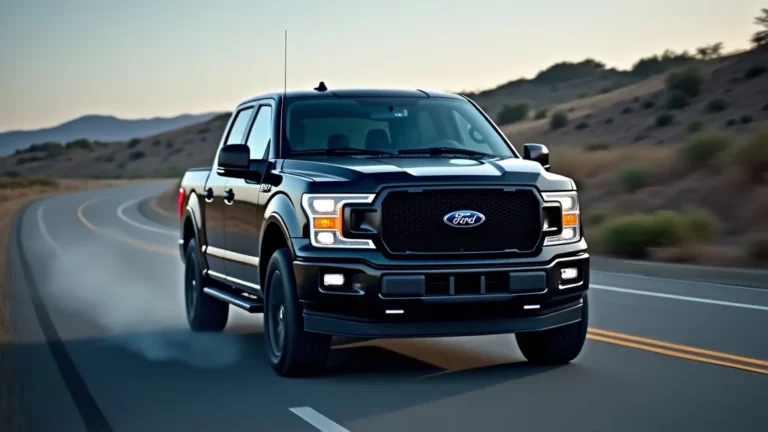
What Causes F150 Belt Squeal After Rain: Causes and Solutions
If you’re wondering what causes f150 belt squeal after rain, you’re not alone. It’s a pretty common issue for truck owners, especially after a good downpour. This can be challenging for those just getting started with vehicle maintenance, since it can sometimes be tough to pinpoint the source of the noise. But don’t worry! We’ll explore the main reasons why your F150 belts might squeal when wet, and we’ll walk through simple steps you can take to fix it. We’ll start with the most likely culprits and show you how to find the problem.
Why Belts Squeal When Wet
The main reason for belt squealing after rain is simple: water. When water gets onto the belts, it reduces the friction between the belt and the pulleys. This loss of friction causes the belt to slip, which results in that annoying squealing sound. The squeal is usually more noticeable when starting the engine or when the engine is under a heavier load, like when the air conditioning is running. This problem is further compounded by the type of belts and the pulley materials used in vehicles.
Types of Belts and Their Reaction to Moisture
Your F150 relies on a few different belts to run essential components. The most common type is a serpentine belt, a single, long belt that powers several accessories, including the alternator, power steering pump, air conditioning compressor, and water pump. There are also usually separate belts for the air conditioning compressor. The material and design of these belts play a significant role in how they react to water. Belts are typically made from rubber compounds reinforced with fabric cords. Some belts also have a ribbed design to increase surface area and improve grip. When these belts get wet, the water acts as a lubricant, reducing friction, and leading to the squealing. Other belts may be made of different materials, but the reaction to moisture is mostly similar, leading to the same frustrating squeal.
- Serpentine Belts: These belts are designed to twist and turn around multiple pulleys. Their contact with so many surfaces makes them particularly susceptible to water. The grooves in the belt, meant to enhance grip, can also trap water.
- V-Belts: These belts have a V-shape and are generally found on older vehicles. While less common in modern F150s, they can also squeal when wet. The V-shape helps with grip, but water can still cause slippage.
- Timing Belts: These belts are crucial for engine timing and are usually enclosed within the engine. Water rarely gets to them directly, so they are less prone to squealing compared to external belts.
In addition to the type of belt, it’s also important to consider the materials of the pulleys. Pulleys are typically made from steel, aluminum, or plastic. The condition of the pulleys themselves can also contribute to the problem. If a pulley is rusty or has a rough surface, it can further reduce the belt’s grip, making the squealing worse when wet. The interaction between the belt material, pulley material, and moisture is the main driver of belt squeal. A belt that is old, worn, or incorrectly tensioned is more likely to squeal when it gets wet, regardless of the pulley material.
The Role of Belt Tension and Alignment
Belt tension is crucial for a properly functioning belt system. If a belt is too loose, it will slip more easily, and the squealing will be more prominent. The tension is usually maintained by an automatic belt tensioner, which applies the correct pressure to keep the belt snug. However, tensioners can wear out over time, losing their ability to keep the belt tight. Furthermore, the alignment of the belt and pulleys is also essential. If the pulleys are misaligned, the belt will rub against the sides of the pulleys, causing wear and increasing the chance of slipping, especially when wet.
- Proper Tension: A belt that is too loose will squeal more easily. Check the belt tension using a tension gauge or by pushing on the belt between pulleys.
- Automatic Belt Tensioner: This device helps maintain the correct belt tension. If it fails, the belt may slip. Check for wear and tear, and replace it if needed.
- Pulley Alignment: Make sure all pulleys are aligned with each other. Misalignment can cause the belt to rub, leading to squealing and premature wear.
The combination of these factors – belt tension and alignment – is important for the health of your truck’s belt system. A well-tensioned and properly aligned belt is less likely to squeal, even when wet. Regular checks and maintenance can help prevent belt squeal and extend the life of your belts. A properly installed and aligned belt system will work smoothly, and the driver won’t be annoyed by the squealing sounds. It’s a simple thing to check, and it can save you from a lot of frustration and potential problems down the line.
Common Causes of F150 Belt Squeal After Rain
Several factors can lead to belt squealing, even after a minor rain shower. Some are more obvious than others, but figuring out these causes helps you fix the issue. We’ll explore the common culprits and provide insights into what you can do to address them. These causes often work together, making the problem more noticeable.
Worn or Damaged Belts
Over time, belts degrade. They crack, glaze, and lose flexibility. This deterioration affects the belt’s ability to grip the pulleys, making squealing more likely. Regular inspections are critical to catch these issues before they cause problems. Worn belts can also lead to more serious issues, such as loss of power to critical components, like the water pump or alternator.
- Cracking: Small cracks in the belt indicate it is drying out and losing its grip. Look closely at the belt’s surface.
- Glazing: A shiny, smooth surface on the belt means it is not gripping the pulleys properly. This often happens because of heat and friction.
- Hardening: Over time, belts can become stiff. This reduces their ability to conform to the pulleys and increases slippage.
The effects of a damaged or worn belt are fairly obvious. If the belt breaks while you are driving, you could experience a loss of power steering, overheating, or a dead battery. It’s always better to replace belts preventatively, according to the manufacturer’s recommended service intervals. This is a simple and inexpensive maintenance task that can prevent bigger problems in the long run. In addition, worn belts can damage other components, such as the pulleys. Replace them before these problems show up, and it’ll save money and prevent headaches.
Contamination and Debris
Belts can also squeal because of contamination. Oil, coolant, or other fluids can get on the belts, reducing friction. Debris such as leaves, dirt, or road salt can also get trapped in the belt system, causing slippage and noise. Keeping your engine bay clean and checking for leaks are essential to preventing this issue. These contaminants change the way the belt interacts with the pulleys, making squealing more likely.
- Oil Contamination: Oil leaks from the engine or other components can get on the belt and reduce friction. Find and fix any oil leaks.
- Coolant Contamination: Coolant leaks can also cause the belt to squeal. Check your coolant system for leaks.
- Debris: Dirt, leaves, and other debris can get trapped in the belt system and cause noise and wear. Keep the area clean.
Keeping the engine bay clean can make a big difference. Wash it or wipe it down regularly. A clean engine bay makes it easier to spot leaks and other issues before they cause problems. If you suspect your belt is contaminated, it’s best to clean it. You can do this by using a belt dressing product, which is designed to remove contaminants and improve grip. Regular cleaning and inspections are the best defense against contamination-related squealing.
Misaligned Pulleys and Tensioner Issues
If the pulleys are not aligned, or the tensioner is not working correctly, it can lead to belt slippage and squealing. The tensioner maintains the correct pressure on the belt, and when it fails, the belt can become too loose or too tight. Misaligned pulleys can cause the belt to rub and wear unevenly. Checking and adjusting these components will ensure the belt operates correctly.
- Pulley Misalignment: Pulleys should be perfectly aligned. Use a straight edge to check.
- Tensioner Failure: The tensioner maintains the correct belt tension. If it fails, the belt may slip. Check for wear and replace if needed.
- Worn Bearings: Worn bearings in pulleys can cause the belt to wobble, increasing the chance of slipping. Check for roughness or noise.
Checking the pulleys is a simple task that can prevent bigger problems. Make sure the belt aligns with the grooves on the pulleys. The tensioner should move freely and provide the right amount of pressure. A faulty tensioner can also cause the belt to wear out prematurely. Make sure the bearing of the pulley is in good condition, and that they spin freely without any noise. Regular checks, adjustments, and replacement of any faulty components will ensure smooth, quiet operation.
Troubleshooting F150 Belt Squeal Issues
Once you’ve identified what causes f150 belt squeal after rain, the next step is to troubleshoot the issue. This involves some simple steps you can take to diagnose the problem. This guide will provide information to help you pinpoint the exact reason your belts are squealing.
Visual Inspection and Diagnosis
A visual check is the first step in diagnosing belt squeal. Carefully examine the belt, pulleys, and tensioner for any signs of wear, damage, or misalignment. You can often spot the problem by simply looking at the components. A flashlight will help you get a better view, especially in darker areas. The visual inspection can save you from unnecessary repairs.
- Check the Belt: Look for cracks, glazing, or fraying. Any of these issues means the belt needs to be replaced.
- Examine Pulleys: Check for rust, damage, or misalignment. Spin each pulley by hand to check for smooth operation.
- Inspect Tensioner: Make sure the tensioner moves freely and provides the correct tension. Look for any signs of wear or failure.
It’s important to know the condition of the belts, pulleys, and tensioner. If you find any issues, address them promptly. By carefully examining these components, you can often identify the cause of the squealing. Visual inspection is the most basic, and typically the first, troubleshooting step. Don’t ignore any signs of wear or damage. This can prevent bigger problems in the future. The visual inspection will also help you determine if you need to perform additional tests or seek professional assistance.
Performing a Water Test
A simple water test can often help confirm whether moisture is causing the belt squeal. With the engine running, spray a small amount of water onto the belt. If the squealing stops or reduces, it confirms that moisture is the issue. If the squealing continues, it might indicate another problem. This test is helpful because it pinpoints the effect of water on the belt’s performance.
- Safety First: Be careful when working around a running engine. Keep hands and clothing away from moving parts.
- Spray Water: Use a spray bottle and lightly spray water onto the belt while the engine is running.
- Listen for Changes: If the squealing stops or decreases when wet, the belt is likely the problem. If the noise persists, it may be something else.
The water test is a simple way to confirm the source of the noise. If the squealing changes when wet, it means water is playing a part. This test can help you narrow down the issue. If the water test doesn’t change the sound, then the problem lies somewhere else. If the belt is the problem, consider the condition of the belt. The water test is a quick and effective tool to help you identify the root cause of the belt squeal.
Using Belt Dressing
Belt dressing is a product designed to improve grip and reduce squealing. Applying belt dressing can help diagnose the issue and temporarily solve the squealing problem. If the squealing stops after applying belt dressing, it means the belt is likely the cause. However, belt dressing is not a permanent fix, so it’s a diagnostic tool, not a solution. The application of belt dressing provides immediate insight into the problem.
- Apply Carefully: Spray belt dressing onto the belt while the engine is running, following the product’s instructions.
- Listen for Results: If the squealing stops or reduces, it suggests the belt is slipping. However, it’s not a long-term fix.
- Address the Cause: Belt dressing offers a temporary fix, but the root cause of the squealing should still be addressed. Inspect the belt and pulleys.
Belt dressing can be a helpful diagnostic tool, especially if you suspect moisture or slippage. If the dressing helps, it confirms the belt is the source of the problem. Belt dressing offers a quick and easy solution, allowing you to troubleshoot the issue further. Belt dressing is a good solution to use while you’re waiting for replacement parts. It’s also useful for temporarily stopping the squeal, especially in wet weather.
Fixing Belt Squeal Issues
Once you know what causes f150 belt squeal after rain, the next step is fixing it. These fixes vary, depending on what caused the squealing. Depending on the issue, some fixes are easier than others. The following will provide information on the most common repairs.
Belt Replacement
If the belt is worn, cracked, or glazed, the best fix is
- Gather Supplies: You’ll need a new belt, a wrench, and possibly a belt tensioner tool.
- Remove the Old Belt: Loosen the tensioner and remove the old belt. Note the routing, or take a picture.
- Install the New Belt: Route the new belt around the pulleys, making sure it follows the same path as the old one. Tighten the tensioner.
Belt replacement is a common maintenance task, and it’s essential for preventing more significant problems. By replacing the belt, you prevent potential damage to other components. It’s important to select a high-quality replacement belt that meets your vehicle’s specifications. Replacement of the belt will eliminate the squealing and restore the proper function of your vehicle’s accessories. Belt replacement is typically an easy fix for experienced owners, and it can save you money compared to taking it to a mechanic.
Cleaning and Lubrication
If the belt is contaminated with oil, coolant, or debris, cleaning it might resolve the squealing. You can clean the belt using a degreaser or soapy water. Apply the cleaner, wipe the belt, and then rinse it. If the pulleys are rusty or dirty, clean them as well. Lubricating the pulleys with a small amount of a suitable lubricant can also help improve performance. Make sure to use the right lubricant and avoid excessive application.
- Clean the Belt: Use a degreaser or soapy water and a cloth to clean the belt.
- Clean the Pulleys: Use a wire brush or sandpaper to remove rust or debris from the pulleys.
- Lubricate Carefully: Apply a small amount of lubricant to the pulley bearings, if needed.
Cleaning and lubricating the belt system is a good maintenance step. Clean belts and pulleys will work more efficiently. By getting rid of contaminants, you reduce the chances of slippage and squealing. Be careful with any lubricant. Always follow the manufacturer’s recommendations. Cleaning and lubrication will enhance the performance and lifespan of your belt system. A cleaner belt system will reduce the likelihood of future problems, and regular maintenance can prevent issues from recurring.
Tensioner and Pulley Repair or Replacement
If the tensioner or pulleys are causing the squealing, they will need to be repaired or replaced. A faulty tensioner can cause the belt to slip, and worn pulleys can lead to wear and noise. Replacing these components can resolve the squealing. The work can be a little more involved, depending on where the components are located. Before you start, be sure to have the correct tools and knowledge.
- Tensioner Replacement: Replace the tensioner if it is worn or not working correctly.
- Pulley
- Check Belt Alignment: Ensure all pulleys are aligned after replacement.
Replacing the tensioner or pulleys can solve persistent belt squealing issues. Regular maintenance can extend the life of these components. By making repairs, you will avoid future problems. While this might be a little more complex than a belt replacement, this can resolve the squealing. The proper function of your truck’s belt system will be restored, improving your vehicle’s operation and performance. The investment in these components can improve the lifespan of your vehicle’s belt system, and regular maintenance can minimize future problems.
Preventing Future Belt Squeal After Rain
Once you’ve solved the belt squeal problem, you can take steps to prevent it from happening again. Preventive maintenance is key to keeping your F150’s belt system running smoothly. Consistent care helps prevent problems before they start.
Regular Belt Inspections
Regular inspections are essential for maintaining the health of your F150’s belt system. Check the belts every few months, or with every oil change. Look for cracks, glazing, or wear. Check the pulleys and tensioner for any signs of damage or misalignment. Catching these problems early can prevent more significant and expensive repairs. Regular inspections can also catch any other issues before they become serious.
- Frequency: Inspect belts every few months or with every oil change.
- What to Look For: Check for cracks, glazing, or wear.
- Check Pulleys: Check for proper alignment and condition.
Regular inspections help identify potential problems before they lead to belt squeal or other issues. You can identify problems and take action before they cause major issues. Regular inspection can also help you stay ahead of any issues and prevent costly repairs. By dedicating a few minutes to check your belts, you can potentially save time and money. Inspections are an easy and inexpensive preventive step to make sure your truck runs properly.
Maintaining Cleanliness
Keeping the engine bay clean can prevent many belt-related problems. Dirt, oil, and other contaminants can damage belts and cause squealing. Wash the engine bay regularly, and wipe up any spills. Make sure to check for any leaks. Regular cleaning can help your truck’s belt system function properly. Maintaining a clean engine bay also makes it easier to spot potential issues before they cause problems.
- Regular Washing: Wash the engine bay regularly.
- Wipe Up Spills: Clean up any oil, coolant, or other spills.
- Check for Leaks: Inspect for any leaks from the engine or other components.
Keeping your engine bay clean is a simple and effective step that can prevent squealing issues and extend the life of your belts. Washing your engine bay regularly can remove dirt and debris that can contaminate the belt system. By keeping your engine bay clean, you improve the reliability of your F150 and make maintenance easier. The engine will perform efficiently and reduce maintenance costs.
Ensuring Proper Belt Tension and Alignment
Maintaining proper belt tension and alignment is crucial for preventing belt squeal. Make sure the belt tensioner is working correctly and providing the right tension. Verify that the pulleys are aligned. Periodic adjustments may be needed to ensure proper function. Ensuring these things will help keep the system running smoothly. It also avoids premature wear and tear.
- Check Tension: Make sure the belt tension is correct.
- Check Alignment: Ensure the pulleys are aligned with each other.
- Regular Adjustments: Make any needed adjustments to ensure smooth operation.
Ensuring proper belt tension and alignment is a critical step in preventing belt squeal and extending the life of your F150’s belt system. Correct tension ensures the belt grips the pulleys properly and avoids slippage. Accurate alignment prevents the belt from rubbing against the edges of the pulleys, which can cause wear and tear. Make regular checks of belt tension and pulley alignment. Taking these steps will help you avoid problems in the future. By maintaining proper tension and alignment, you’re investing in your truck’s reliability and performance. This will prevent problems and help you drive with confidence.
Frequently Asked Questions
Question: What causes belt squealing after rain?
Answer: Belt squealing after rain is usually caused by water reducing the friction between the belt and pulleys, causing slippage.
Question: How can I tell if my belt is worn?
Answer: Look for cracks, glazing (a shiny surface), or fraying on the belt. These indicate the belt needs replacement.
Question: Can I use belt dressing to fix the squeal?
Answer: Yes, belt dressing can often stop the squealing temporarily, but it’s a diagnostic tool, not a permanent fix. You still need to address the underlying cause.
Question: What’s the best way to prevent belt squeal in the future?
Answer: Regular belt inspections, keeping the engine bay clean, and ensuring proper belt tension and alignment are all key.
Question: How often should I replace my belts?
Answer: Follow your truck’s owner’s manual for recommended intervals. Generally, it’s a good idea to replace the belts every 3 to 5 years, or around 60,000 to 100,000 miles.
Final Thoughts
So, you’ve discovered what causes f150 belt squeal after rain and explored how to fix it. We’ve covered everything from simple fixes, like checking your belts, to more involved tasks like cleaning up and replacing components. You learned that the main culprit is water, which reduces friction and causes slippage, leading to that annoying squeal. You now understand how to diagnose the issue with visual inspections and a simple water test. The solution often comes down to replacing a worn belt, cleaning away dirt, or fixing misaligned pulleys. Remember that regular inspections, keeping your engine bay clean, and ensuring the right belt tension will keep this from happening again. With these simple tips, you can keep your F150 running smoothly, rain or shine. Now you’re equipped to handle this common issue!