How to Resolve F150 Transmission Shudder: A Simple Guide
If you’re experiencing a shudder in your Ford F150, you’re not alone. It’s a fairly common issue, and for someone new to car repair, it can seem tricky. Don’t worry, though; it’s often fixable without major drama. This guide will walk you through how to fix f150 transmission shudder in straightforward steps. We’ll explore the causes and offer simple solutions to help you get your truck running smoothly again. We’ll start by exploring the initial signs of transmission troubles.
Spotting the Early Signs of Transmission Trouble
Identifying the early warning signals of transmission problems can prevent more serious damage and expensive repairs down the road. Catching these issues early is like getting a head start in a race. Often, a shudder or vibration is the first indication that something isn’t quite right. It usually happens when the transmission is shifting gears, particularly between gears at lower speeds or when the engine is under load, like going uphill.
Recognizing the Shudder Sensation
The shudder itself feels like a brief, repeated vibration, as if you’re driving over a series of small bumps. It might be subtle at first, but it can worsen over time. This can feel like a quick series of bumps or a brief shaking sensation that you will feel in the cabin of your F150. You may also notice it in the steering wheel or even through the floor of the vehicle. Sometimes, the shudder happens briefly, and other times, it could last for several seconds. If you’re encountering such symptoms, then this section is relevant to you.
- Vibration Frequency: The frequency, or how often the vibration happens, is another clue. Does it occur every time you accelerate, or only under specific conditions, like when the engine is warm? Take notes on when it occurs to help diagnose the issue.
- Gear-Specific Shudder: Note which gears are affected. The shudder could be most noticeable when the transmission shifts from first to second or third gear, revealing potential issues with particular parts like the torque converter.
- Severity Over Time: Observe if the vibration worsens. If a slight shudder becomes more intense or more frequent over time, it’s a sign that the problem is escalating and needs attention.
- RPM Impact: Sometimes, the shudder is related to the engine’s RPM. It might occur at a specific RPM range, pointing to a potential issue with engine components that interact with the transmission.
- Load-Related Shudder: Does the shudder happen more when your truck is carrying a load or going uphill? This could indicate that the transmission is struggling under stress, possibly due to a slipping torque converter or low fluid levels.
The Importance of Fluid Condition
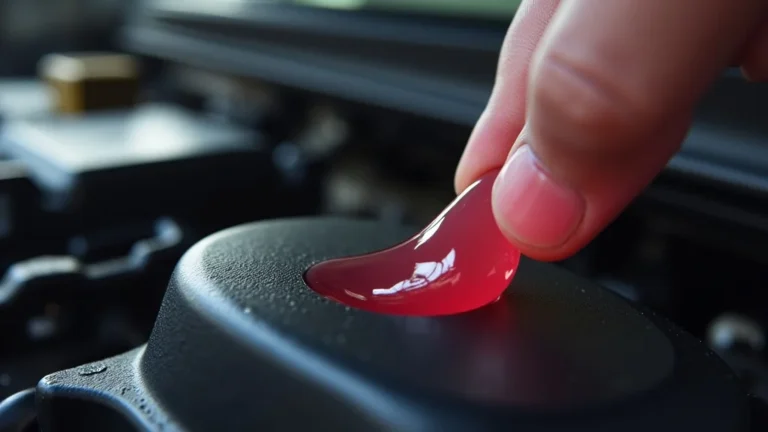
The transmission fluid plays a vital role in keeping everything running smoothly. Think of it as the lifeblood of your transmission. It lubricates moving parts, cools the transmission, and helps transmit power. Checking the fluid condition regularly can offer important clues. Check its color, if it’s brown or dark red, or has a burnt smell, these are all signs of trouble. It might mean the fluid has broken down, which can lead to wear and tear. Low fluid levels can also cause problems, so it’s essential to monitor the levels regularly.
Other Warning Signs to Watch For
Besides the shudder, there are other indicators of transmission issues. Pay attention to how the truck shifts. Does it hesitate, slip, or make unusual noises when changing gears? Hesitation means there is a delay when you step on the gas pedal. Slipping feels like the engine revs up, but the truck doesn’t accelerate properly. Unusual noises can include whining, clunking, or grinding sounds. Also, check for leaks under your truck. Transmission fluid is usually red or brown and can indicate a problem.
Simple Steps for Diagnosing Transmission Shudder
Now that you’ve got an idea of the symptoms, let’s explore the process to diagnose the shudder. Proper diagnosis is crucial to finding the right solution. You don’t want to fix the wrong part and waste time and money. Here are some simple steps you can take to figure out what’s causing the problem, which will make fixing the shudder much easier. We will start with a basic visual inspection, which can often uncover problems immediately.
Visual Examination and Fluid Check
Start with a good visual inspection. Get under the truck and look for any signs of leaks around the transmission. Leaks can be a serious issue. Also, inspect the transmission fluid. Pull out the dipstick, wipe it clean, and reinsert it. Remove it and check the level and the color of the fluid. The fluid should be clean and not smell burnt. Check the surrounding area around the transmission for any indications of leakage.
- Check the Fluid Level: The fluid level should be between the minimum and maximum marks on the dipstick. If it’s low, you may have a leak.
- Assess Fluid Color: The fluid should be a clear reddish color. If it’s dark brown or black, it’s likely overheated or contaminated, indicating a problem.
- Sniff for Odors: If the fluid smells burnt, that’s a red flag. It means the transmission has been running too hot, causing damage.
- Inspect the Pan: The transmission pan is at the bottom of the transmission and may have a drain plug. Look for any metal shavings or debris in the pan, as this indicates internal wear.
- Look for Leaks: Check around the transmission, including the pan gasket, seals, and cooler lines, for leaks. Leaks reduce fluid levels and cause problems.
Check the Engine for Misfires
Engine misfires can sometimes feel like a transmission shudder. When an engine misfires, the engine doesn’t fire correctly, causing uneven power delivery. The transmission will feel the effects of this, which can seem like it’s the transmission causing the shudder. Use an OBD-II scanner to read any trouble codes from the engine’s computer. The scanner may show if there is an engine misfire or other engine-related issues. If your scanner detects misfires, you need to fix the engine problem first. After you resolve any engine issues, then address the transmission.
Road Testing to Pinpoint the Problem
Taking your truck for a road test is essential to pinpoint the conditions when the shudder happens. Drive your truck on various road surfaces and at different speeds. Does the shudder occur when you accelerate, decelerate, or maintain a constant speed? Write down when the shudder happens to determine the root cause of the shudder. Consider whether the issue appears at particular speeds or on inclines. This testing provides valuable insight to help you determine the specific conditions that trigger the shudder, which helps determine the root cause.
Addressing Common Causes and Solutions for Shudder
Once you’ve done your initial checks, you can start addressing the common causes. These steps will help you determine the cause of the issue and how to resolve it. The next step will include an assessment of the torque converter and other key components, such as transmission fluid. Each of these components has a specific role, and when they fail, they will cause a shudder.
Torque Converter Problems and Fixes
A faulty torque converter is a leading cause of transmission shudder. The torque converter is connected to the engine and the transmission, and it helps transfer power from the engine to the transmission. If it is malfunctioning, it can cause a shudder. This problem is similar to a clutch slipping in a manual transmission. The converter may not be locking up correctly, leading to the shudder you feel. Here are some of the actions to take when addressing the torque converter.
- Torque Converter Lockup: The torque converter “locks up” at certain speeds to improve fuel efficiency and performance. A problem with the lockup mechanism can cause a shudder. In modern transmissions, the lockup clutch is controlled by the powertrain control module (PCM). When the clutch does not engage or disengage correctly, the shudder occurs.
- Inspect the Torque Converter: Inspecting the torque converter involves looking for internal damage, wear, or debris. This can be done by removing the transmission pan and looking for metal particles in the fluid or the pan.
- Fluid Flush and Additives: A transmission fluid flush can sometimes help with a shudder. The flush will remove any debris in the system and help the torque converter operate. Additives that reduce friction and improve clutch performance can sometimes reduce the shudder.
- Torque Converter Replacement: In many cases, the best fix is to replace the torque converter. This is a more involved repair, requiring removing the transmission. A new or rebuilt torque converter will restore proper function.
- Professional Evaluation: Have a professional technician diagnose and fix the torque converter. They have specialized equipment to test the converter and can replace it if needed.
Fluid and Filter Considerations
Transmission fluid is essential to your transmission’s health, and the filter keeps the fluid clean. If the fluid is old or dirty, it won’t properly lubricate the transmission components. This can cause various problems, including the shudder. The filter captures any dirt and debris that could damage your transmission. Replacing the fluid and filter at the right time is important maintenance for your F150. Follow the steps below when maintaining your transmission fluid.
- Use the Right Fluid: Be sure to use the proper type of transmission fluid that is recommended for your F150 model. Using the wrong fluid could cause damage to your transmission. It’s listed in your owner’s manual.
- Fluid Flush: A transmission flush can help clean the system and remove any debris that has built up over time. This can improve the transmission’s function and potentially reduce shudder. Be sure to use a high-quality flush service.
- Regular Filter Replacement: Replace the transmission filter as recommended in your owner’s manual. Doing this on schedule will ensure the filter can capture any debris and keep your fluid clean. This will ensure your transmission components have clean fluid.
- Fluid Level Checks: Regularly check your transmission fluid level. This will allow you to catch any fluid leaks. Proper fluid levels are key to the transmission working as it should.
- Professional Service: Consider having a professional conduct your fluid flush or filter replacement. They can ensure the right fluid is used and avoid complications.
Other Potential Causes and How to Address Them
While the torque converter is a common problem, other parts of the transmission and engine could cause a shudder. These issues are often less common but still worth considering. For example, a worn valve body can disrupt the transmission’s shifting patterns. An issue with the engine, such as a misfire, can also feel like a transmission problem. Always review the full picture. Diagnosing is essential to ensuring you’ve fixed the real issue.
- Valve Body Issues: The valve body controls the flow of transmission fluid. Wear or problems with the valve body can affect the shifting of the gears. This can often cause a shudder.
- Engine Misfires: As mentioned earlier, a misfire can feel like a transmission shudder. The engine could be delivering uneven power to the transmission. Be sure to check your engine for misfires with an OBD-II scanner.
- Driveline Problems: Problems with the driveshaft, U-joints, or other driveline components can lead to vibrations. In some cases, the vibrations might feel like a shudder.
- Transmission Mounts: Worn or broken transmission mounts can also contribute to vibrations. Over time, these mounts can deteriorate, leading to vibrations that are felt in the cabin.
- PCM Issues: The powertrain control module (PCM) controls several transmission functions. Problems with the PCM can cause problems with the transmission.
According to CarMD’s 2023 Vehicle Health Index, the average cost to fix transmission problems is between $1,500 and $4,000, depending on the severity of the problem. This makes it important to diagnose the issue early.
Advanced Repairs and When to Seek Professional Help
Some transmission issues are too difficult to fix at home, and that is okay. You might consider professional help for more complex problems, such as internal transmission repairs. If the problems involve any parts that require special tools or knowledge, you might want to call in the experts. Don’t worry, there are several options you have when dealing with more difficult transmission issues.
Internal Transmission Work
Internal work involves the inside components of the transmission, such as gears, clutch packs, and bands. These repairs require special tools and knowledge to do correctly. If your diagnostic testing finds a problem with any of these parts, then consult a professional. Attempting to fix these yourself can be risky and may make problems worse. A certified mechanic can diagnose and repair the transmission to ensure the best outcome.
Transmission Rebuilds and Replacements
If the transmission is badly damaged, a rebuild or
Choosing a Reputable Mechanic
When selecting a mechanic, do your research. Read reviews, and ask for recommendations from people you trust. Make sure the mechanic has experience with transmissions, especially those in Ford F150s. A mechanic with certifications is a great sign. Once you select a mechanic, they will use their knowledge to examine your transmission and address the source of the shudder.
According to a 2022 survey by the Automotive Aftermarket Suppliers Association, nearly 70% of vehicle owners are concerned about finding a trustworthy mechanic. It is always wise to take the time to find a mechanic you trust.
Frequently Asked Questions
Question: What does a transmission shudder feel like?
Answer: It feels like a brief, repeated vibration. It often happens when the transmission is shifting gears.
Question: What are the main causes of transmission shudder?
Answer: A failing torque converter or dirty transmission fluid are common causes.
Question: Can I fix the transmission shudder myself?
Answer: Some things, like fluid changes, are easy. But, major repairs may need a professional.
Question: How often should I change my transmission fluid?
Answer: Check your owner’s manual for the recommended interval. Usually, it’s every 30,000 to 60,000 miles.
Question: What should I do if the shudder gets worse?
Answer: Get it checked by a mechanic as soon as possible to avoid major damage.
Final Thoughts
Knowing how to fix f150 transmission shudder involves understanding the different causes of the problem and how to address each one. Begin with basic checks like the fluid level and color and then move on to diagnosing the transmission with a test drive. You can often resolve issues such as a faulty torque converter or dirty fluid with a flush or