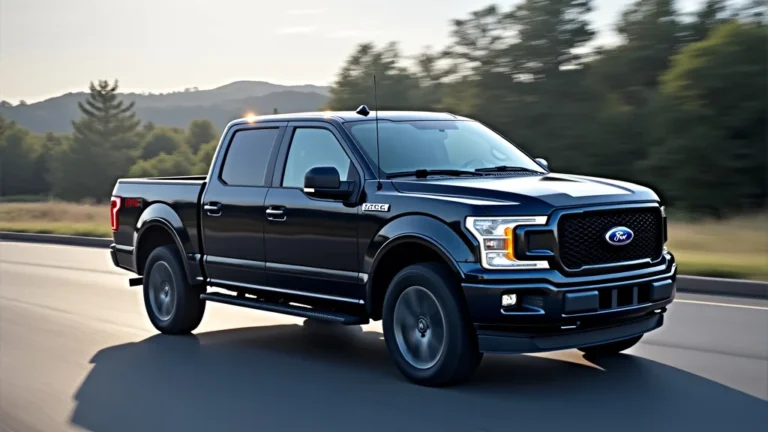
Why F-150s Drift: Diagnosing and Fixing Pulling Problems
If you’re wondering why my f150 pulls to the right, you’re not alone! It’s a common issue that can be frustrating, especially for anyone new to truck maintenance. This can sometimes feel like a tough problem to solve, but don’t worry. We’re going to break down the most common reasons and give you a simple, step-by-step way to find the fix. You’ll soon see that figuring out what’s causing your truck to drift isn’t as hard as you think. Next, we’ll get into the details.
Wheel Alignment Problems
One of the most frequent causes of a vehicle pulling to one side is a problem with the wheel alignment. Alignment refers to the angles of your vehicle’s wheels. These angles affect how your tires contact the road. When the alignment is off, it can cause uneven tire wear, reduced fuel efficiency, and, of course, a pull to the right or left. There are several angles that are checked during an alignment, including toe, camber, and caster. Even small changes in these angles can have a big effect on how your truck drives.
Toe Angle Issues
Toe angle is the direction the wheels point in relation to each other when viewed from above. When the wheels are pointed inward, towards the center of the vehicle, it’s called toe-in. If they point outward, it’s toe-out. The correct toe setting is essential for straight-line driving. If the toe angle is off on one or both front wheels, it can cause your F-150 to pull to one side. For example, excessive toe-in on the right front wheel could make the truck want to drift right, as the wheel is essentially trying to steer that direction.
- What Toe-In Does: Toe-in can help with stability, especially in rear-wheel-drive vehicles. It can also reduce tire wear.
- How Toe-Out Impacts Steering: Toe-out usually makes the truck more responsive to steering inputs, but if it is too extreme it can create wandering.
- Importance of Proper Adjustment: Proper toe adjustment will allow your vehicle to travel smoothly and avoid issues when driving.
Camber Angle Problems
Camber angle is the inward or outward tilt of the wheels when viewed from the front. If the top of the tire leans outward, it’s positive camber. If the top leans inward, it’s negative camber. While a small amount of camber is normal, especially when the truck is loaded, too much can cause a pull. Uneven camber angles from left to right can make the vehicle pull toward the side with more positive camber. This might mean the wheels aren’t perpendicular to the road, leading the vehicle to lean or pull to a side.
- How Camber Affects Tire Wear: Incorrect camber will cause uneven tire wear. If you notice one side of your tire wearing more quickly than the other, camber might be the issue.
- Why It’s Important: Keeping the camber angle within the recommended range is vital for vehicle stability.
- Signs of Trouble: If your truck pulls to one side and you see unusual tire wear on the inner or outer edges, check your camber angle.
Caster Angle Role
Caster angle is the angle of the steering axis when viewed from the side. It’s the angle of a line drawn through the upper and lower ball joints (or the kingpin on older vehicles). Positive caster means the top of the steering axis is tilted backward. Negative caster means it’s tilted forward. Caster affects steering stability and how the steering wheel returns to the center after a turn. Uneven caster angles from side to side can cause the vehicle to drift. If the right side has more positive caster than the left, it could cause a rightward pull.
- Benefits of Positive Caster: Positive caster provides better straight-line stability and steering return.
- Effects of Negative Caster: Negative caster can make steering lighter, but it can make the truck less stable.
- Checking for Problems: Caster problems are often noticed as wandering or a feeling that the steering isn’t returning to the center well.
Tire Issues and Their Impact
Your tires are the key contact points between your truck and the road. The condition and characteristics of your tires can play a significant role in why your F-150 pulls to the right. Tire issues are very common, and often the first thing to check when you notice a problem. Different tire types, uneven inflation, and even manufacturing defects can all cause a vehicle to pull to one side. By looking closely at your tires, you can often identify a cause for the drifting.
Tire Pressure Troubles
Uneven tire pressure is a common, and often overlooked, cause. Even a small difference in pressure between your tires can lead to a noticeable pull. For example, if the right front tire has significantly less air pressure than the left front, your truck may pull to the right. This is because the under-inflated tire has more rolling resistance, making it harder to move forward, and thus making the vehicle seem to drift that direction. Checking and correcting tire pressure is a quick and easy first step when you notice a problem.
- Importance of Checking Pressure: Checking your tires’ pressure regularly is critical for safety and efficiency.
- How Pressure Differences Cause Pulling: The tire with lower pressure has more rolling resistance, making it “drag” and causing the vehicle to pull.
- Addressing Pressure Issues: Use a tire pressure gauge and fill your tires to the recommended pressure found on a sticker on your driver’s side door or in your owner’s manual.
Tire Wear and Tear
Uneven tire wear can be another cause for your truck to pull to the right. As tires wear, they can develop uneven wear patterns, such as more wear on one side than the other. If the right front tire has significantly more wear than the left front, it can cause the vehicle to pull to the right. Wear patterns are often linked to alignment issues, but it’s important to inspect your tires regularly. If the tread is wearing unevenly, or if you see bald spots, the tires might be contributing to the pulling problem.
- What to Look For: Check your tires for uneven wear, such as more wear on one side of the tire or a bald spot.
- How Tire Wear Causes Pulling: Uneven wear changes the tire’s shape and contact with the road, leading to a pull.
- How to Remedy Tire Wear: Regularly rotate your tires to ensure wear is even, and replace tires when the tread is worn down.
Tire Size and Type
Using different tire sizes or types on your F-150 can also cause pulling. For example, if you have a larger tire on the right front than the left front, the vehicle might drift right. Also, mixing tire types (such as a performance tire on one side and an all-season tire on the other) can impact handling and cause the vehicle to pull. Different tires have different rolling resistances and grip levels, which can impact how your vehicle drives. This is why it’s very important to use the same size and type of tire on all four wheels. If you’re wondering why my f150 pulls to the right, this is often a common issue.
- Why Tire Size Matters: Using different sizes can affect handling and cause pulling.
- Mixing Tire Types: Mixing tires can lead to a noticeable difference in grip and rolling resistance.
- Finding the Right Tires: Always use tires that match your truck’s specifications.
Brake System Problems
Issues with your brake system can also be the cause of your F-150 drifting to one side. A stuck caliper, a worn brake pad, or a problem with the brake lines can all create a situation where one side of your braking system is working harder than the other. This can cause the vehicle to pull to one side when you’re driving, even if you are not applying the brakes. Checking your brakes regularly is important for safety and performance.
Brake Caliper Troubles
A brake caliper is a part of the braking system that squeezes the brake pads against the rotor to stop the vehicle. If a caliper is sticking or malfunctioning, it can cause the brake pads to drag against the rotor, even when the brakes aren’t being applied. This can create more rolling resistance on one side of the vehicle, resulting in a pull. A stuck caliper on the right side, for example, could cause a rightward pull. You may also notice a burning smell or hear a scraping noise if you have a stuck caliper.
- How a Stuck Caliper Works: When the piston inside the caliper doesn’t retract properly, the brake pad stays in contact with the rotor.
- What to Watch For: Look for a burning smell, squealing noises, or a noticeable decrease in fuel economy.
- Fixing a Stuck Caliper: The caliper may need to be cleaned, rebuilt, or replaced.
Brake Pad Wear
Worn or unevenly worn brake pads can contribute to the vehicle drifting. If the brake pads on one side are significantly thinner than the pads on the other side, the braking force will be uneven. This can cause the vehicle to pull to the side with the more worn pads when you apply the brakes. Regular inspection of your brake pads is key to identifying this issue early. You can often see the brake pads without taking anything apart, so checking them should be part of your normal maintenance.
- Why Brake Pads Wear: Brake pads wear down over time due to friction.
- How Worn Pads Cause Pulling: The side with thinner pads will have less braking force, causing a pull.
- Inspection: Check brake pads when you change tires or notice any changes in braking performance.
Brake Line Problems
Brake lines carry brake fluid, and a problem with the lines can cause unequal braking force. If a brake line is blocked or partially blocked on one side, it can restrict the amount of brake fluid reaching the caliper. This will reduce the braking force on that side, potentially causing a pull. Additionally, if there’s a leak in a brake line, it can lead to a loss of brake fluid and reduce braking performance. Always check your brake lines for leaks or any sign of damage. If your truck is drifting to the right, consider this issue.
- Role of Brake Lines: Brake lines are key for delivering brake fluid to the calipers.
- What to Look For: Check for leaks, cracks, or damage in the lines.
- Getting Help: A qualified mechanic can repair or replace damaged brake lines.
Steering System Complications
The steering system is another part to investigate if your F-150 is pulling to one side. Problems within this system can directly impact how your truck drives. Components like the power steering system, steering linkage, and ball joints all work together to control the vehicle’s direction. If there are any issues with these parts, they can lead to a pull. These issues can be caused by wear and tear, damage, or even a lack of maintenance. Addressing steering problems often needs the help of a mechanic.
Power Steering Troubles
A malfunctioning power steering system can cause a pull. If the power steering pump isn’t working correctly, it can lead to uneven steering assist, which can cause the vehicle to feel like it’s pulling to one side. Problems with the power steering system might include leaks, a failing pump, or air in the system. The power steering system helps make turning easier, and any issues can make your truck handle poorly. You might notice heavy steering or hear unusual noises.
- How Power Steering Works: The power steering system provides assistance to make steering easier.
- Signs of Problems: Notice heavy steering, unusual noises, or leaks.
- Maintenance: Check and maintain the power steering fluid as part of regular maintenance.
Steering Linkage Issues
The steering linkage is the system of rods, joints, and other parts that connect the steering wheel to the wheels. Problems with the linkage, like a worn tie rod end or a loose ball joint, can cause the vehicle to drift. These components allow the wheels to turn when you move the steering wheel. If any parts are worn, damaged, or loose, it can impact how the wheels respond to steering inputs, leading to a pull. It’s important to inspect your steering linkage regularly and replace worn parts.
- Components: Includes tie rod ends, ball joints, and other parts that connect the steering wheel to the wheels.
- Identifying Problems: Look for play in the steering or unusual noises.
- Seeking Help: A mechanic can diagnose and replace worn steering linkage components.
Ball Joint Problems
Ball joints are another key part of your vehicle’s steering system. These joints connect the wheels to the suspension and allow for smooth turning and up-and-down movement. If the ball joints are worn or damaged, they can affect how the wheels move and steer, causing a pull. Worn ball joints can affect the alignment, which can worsen the pulling. Regularly checking your ball joints for wear is important for your vehicle’s safety. When your f150 pulls to the right, this can often be overlooked.
- Function of Ball Joints: Connect the wheels to the suspension, enabling smooth turning and movement.
- Signs of Trouble: Look for clunking noises, uneven tire wear, or a pull to one side.
- Regular Checks: Have a mechanic inspect your ball joints during regular maintenance.
Suspension System Factors
The suspension system helps keep your tires in contact with the road, providing a smooth ride. Problems within this system can cause a pull. The suspension includes springs, shocks, struts, and other components that absorb bumps and keep the vehicle stable. Worn or damaged suspension parts can affect your truck’s handling, which can lead to it pulling to the right. Getting the suspension checked often is a good way to identify potential issues.
Worn Shocks or Struts
Shocks and struts are key parts of the suspension system, responsible for controlling the up-and-down movement of the wheels. If shocks or struts are worn, they won’t be able to dampen movement, which can cause the vehicle to drift. Worn shocks or struts can impact how the tires contact the road, and this can cause a pull. If the right side shocks or struts are in worse condition than the left, this can also lead to a rightward pull. You may notice a bouncy ride or hear clunking sounds.
- Purpose of Shocks and Struts: To control the up-and-down movement of the wheels and provide a smooth ride.
- Impact of Wear: Worn shocks or struts can reduce the tires’ contact with the road.
- Maintenance: Have a mechanic inspect your shocks and struts during routine service.
Spring Issues
The springs in your suspension system help support the weight of the vehicle and absorb bumps. Broken or damaged springs can cause uneven ride height and handling issues, including a pull. A broken spring on one side of the vehicle will make that side sag, changing the alignment and leading to a pull. If a spring has lost its shape or is damaged, it can’t provide the correct support, changing how the vehicle handles. Pay attention to issues that indicate springs may be the cause.
- How Springs Work: Springs help support the weight of the vehicle and absorb bumps.
- Identifying Spring Problems: Look for a sagging vehicle, unusual noises, or uneven ride height.
- Getting Help: A mechanic can diagnose and replace broken or damaged springs.
Control Arm Problems
Control arms connect the wheels to the vehicle’s frame. These arms keep the wheels aligned correctly. If the control arms or their bushings are worn or damaged, it can change the wheel’s alignment and cause a pull. Worn bushings allow for too much movement, which can change the angles of the wheels. If the suspension components aren’t moving the way they should, the truck can drift. Look for signs of trouble, such as a clunking noise or uneven tire wear.
- How Control Arms Work: Connect the wheels to the vehicle frame.
- How to Spot Issues: Look for wear or damage to the control arms or bushings.
- Why It Matters: They control wheel alignment.
Real-Life Examples and Scenarios
Here are some examples of real-life situations where the problems above might occur.
- Case Study 1: A Ford F-150 owner noticed their truck began pulling to the right. They took it to a mechanic, who discovered that the right front tire was under-inflated. After inflating the tire to the recommended pressure, the pulling stopped. This is an example of a simple fix that shows the importance of keeping an eye on your tire pressure.
- Case Study 2: A driver found that their truck was drifting to the right after replacing their tires. After taking their truck to a shop, the mechanic noted that the alignment was off. After a new alignment was performed, the truck drove straight again. This highlights the importance of getting a proper alignment after tire replacement to avoid handling problems.
Here are some scenarios to consider:
- You’re driving on the highway and your F-150 starts pulling to the right. You check your tire pressure and find that the right front tire is significantly lower than the others. You inflate it, and the pulling stops.
- You have recently had new tires installed. After getting back on the road, you notice your truck is pulling to the right. You check your tires, and the pressure is correct. You then get an alignment, which fixes the problem.
Frequently Asked Questions
Question: What’s the most common cause of a vehicle pulling to one side?
Answer: Alignment problems are a frequent cause. Issues like incorrect toe, camber, or caster angles can cause your vehicle to drift. Tire pressure and wear also play a big role.
Question: How often should I check my tire pressure?
Answer: Check your tire pressure at least once a month. Also, check before any long trips to ensure your tires are at the recommended pressure for optimal handling and fuel efficiency.
Question: Can different tire sizes or types cause my truck to pull?
Answer: Yes, using different tire sizes or types on your vehicle can cause pulling. Always use the same size and type of tire on all wheels to ensure proper handling and performance.
Question: What should I do if my brakes feel like they’re pulling my truck to one side?
Answer: If you notice your brakes are causing a pull, have your brakes inspected right away. This could point to issues like a stuck caliper, uneven brake pad wear, or problems with your brake lines. These issues can be dangerous and need attention.
Question: How can I prevent suspension issues from causing my truck to pull to the side?
Answer: Regular maintenance and inspections are key. This includes checking shocks, struts, and other components. Get your suspension checked by a mechanic during regular service intervals to catch problems early.
Final Thoughts
Having an F-150 that pulls to the right can be annoying, but figuring out why my f150 pulls to the right is usually possible with a bit of troubleshooting. We’ve explored common reasons like tire pressure, wheel alignment, brakes, and problems within the suspension and steering systems. From the pressure of your tires to potential issues in your brake system, we’ve walked through the key areas to consider. Often, a quick check of your tire pressure or an alignment can solve the problem. More complex issues, like problems with your steering linkage or suspension, might need some professional help from a mechanic. Regular checkups and keeping an eye on your truck’s handling will go a long way in finding any issues and keeping your ride smooth and safe. Take care of your truck, and it will take care of you on the road!