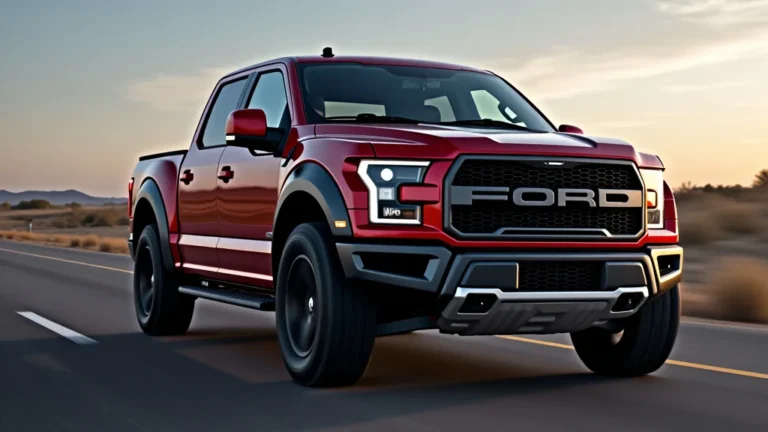
What Is Ford F150 High Output Engine and Its Performance
Figuring out what is Ford F150 high output engine can seem tricky at first. Many people get confused because of technical terms and different engine types. Don’t worry, though! This guide will break it down in a way that’s easy to follow. We’ll explore the engine, its design, and why it’s special. Get ready to learn about one of the most exciting engines in the F-150 family.
Defining the F-150 High Output Engine
The Ford F-150 High Output engine is more than just a standard engine; it’s a powerhouse built for performance. This engine is specifically engineered to deliver increased horsepower and torque compared to typical F-150 engines. It provides enhanced acceleration and the ability to handle demanding tasks such as heavy towing and off-road driving. The High Output engine’s design focuses on maximizing power delivery while retaining the reliability and durability Ford is known for. This engine is designed for people who need extra strength and capability from their truck.
Features That Set It Apart
The F-150 High Output engine isn’t just a basic engine; it’s a marvel of engineering. Several elements make it stand out. These features are put in place to give the best in power and performance. Ford’s goal was to make an engine that could handle all kinds of tasks with ease.
- Enhanced Turbocharging System: The high output engine uses an advanced turbocharging system, typically featuring larger turbochargers, to force more air into the engine’s cylinders. This results in significantly increased power. A turbocharger uses the exhaust gasses from the engine to spin a turbine. The turbine then spins a compressor, which forces more air into the engine, leading to more power. The high output engines often have better turbochargers than the standard engines.
- Upgraded Cooling Systems: To prevent overheating from the increased power, the High Output engine includes upgraded cooling systems. These systems may involve larger radiators, improved intercoolers, and enhanced coolant flow. Intercoolers cool the compressed air from the turbocharger before it enters the engine. This cooler air is denser, leading to better combustion and more power.
- Reinforced Engine Components: The High Output engine’s internal components, like pistons, connecting rods, and crankshafts, are made stronger to manage the increased stress from high power levels. These upgrades ensure the engine’s durability and long-term reliability. Crankshafts are vital for converting the back-and-forth motion of the pistons into the rotational motion that turns the wheels.
- Optimized Engine Management System: A sophisticated engine management system is programmed specifically for the High Output engine. This system finely tunes the engine’s performance by controlling fuel injection, ignition timing, and other key parameters. It ensures the engine runs efficiently and delivers its maximum potential. The Engine Control Unit (ECU) is the “brain” of the engine, constantly adjusting these parameters to ensure everything runs smoothly.
Real-World Performance
The F-150 High Output engine is designed to deliver amazing performance that meets real-world demands. This design makes the F-150 a top choice for those who need a truck that can perform various tasks.
Here’s a comparison that shows the power of the High Output engine:
| Engine Type | Horsepower | Torque |
|---|---|---|
| Standard F-150 Engine | Varies | Varies |
| High Output Engine | 450 hp | 510 lb-ft |
- Towing Heavy Loads: Imagine you need to haul a large travel trailer or a boat. The High Output engine’s high torque allows it to pull heavy loads smoothly and easily. The engine can easily pull up to 10,000 lbs or more, making it perfect for your adventures.
- Off-Road Adventures: When you’re driving on rough terrain, the High Output engine’s power can help you go over obstacles, and handle steep inclines with greater control. It provides the low-end torque needed for difficult situations, so you don’t have to worry.
- Quick Acceleration: If you’re merging onto the highway or need to pass another vehicle, the High Output engine offers quick acceleration. The engine’s responsiveness makes it simple to accelerate from zero to sixty miles per hour quickly, keeping you safe on the road.
The Engineering Behind the Ford F150 High Output Engine
The Ford F-150 High Output engine wasn’t just built; it was carefully engineered with advanced technologies. These technologies contribute to its high performance and reliability. Every aspect, from the materials used to the software controlling the engine, is optimized to deliver peak power and efficiency. This section looks closely at the engineering behind this powerful engine.
Key Design Elements
Several key design elements work together to create the High Output engine. Every detail has been carefully planned to ensure the best performance and durability. This results in an engine that stands out. Let’s look at the important elements that make the High Output engine so special.
- High-Strength Materials: The engine uses high-strength materials, like forged steel for the crankshaft and connecting rods. These components can withstand high pressures and temperatures without breaking down. Forged steel is made by heating and shaping metal under pressure, making it stronger and more reliable than other materials. This is key for the engine’s long-term performance.
- Advanced Turbocharger Technology: Modern turbochargers help the engine deliver impressive power, which is a major part of its design. By forcing more air into the engine, the turbochargers boost the engine’s power output significantly.
- Precision Fuel Injection: This technique makes sure the right amount of fuel is delivered at the right time. This improves the engine’s efficiency and power. This can help with better fuel economy and reduce emissions, making the engine cleaner and more efficient.
- Optimized Cylinder Heads: The cylinder heads are designed to improve airflow into and out of the engine. This makes the combustion process more effective and increases power output.
Innovative Technologies
The High Output engine combines many advanced technologies. These technologies improve efficiency, performance, and durability. Let’s explore the innovations that power this impressive engine.
- Direct Injection: Fuel is injected directly into the cylinders, allowing for precise control over fuel delivery. Direct injection helps to improve both power and fuel efficiency. This can also reduce emissions, making the engine more environmentally friendly.
- Variable Valve Timing: This technology changes the timing of the engine valves, optimizing engine performance across a wide range of operating conditions. Variable Valve Timing (VVT) adjusts the opening and closing of the engine valves, helping the engine run better at different speeds and loads.
- Electronic Engine Management System: This system controls every aspect of the engine’s operation, from fuel injection to ignition timing. This ensures the engine runs at peak performance and efficiency. The system constantly monitors the engine and makes adjustments to keep it running smoothly and efficiently.
- Cylinder Deactivation: In some situations, this feature can shut off certain cylinders to improve fuel economy. When the engine is not working hard, it can automatically shut off some cylinders, saving fuel and reducing emissions.
The Manufacturing Process
Manufacturing the F-150 High Output engine is a precise process that involves many careful steps. From the raw materials to the final assembly, every step is done with great precision to ensure quality and performance. This is how Ford makes sure the engine is both powerful and reliable.
Here’s a simplified view of the assembly steps:
- Component Preparation: Before the engine is assembled, all parts undergo thorough cleaning and inspection. This ensures that every component is ready for assembly.
- Crankshaft and Block Assembly: The crankshaft is carefully installed into the engine block. The pistons and connecting rods are then attached, and the main bearings are carefully installed.
- Cylinder Head Installation: The cylinder heads are precisely mounted onto the engine block, with the valves and other components secured.
- Component Addition: The turbochargers, fuel injectors, and other essential parts are added, making sure they are correctly connected.
- Testing and Quality Control: After assembly, the engine undergoes several tests to confirm it meets Ford’s quality standards.
Comparing F-150 High Output Engines and Other Options
When selecting an F-150, you have multiple engine choices. The High Output engine distinguishes itself with its powerful performance. It is important to compare its features to the other available engines. This part explores the differences between the High Output engine and other options, helping you select the perfect engine for your needs.
High Output Engine vs. Standard Engines
Compared to typical F-150 engines, the High Output engine typically offers higher horsepower and torque. This comparison assists in determining if the added power and performance are worth the investment. Each engine has benefits; the right choice depends on your usage.
- Increased Power: High Output engines provide more horsepower and torque than standard options. This means quicker acceleration and greater towing capability.
- Specialized Components: The High Output engine has stronger internal parts, like the crankshaft and connecting rods. This boosts durability.
- Fuel Economy: High Output engines might have lower fuel efficiency compared to some of the base engines. However, this is because of the increased power and performance.
- Overall Value: The High Output engine is generally more costly, but it also offers more features and capabilities. This may be a better value for people who regularly need power.
High Output Engine vs. Other Performance Engines
Ford also offers other high-performance engine options, such as those found in the Raptor. These options are engineered for different uses. We can help you identify which engine is best. Let’s look at how the High Output engine compares to other top-performing engines.
- Raptor Engine: The Raptor engines are designed for off-road use, delivering high horsepower and torque. The High Output engine is more focused on overall performance and towing.
- EcoBoost Engines: EcoBoost engines offer a mix of performance and fuel efficiency. The High Output engine focuses more on raw power and higher performance.
- Diesel Engines: Diesel engines emphasize towing capacity and fuel efficiency. The High Output engine will be best for acceleration and speed.
- Intended Use: The best choice depends on what you need. If you regularly tow heavy loads or drive off-road, the High Output engine is a great choice.
Engine Comparison Table
This table offers an engine comparison, showing some of the important features.
| Engine Type | Horsepower | Torque | Key Feature | Best For |
|---|---|---|---|---|
| High Output | 450 | 510 lb-ft | High-performance | Towing and performance |
| EcoBoost | Varies | Varies | Fuel efficiency | Everyday use |
| Diesel | Varies | Varies | Towing capacity | Heavy-duty tasks |
| Raptor | Varies | Varies | Off-road performance | Off-road adventures |
Maintenance and Caring for Your High Output Engine
To keep the Ford F-150 High Output engine in great shape, regular care and maintenance are essential. Proper maintenance extends the life of the engine and ensures it provides peak performance for many years. Regular service is necessary to keep the engine working at its best. This section provides useful maintenance practices.
Essential Maintenance Tasks
Several maintenance tasks are important for keeping your High Output engine running efficiently. You must follow a schedule to keep the engine reliable. Regular maintenance helps prevent big issues and ensures that the engine performs well. Here are some key maintenance tasks.
- Oil Changes: Regular oil changes are one of the most important maintenance tasks. It is recommended to follow the manufacturer’s suggestions, often doing this every 5,000 to 7,500 miles. Fresh oil keeps the engine clean and lubricated. This prevents wear and tear.
- Filter Replacements: Replace the oil filter, air filter, and fuel filter on schedule. Filters remove contaminants, protecting the engine from damage. Use the proper filters. Refer to your owner’s manual for replacement guidelines.
- Coolant System Maintenance: Flush and refill the coolant system, as recommended by the manufacturer. This prevents overheating and corrosion. Coolant is critical to maintaining the engine’s temperature.
- Spark Plug Inspection: Check the spark plugs regularly and replace them if necessary. They provide proper ignition for the fuel-air mixture. Keep an eye out for any misfires or poor performance.
- Belt and Hose Inspections: Check belts and hoses for wear and tear. Damaged belts and hoses can cause serious engine problems. Replace them as needed to avoid issues.
Best Practices for Engine Health
Besides regular maintenance, certain practices can improve your High Output engine’s life. These practices help ensure your engine lasts longer and works at its best. Here are some best practices.
- Warm-Up the Engine: Let the engine warm up before using it. This allows the oil to circulate properly and lubricate engine components. Avoid pushing the engine hard when it is cold.
- Avoid Aggressive Driving: Avoid rapid acceleration and hard braking. These can cause unnecessary wear on engine components. Drive smoothly.
- Use Quality Fuel: Use the right fuel recommended by the manufacturer. Good fuel will improve engine performance and efficiency. Poor fuel might damage your engine.
- Regular Inspections: Perform regular inspections of the engine for any leaks or unusual sounds. Get any issues fixed immediately. Early detection can prevent major problems.
- Professional Servicing: Have a certified mechanic service your engine regularly. Professionals can find and fix potential issues. Make sure your mechanic is familiar with the High Output engine.
Monitoring Engine Performance
Monitoring the performance of your High Output engine is important. It ensures that you detect any issues early. Early detection prevents major problems. Here’s what you should watch for.
- Check Engine Light: Pay attention to the “check engine” light. If it illuminates, have the vehicle inspected right away. This light indicates a potential problem.
- Unusual Noises: Listen for any unusual sounds, such as knocking or hissing. These could indicate engine problems. Unusual noises may show internal damage or leaks.
- Poor Performance: If you notice a loss of power or reduced fuel efficiency, your engine might have an issue. These signs could suggest that the engine isn’t performing correctly.
- Fluid Leaks: Watch for any leaks under the vehicle. Leaks of oil, coolant, or other fluids indicate potential problems. Leaks can be a sign of worn seals or damaged parts.
- Regular Diagnostics: Have your vehicle regularly diagnosed. This can catch issues early on. Regular diagnostics will help find potential problems early on.
Frequently Asked Questions
Question: What kind of fuel should I use in my Ford F-150 High Output engine?
Answer: It’s important to use the fuel type recommended by the manufacturer, usually premium gasoline to make sure your engine performs at its best.
Question: How often should I change the oil in my High Output engine?
Answer: It is advisable to change the oil every 5,000 to 7,500 miles, or as recommended in your owner’s manual, to keep your engine running efficiently.
Question: Can I tow with the F-150 High Output engine?
Answer: Yes, the High Output engine is designed for heavy-duty towing, with a high towing capacity.
Question: What’s the main difference between the High Output engine and a standard engine?
Answer: The High Output engine produces more horsepower and torque compared to a standard engine. This is because of enhanced components and better management systems.
Question: How does the High Output engine help with off-roading?
Answer: This engine offers extra power, especially at lower speeds, making it easier to go over obstacles and climb steep hills.
Final Thoughts
The Ford F-150 High Output engine delivers amazing performance and power. Engineered for top performance, this engine stands out with its ability to manage heavy tasks and deliver strong acceleration. From its unique components to the advanced technology, it is a high-performance engine for any truck owner. By comprehending the mechanics and staying on top of regular maintenance, you will be able to maximize its lifespan. With that understanding, you are ready to get the most out of your truck. Now, you can explore the open road confidently and enjoy the power and capability of the F-150 High Output engine.