What Is Ford F150 Snow Mode: A Simple Guide
If you’ve recently purchased a Ford F-150, you might be wondering what is Ford F150 snow mode. It can seem a bit puzzling at first. No worries, though! This feature is pretty straightforward once you know how it works. This guide will help you easily find out about the Ford F-150 snow mode and how it makes driving in snowy conditions safer and more controlled. Let’s explore everything you need to know about snow mode.
Overview: Ford F150 Snow Mode Explained
The Ford F-150 snow mode is a specific drive mode designed to help you drive better in snowy or icy conditions. It changes the way your truck handles, making it easier to control. The snow mode works by changing how the engine responds to the gas pedal, as well as altering the transmission’s shifting patterns. These adjustments help prevent wheel spin and keep your truck moving safely, even when the roads are slippery.
How Snow Mode Works
The primary function of snow mode is to reduce the chance of your wheels spinning. When you press the gas pedal, the engine responds more gently. This gentle response prevents the wheels from suddenly losing traction. Snow mode also changes how the transmission works. It makes the truck start in a higher gear, which further helps prevent wheel spin. These adjustments work together to give you more control when driving on snow or ice.
- Reduced Throttle Response: The engine provides power more gradually. This helps stop the wheels from spinning when you accelerate.
- Altered Transmission Shifting: The transmission usually starts in a higher gear. This provides more gradual power delivery.
- Enhanced Traction Control: Traction control system actively prevents wheel spin by applying brakes to individual wheels.
- Electronic Stability Control Adjustment: The electronic stability control system, which helps prevent skidding, becomes more sensitive.
Benefits of Using Snow Mode
Using snow mode gives you several advantages when you’re driving in slippery conditions. It increases the safety of your drive, giving you better control of your vehicle. It reduces the chance of skidding, and it makes it easier to accelerate without losing traction. Snow mode really is all about making your ride smoother and safer in tough weather. It provides peace of mind on snow-covered roads. It’s a key feature when driving in winter weather.
- Improved Traction: By preventing wheel spin, snow mode helps you get better grip on the road.
- Increased Stability: The changes in how the engine and transmission work help keep your truck stable.
- Enhanced Safety: With improved traction and stability, snow mode makes driving safer in snowy conditions.
- Easier Control: The gentler acceleration and smoother shifting make your truck easier to control.
Understanding When to Use Snow Mode
Knowing when to engage snow mode is just as important as knowing how it works. Snow mode is best used when there is snow or ice on the road. You’ll want to switch to snow mode when driving on roads covered with snow, packed snow, or ice. It can also be used on roads with slush. Snow mode helps you handle these tricky conditions. However, snow mode isn’t ideal for all types of driving.
Driving Conditions Where Snow Mode Is Helpful
Snow mode is most helpful in specific situations where the roads are slippery. This includes situations where the roads are covered in light or heavy snow. It is great for when you are dealing with packed snow or black ice. Snow mode can significantly help with driving on roads covered with slush. It gives you the best control when the conditions are less than ideal. This provides a more secure drive for your truck.
- Light Snow: When there’s a light dusting of snow, snow mode can help maintain control.
- Heavy Snow: In heavier snow, the mode helps prevent wheel spin and improves traction.
- Packed Snow: On roads where snow has been packed down, the mode provides a more stable driving experience.
- Ice: Snow mode can improve your vehicle’s performance on icy surfaces.
- Slush: When roads are slushy, snow mode helps prevent hydroplaning and improves control.
Situations Where Snow Mode May Not Be Necessary
There are some driving conditions where snow mode isn’t needed or may not be helpful. For example, on dry roads, there’s no need for snow mode. The system is designed for slippery conditions. If you’re driving on a clear highway, you can stick with the standard drive mode. Likewise, on roads with standing water, snow mode isn’t the best choice. In these instances, you may need a different drive mode.
- Dry Pavement: Snow mode is not needed on dry roads, where there is good traction.
- Clear Highways: If you’re driving on a clear highway, there is no need for snow mode.
- Standing Water: Snow mode might not improve performance.
- Mud: Muddy conditions might benefit more from a different drive mode.
Engaging and Disengaging Ford F150 Snow Mode
Activating and deactivating the Ford F-150 snow mode is easy. The location of the button or switch can depend on the year and the trim level of your truck. But in most F-150 models, it’s typically a button on the dashboard or near the gear shifter. You can switch to snow mode at any time. You can switch it on and off. There are no special requirements to begin the process.
Locating the Snow Mode Control
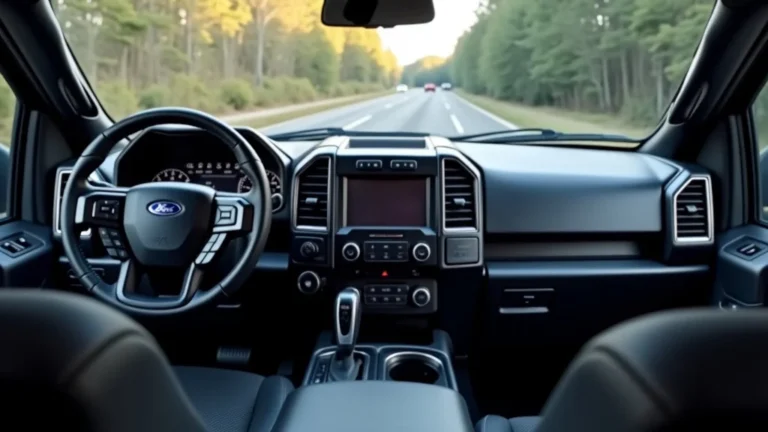
Finding the snow mode control is a simple process. In many Ford F-150s, the switch is found on the center console. In other models, you might find it on the dashboard. It might be a physical button or part of the drive mode selector. This selector gives you a selection of modes to choose from. Read your owner’s manual to find out exactly where the snow mode button is located. When you have found it, you will be able to turn snow mode on and off easily.
- Center Console: Many models have the snow mode button on the center console.
- Dashboard: Some F-150s have the button located on the dashboard.
- Drive Mode Selector: Some trucks use a drive mode selector, where you can choose snow mode.
- Owner’s Manual: Your owner’s manual has the exact location.
Activating and Deactivating Snow Mode
Activating and deactivating snow mode is simple. Locate the snow mode button and press it. A light will usually appear on the dashboard to confirm that it’s on. To turn it off, press the button again. If your truck has a drive mode selector, you just need to select the snow mode option. Make sure to turn it off when you’re back on dry roads to get the best performance.
- Press the Button: Simply press the snow mode button to turn it on or off.
- Check the Dashboard: A light will usually show you whether it’s on or off.
- Drive Mode Selector: Some trucks let you choose snow mode via the drive mode selector.
- Turn It Off: Turn off snow mode when you don’t need it.
Additional Tips for Driving in Snow
Besides using snow mode, several other driving practices can improve your safety. Driving in snow and ice needs care. Reduce your speed, increase your following distance, and brake gently. Be extra cautious when turning and accelerating. This helps you avoid losing control of your truck. These tips, along with using snow mode, will help you drive safer in challenging weather conditions.
Safe Driving Practices in Winter Weather
When driving in winter conditions, adopt driving habits for better safety. Slow down; driving slower helps you maintain control. Increase your following distance. Give yourself more space between your vehicle and others. Brake gently and gradually; avoid sudden stops. Take extra care when turning; reduce your speed. Stay alert to road conditions. These habits will contribute to your safety.
- Reduce Speed: Driving more slowly improves control.
- Increase Following Distance: Give yourself more space from the car in front of you.
- Brake Gently: Avoid sudden braking that can cause skidding.
- Be Cautious When Turning: Reduce your speed before turning.
- Stay Alert: Watch out for black ice and other hazards.
Other Features That Enhance Winter Driving
The Ford F-150 has many other features that make driving in the winter easier. Features like all-wheel drive and four-wheel drive help with traction. Heated seats and a heated steering wheel make the ride more comfortable. Winter tires give you better grip. These additional features support snow mode. They help you stay safe and comfortable in winter conditions.
- All-Wheel Drive/Four-Wheel Drive: These systems provide extra traction.
- Heated Seats and Steering Wheel: These keep you comfortable.
- Winter Tires: They provide better grip on snow and ice.
- Anti-Lock Brakes (ABS): This feature helps with braking.
Real-Life Examples and Case Studies
Let’s consider some real-life situations to illustrate how snow mode works in practice. These examples show how snow mode can make a difference in your driving experience. The results often show the difference snow mode makes. The benefits can be significant.
- Case Study 1: Driving Up a Snowy Hill: A driver attempted to drive up a snowy hill without using snow mode. The wheels began to spin, and the truck struggled for traction. The driver then engaged snow mode. The truck was able to climb the hill with much more ease. The truck made it to the top without a problem. Snow mode delivered impressive results.
- Case Study 2: Navigating an Icy Intersection: A driver approached an icy intersection. Without snow mode, the truck started to slide when braking. The driver activated snow mode. The system helped to slow down the vehicle in a more controlled manner. This prevented the truck from skidding through the intersection. The experience was safer and gave the driver more control.
Here’s a table that provides a comparison of driving performance with and without snow mode.
| Driving Condition | Without Snow Mode | With Snow Mode |
|---|---|---|
| Acceleration on Ice | Wheels spin, difficulty accelerating | Controlled acceleration, reduced wheel spin |
| Braking on Snow | Longer stopping distance, potential skidding | Shorter stopping distance, more stable |
| Hill Climbing on Snow | Difficulty gaining traction, potential for getting stuck | Easier ascent, improved traction and control |
Frequently Asked Questions
Question: Can I use snow mode on dry roads?
Answer: No, snow mode is not needed on dry roads. It’s designed for slippery conditions like snow or ice.
Question: Does snow mode work with all-wheel drive (AWD)?
Answer: Yes, snow mode works well with AWD. It enhances the benefits of AWD to improve traction and stability.
Question: How does snow mode affect fuel economy?
Answer: Snow mode might slightly impact fuel economy because it can change shifting patterns and engine response. However, the difference is usually very small.
Question: What happens if I forget to turn off snow mode?
Answer: If you forget to turn off snow mode, the truck will still operate. You may find that it feels less responsive on dry roads.
Question: Can I use snow mode with summer tires?
Answer: It’s best to use winter tires for driving in snow and ice. Snow mode can help, but winter tires offer better grip.
Final Thoughts
Knowing what is Ford F150 snow mode and how to use it is a good first step to driving safely in winter. Snow mode provides a safer driving experience. It modifies your truck’s performance for snow and ice conditions. It changes how the engine and transmission react. This prevents wheel spin, and gives you more control. You should use snow mode when the roads are covered in snow, ice, or slush. When the roads are clear, switch back to the normal driving mode. By understanding how to use snow mode and pairing it with safe driving habits, you can take on winter weather with confidence. Stay safe, and enjoy the drive!