F150 Cam Phaser Noise Explained: Causes, Solutions, & More
If you’re an F150 owner, you might be familiar with a rattling or ticking noise coming from your engine. This sound can be a real headache, especially if you’re new to car repairs. Figuring out the reason behind the f150 cam phaser noise explained can seem tricky at first, but don’t worry! This post will break down the problem step-by-step. We’ll simplify the whole topic, offering you a clear, easy-to-follow guide to what’s happening and how to deal with it. Read on to get the lowdown and find out what you can do about it.
Key Takeaways
- Cam phaser noise is a common issue for F150 owners, often characterized by a ticking or rattling sound.
- The noise usually stems from worn-out or failing cam phasers or related components.
- Early detection and a proactive approach are critical to preventing further engine damage.
- Various solutions, ranging from simple fixes to more complex repairs, are available to address the issue.
- Understanding the root cause helps determine the most effective, money-saving fix for your truck.
- Regular maintenance is a key preventative measure to protect your engine and cam phasers.
The Basics of Cam Phaser Operation
To really get what’s going on with the f150 cam phaser noise explained, you gotta first learn how these parts work. Cam phasers are vital components in your engine. They control the timing of your engine’s valves. Basically, they decide when the valves open and close to let air and fuel in, and exhaust gases out. This all happens in sync with the pistons. The whole thing is super important for how your engine runs. If the timing is off, your engine won’t run smoothly.
What are Cam Phasers?
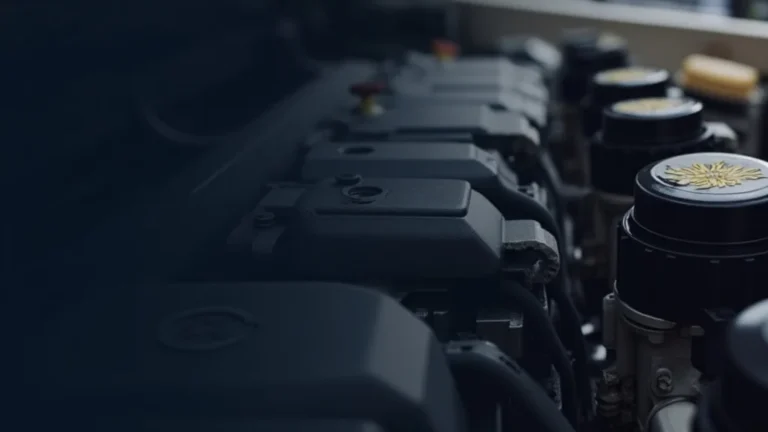
Cam phasers, also called variable valve timing (VVT) actuators, are sophisticated devices that fine-tune the timing of your engine’s intake and exhaust valves. They sit on the camshafts, the rods that push on the valves to open them. These phasers adjust the timing based on engine speed and load. This flexibility lets the engine change the way it works, optimizing performance and fuel efficiency. Different engine speeds and driving conditions call for different valve timing, and cam phasers are what make all of this possible. In essence, they’re like the conductors of your engine, making sure everything runs in perfect harmony.
- Operational Principles: Cam phasers work using oil pressure from the engine. This pressure is directed into chambers within the cam phaser. The oil pressure then moves a rotor, which in turn rotates the camshaft relative to the crankshaft. This changes the valve timing.
- Materials and Construction: Cam phasers are mostly made out of metal, able to survive extreme temperatures and constant operation. They have intricate designs that allow the internal components to move precisely. The housing is usually made from strong materials like cast iron or steel.
- Location in the Engine: Cam phasers are attached to the front of the camshafts. This location allows them to directly control valve timing. They are usually found under the valve covers.
The Role of Valve Timing
Valve timing is critical because it dictates when the intake and exhaust valves open and close. Correct timing guarantees that the engine gets the right mixture of air and fuel during the intake stroke. It also ensures that exhaust gases are completely removed. This optimization impacts overall engine performance. Incorrect valve timing results in issues like decreased fuel economy, reduced power, and rough idling. It can also lead to more serious problems like engine misfires or even internal damage. The cam phasers’ ability to change valve timing on the fly is a big part of why modern engines run so well.
- Impact on Fuel Efficiency: Optimal valve timing allows the engine to burn fuel more efficiently. By precisely controlling the opening and closing of valves, the engine can get the most power from each drop of gas.
- Influence on Engine Power: Valve timing plays a role in how much power the engine produces. Changing the timing makes the engine produce more power at lower RPMs or higher RPMs, depending on how it’s designed.
- Effects on Emissions: Precise valve timing helps control emissions by ensuring complete combustion of the fuel-air mixture. This reduces the amount of pollutants released into the atmosphere.
Common Causes of F150 Cam Phaser Noise
When you hear that ticking or rattling, it usually points to a problem with the cam phasers or the stuff around them. The f150 cam phaser noise explained often involves the cam phasers themselves, the oil that keeps them working, or related parts that affect their function. Understanding the common causes is the first step in diagnosing and repairing the problem. Issues range from wear and tear to lubrication problems.
Worn Cam Phasers
Over time, the components inside the cam phasers wear down. This wear is caused by continuous use, exposure to heat, and friction. When the internal parts of the cam phaser get worn, they can become less efficient and make noise. The constant movement and high-pressure oil flow cause the parts to slowly degrade. Wear can lead to the phasers not properly adjusting the valve timing. This affects engine performance and can cause a noticeable rattle or ticking sound at startup or idle. Worn cam phasers are a common issue, and addressing them promptly is key.
- Symptoms of Wear: Apart from the noise, worn cam phasers can cause your engine to run rough. This can be misfires, and decreased fuel economy. You might also notice a loss of power.
- Factors Influencing Wear: The lifespan of cam phasers can vary depending on driving habits, how the truck is maintained, and the quality of the parts. Rough driving, like frequent hard acceleration, and not changing the oil often, can make wear happen faster.
- Diagnosis: A mechanic can diagnose worn cam phasers. They’ll use special tools to assess the camshaft timing and listen for the characteristic rattle or ticking.
Oil-Related Issues
Oil is like the lifeblood of your engine. It keeps everything moving smoothly. The cam phasers rely on clean oil to work properly. Any issues with the oil can make them fail. If the oil gets dirty or is not at the right level, it can clog the small passages in the cam phasers. This prevents the oil from reaching the moving parts. Low oil pressure or the wrong type of oil can also cause problems, preventing proper cam phaser operation. Regular oil changes and using the correct type of oil are critical for preventing oil-related cam phaser problems.
- Oil Quality and its Effects: Dirty oil contains contaminants like dirt, metal particles, and sludge. These can clog the cam phaser’s internal components, making them stick. Oil quality directly affects the noise.
- Low Oil Pressure: The cam phasers need proper oil pressure to work. Low pressure can lead to the phasers not adjusting the valve timing correctly, leading to noise. Oil pressure problems can result from worn oil pumps, leaks, or other engine problems.
- Incorrect Oil Viscosity: Using oil that is too thick or too thin can also cause problems. The oil needs to flow freely to reach and lubricate all the moving parts. Using the right oil viscosity, as stated in your owner’s manual, is crucial for your engine’s health.
Diagnosing and Identifying the Noise
Identifying the exact source of that noise is super important. The f150 cam phaser noise explained often requires some sleuthing. You need to know when and how the noise happens. This helps pinpoint whether the cam phasers, or something else, are to blame. The goal is to determine the best plan for a fix. A good diagnostic process starts with listening and observing, possibly progressing to more in-depth mechanical tests.
Listening for the Sound
The first step in figuring out what’s causing the noise is to listen carefully. The sound the cam phasers make can change, depending on how bad the problem is and how the engine is running. Getting to know the sound helps you figure out what’s going on, and when it happens is a big clue. The sound can vary from a ticking noise that comes and goes to a loud rattle that’s present all the time.
- Describing the Noise: Note what it sounds like. Is it a tick, a rattle, or a clatter? Is it consistent, or does it come and go? This information can assist your mechanic.
- When the Noise Occurs: Does it happen when you start the engine, at idle, or when accelerating? Does the noise change as the engine warms up? Observing when the noise appears gives you clues.
- Using a Mechanic’s Stethoscope: A mechanic’s stethoscope is a tool that helps to pinpoint the noise. A mechanic can use the stethoscope to listen directly to the cam phasers and other engine parts. This can help isolate the source of the sound.
Performing Basic Checks
After listening to the noise, you can do some basic checks to gather more information. These steps may not give you a complete diagnosis, but they can give you valuable insight. Start with the easy things. This helps you narrow down the causes and can save you time and money. Check the oil level and look for signs of contamination, such as metal shavings or sludge. These basic checks, like the oil, can tell you a lot about the engine’s condition.
- Checking Oil Level and Quality: Check the oil level to make sure the engine has enough oil. Examine the oil for contaminants. Dirty or low oil is a major sign of problems.
- Checking for Codes: Use an OBD-II scanner to read any diagnostic trouble codes (DTCs). These codes can provide clues about what’s going on. Codes can help point you toward problems in the cam phaser system.
- Visual Inspection: Check around the engine for any leaks, especially around the valve covers and oil filter. Inspect hoses and connections. Sometimes, a visual inspection can reveal obvious problems, like oil leaks.
Solutions and Repairs
Once you’ve identified that the cam phasers are the problem, you have to decide how to fix it. The f150 cam phaser noise explained often leads to replacing the cam phasers. There are a range of repair options, from DIY fixes to professional repairs. The right choice depends on the problem and your mechanical skills. The goal is to choose the most effective way to restore your truck’s performance and prevent future issues.
Cam Phaser Replacement
The most common fix is to swap out the faulty cam phasers. This involves removing the old phasers and putting in new ones. It’s an involved job. It requires some mechanical skills, the right tools, and an understanding of engine operation. Replacing the cam phasers directly addresses the source of the problem. It replaces worn or damaged parts. The price of replacing cam phasers can vary, depending on the parts and labor costs.
-
The Replacement Process: This is a step-by-step guide:
- Disconnect the battery.
- Remove the valve covers and other components to access the cam phasers.
- Carefully remove the old cam phasers.
- Install new cam phasers, making sure to align everything correctly.
- Reassemble all components, following the manufacturer’s torque specifications.
- Refill the engine with fresh oil and filter.
- Start the engine and check for leaks.
- Selecting Replacement Parts: You can choose between genuine OEM parts and aftermarket parts. OEM parts are made by the same manufacturer as your truck. Aftermarket parts can be cheaper, but quality can vary.
- Professional vs. DIY: While replacing cam phasers can save you money, it is a complex job. If you’re not comfortable working on your engine, it is better to have a mechanic do it.
Other Potential Repairs
Sometimes, the solution might be more than just replacing the cam phasers. There are other things that could be related to the noise. These fixes might include replacing other components. This can resolve related issues. If the noise is caused by low oil pressure, you might need to fix the oil pump. If the oil passages are clogged, you might need to clean or flush them. Taking a broader approach ensures the problem is fully resolved. It also stops future issues.
- Oil Pump Replacement: If the oil pump is not working right, it can’t supply enough oil to the cam phasers. Replacing the oil pump restores proper oil pressure. This guarantees the cam phasers get the oil they need.
- Cleaning Oil Passages: Sometimes, debris can clog the oil passages, reducing oil flow to the cam phasers. Cleaning these passages can fix the problem. This can be done with special cleaning solvents.
- Replacing Other Components: Other components can also cause problems, such as the timing chain or tensioners. These parts may need replacing if they are worn or damaged.
Preventative Maintenance
Preventative maintenance is the best approach to ensure that you don’t hear that f150 cam phaser noise explained. It involves regular care that can prevent issues before they begin. Good habits extend the life of your engine. This lowers the chance of problems with the cam phasers. Maintenance keeps the engine in good condition. Preventative care saves money and hassle in the long run.
Regular Oil Changes
Changing the oil regularly is the most important thing you can do to protect your engine. Frequent oil changes are the most important part of preventative maintenance. The oil keeps the engine clean and lubricated. The oil removes contaminants. The oil prevents wear on the engine components, including the cam phasers. Sticking to the oil change schedule in your owner’s manual helps keep your engine healthy.
- Following the Manufacturer’s Recommendations: Your owner’s manual provides advice on oil change intervals. Using the right type of oil is also important. Always stick to the advice given by your truck’s manufacturer.
- Benefits of Frequent Oil Changes: Regular oil changes remove contaminants. They also reduce friction, which prevents wear on engine parts.
- Choosing the Right Oil Filter: A good oil filter helps to remove particles from the oil. Choosing a high-quality filter helps keep the oil clean.
Monitoring Oil Pressure and Levels
Keep a close eye on your oil pressure and oil levels to catch problems early. Checking the oil level regularly is essential. This guarantees that your engine always has enough oil. Monitoring the oil pressure will detect issues with the oil pump or other engine parts. Keep an eye out for any changes. Any decrease in oil pressure or a drop in oil levels needs to be addressed immediately.
- How to Check Oil Levels: Park your truck on a level surface. Remove the dipstick, wipe it clean, and reinsert it. Take out the dipstick again to check the oil level.
- Recognizing Low Oil Pressure: Low oil pressure is a serious problem that requires immediate attention. If the oil pressure warning light comes on, stop driving immediately and check the oil level.
- Addressing Oil Leaks: Look for any signs of oil leaks. Leaks reduce the oil level, possibly causing damage. Always fix oil leaks right away.
Frequently Asked Questions
Question: What does a cam phaser sound like when it goes bad?
Answer: It often produces a rattling or ticking sound, especially at startup or idle. The noise can vary from a light tick to a more severe rattle or clatter.
Question: Can I drive my F150 with a bad cam phaser?
Answer: It is possible to drive, but it’s not a great idea for long. The engine can experience reduced performance and increased risk of damage. Getting it fixed is best.
Question: How much does it cost to replace cam phasers?
Answer: The price changes, depending on parts and labor. It could range from a few hundred dollars to over a thousand, or more, depending on your vehicle and the shop’s rates.
Question: What kind of oil should I use to help with cam phaser noise?
Answer: Use the oil recommended in your truck’s owner’s manual. The manufacturer’s instructions on oil type and viscosity are critical for good engine performance.
Question: How often should I change my oil to prevent cam phaser problems?
Answer: Follow the oil change schedule in your owner’s manual, often every 3,000 to 7,500 miles. Changing your oil regularly helps prevent issues.
Final Thoughts
Dealing with the f150 cam phaser noise explained can be stressful, but having a handle on it can make it easier to address. You’ve now got an understanding of what causes the noise, how to figure out where it comes from, and what you can do to fix it. Understanding the basics helps you to make better choices about what to do. Remember that regular maintenance is critical. Change your oil regularly and keep an eye on your oil levels. Early detection is a good move. If you hear that ticking or rattling, get it checked out. A timely fix will keep your F150 running strong for years. Stay on top of things, and you’ll be well on your way to enjoying a smooth, trouble-free ride.