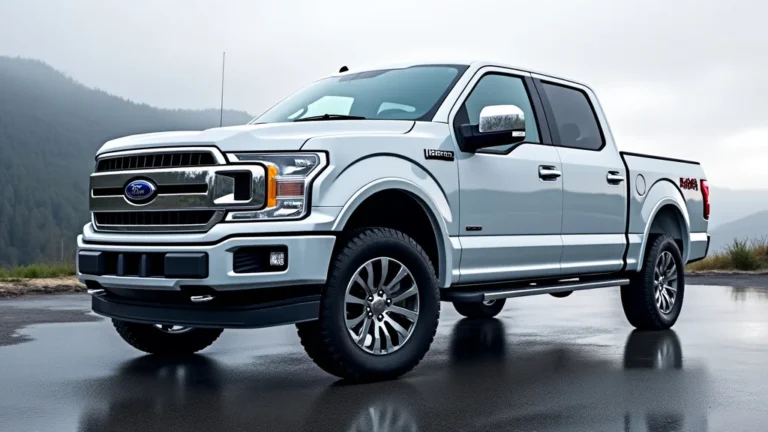
F150 Slow Acceleration: Common Causes and Easy Fixes
If your F150 feels sluggish when you hit the gas, you’re not alone! Many truck owners experience f150 slow acceleration causes. It can be frustrating, especially if you rely on your truck for work or everyday tasks. Luckily, figuring out why your truck is slow isn’t always super hard. This guide will break down the common culprits and explain easy steps to get your truck moving faster. We’ll skip the confusing tech talk and focus on practical solutions. Let’s get your F150 back to its powerful self!
Key Takeaways
- Learn the top reasons why your F150 might accelerate slowly.
- Discover how to easily check your truck for common issues.
- Understand the role of the engine, transmission, and fuel system.
- Find out how to improve acceleration performance in simple steps.
- Identify whether you can handle the fix on your own or need a mechanic.
- Get tips on maintaining your truck to prevent slow acceleration.
Common Problems Causing Slow Acceleration in Your F150
Slow acceleration can be a real headache, especially when you need your truck to perform. Several things can cause this, and often it’s a combination of issues. We’ll explore the main areas to check, so you can pinpoint the problem. Think of it like a detective game, where you’re finding clues to improve your truck’s speed. We’ll begin with the engine, the heart of your truck.
Engine Performance Issues
Your engine is where the power comes from, so problems here are a common cause of sluggishness. Things like dirty air filters, faulty spark plugs, or issues with your engine sensors can all slow down acceleration. These components directly impact how well your engine breathes and fires, which affects how quickly your truck gets going. Let’s check a few essential engine components.
- Dirty Air Filter. A clogged air filter restricts airflow to the engine. Your engine needs clean air to burn fuel effectively. A blocked filter reduces the amount of air, so the engine can’t produce the power it needs. Replacing the air filter is often an easy and inexpensive fix that can make a big difference in how fast your truck accelerates.
- Faulty Spark Plugs. Spark plugs create the spark that ignites the fuel-air mixture in your engine’s cylinders. If they are worn, fouled, or damaged, they can’t ignite the fuel properly. This means the engine won’t produce the power it should, leading to slow acceleration. Replacing spark plugs is usually straightforward, but make sure to choose the right ones for your F150 model.
- Mass Airflow (MAF) Sensor Problems. The MAF sensor measures the amount of air entering the engine. This information is crucial for the engine control unit (ECU) to determine how much fuel to inject. If the MAF sensor is dirty or malfunctioning, it can send inaccurate readings. This could make the engine run too rich (using too much fuel) or too lean (using too little fuel), both of which hurt acceleration.
- Vacuum Leaks. Vacuum leaks can allow unmetered air into the engine, which disrupts the fuel-air mixture. This can make the engine run rough and decrease power. Common places for vacuum leaks include hoses, gaskets, and seals. You might hear a hissing sound near the engine if there’s a leak.
A simple visual inspection can often tell you if your air filter is dirty. Hold it up to a light and see if you can see through it. If it looks dark or clogged, it’s time for a change. You can usually find replacement filters at any auto parts store, and many are easy to install yourself. Keep your truck’s air filter clean to help maintain optimal engine performance.
Look for signs of wear, such as a rounded electrode or deposits that could indicate a problem. It’s often recommended to replace them at the interval specified in your owner’s manual. Many drivers notice a positive change in acceleration after replacing their spark plugs.
The MAF sensor is typically located in the air intake system, near the air filter. You might be able to clean it with a special MAF cleaner, which you can purchase at any auto parts store. If cleaning doesn’t help, the sensor might need to be replaced. Remember to disconnect the battery before working on electrical components.
Finding a vacuum leak involves carefully inspecting all vacuum hoses and connections. You can use a spray bottle with soapy water to check for leaks – if the engine revs when you spray a spot, you’ve found a leak. Addressing these leaks can often restore lost power.
Fuel System Issues
The fuel system provides your engine with the fuel it needs to run. Any problems here can really slow down your truck. Issues like a clogged fuel filter or a weak fuel pump can prevent the engine from getting the right amount of fuel to run at full speed. Let’s look closely at some of the most common issues that are responsible for poor acceleration.
- Clogged Fuel Filter. A fuel filter removes debris and contaminants from the fuel before it reaches the engine. If the filter is clogged, it restricts the flow of fuel, causing the engine to starve. This means your engine will not get enough fuel, which impacts acceleration.
- Weak Fuel Pump. The fuel pump delivers fuel from the tank to the engine. If the fuel pump is weak or failing, it might not be able to provide enough fuel pressure. This can make the engine struggle to get the fuel it needs.
- Clogged Fuel Injectors. Fuel injectors spray fuel into the engine cylinders. If they get clogged, they can’t spray fuel properly. This leads to an inconsistent fuel mixture. This can result in rough running and slow acceleration.
- Fuel Pressure Regulator Failure. This regulator keeps the fuel pressure at the correct level for your engine. If it fails, the engine might get too much or too little fuel. That will lead to poor performance.
The fuel filter is usually located in the fuel line. It needs to be replaced regularly. Check your owner’s manual for the recommended replacement intervals. If you notice a loss of power or hesitation when accelerating, a clogged fuel filter is a likely suspect.
Symptoms of a weak fuel pump include difficulty starting, a loss of power, and poor acceleration. You might need a fuel pressure test to confirm whether the pump is the problem. Replacing a fuel pump is a task that may require professional help, depending on your comfort level with automotive work.
Sometimes, fuel injector cleaner can help, but severely clogged injectors may need to be replaced. Symptoms of clogged injectors include rough idling, misfires, and decreased fuel efficiency. Fuel injector issues can cause a noticeable difference in performance, especially when you are trying to accelerate.
If the fuel pressure regulator is bad, the engine might stall, idle roughly, or have trouble starting. You might need to
Transmission Troubles
Your transmission is critical for sending power from the engine to the wheels. Problems with the transmission can dramatically slow down acceleration. From shifting issues to internal wear and tear, several problems can negatively affect how your truck performs. Let’s explore some transmission-related reasons behind sluggish acceleration.
- Slipping Transmission. If your transmission is slipping, the engine revs, but the truck doesn’t move as fast. This happens when the transmission’s clutches or bands wear down and can’t grip properly. This is like trying to run on ice, the wheels spin, and you don’t move fast.
- Low Transmission Fluid. Low fluid levels can cause many transmission issues, including slow acceleration. The fluid lubricates the moving parts and keeps the transmission running smoothly. Check your transmission fluid regularly.
- Faulty Transmission Solenoids. Solenoids control the fluid flow within the transmission, and they help with shifting gears. If a solenoid fails, the transmission might not shift gears correctly, leading to reduced performance.
- Worn Torque Converter. The torque converter connects the engine to the transmission. If it’s worn, it can’t transmit power efficiently. This can make acceleration feel sluggish.
Symptoms include the engine revving high without corresponding acceleration, and often a burning smell. Slipping transmissions often need a rebuild or replacement. You’ll likely need to take your truck to a transmission specialist for repairs if you experience this problem.
Low fluid can cause slipping and erratic shifting. Always use the correct type of transmission fluid for your F150. Refilling the fluid is usually easy, but if you notice leaks, it’s best to take your truck to a mechanic to avoid further damage.
Faulty solenoids can cause hard or delayed shifting, as well as reduced acceleration. Diagnostic tools can help identify which solenoids are failing. Replacing them can often resolve these issues and restore smooth shifting.
Symptoms include shuddering or vibrations during acceleration. A worn torque converter can reduce fuel efficiency as well. Repairing or replacing the torque converter usually requires a professional. Early intervention is key to prevent further damage to the transmission.
Step-by-Step Troubleshooting for F150 Slow Acceleration
Once you’ve explored the possible causes, you can take a more methodical approach to solve the problem. Let’s get your truck back to its best state. You can often save time and money by working through these steps yourself. Keep in mind that some issues might require professional help, but these steps can help you get started.
- Check for Trouble Codes. Use an OBD-II scanner to read any trouble codes stored in your truck’s computer. These codes can point you to the specific component causing the issue. This is usually the easiest first step.
- Inspect the Air Filter. Remove your air filter and check for dirt or clogs. A dirty filter restricts airflow, which affects engine performance. Replace it if it looks dirty.
- Check the Spark Plugs. Remove the spark plugs and inspect them for wear, fouling, or damage. Replace them if necessary. Using the wrong spark plugs for your F150 may also affect performance.
- Inspect Fuel Filter and Lines. Check the fuel filter for any restrictions or clogs. Inspect the fuel lines for any leaks or damage. These are all signs of your truck having a fuel problem.
- Listen for Unusual Noises. Pay attention to any unusual sounds from your engine or transmission. Hissing sounds may suggest vacuum leaks. Whining sounds might indicate a problem with the fuel pump. Any grinding or clunking sounds from the transmission could be a sign of major problems.
You can purchase an OBD-II scanner at most auto parts stores or online. Connect it to the OBD-II port under your dashboard. The scanner will show you any error codes. Write down the codes, as they can help you understand the problem. A search online using the code number can give you a general idea of what part is causing the issue.
Replacing the air filter is usually very straightforward. Open the air filter housing, remove the old filter, and put in the new one. This simple step can sometimes significantly improve your acceleration and fuel economy. Make sure you use the correct replacement filter.
Use a spark plug socket and wrench to remove the spark plugs. Compare the condition of the old plugs to the new ones to see if there is a difference. Ensure you gap them to the correct specifications, as indicated in your F150 manual, before installing.
The fuel filter location varies depending on your F150 model. Locate the filter and look for any signs of fuel leaks. Replace the fuel filter. When you inspect the fuel lines, look for cracking, leaks, or other issues that could affect fuel flow.
Unusual noises are usually the most obvious signs that something is wrong. Note when and where you hear the sounds. This information will help you diagnose the issue. Addressing these sounds quickly can prevent further damage to your truck’s systems.
If you’re not comfortable working on your truck, it’s always best to take it to a qualified mechanic. They have the tools and expertise to diagnose and fix the problem correctly. They can usually check every possible cause of f150 slow acceleration causes
Advanced Diagnostics and Repair
Sometimes, the problem isn’t obvious. Further diagnostics might be needed to identify the root cause of the slow acceleration. These steps often require special tools and experience. Don’t be afraid to consult a professional if you’re unsure. Here are some of the advanced methods that a mechanic may use.
Using Diagnostic Tools
Professional mechanics have advanced diagnostic tools that can pinpoint problems. These tools can analyze data from your engine and transmission. They can often provide a much more precise diagnosis than basic troubleshooting methods. They can save you a lot of time and money.
- OBD-II Scanner with Live Data. Advanced scanners allow you to view live data from the engine’s sensors. They can monitor things like fuel pressure, oxygen sensor readings, and MAF sensor output.
- Fuel Pressure Test Kit. This tool measures fuel pressure, which is essential to ensure your fuel pump is working correctly. Low fuel pressure is a common cause of poor acceleration.
- Compression Test. A compression test checks the condition of the engine cylinders. Low compression can cause reduced power and poor acceleration. This test is usually run when the engine is warm, giving you the most accurate results.
- Transmission Diagnostic Tools. Modern transmissions are controlled by computers. Special tools can read transmission codes and monitor its performance. If you suspect an issue in your transmission, the diagnostic tool can help find it.
You can see how the engine’s performance changes in real time. This can help identify issues such as lean or rich fuel mixtures, or a faulty sensor that’s sending incorrect information. This helps diagnose many of the f150 slow acceleration causes.
Connecting the test kit to your fuel rail allows you to monitor the fuel pressure. Checking the pressure against your vehicle’s specifications will determine if the fuel pump needs replacing. This test is key for pinpointing fuel system issues.
The test involves inserting a compression gauge into each spark plug hole and cranking the engine. Low readings may indicate worn piston rings, damaged valves, or other internal engine issues. A compression test is important to determine the overall health of your engine.
These tools monitor things like shift timing, solenoid operation, and fluid pressure. They can help diagnose problems, such as slipping gears or internal damage. Using the proper diagnostic tool is vital for finding issues. This will help you resolve f150 slow acceleration causes.
Professional Repair Scenarios
Some problems require skills that go beyond simple fixes. In these situations, it’s best to rely on an experienced mechanic. Addressing issues promptly prevents further damage. Here are a couple of examples of how professional intervention might be necessary.
- Engine Rebuild or Replacement. If the engine has major internal damage, such as a blown head gasket, worn piston rings, or crankshaft problems, a rebuild or replacement may be required. This is a complex job, often requiring specialized tools and expertise.
- Transmission Overhaul or Replacement. If the transmission is badly damaged, for example, from slipping gears or complete failure, a rebuild or replacement is often necessary. A transmission overhaul can be complex and demands special tools and knowledge.
Symptoms include loss of compression, excessive oil consumption, or unusual engine noises. The mechanic will completely disassemble the engine, inspect all components, and replace any damaged parts. They might also bore the engine and install new pistons. This is the last resort. The process takes a lot of time and money, but can restore the engine’s power.
Symptoms include slipping gears, delayed shifts, or complete loss of drive. The mechanic will remove the transmission, disassemble it, and inspect all components for damage. They may replace worn clutches, bands, seals, and other parts. Or, they might replace the entire transmission. This is a long process that should be completed by the hands of a professional.
Maintaining Your F150 to Prevent Slow Acceleration
Preventative maintenance is essential to avoid f150 slow acceleration causes. Regular care will help ensure your truck runs smoothly and efficiently for years to come. Routine tasks can often prevent small problems from turning into bigger ones. A little effort can save you money and headaches in the long run.
Regular Maintenance Tasks
Sticking to a regular maintenance schedule is the simplest way to keep your truck running well. Following these steps can prevent many of the issues that lead to slow acceleration. Regular care is the key to enjoying your F150 for a long time.
- Oil Changes. Change your engine oil and filter as recommended in your owner’s manual. Clean oil lubricates engine components and helps maintain optimal performance. Regular oil changes ensure your engine runs well.
- Air Filter Replacement. Replace your air filter at the recommended intervals or more often if you drive in dusty conditions. A clean air filter ensures your engine gets the air it needs for efficient combustion.
- Fuel Filter Replacement. Change your fuel filter at the recommended intervals. A clean fuel filter helps keep fuel flowing smoothly to the engine. Your fuel filter will help to prevent slow acceleration.
- Spark Plug Inspection and Replacement. Inspect your spark plugs regularly and replace them as needed. Worn or fouled spark plugs can affect engine performance. New spark plugs improve engine efficiency.
- Transmission Fluid Changes. Change your transmission fluid and filter according to the manufacturer’s recommendations. Fresh fluid keeps your transmission running smoothly. Following these steps will also reduce the possibilities of f150 slow acceleration causes.
Check your oil level regularly. Low oil can cause friction and damage your engine. You can change your oil yourself. Use the correct type and amount of oil. Changing your oil regularly is one of the easiest ways to keep your engine in top condition.
A clogged air filter can reduce performance and fuel efficiency. Check your air filter regularly. If it looks dirty, it’s time to replace it. A good air filter can make a big difference in the way your truck runs.
A clogged fuel filter can cause fuel starvation, which reduces power. It’s often found in the fuel line or fuel tank. Follow your owner’s manual for guidance on when to replace it. This will help your truck avoid fuel-related problems.
Spark plugs play a vital role in igniting the fuel-air mixture. Replace them at the recommended intervals or if you notice misfires or poor acceleration. Make sure you use the right spark plugs for your F150 model.
Transmission fluid lubricates the gears and other moving parts. Old fluid can break down, causing shifting problems and damage. Consider a transmission flush every few years to keep the system clean and efficient.
Driving Habits for Better Performance
The way you drive can affect your truck’s performance and longevity. Avoiding certain habits can help prevent potential issues that lead to slow acceleration. You can make small adjustments in the way you drive to extend the life of your truck.
- Avoid Aggressive Driving. Hard acceleration and braking can put extra stress on your engine and transmission. Avoid unnecessary hard accelerations. This puts strain on the engine and transmission.
- Regularly Check Fluid Levels. Regularly check your oil, transmission fluid, and coolant levels. Low fluid levels can lead to serious problems. Make sure all systems are working properly.
- Be Mindful of Towing. If you frequently tow heavy loads, make sure your truck is properly equipped and maintained. Excessive towing can put extra strain on your engine and transmission. Your truck can easily show issues if it is pulling too much weight.
- Use Quality Fuel. Use high-quality gasoline and fuel additives as needed. Poor fuel can clog fuel injectors and lead to other problems. Using good quality fuel keeps your fuel system running efficiently.
Gentle driving habits will help your truck last longer. Smooth driving will also improve fuel efficiency. Slowing down will reduce the chance of needing a repair. This will help to reduce the possibilities of f150 slow acceleration causes.
Make a habit of checking your fluids. It’s a good idea to check your fluids every time you fill up your fuel tank. If you notice any leaks, address them promptly. This will catch potential problems before they become major.
Reduce the load you pull to reduce the strain on your truck’s engine and transmission. Use the right towing equipment. This will prevent damage and ensure your truck is running at its best. If you tow regularly, get your truck inspected more often.
Poor-quality fuel can contain impurities. These impurities can affect engine performance and cause problems. Choose a reputable fuel station. If your vehicle requires a specific fuel type, always use the right one.
Frequently Asked Questions
Question: Why does my F150 accelerate slowly only when it’s cold?
Answer: When your truck accelerates slowly only when it is cold, it can be due to a few causes. First, the engine may not be reaching its ideal operating temperature. Cold oil is thicker, which causes more friction. You may also have a faulty temperature sensor, which can lead to a rich fuel mixture when the engine starts. Checking these issues may help your truck.
Question: Can a bad catalytic converter cause slow acceleration?
Answer: Yes, a clogged or failing catalytic converter can restrict exhaust flow. This backpressure can make the engine struggle to breathe, causing a loss of power and slow acceleration. Other signs of a bad catalytic converter may include a rotten egg smell, or a reduction in fuel economy.
Question: How often should I replace the fuel filter on my F150?
Answer: The frequency of fuel filter replacement depends on your F150’s model and driving conditions. Refer to your owner’s manual for the recommended intervals. Typically, it is recommended to replace the fuel filter every 30,000 to 60,000 miles. Driving in harsh environments may require more frequent replacement.
Question: What’s the difference between engine hesitation and slow acceleration?
Answer: Engine hesitation is a brief pause or stumble during acceleration, while slow acceleration is a general lack of power. Hesitation can be caused by issues like a vacuum leak or a faulty sensor. Slow acceleration may be due to a clogged air filter or fuel pump. Often, a vehicle may experience both. Hesitation may be the first sign of a larger issue.
Question: How can I tell if my transmission is slipping?
Answer: If your transmission is slipping, you’ll likely notice the engine revving up without a corresponding increase in speed. You might also experience delayed shifting or feel the vehicle surge and stutter. A burning smell may also indicate an issue with your transmission. Having your mechanic check your transmission is a good idea.
Final Thoughts
Discovering why your F150 is experiencing slow acceleration can be a journey. You’ve explored various f150 slow acceleration causes. From engine troubles to transmission problems, several factors can affect your truck’s performance. You also learned that proactive maintenance is critical. Regular checks and timely repairs can keep your truck running smoothly. Remember, paying attention to your truck’s signals and taking action early can save you time and money. Armed with this knowledge, you are ready to troubleshoot, and keep your F150 running strong for miles to come. Now you can get back on the road and enjoy the power and performance you expect from your truck!