Decoding F150 Warning Lights: A Guide to Your Dashboard
If you’ve ever glanced at your Ford F-150’s dashboard and seen a mysterious light illuminate, you’re not alone. The f150 dashboard warning lights meaning can seem like a secret code, and figuring out what they mean can be tricky. This blog post is designed to take the stress out of those blinking symbols. We’ll break down the most common lights, explaining their meanings in a way that’s easy to grasp. We’ll get you back on the road with more confidence. Let’s start with the basics.
Key Takeaways
- Familiarize yourself with common warning light symbols on your F-150’s dashboard.
- Learn the difference between warning lights and indicator lights.
- Understand what actions to take when a warning light appears.
- Discover how to find the specific meaning for any particular dashboard light.
- Gain confidence in addressing potential issues your truck might be experiencing.
Unveiling F150 Dashboard Light Meanings
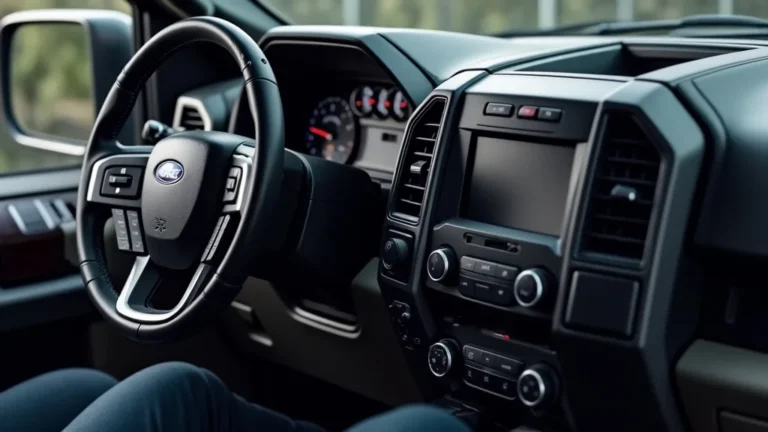
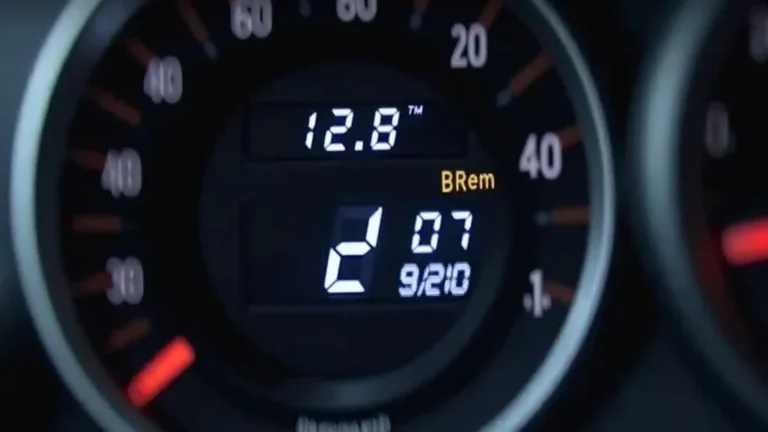
Your Ford F-150 is packed with technology, and its dashboard is the control center for many of its systems. Knowing what those lights are telling you is essential for keeping your truck running smoothly and safely. These lights aren’t just there for decoration; they’re your first line of communication with the vehicle. Ignoring these alerts could lead to significant issues. This guide will provide information about the most common symbols and what they indicate.
Decoding Dashboard Signals
Dashboard lights can be split into two main groups: warning lights and indicator lights. Indicator lights simply inform you of a system’s status. For example, your high beams indicator lights up when they are switched on. Warning lights, however, signal a problem that requires your attention. These lights range from minor inconveniences to potentially severe issues that demand immediate action. Understanding the difference is important so you can react accordingly. Let’s look at the basic signals.
- Warning Lights: These are the lights that you need to pay attention to. They indicate an issue that may need immediate action, from needing an oil change to a critical engine malfunction.
- Indicator Lights: These lights are mainly for informational purposes. They let you know that a certain feature is active. Indicator lights are typically green or blue.
- Light Colors: Color is a key piece of the puzzle. Red lights typically warn of serious issues, yellow or amber lights indicate that service is needed soon, and green or blue lights are usually informational.
Warning lights are typically red or yellow/amber. A red light generally means the issue is more serious. A yellow/amber light often suggests that the situation needs attention soon. The specific light will tell you more about the issue, but these lights should never be ignored. Always check your owner’s manual for specific meanings.
These lights are not an indication of a problem, but rather the status of a specific system. For example, your headlights indicator is an example of an indicator light. There’s no need to take any action when indicator lights appear. Indicator lights typically have no effect on the truck’s performance, but indicate its systems are working properly.
Color is a primary factor in quickly understanding a light’s meaning. The color often dictates how quickly you should address the issue. For example, a red oil pressure light demands that you stop driving as soon as it is safe to do so. In contrast, a yellow/amber tire pressure light indicates a problem that must be addressed soon, but can still be driven for a short time.
Common F150 Warning Lights
Every Ford F-150 has a set of common warning lights that will alert you to different issues. These lights are important, and knowing what they mean is key to keeping your truck running safely. Some issues are minor, while others require immediate attention. Recognizing these lights can help prevent larger issues. We’ll explore some of the most frequent ones you’ll see on your dashboard.
- Engine Oil Pressure Light: Shaped like an oil can, this light signals that your engine oil pressure is low.
- Check Engine Light (Malfunction Indicator Lamp): This light, usually shaped like an engine, can indicate a wide range of issues.
- Battery Light: This light is shaped like a battery. It shows if the battery isn’t charging correctly.
- Brake System Warning Light: Often an exclamation mark in a circle, it indicates a brake issue.
If this light comes on, it’s critical to stop driving as soon as safely possible. Low oil pressure can quickly damage your engine. Check your oil level immediately. If it’s low, add oil. If the light remains on, you may need a mechanic to identify the problem and make repairs.
It can range from a loose gas cap to a more serious engine problem. It may blink or remain solid. A solid light often means there is an issue to be addressed, but the truck may be driven short distances. A flashing light generally signifies a more urgent problem and needs immediate attention. Use an OBD-II scanner to read the trouble codes and understand the cause. A mechanic can diagnose and repair the issue.
When this light comes on, it indicates an issue with the charging system. It could be a bad alternator or a loose connection. The truck may stall and die. Check the battery cables for corrosion and secure connections. If the light remains on, have your charging system checked by a mechanic. Address this issue right away, because the truck will eventually fail to start.
This light may come on for several reasons, from the parking brake being engaged, to a low brake fluid level. If the light is on and the parking brake is not engaged, check the brake fluid level. If the level is low, there may be a leak in your brake system. Get your brakes checked immediately by a mechanic for safety.
Understanding Diagnostic Tools and Codes
Sometimes, simply knowing a warning light’s general meaning isn’t enough. Modern vehicles, including the F-150, use diagnostic tools to pinpoint the exact problem. These tools can read diagnostic trouble codes (DTCs) that provide a clear idea of what’s wrong. You can use this information to decide the correct course of action. This information is a beneficial tool to diagnose and repair any problems your truck may be having.
The Role of OBD-II Scanners
An OBD-II scanner is a small device that plugs into your truck’s diagnostic port (usually located under the dashboard). This scanner can read the trouble codes that the truck’s computer has stored. These codes give you information about the nature of the issue. You can clear the codes after the repairs. These scanners are accessible to both professionals and regular drivers.
- What OBD-II Scanners Do: They read and clear diagnostic trouble codes (DTCs). They can display real-time data from your truck’s sensors. They help to troubleshoot various issues with the engine and other systems.
- Selecting the Right Scanner: Choose a scanner that suits your needs. Basic scanners read and clear codes. More advanced scanners provide live data. Consider your budget and the features you need.
- Using the Scanner: Plug the scanner into the OBD-II port. Turn on the ignition. Follow the scanner’s prompts to read and clear codes. Use the scanner to retrieve the DTC. If the codes are not clear, you can go to a mechanic.
OBD-II scanners are a valuable tool, but they are not always a
There is a wide range of scanners on the market. Before you buy, consider what features you require. Look at reviews to see what other people think. The right scanner can save you money and time. If you do not plan to use advanced functions, a basic scanner is appropriate.
Follow the manufacturer’s directions for your scanner to ensure accurate results. Make sure that the scanner is connected properly to the vehicle’s diagnostic port before turning on the ignition. Proper use will allow you to get the correct information. Be sure to note the code, so that it can be reviewed by a professional.
Decoding Diagnostic Trouble Codes (DTCs)
DTCs aren’t just random numbers; they follow a standardized format. Each code gives information about a specific issue with a particular system in your vehicle. The codes start with a letter indicating the system. After that, there are four more characters that provide more details about the problem. Knowing how to interpret these codes can help with diagnosis. This information can also help when discussing problems with a mechanic.
- DTC Format: DTCs start with a letter, followed by four numbers. The letter tells you which system has the issue. The numbers specify the exact problem. For instance, the letter ‘P’ stands for powertrain issues.
- Reading and Interpreting Codes: Use the OBD-II scanner to read the code. Look up the code online or in your vehicle’s manual. Compare the code to the description.
- Common DTCs and their meanings: P0300 (Random Misfire), P0420 (Catalytic Converter Efficiency Below Threshold), P0171 (System Too Lean Bank 1).
The first character identifies the system affected. “B” codes relate to the body, “C” to the chassis, “U” to the network, and “P” to the powertrain. The numbers show the specifics of the issue. A simple search online will provide the meaning of most DTCs.
When you get the DTC, look it up in a reliable source. A quick search of the code on the internet can help you understand the problem. You can then try to determine the next action to take. Ensure that you have an understanding of the code before you take action.
These are examples of DTCs that commonly appear. P0300 means that the engine is misfiring in a random way. P0420 means there’s an issue with the catalytic converter. P0171 suggests that the engine is running too lean. You can use these codes as a starting point to diagnose issues.
Taking Action When Warning Lights Appear
When a warning light appears on your F-150’s dashboard, the most important thing is to take action. Ignoring the light can lead to more serious damage and expensive repairs. The steps you take should depend on the type of light and the specific situation. You need to be ready to act quickly. Quick action can prevent larger issues.
Immediate vs. Delayed Action
The speed with which you respond to a warning light depends on the light. Some lights need immediate attention. Others may allow you to continue driving, but require that you address the issue soon. Knowing the difference between them is vital to your safety and the health of your truck. This information will help you when your warning light is displayed.
- Immediate Action Lights: These lights require you to stop driving as soon as safely possible. Examples include the oil pressure light, and the brake warning light.
- Delayed Action Lights: These lights mean that you should address the issue as soon as possible, but it’s not immediately critical. The Check Engine light can sometimes fall into this category, as well as the tire pressure light.
- Understanding the Difference: Familiarize yourself with your truck’s owner’s manual. Pay attention to light colors. Listen to the engine, and note any changes in driving behavior.
These lights are usually red. They indicate that there is an urgent problem that needs immediate attention. Continuing to drive can cause extensive damage to your truck. Pull over and inspect the issue before continuing to drive. Call for assistance if necessary.
These are usually yellow or amber. They mean you have some time before the situation becomes critical. You can typically drive for a short time. Schedule an appointment with your mechanic. Watch for further symptoms.
Make sure you fully understand what the light means and the best course of action. If you’re unsure, it is best to err on the side of caution. Consult the owner’s manual to learn about the lights. You can also contact a mechanic or service technician.
When to Seek Professional Help
While you can handle some basic maintenance tasks, there are times when it’s best to seek professional help. Complex issues can be hard to diagnose and repair without the right equipment and experience. A mechanic can properly diagnose the issue and address it. Knowing when to get professional help can save you both time and money. There are a number of situations where you should seek the help of a professional.
- Complex Issues: If you don’t feel comfortable diagnosing or repairing the issue. If the light relates to the engine or transmission.
- Persistent Warning Lights: When the light keeps coming back, even after your best efforts. When the light seems to be triggered again, it should be examined by a professional.
- Safety-Related Issues: Any light related to brakes, steering, or other safety systems should be checked by a professional immediately. Do not risk your own life, or others, for the sake of a quick repair.
Engine and transmission problems are often complex. They require specialized tools and skills. A mechanic can perform a proper diagnosis. It’s often best to seek professional help.
Some issues are persistent. This is typically a sign of a larger problem that needs attention. An expert mechanic can identify the root cause of the problem. They will be able to make the appropriate repairs. The issue will be resolved and prevent future instances.
If the issue is related to a safety system, get professional help right away. Your safety and that of others is most important. Get your vehicle serviced so that you can get back to safe operation.
Troubleshooting Common Scenarios
Let’s look at some common situations and how you might respond when a warning light appears. From the basics of how to handle a low oil pressure light to the steps you should take when the check engine light comes on, it’s important to be prepared. These scenarios will give you a practical understanding of what to do. The goal is to stay calm and take appropriate action.
- Scenario 1: Oil Pressure Light Illuminates
- Step 1: Pull over safely and turn off the engine.
- Step 2: Check your oil level.
- Step 3: Add oil if low.
- Step 4: Restart the engine.
- Step 5: If the light stays on, do not drive. Call for roadside assistance or a tow truck.
This is a critical situation. Low oil pressure can quickly damage your engine. Always stop driving when this light appears. Check the oil level. If the oil is low, add the correct type of oil. If the light remains on after you restart the engine, it’s important to get professional help immediately.
- Scenario 2: Check Engine Light Comes On
- Step 1: Check the gas cap; tighten it if necessary.
- Step 2: Drive the vehicle and see if the light turns off.
- Step 3: If the light remains on, use an OBD-II scanner to read the code.
- Step 4: If you don’t have a scanner, take the vehicle to a mechanic.
- Step 5: Address any identified issues.
The Check Engine light can be triggered by many things. Check your gas cap first, as this is a common issue. If the light persists, use a scanner to check for codes. Based on the codes, you can decide the next course of action. If you don’t have the tools or know-how, have a mechanic diagnose the issue.
According to data from the National Highway Traffic Safety Administration (NHTSA), engine-related failures account for a significant portion of vehicle breakdowns. Addressing warning lights promptly can often prevent these breakdowns. Regular maintenance is also beneficial.
Frequently Asked Questions
Question: What do I do if multiple warning lights come on at the same time?
Answer: It can be a sign of a major problem. Stop driving and assess the situation. Check your owner’s manual. Contact a mechanic for help. Do not risk driving your truck if you do not understand the problems.
Question: Can I still drive my F-150 if the Check Engine light is on?
Answer: It depends on the issue. If the light is solid, you might be able to drive for a short time. However, if the light is flashing, stop driving and get it checked right away. It’s best to have the issue addressed quickly.
Question: What’s the difference between a warning light and an indicator light?
Answer: Indicator lights let you know about the status of a system. Warning lights point to a potential problem requiring your attention. Warning lights often require action. Indicator lights do not require any action.
Question: Where can I find the meaning of a dashboard light?
Answer: Your owner’s manual is the best resource. You can also search online for the specific symbol. If you are unable to locate the meaning of the light, contact a mechanic or service advisor.
Question: What is an OBD-II scanner, and do I need one?
Answer: An OBD-II scanner is a tool that reads your truck’s diagnostic codes. It helps identify the cause of warning lights. It’s a useful tool, especially for DIY diagnostics. It can save you money and time. If you do your own repairs, it’s worth the investment.
Final Thoughts
Understanding your F-150’s dashboard warning lights is key to keeping your truck in top shape. By knowing what each light means and the appropriate actions, you can handle most issues with confidence. From understanding the differences between warning and indicator lights to knowing when to seek professional help, you’re now better prepared to respond. Remember, your owner’s manual is your friend, and an OBD-II scanner can be a valuable tool. Be proactive with maintenance, and don’t hesitate to seek professional assistance when needed. Stay alert and informed. Your truck and your safety will thank you.