F150 4×4 Indicator Flashing: What It Means and How to Fix It
If you’ve noticed your f150 4×4 indicator flashing meaning, you’re not alone! It’s a pretty common experience for Ford F-150 owners. This can sometimes feel a bit tricky, especially if you’re new to driving a truck or dealing with its systems. But don’t worry! This guide will break down what the flashing indicator means and what you can do about it. We’ll simplify the whole process, so you can easily figure out what’s going on. Let’s start with a look at what this flashing light is telling you.
Key Takeaways
- A flashing 4×4 indicator usually signals a problem with the 4-wheel drive system.
- Common causes include issues with the transfer case, hubs, or electrical components.
- Learning the different 4×4 modes helps in diagnosing the issue.
- Simple troubleshooting steps can often resolve the flashing indicator.
- Regular maintenance is important to keep your 4×4 system working properly.
- Knowing when to seek professional help ensures you don’t miss a serious problem.
Deciphering the Flashing 4×4 Indicator
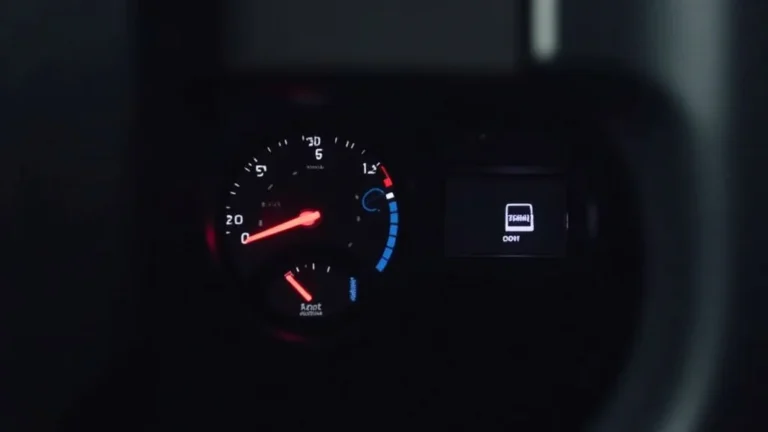
The flashing 4×4 indicator light on your F-150 isn’t just a random blinking light. It is your truck trying to communicate with you. It is a sign that there is something going on with your 4-wheel drive system. It’s important to pay attention to this warning, as it can stop you from engaging the system at all. This means your truck may not be ready for tougher driving conditions.
Let’s consider what the different flashing patterns might mean. Slow blinking usually indicates that the system is trying to switch between 2WD and 4WD modes. Fast blinking frequently signals a malfunction, and the system might not be working. Some modern F-150 models even display specific messages on the information screen, which can give you some clues.
Understanding Different 4×4 Modes
Before exploring the reasons behind the flashing light, it’s helpful to understand the different 4×4 modes. Knowing how your truck is set up allows you to better understand the system.
- 2H (Two-Wheel Drive, High): This mode sends power only to the rear wheels. It’s best for normal driving on paved roads where extra traction isn’t needed. This mode helps you save fuel.
- 4A (Automatic 4WD): In this mode, the system automatically engages 4WD when it detects a need for extra traction. It’s great for changing road conditions. This mode offers a smooth transition between 2WD and 4WD without requiring driver input.
- 4H (Four-Wheel Drive, High): This mode provides increased traction at higher speeds. It is useful for driving in snow, mud, or on gravel roads. It is designed to handle more rugged conditions.
- 4L (Four-Wheel Drive, Low): This mode provides maximum power and traction at lower speeds. It’s mainly used for off-road situations or when you need a lot of pulling power. It is ideal for situations like climbing steep hills or driving through deep sand.
The system’s control module, which controls the 4×4 modes, often plays a critical role. When the system faces problems, the control module’s function may be disrupted. This can often be the reason your indicator light is flashing.
What Causes the Flashing Indicator?
Now, let’s explore the causes behind the flashing indicator. Many different issues can cause it to flash, ranging from minor glitches to more serious problems. The good news is that by knowing the common problems, you can often narrow down what the issue is.
- Transfer Case Issues: The transfer case is the heart of your 4×4 system. It distributes power to the front and rear axles. Problems here can cause the 4×4 indicator to flash. This could be due to mechanical failure or electrical problems within the transfer case itself.
- Hub Problems: The front hubs lock and unlock the front wheels to engage 4WD. If the hubs are not functioning correctly, the system can’t switch into 4×4, causing the indicator to flash. Issues like vacuum leaks (on older models) or electrical failures can disrupt hub operation.
- Electrical Issues: Electrical problems are a common cause of the flashing indicator. This includes problems with sensors, switches, or wiring harnesses. A faulty sensor might not send the correct signal, causing the system to malfunction.
- Actuator Failure: The actuators are small motors or solenoids that physically engage the 4×4 system components. If an actuator fails, the system cannot switch into 4WD mode. The actuators are often exposed to harsh conditions, making them susceptible to failure.
Knowing these possible problems will help you begin your troubleshooting.
Troubleshooting Steps
If you see that flashing light, here are some things you can do to try and fix it before going to a mechanic. It is always wise to take simple steps before jumping to complicated fixes. These steps can often resolve simple issues and save you time and money.
Checking the Basics
Start with simple checks. You can often resolve the issue yourself before heading to a mechanic. A visual inspection may reveal easy-to-fix problems.
- Check the Fuses: Start by checking the fuses related to the 4×4 system in your F-150. A blown fuse can prevent the system from working. Find the fuse box (usually under the hood or in the cabin) and check the fuses.
- Inspect the Wiring: Look for any damaged or disconnected wires, especially around the transfer case, hubs, and actuators. Rodents or debris might have chewed through or damaged the wires. Repair or replace any damaged wiring.
- Check Fluid Levels: Ensure that the transfer case fluid is at the correct level and isn’t leaking. Low fluid levels can cause the system to malfunction. If necessary, top off the fluid or have the system checked for leaks.
Advanced Checks
If the basics don’t work, here are some slightly more advanced checks you can do. These checks require a bit more skill but can still be handled by an owner.
- Cycle Through the Modes: Try switching between the different 4×4 modes (2H, 4A, 4H, and 4L). Cycle through each mode to see if it engages and disengages properly. If some modes work and others don’t, it could point to a specific component failure.
- Listen for Sounds: While switching modes, listen for any unusual noises. Grinding, clicking, or clunking sounds can indicate mechanical problems within the transfer case or hubs. These sounds can sometimes lead you to the source of the problem.
- Use an OBD-II Scanner: Connect an OBD-II scanner to your truck’s diagnostic port. Check for any stored trouble codes. These codes provide clues about what is wrong with the 4×4 system. Once you get the codes, you can research them and find solutions.
These checks can provide valuable insight into the source of the problem.
Detailed Component Analysis
Let’s take a closer look at the key components that might be causing the flashing indicator. This deeper analysis will help you understand the system more fully.
Transfer Case
The transfer case is a crucial part of the 4×4 system. It divides the power from the transmission between the front and rear axles. A problem with this component is a major reason for the indicator light flashing. You need to know how the transfer case works and what can go wrong.
- Mechanical Issues: Mechanical issues within the transfer case can cause it to malfunction. Worn gears, broken chains, or internal component failures can prevent it from properly engaging or disengaging 4WD. These mechanical failures may require an inspection and, in certain cases, a rebuild or replacement.
- Electrical Failures: Electrical problems can disrupt the transfer case’s operation. This includes faulty sensors, solenoids, or wiring. The sensors relay information to the control module, and any disruption will lead to malfunction. It is essential to check the transfer case’s electrical components with an OBD-II scanner.
- Fluid Contamination: The transfer case needs the correct type and amount of fluid to function correctly. Contamination from water or debris will damage the internal components. Regular fluid changes are important to keep the transfer case working properly.
Hubs and Actuators
The hubs allow the front wheels to connect to the axles, and the actuators engage the 4×4 system. These parts are constantly exposed to the elements. You should be familiar with the signs of potential problems.
- Hub Problems: The hubs may fail due to wear, vacuum leaks (on older models), or electrical failures. If the hubs are not engaging, the 4×4 system will not work. Replacing the hub assembly may be required.
- Actuator Failures: The actuators physically engage the 4×4 components. They often fail due to exposure to mud, water, and road salt. If the actuators are not working, the 4×4 system will not fully engage. Replacement is the standard procedure.
- Vacuum Issues (Older Models): Some older F-150 models use a vacuum system to engage the hubs. Vacuum leaks can prevent the hubs from locking, making the 4×4 system inoperable. Regularly inspect the vacuum lines for cracks or leaks.
Electrical System
The electrical system controls the 4×4 system. Because the electrical system is integral to the system’s function, it is important to know its functions.
- Sensors: Sensors throughout the system provide data to the control module. Faulty sensors can send incorrect information, causing the indicator light to flash.
- Wiring: The wiring harness transmits the electrical signals. Damage can prevent proper functioning. Wiring should be inspected for corrosion or damage.
- Control Module: The control module is the brain of the 4×4 system. Any problem with the control module can cause the indicator light to flash.
Identifying the precise electrical failure may require advanced diagnostic tools. This will require the assistance of a trained mechanic.
Real-World Examples and Scenarios
Here are a few real-world examples and scenarios to show how these problems might appear in your F-150. These examples demonstrate how different issues can manifest.
- Scenario 1: Transfer Case Failure: A driver noticed their f150 4×4 indicator flashing meaning while driving in heavy snow. They tried to engage 4H, but the truck would not switch into 4WD. After taking it to a mechanic, they discovered that the transfer case chain had broken. They then required a costly transfer case repair.
- Scenario 2: Hub Actuator Failure: A truck owner found their 4×4 system would not engage, even after pushing the 4H button. They could hear the system trying to switch modes, but nothing happened. The mechanic found that the front hub actuators had failed.
- Scenario 3: Electrical Sensor Problems: A driver noticed the flashing indicator. They could hear the grinding when trying to switch into 4WD. An OBD-II scan showed a faulty transfer case position sensor. Replacing the sensor resolved the issue.
These scenarios highlight how different issues and symptoms may arise. They show the different outcomes depending on the kind of problem you face.
Preventative Maintenance Tips
Preventative maintenance is important for the life of your truck and the 4×4 system. Regular check-ups can prevent the problems that make the 4×4 indicator light flash. Maintenance will prevent problems before they start.
- Regular Fluid Changes: Regularly change the transfer case and differential fluids according to the manufacturer’s recommendations. This helps to keep the internal components lubricated and reduces wear.
- Check for Leaks: Frequently inspect your truck for leaks around the transfer case, hubs, and differentials. Leaks can lead to fluid loss and damage. Early detection allows for repairs before more extensive damage happens.
- Engage 4×4 Regularly: To keep everything working, engage your 4×4 system monthly, even if you do not use it often. Drive in 4H for a few miles to make sure all parts are moving and lubricated. This prevents parts from sticking.
- Inspect Components: Look at all of the 4×4 system components. Check the wiring, hubs, and actuators for damage. Check your truck regularly to detect potential issues.
- Professional Inspections: Get your 4×4 system inspected by a mechanic during regular maintenance. A mechanic can identify any potential problems before they become major issues.
These practices keep your 4×4 system in top condition and reduce the chance of seeing a flashing indicator light.
When to Seek Professional Help
While some problems are easy to fix at home, certain situations need professional attention. If you don’t have the skills or equipment, don’t hesitate to get help. Know when to reach out to a mechanic to avoid worsening any existing problems.
- Complex Diagnostics: If you’ve tried the basic troubleshooting steps, but the indicator still flashes, it’s time to visit a mechanic.
- Unusual Noises: If you hear grinding, clicking, or clunking sounds, seek professional help. These sounds often suggest serious mechanical problems.
- Loss of 4×4 Functionality: If your 4×4 system is not engaging, have it checked by a mechanic. Loss of 4×4 can reduce your driving ability.
- Electrical Issues: Electrical problems can be tricky to diagnose. Professional diagnostics and repair services are often required.
- Significant Repairs: If repairs require specialized tools or replacement of major components, consult a mechanic. This ensures the job is done correctly.
Recognizing these situations saves you time and ensures your F-150 is running safely.
Frequently Asked Questions
Question: What does a fast-flashing 4×4 indicator mean?
Answer: A fast-flashing 4×4 indicator typically indicates a more severe problem or malfunction in the 4-wheel drive system, often requiring immediate attention.
Question: Can I drive my F-150 with a flashing 4×4 indicator?
Answer: It’s generally not recommended to drive your F-150 for an extended period with a flashing 4×4 indicator, as it could indicate an underlying problem that could worsen with continued use. Driving in this condition can damage your truck.
Question: What is the typical cost to repair a 4×4 system?
Answer: The repair cost can vary, but common repairs may include replacing fuses, relays, or sensors. Extensive repairs like transfer case replacement can cost upwards of a thousand dollars, depending on the severity of the damage.
Question: What kind of transfer case fluid should I use?
Answer: Always use the transfer case fluid specified in your F-150’s owner’s manual. Using the wrong fluid can damage the transfer case. Refer to your owner’s manual for proper specifications.
Question: How often should I engage my 4×4 system?
Answer: Engaging the 4×4 system every month for a few miles can keep everything working properly. It prevents the system from seizing up and keeps all components lubricated.
Final Thoughts
Dealing with a flashing f150 4×4 indicator flashing meaning can be irritating, but understanding what it means and how to address it doesn’t have to be difficult. You now have a better grip on how your F-150’s 4-wheel drive system works. With the basics down, you can handle the situation by trying simple fixes before going to a mechanic. Remember to check fuses, look for wiring issues, and see if the different 4×4 modes engage. From there, you should be able to get a better idea of what may be going on.
Should the light keep flashing, do not hesitate to seek help from a professional. Keeping up with maintenance, such as changing fluids and regularly engaging the 4×4 system, can help you avoid problems in the future. By following these suggestions, you’ll be well-prepared to keep your F-150 running and ready for any driving situation. So, the next time the light blinks, you’ll know what to do!