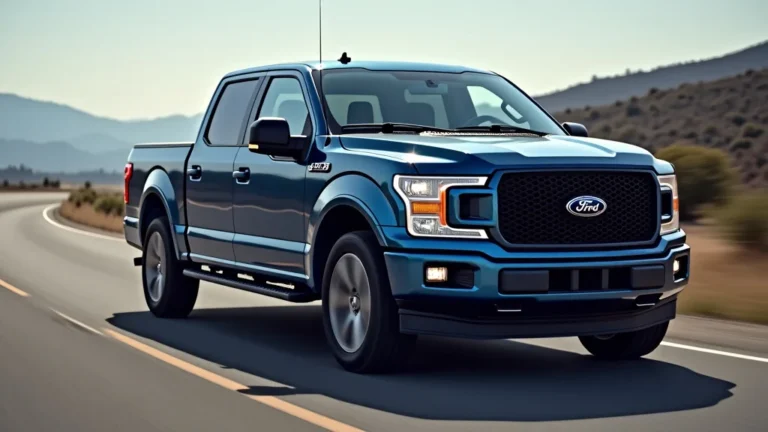
F150 Parking Brake Troubles: Solutions for Smooth Operations
Dealing with f150 parking brake problems can be a headache, especially for folks new to vehicle repair. These issues are fairly common because the parking brake system involves cables and moving parts that can wear out or get corroded over time. Don’t worry, you’re not alone, and it’s something that most owners face at some point. This guide will walk you through the most common problems and give you easy-to-follow steps to get your parking brake working right. We’ll explore the causes, how to spot them, and what you can do about it.
Key Takeaways
- Learn the common causes behind f150 parking brake issues.
- Discover how to identify early warning signs of trouble.
- Find simple steps to diagnose your parking brake problems.
- Get clear instructions on how to fix basic issues yourself.
- Understand when to seek help from a professional mechanic.
- Learn how to maintain your parking brake to prevent future problems.
Common F150 Parking Brake Problems: A Deep Dive
Many Ford F150 owners experience problems with their parking brakes. These problems can range from a brake that doesn’t hold to one that drags or even locks up. This section explores the most frequent issues, providing you with information to identify them and the first steps you can take toward a solution. We’ll look at everything from worn brake shoes to cable issues and how they influence the performance of the parking brake system.
Worn Brake Shoes and Pads
One of the most common reasons your parking brake might fail is worn brake shoes or pads. These components wear down over time due to friction, and when they get too thin, they can’t effectively grip the drum or rotor. This leads to a weak or non-existent parking brake. Detecting this problem early helps prevent further wear on the system and ensures safety. Regular inspections are vital to monitor the condition of these parts and address the issue promptly.
- What are brake shoes and pads? Brake shoes work with drum brakes, while pads work with disc brakes. Both press against the drum or rotor to stop the vehicle, including the parking brake.
- How to check them: You’ll usually need to remove the wheel and inspect the thickness of the brake shoes or pads. Compare them to the minimum thickness listed in your owner’s manual.
- Symptoms: A weak parking brake, a grinding noise when the brake is applied, or a feeling that the pedal travels too far before engaging.
- Solution: Replace the worn shoes or pads. This is a common repair that can often be done at home.
- Frequency of replacement: This depends on driving habits and conditions, but it’s typically every 20,000 to 50,000 miles.
Cable Issues: Stretching, Corrosion, and Binding
The parking brake cables are essential because they transmit the force from the lever or pedal to the brake shoes or pads. Problems with these cables are frequent, often due to stretching, corrosion, or binding. This can result in the parking brake failing to engage, or even worse, it may drag, causing the brakes to overheat and wear prematurely. These issues can be caused by rust, dirt, or mechanical wear, each impacting the cables’ ability to function smoothly. Regularly checking these cables for damage and proper function is essential for a well-maintained parking brake system.
- Cable stretching: Over time, cables can stretch, reducing their effectiveness in applying the brake.
- Corrosion: Rust can weaken the cables and prevent them from moving freely. This is a common issue, especially in areas with road salt.
- Binding: The cables might stick inside their housings due to dirt or lack of lubrication, preventing the brakes from fully releasing.
- Symptoms: A parking brake that doesn’t hold, a dragging brake, or difficulty in engaging or disengaging the brake.
- Solution: Replace or lubricate the cables. Sometimes, replacing the whole cable assembly is the best approach.
Rotor and Drum Issues
Rotors and drums play a role in the parking brake, especially in systems where the parking brake acts on the rear brakes. If these components are damaged or worn, they can’t provide proper friction for the parking brake to work effectively. Worn surfaces, warping, or rust can all impact the parking brake’s performance. Checking these components for any signs of damage is essential when addressing parking brake issues. Regular inspections and proper maintenance can extend the life of these essential parts and help maintain your truck’s safety.
- What are rotors and drums? Rotors are used in disc brake systems, while drums are used in drum brake systems. The parking brake often acts on the rear rotors or drums.
- Damage types: Warping, excessive rust, or grooves can reduce the surface area needed for the brake shoes to make contact.
- Symptoms: A weak parking brake, vibrations when braking, or a grinding noise.
- Solution: The rotors or drums may need resurfacing or replacement.
- Prevention: Regularly inspect these parts during brake inspections.
Diagnosing F150 Parking Brake Problems: A Step-by-Step Guide
Finding the root cause of your f150 parking brake problems starts with a methodical diagnosis. This section details how to check your parking brake, from basic visual inspections to more detailed checks. Understanding these steps will provide you with the information you need to troubleshoot issues and find the best path to repair. Proper diagnosis is crucial for a safe and effective parking brake system.
Visual Inspection and Basic Checks
Starting with a visual inspection and basic checks is the initial step in diagnosing parking brake issues. This includes checking for obvious signs of damage, like frayed cables or rust. Simple tests can identify immediate problems without needing to disassemble the system. Regular visual inspections are a valuable habit for preventing more severe issues.
- Check the parking brake lever/pedal: Make sure it moves freely and isn’t stuck.
- Inspect the cables: Look for any signs of fraying, rust, or damage along their length.
- Check the brake shoes or pads: Examine their condition through the wheels or by removing the tires.
- Look for leaks: Check for any brake fluid leaks around the calipers or wheel cylinders.
- Test the parking brake on a hill: Engage the parking brake on a slight incline to test its holding ability.
Testing the Cables and Linkage
Checking the cables and linkage is an essential part of the diagnostic process. This involves verifying that the cables move smoothly when the parking brake is applied and released. Binding, rust, or damage in the linkage can restrict the movement and cause the brake to fail. The following steps will assist you in ensuring that these parts function correctly, thus addressing many common problems.
- Apply the parking brake: Engage the parking brake and observe how the cables move.
- Check for resistance: If the cables don’t move smoothly, there might be binding.
- Lubricate the cables (if possible): Use a penetrating lubricant to free up any binding points.
- Test the lever or pedal: Ensure the lever or pedal moves fully and isn’t stuck.
- Check the return springs: Verify that the springs return the linkage to its original position.
Inspecting the Brake Shoes, Pads, Rotors, and Drums
Inspecting the brake shoes, pads, rotors, and drums is critical for ensuring that the braking system components are in good condition. Worn or damaged components can cause the parking brake to malfunction. This section details how to examine these crucial parts, giving you the knowledge to identify wear and other problems.
- Remove the wheels: This provides easy access to the brakes.
- Check the brake shoes or pads: Inspect the thickness and look for signs of wear.
- Examine the rotors or drums: Check for warping, grooves, or excessive rust.
- Measure the thickness: Use a measuring tool to see if the pads or shoes are within the required thickness.
- Look for leaks: Check for any signs of brake fluid leaking onto the components.
Fixing Common F150 Parking Brake Problems: A Repair Guide
Once you’ve identified the cause of your f150 parking brake problems, the next step is to address them. This section offers guidance on the necessary repairs, from simple adjustments to more complex fixes like cable
Adjusting the Parking Brake
Adjusting the parking brake is often the first step in addressing certain issues. This process ensures the parking brake shoes or pads make proper contact with the drums or rotors, offering optimum holding power. Here’s a guide to ensure your parking brake works effectively. Regular adjustment can extend the system’s life and improve its functionality.
- Locate the adjustment mechanism: This is commonly found on the parking brake cables or inside the brake drum or rotor.
- Tighten the cables: Adjust the cable until the parking brake engages properly, ensuring it’s not too tight.
- Check the wheel rotation: After adjusting, the wheels should rotate freely when the parking brake is released.
- Ensure even engagement: The parking brake should engage evenly on both sides.
- Test on a slope: Test the holding power on a slight incline.
Replacing the Parking Brake Cables
When the parking brake cables are damaged, worn, or corroded, replacement is the solution. This process ensures that the force from the lever or pedal is correctly transferred to the braking mechanism. The following steps describe how to remove the old cables and install new ones, enhancing your F150’s parking brake function. Proper cable replacement will restore your vehicle’s safety and performance.
- Raise and secure the vehicle: Safely elevate the F150 and secure it with jack stands.
- Disconnect the old cables: Detach the cables from the parking brake lever or pedal and the braking mechanisms at the wheels.
- Route the new cables: Install the new cables along the same path as the old ones.
- Connect the new cables: Attach the new cables to the parking brake lever or pedal and the brake mechanisms.
- Adjust the parking brake: Adjust the cables for the correct tension.
Replacing Brake Shoes or Pads
Replacing brake shoes or pads is an essential task when dealing with worn braking components. This task ensures the parking brake grips the drum or rotor efficiently. Here is a description of the replacement process that will improve your F150’s parking brake efficiency. Properly installed brake shoes or pads improve your vehicle’s safety and braking performance.
- Remove the wheels: Get access to the brakes.
- Remove the brake drum or rotor: Detach it from the wheel hub.
- Remove the old shoes or pads: Detach the retaining springs and other hardware.
- Install the new shoes or pads: Attach the new components, ensuring they’re properly aligned.
- Reassemble and adjust: Reassemble the brakes, ensuring correct adjustment.
Advanced Troubleshooting: When to Seek Professional Help
While many parking brake repairs can be done at home, some situations need professional expertise. This section guides you in identifying situations where getting assistance from a qualified mechanic is necessary. Knowing when to look for professional help will prevent more extensive damage and ensure your safety and vehicle’s optimal condition.
Complex Issues and Diagnostic Challenges
Some parking brake problems require specialized equipment and expertise to diagnose. If you face challenges while troubleshooting or if the issues seem complex, it is best to seek professional help. The following points highlight reasons that support professional assistance.
- Unclear diagnostics: If you can’t identify the cause.
- Complex repairs: Work needing specialized tools or skills.
- Internal brake issues: Problems within the brake assembly.
- Safety concerns: Any doubts about your repair.
- ABS involvement: If the Anti-lock Braking System is involved.
Safety Considerations and Liability
When dealing with brake repairs, safety should always be the priority. Incorrect repairs can jeopardize your safety and the safety of others on the road. This section highlights why getting professional help is crucial for complex issues or when you have safety concerns. It’s a way to ensure your brakes work correctly and limit possible liability. Consider these factors before starting repairs.
- Safety first: If you’re unsure, get professional help.
- Liability issues: Incorrect repairs can lead to problems.
- Proper tools: Professionals have the right tools.
- Warranty considerations: Your F150’s warranty might be affected.
- Legal compliance: Ensure compliance with local regulations.
Maintaining Your F150 Parking Brake: Prevention Tips
Routine maintenance can greatly extend the lifespan of your F150’s parking brake system and avoid future f150 parking brake problems. This section covers simple steps you can take to keep your brakes working properly. Following these simple steps will ensure that your braking system continues to work effectively. Remember, regular maintenance is key to keeping your truck safe and dependable.
Regular Inspections and Lubrication
Regular inspections and lubrication are essential for keeping your parking brake system working effectively. This section explores best practices for checking and maintaining your parking brake parts. Regular maintenance helps prevent problems and ensures your vehicle is always safe and ready. Follow these suggestions to help keep your parking brake system in top shape.
- Annual inspections: Have your brake system inspected annually.
- Cable lubrication: Lubricate the parking brake cables as needed.
- Check for wear: Regularly examine brake shoes and pads.
- Listen for sounds: Pay attention to any unusual noises from the brakes.
- Look for leaks: Check for any signs of brake fluid leaks.
Driving Habits and Parking Practices
The way you drive and park your vehicle impacts the parking brake’s lifespan. This section offers recommendations on driving habits and safe parking, allowing you to maintain the condition of your parking brake. Safe habits can avoid premature wear and tear, ensuring that your parking brake continues to function effectively. Following these driving practices contributes to the longevity and reliability of your truck’s parking brake system.
- Avoid harsh braking: Reduce stress on the system.
- Use the parking brake: Use it every time you park.
- Park on level surfaces: If possible, park on level ground.
- Engage the parking brake before shifting: Engage before putting the car in “Park”.
- Regular service: Get professional brake service when required.
Frequently Asked Questions
Question: Why does my parking brake not hold?
Answer: This can be due to several things, like worn brake shoes or pads, stretched or damaged cables, or issues with the adjustment mechanism.
Question: How can I tell if my parking brake cables are bad?
Answer: Check for fraying, rust, or damage. Also, if the parking brake lever or pedal feels loose, the cables might be stretched or broken.
Question: What do I do if my parking brake freezes up?
Answer: Usually, this is due to moisture inside the cables. Try lubricating the cables with a penetrating oil. Sometimes, replacing the cables is necessary.
Question: Can I adjust my parking brake myself?
Answer: Yes, in many cases. The adjustment mechanism is often located on the cables or inside the brake drum or rotor. However, consult your owner’s manual.
Question: How often should I replace the brake shoes or pads?
Answer: It depends on usage, but typically every 20,000 to 50,000 miles. Regularly inspect them during brake inspections to see if they’re still in good condition.
Final Thoughts
Maintaining your Ford F150’s parking brake is vital for both safety and convenience. This guide has explored common f150 parking brake problems, along with their causes and possible solutions. From simple adjustments and cable