Top F150 3.5 EcoBoost Problems Owners Must See
Featured image for f150 3.5 ecoboost problems
Image source: i.ytimg.com
F-150 3.5 EcoBoost owners must be vigilant for common issues, primarily stretched timing chains that can lead to significant engine damage and costly repairs if ignored. Other frequent problems include intercooler condensation causing misfires and shuddering, along with potential turbocharger failures and premature spark plug wear. Understanding these key weaknesses is vital for proactive maintenance and extending your truck’s performance and longevity.
Top F150 3.5 EcoBoost Problems Owners Must See
Hey everyone, if you’re an F150 owner with the 3.5 EcoBoost engine, you probably know its incredible power and towing capability. It’s a fantastic truck, right? But let’s be real, no engine is perfect, and sometimes we encounter specific F150 3.5 EcoBoost problems that can be a bit frustrating. I’ve owned one for years, and I’ve certainly learned a thing or two about what makes these engines tick, and sometimes, what makes them rattle!
My goal here is to share some common F150 3.5 EcoBoost problems I’ve either personally experienced or seen friends and fellow owners struggle with. Think of this as a friendly chat over coffee, where we talk about the quirks and how to keep your trusty truck running strong. Knowledge is power, especially when it comes to keeping your F150 in top shape!
What are the most common F150 3.5 EcoBoost problems, and how can owners proactively address them?
Alright, let’s dive into the common F150 3.5 EcoBoost problems. While this engine is a powerhouse, a few issues tend to pop up. But don’t worry, many are manageable with the right approach!
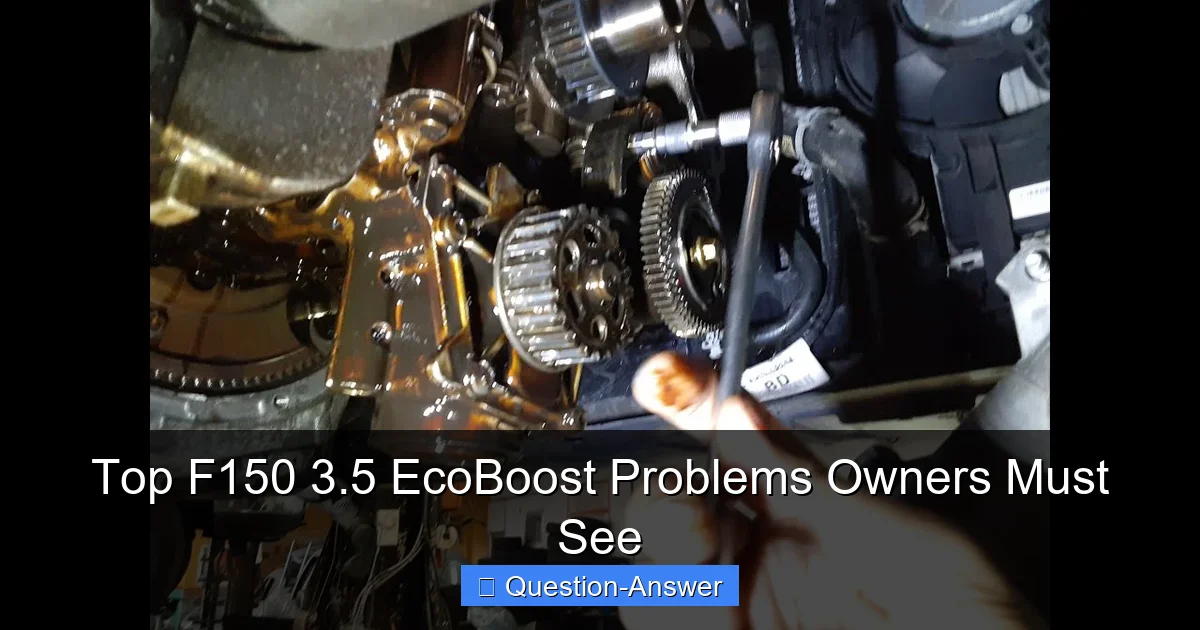
- Timing Chain and Cam Phasers: This is probably the most talked-about issue. You might hear a “diesel rattle” or a loud ticking sound, especially on cold starts, that goes away after a few seconds. I personally experienced this dreaded rattle, and it sounds exactly like what people describe. It’s usually a sign that your timing chain is stretching or the cam phasers are sticking. This can degrade performance and lead to bigger issues if ignored.
- My Tip: Diligent oil changes are crucial. Use good quality full synthetic oil at recommended intervals, or even slightly sooner. If you hear the rattle, don’t delay diagnosis. A proper repair involves replacing the timing chain, phasers, and tensioners, which can be costly but necessary for engine health.
- Intercooler Condensation (Engine Stutter/Misfire): Especially in humid climates, moisture can build up in the intercooler. When you accelerate hard, this moisture can get sucked into the engine, causing a significant stutter, misfire, or even putting the truck into “limp mode.” It’s certainly startling when it happens!
- My Tip: Many owners (including myself) have found relief with a few simple mods. A catch can can help collect oil and moisture vapor before it reaches the intercooler. Some also drill a small “weep hole” in the bottom of the intercooler to allow condensation to drain. Just be sure to research proper placement for the weep hole.
- Carbon Buildup on Intake Valves: Since the 3.5 EcoBoost is a direct-injection engine, fuel is sprayed directly into the cylinder, bypassing the intake valves. This means there’s no fuel washing over the valves to clean them, leading to carbon buildup over time. This can cause reduced power, rough idle, and decreased fuel economy.
- My Tip: Using top-tier gasoline might help minimally, but it won’t prevent it completely. The best long-term solution is a walnut blast cleaning, usually done around the 100,000-mile mark. It’s a specialized service, but it can restore lost performance. Regular maintenance and keeping the PCV system healthy can also mitigate buildup.
- Spark Plug and Ignition Coil Issues: The EcoBoost engine works hard, and its spark plugs take a beating, especially when tuned or under heavy load. You might experience misfires, rough idle, or a loss of power.
- My Tip: Don’t wait for symptoms! Replace your spark plugs more frequently than Ford’s recommended 100,000 miles, especially if you tow or drive aggressively. Many recommend changing them every 30,000-50,000 miles. It’s a relatively inexpensive DIY job or a quick garage visit. Check your ignition coils if you continue to have misfires after changing plugs.
- Turbocharger Issues: While generally robust, the turbochargers on the 3.5 EcoBoost can sometimes develop issues, often manifesting as wastegate rattle (a loose-sounding rattle from under the hood) or oil line leaks.
- My Tip: Listen for unusual noises. Regular, clean oil changes are your best defense against premature turbo wear, as the turbos are oil-lubricated and cooled. Address any oil leaks promptly.
Ultimately, staying ahead of potential F150 3.5 EcoBoost problems comes down to proactive maintenance and listening to your truck. Don’t ignore strange sounds or behaviors. While these F150 3.5 EcoBoost problems can seem daunting, with proper care and attention, your truck will continue to be a reliable and powerful companion for years to come. Happy driving!