F150 3.5 EcoBoost Turbo Issues Avoid Costly Repairs
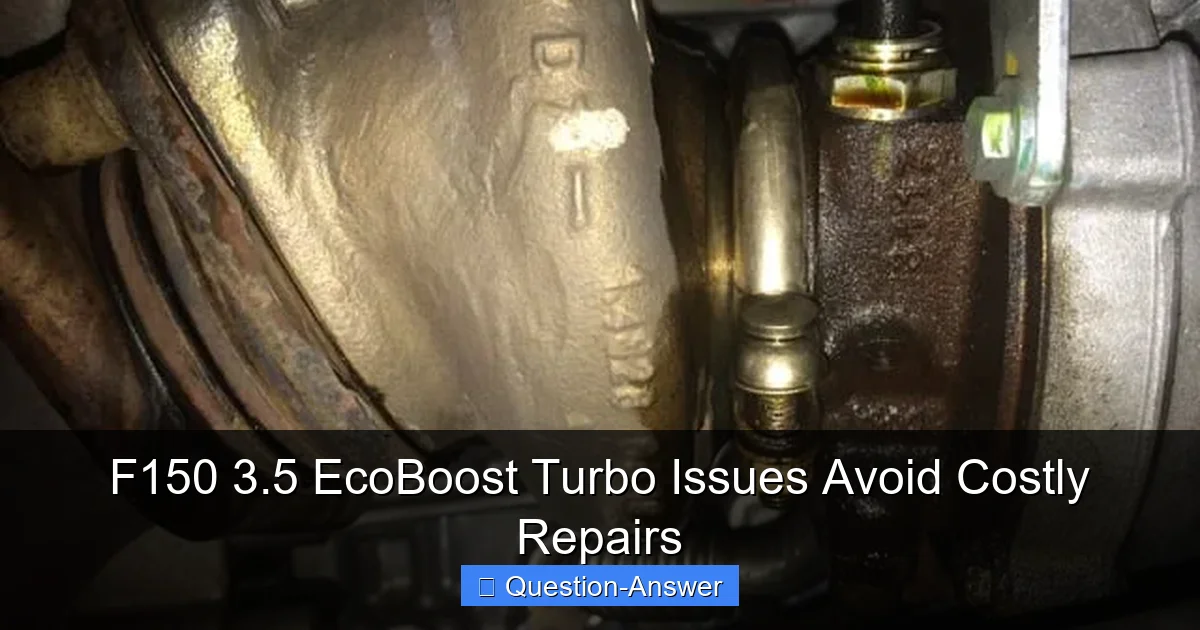
Featured image for f150 3.5 ecoboost turbo issues
Image source: images.platforum.cloud
F150 3.5 EcoBoost turbo issues can lead to extremely costly repairs if ignored, making early detection paramount for owners. Understanding common problems like wastegate failures or boost leaks and engaging in proactive maintenance can significantly extend turbo lifespan. By recognizing warning signs promptly, you can avoid major expenses and keep your truck reliably on the road.
F150 3.5 EcoBoost Turbo Issues Avoid Costly Repairs
Hey there, fellow truck enthusiasts! If you’re like me, you love your F150, especially that powerful 3.5 EcoBoost engine. It offers fantastic towing and daily driving performance. But, let’s be honest, we’ve all heard whispers, or maybe even experienced firsthand, some common issues. Among them, the turbos can sometimes cause a bit of a headache. The good news? Understanding these potential F150 3.5 EcoBoost turbo issues is the first step to keeping your truck running smoothly and avoiding those wallet-busting repair bills.
I’m here to chat with you about what to look out for and, more importantly, how to prevent those smaller concerns from snowballing into major problems. Trust me, a little proactive care goes a long way with these engines. Let’s dive in and tackle those turbo concerns head-on, so you can enjoy your F150 for years to come without the stress of unexpected repairs.
So, what are the common F150 3.5 EcoBoost turbo issues and how can I avoid expensive repairs?
It’s a great question, and one I get asked a lot. While the 3.5 EcoBoost is a fantastic powerplant, its twin turbos, like any high-performance component, have their quirks. The most common F150 3.5 EcoBoost turbo issues often stem from wear and tear, especially in a part of the engine that operates under extreme heat and pressure.
One frequent complaint is the dreaded wastegate rattle. You might hear a sound like marbles rattling in a can, especially on startup or when lightly accelerating. This often comes from wear in the wastegate actuator arm bushings. It’s more of an annoying sound than an immediate catastrophic failure, but it can eventually lead to reduced boost pressure and less efficient operation. Ignoring it too long can stress the turbos more. Another concern can be the turbos themselves whistling or making a distinct whine, sometimes accompanied by a loss of power or even blue smoke from the exhaust, indicating a more serious turbocharger failure due to worn bearings or seals.
You might also encounter oil or coolant leaks around the turbo lines. These lines are crucial for feeding oil to the turbo bearings and cooling them down. Over time, the seals and gaskets can degrade due to the intense heat. A slow leak might not seem like much, but it can lead to low oil pressure for the turbos, which is a recipe for disaster. And sometimes, what seems like a turbo issue is actually an exhaust manifold leak, often identified by a ticking sound, especially when cold. These leaks can put extra stress on your turbos over time by changing exhaust gas flow.
Now, for the good stuff – how to avoid costly repairs! This is where personal experience really comes in handy. Here are my top tips:
- Frequent Oil Changes Are King: This is probably the single most important thing you can do. Turbos rely on clean, fresh oil to lubricate their bearings. The recommended 10,000-mile interval from Ford might be too long for many. I personally stick to 3,000-5,000 miles, especially if you do a lot of towing or city driving. Use a high-quality synthetic oil, it makes a huge difference in protecting those turbo components.
- Consider a Catch Can: The EcoBoost engine uses direct injection, which can lead to carbon buildup on the intake valves. While not a direct turbo issue, a good oil separator (catch can) can significantly reduce oil vapor circulating through your intake, keeping your engine cleaner and happier, which indirectly helps the turbos by maintaining overall engine health. I added one to my truck, and it collects a surprising amount of gunk.
- Listen to Your Truck: Seriously, pay attention! If you start hearing new noises – a distinct whistle, a rattling, or a ticking sound – don’t ignore it. Catching a small wastegate rattle early, for example, might allow for a simpler repair than waiting for a full turbocharger failure.
- Check for Leaks Regularly: Take a peek under the hood periodically. Look for any signs of oil or coolant around the turbochargers and their lines. A small leak caught early is much easier and cheaper to fix than a major one that could starve your turbos of lubrication.
- Gentle Operation: Avoid hard acceleration right after starting your cold engine. Give the oil a moment to circulate properly through the turbos. Similarly, after a long tow or a hard drive, let your engine idle for a minute or two before shutting it off. This allows the turbos to cool down gradually, preventing oil coking in the bearings.
- Spark Plug Maintenance: Keep up with spark plug replacements. Misfires can create excessive heat in the exhaust, which can negatively impact the turbos. It’s an easy and relatively inexpensive preventative measure.
By being proactive and paying attention to these areas, you can significantly reduce the likelihood of experiencing major F150 3.5 EcoBoost turbo issues. It’s about being a diligent owner and giving your truck the care it deserves.
So, there you have it. While the F150 3.5 EcoBoost engine is powerful and reliable, understanding its turbo characteristics and practicing diligent preventative maintenance are key to avoiding those dreaded and expensive repairs. Listen to your truck, stick to those shorter oil change intervals, and consider those extra steps like a catch can. With a little care, your EcoBoost will continue to provide that awesome power and capability you love for many miles to come!