F150 Aerodynamics: How It Impacts Miles Per Gallon
Figuring out the f150 aerodynamics effect on mpg can be tricky when you’re just starting. It’s something many new truck owners wonder about. Don’t worry, though; it’s easier than you think! We’ll explore how your F-150’s shape affects how far you can go on a gallon of gas. You’ll soon see how small changes can make a big difference. First, let’s look at what helps your F-150 move efficiently.
Key Takeaways
- The F-150’s shape strongly influences how much fuel it uses.
- Reducing drag is key to improving gas mileage.
- Small adjustments to your truck can make a noticeable difference.
- Knowing the basics can help you save money on fuel costs.
- Several modifications, like tonneau covers, can improve airflow.
- Understanding the impact of weight and speed is essential for fuel economy.
The Role of Aerodynamics in Truck Efficiency
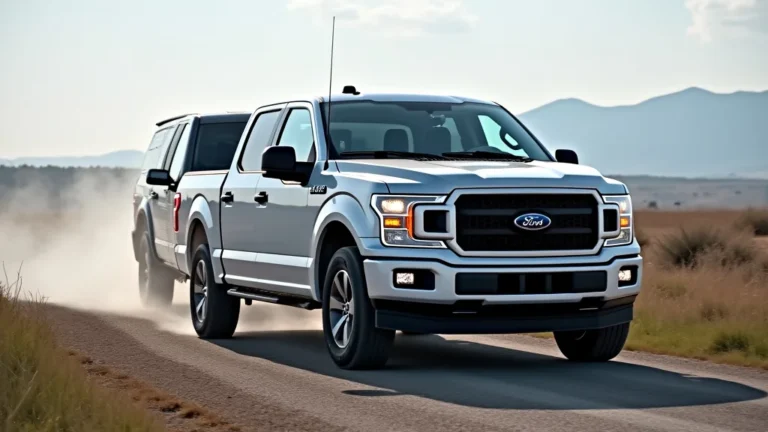
Aerodynamics is all about how air flows around objects, like your F-150. When air moves smoothly over your truck, it creates less resistance, called drag. Drag forces your engine to work harder to maintain speed, which means it uses more fuel. That’s why the aerodynamics of your F-150 directly impact its miles per gallon (MPG). A truck with good aerodynamics has a better MPG than one with poor aerodynamics. A sleek design helps the truck move through the air efficiently. This reduces the energy needed to overcome air resistance.
The F-150, like all vehicles, experiences several types of aerodynamic forces. These include:
- Air Resistance (Drag): This is the main force working against your truck. It happens when the air pushes back as the truck moves forward.
- Lift: Air flowing over and under the truck creates lift, similar to how an airplane wing works. This can affect handling and fuel efficiency.
- Side Forces: Wind can push on the sides of the truck, making it harder to stay in a straight line and potentially lowering MPG.
Improving aerodynamics can lead to significant fuel savings over time, especially when you consider how many miles you drive each year. For example, a study by the U.S. Department of Energy showed that even a small reduction in drag can improve fuel economy by several percentage points. This translates to fewer trips to the gas station and more money in your wallet.
Understanding Drag and Its Impact
Drag is the force that resists a vehicle’s motion through the air. It’s a critical factor in determining how efficiently your F-150 uses fuel. The higher the drag, the more fuel your truck needs to overcome this resistance. Drag is influenced by several elements, including the truck’s shape, size, and speed. The front of the truck, the area that first meets the air, has a significant influence on drag. The more streamlined that area is, the less air resistance is generated.
Several things contribute to drag:
- Shape: The overall shape of the F-150 influences how the air flows around it. A boxier shape creates more drag than a smoother, more streamlined design.
- Surface Area: The larger the surface area exposed to the air, the more air resistance there will be. This is why a truck’s height and width play a big role.
- Speed: As the truck goes faster, the drag increases exponentially. This means that doubling your speed doesn’t just double the drag; it increases it significantly.
To reduce drag, truck makers work hard to make vehicles more aerodynamic. This can involve adjusting the front end design, adding underbody panels, and refining the overall shape of the truck. Lowering drag is a key aim to improve fuel economy.
How Truck Design Affects Aerodynamics
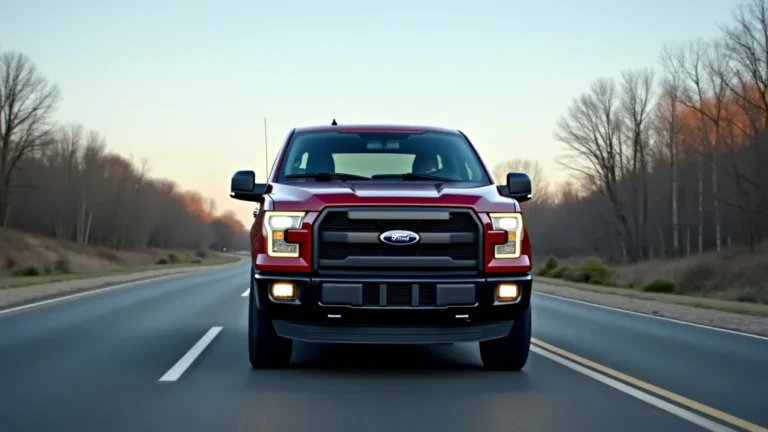
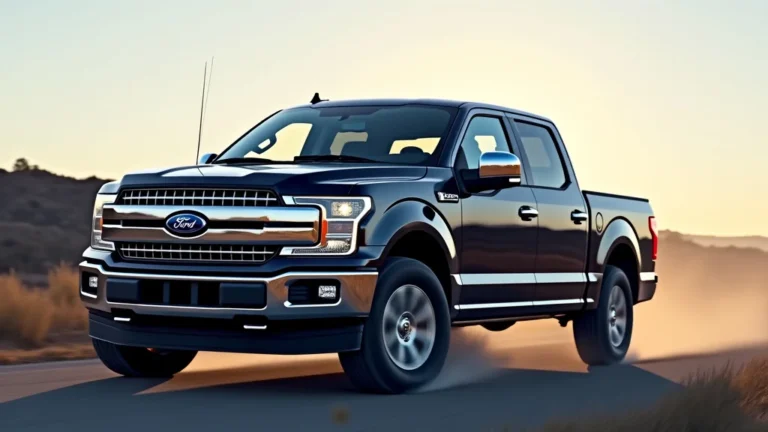
The design of your F-150 plays a massive role in how it handles the wind. Engineers consider the shape, angles, and features to make the truck as streamlined as possible. The front of the truck, including the grille, bumper, and headlights, is a key area of focus. Modern F-150s have grilles designed to direct airflow smoothly around the truck. The shape of the truck bed and the presence of any bed accessories can also impact aerodynamics.
Design features that improve aerodynamics include:
- Sloping Windshields: These help the air flow smoothly over the cab.
- Aerodynamic Mirrors: Mirrors that are shaped to reduce drag.
- Underbody Panels: Smooth panels that cover the underside of the truck to minimize air turbulence.
The balance of design elements is key. The design decisions often blend function and style. The truck has to be strong and rugged but also efficient. Truck designers constantly balance looks, efficiency, and real-world usage.
Modifications That Can Improve Aerodynamics
You can make changes to your F-150 to boost its aerodynamics. Simple changes can cut down on drag and better your fuel economy. Keep in mind that every change you make should align with how you use your truck.
Here are some examples of useful modifications:
- Tonneau Covers: These covers for the truck bed smooth the airflow. They reduce the amount of air that gets caught in the bed. Many owners see a boost in MPG with a tonneau cover.
- Bed Liners: Spray-in bed liners are another change that can help.
- Running Boards and Side Steps: They can help by reducing turbulence, but make sure they’re designed with aerodynamics in mind.
- Tires: Consider your tires. Low-rolling-resistance tires can help save fuel.
It’s important to understand that not all changes will help. Some accessories might actually increase drag. Before making changes, check how they might impact airflow. You can find detailed information and ideas online. Before making any big changes, it’s good to talk to experts.
The Benefits of Tonneau Covers
Tonneau covers are a popular add-on for F-150 owners, and for good reason. They can significantly improve aerodynamics. A tonneau cover basically smooths the airflow over the truck bed. This means less drag and better fuel economy. Without a cover, air can get trapped in the bed, causing turbulence. This turbulence increases drag and hurts your MPG. By covering the bed, you create a more streamlined surface for the air to flow over.
Different types of tonneau covers can be chosen depending on the owner’s needs:
- Hard Folding Covers: These offer good security and durability. They can often be easily folded or rolled away when you need access to the bed.
- Soft Folding Covers: These are generally more affordable and lighter. They typically fold up easily.
- Retractable Covers: These slide into a canister at the front of the bed. They offer a clean look and full access to the bed.
Studies show tonneau covers improve MPG, but your exact results will vary. The type of cover, your driving habits, and driving conditions all play a role. Tonneau covers are a sensible option for anyone wanting to boost their F-150’s fuel efficiency.
Other Aerodynamic Add-ons and Their Effects
Beyond tonneau covers, several other add-ons can enhance your F-150’s aerodynamics. Think about the way air flows over, under, and around your truck to better choose what will work best. Small changes can add up, helping you save on fuel costs.
Here are some items to consider:
- Air Deflectors: These are small devices you can put on the front edge of your truck’s hood. They change airflow, pushing air up and over the truck.
- Running Boards/Side Steps: Running boards and side steps can sometimes affect airflow. Look for designs made for good aerodynamics.
- Underbody Panels: These are smooth panels that go under the truck. They help to create a smooth surface and lessen turbulence.
- Wheel Flares: Aerodynamic flares help to better direct airflow around the wheels and tires.
While some accessories can improve aerodynamics, others might not. Always do your research and pick items that are known to help with airflow. Remember that the right accessories will depend on how you use your truck. When selecting add-ons, always check for manufacturer info about aerodynamics.
Driving Habits and Their Impact on MPG
How you drive your F-150 significantly influences your fuel economy. Your driving habits play a crucial part in how well your truck uses fuel. It’s not just about the truck’s design or add-ons; your actions on the road have a major effect on MPG. Even the most aerodynamic truck can have poor fuel economy if driven aggressively.
Here’s how you can make changes:
- Speed Control: Speed has a big impact on fuel use. The faster you drive, the more fuel you use. Staying at a consistent, moderate speed is more fuel-efficient.
- Smooth Acceleration and Braking: Avoiding quick starts and stops helps. Accelerate slowly and brake gradually to conserve fuel.
- Idle Time: Limiting the time you let your truck idle will save fuel. Idling uses gas without moving the vehicle.
- Weight: Extra weight in the truck leads to decreased MPG. Try to carry only what you need.
By adapting your driving style, you can increase your MPG, no matter what model of F-150 you have. These habits are easily adaptable and can provide instant benefits. Consistent, mindful driving is a simple way to increase your fuel efficiency.
The Effects of Speed on Fuel Efficiency
Speed is one of the most important things that affects your F-150’s fuel economy. As you drive faster, the drag increases. This is why fuel economy drops at higher speeds. The faster you go, the more your engine has to work to fight against the wind resistance. This needs more fuel.
Here’s what you should know about speed and MPG:
- Optimal Speed: Each vehicle has a speed where it’s most efficient. This is usually around 50 to 60 mph. Your truck’s manual might list the best speed for MPG.
- Exponential Increase in Drag: Drag increases exponentially as speed goes up. This means the fuel use goes up faster. Driving at 75 mph uses a lot more fuel than driving at 65 mph.
- Using Cruise Control: Keeping a steady speed is better for MPG. Cruise control can help you stay at a constant speed, especially on highways.
Slowing down is a simple change that can improve your fuel economy. Even dropping your speed a few miles per hour can result in real fuel savings over time. Pay attention to your speed and adjust your driving for improved MPG. You’ll save on fuel, and often, you won’t even notice the small change in travel time.
How Weight Impacts Fuel Economy
The weight of your F-150 also affects its fuel use. The more weight the truck carries, the harder the engine has to work. This means more fuel is used. Extra weight can come from many sources, including cargo, passengers, and add-ons. Every extra pound your truck carries makes a difference in fuel efficiency.
Here’s how weight changes affect fuel economy:
- Cargo: The extra weight from cargo in the bed or inside the cab makes the truck use more fuel.
- Passengers: The weight of passengers also influences MPG.
- Add-ons: Things like heavy off-road equipment, oversized tires, or other accessories add weight.
Reducing the weight in your truck is a simple way to improve fuel economy. Make sure you only carry what you need. Always think about how the weight you add could affect fuel use. Making smart choices about cargo and gear can help improve your MPG.
Maintenance Practices That Improve MPG
Keeping up with regular maintenance is key to getting the best MPG from your F-150. Proper upkeep helps your truck run smoothly. It can boost its efficiency, and prevent problems. A well-maintained truck uses fuel more effectively. This can save you money at the gas pump. Following a routine maintenance schedule and staying on top of any needed repairs is important for maximizing fuel economy.
Key maintenance practices that will make a difference:
- Tire Maintenance: Maintaining the right tire pressure is vital. Low tire pressure makes your engine work harder, which lowers your MPG. Regular tire checks can help.
- Engine Care: Keep up with oil changes. Change oil on time, as recommended. Using the right type of oil can also increase fuel economy.
- Air Filter: Replace your air filter as needed. A clean air filter helps the engine breathe easily, which aids fuel efficiency.
- Regular Tune-ups: A tune-up can help your engine perform at its best. They include checking the spark plugs and other important parts.
Regular maintenance is a great way to improve your truck’s fuel economy. It keeps your truck running smoothly and prevents any big issues. By doing this regularly, you’ll not only save money on fuel, but you’ll also extend the life of your F-150.
Tire Pressure and Its Role
Tire pressure is a crucial factor in fuel efficiency. The right tire pressure lets your tires roll easily. Low tire pressure adds to rolling resistance. This means your engine has to work harder, and you use more fuel. High-quality tires that are properly inflated can help you get the best gas mileage.
Here is what you should know about tire pressure:
- Check Regularly: Check your tire pressure at least once a month. Make sure to do this when the tires are cold.
- Use a Tire Pressure Gauge: Use a tire pressure gauge to get accurate readings. This lets you know if you need to add or remove air.
- Find the Right Pressure: The correct tire pressure is on a sticker on your driver’s side door frame or in your owner’s manual.
- Temperature Changes: The air pressure in your tires changes with the temperature. Adjust the pressure as needed.
Keeping your tires at the right pressure is simple, but important. This can lead to improved MPG and make your tires last longer. Make checking your tire pressure a regular habit. You’ll not only see fuel savings but also have a safer and smoother driving experience.
The Importance of a Clean Air Filter
A clean air filter is essential for optimal engine performance. The air filter cleans the air going into the engine. If the filter is dirty, it can restrict airflow. When the engine doesn’t get enough clean air, it has to work harder. This will affect fuel economy. A clean air filter helps the engine run efficiently.
Here’s what you need to know about air filters:
- What It Does: The air filter removes dirt, dust, and other particles. It keeps these from getting into your engine.
- Why It Matters: A dirty air filter reduces airflow. This hurts your MPG and can affect engine performance.
- When to Change It: Change the air filter as often as suggested in your owner’s manual. This is usually based on how many miles you drive.
- Check Visually: Check the air filter often. If it looks dirty or clogged, change it out.
Replacing the air filter is a simple task that can have a positive effect. A clean air filter helps your engine breathe better and run more efficiently. Checking and replacing your air filter is a simple step you can take to make sure you get the best fuel economy from your F-150.
Frequently Asked Questions
Question: What’s the main thing affecting my F-150’s MPG?
Answer: Aerodynamics, the shape of your truck, is the primary factor. The way air flows around your truck impacts how much fuel it uses.
Question: How can I reduce drag?
Answer: You can reduce drag by adding a tonneau cover to your truck bed, keeping the truck’s front end streamlined, and making sure accessories don’t create unnecessary resistance.
Question: Does speed affect fuel efficiency?
Answer: Yes, speed has a big effect. The faster you drive, the lower your MPG will be. The most efficient speed is usually around 50 to 60 mph.
Question: Does the weight of my truck influence MPG?
Answer: Yes, extra weight in your truck causes it to use more fuel. Remove any unnecessary items and avoid overloading your F-150.
Question: How does maintenance improve fuel economy?
Answer: Regular maintenance, like checking your tire pressure and replacing your air filter, ensures your truck runs efficiently. This leads to better MPG.
Final Thoughts
You now have a clearer idea of how the f150 aerodynamics effect on mpg. From the truck’s design to your driving habits and maintenance, there are many elements that affect how efficiently your F-150 uses fuel. The shape of your truck plays a big part in its efficiency. Modifications, such as tonneau covers, can also make a difference. How you drive, including your speed and acceleration, significantly impacts your fuel economy. Keeping up with regular maintenance, like checking your tires and replacing the air filter, is equally important.
You can improve your truck’s fuel economy. Start with small, easy changes. Check your tire pressure and make a habit of driving at a steady speed. If you’re considering making bigger changes, explore your choices and consider expert advice. The goal is to make your truck run as efficiently as possible. Apply these tips, and you’ll see the fuel savings add up over time. Enjoy your improved MPG and keep on driving!