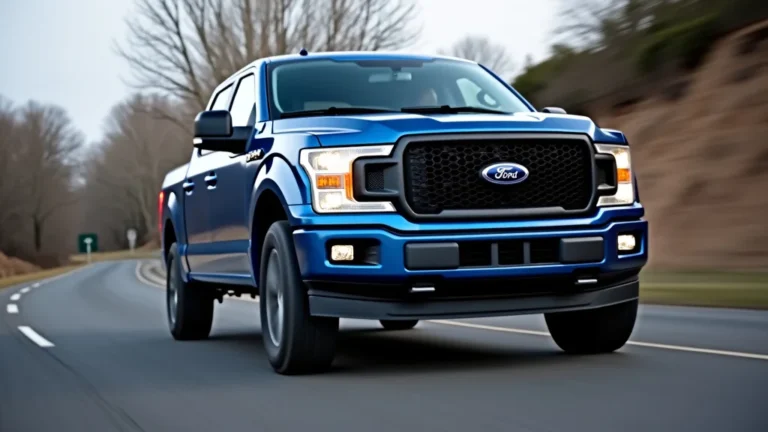
F150 Cabin Noise Reduction Tips for a Quieter Ride
If you’re looking for f150 cabin noise reduction tips, you’re not alone! Many Ford F150 owners face the issue of unwanted sounds entering their trucks. It can be a little tricky at first to find the best ways to fix this, especially with so many options. Don’t worry, though. We’re going to explore some simple methods and solutions. These tips are here to give you a quieter, more enjoyable drive, step-by-step.
Identify Noise Sources in Your F150
Before you start fixing anything, you need to find out where the noise is coming from. Think of it like a detective work. You need to observe, listen, and figure out the sound’s origin. Is it wind noise, tire noise, or perhaps something else? This first step is important so you can focus on the right areas to fix. You’ll be able to work more effectively when you know where the issue resides.
Pinpointing the source of noise helps you target the specific areas needing attention. This avoids wasting time and money on solutions that don’t address the core problem. The process can seem lengthy, but finding the source allows you to personalize your approach to noise reduction. This targeted approach is the most effective path to a peaceful driving experience.
Common Noise Types in an F150
Ford F150s, like any vehicle, can have several noise sources. Let’s look at the main ones.
- Wind Noise: Wind noise happens when air gets into the truck, often around doors, windows, or the windshield. It sounds like a constant rushing or whistling.
- Tire Noise: This noise is made by the tires rolling on the road. It can be a low hum or a louder rumble. The type of tire greatly affects how loud it is.
- Engine Noise: This comes from the engine running. It can get louder when you step on the gas. Some folks enjoy the rumble, while others prefer quiet.
- Road Noise: This is a mix of sounds, including tire noise and bumps from the road. It usually increases on rough surfaces.
Wind noise is a common annoyance in vehicles, particularly at higher speeds. It’s caused by air pressure changes around the body. The seals around doors and windows, even when new, can deteriorate or not fit perfectly. Small gaps become a gateway for wind.
Tire noise varies based on the tire type. All-terrain tires, with their aggressive tread, often generate the most noise. Highway tires, are usually quieter. Road surface also influences tire noise. Rougher asphalt makes more noise than smooth concrete.
The F150’s engine noise can be noticeable during acceleration. Engine noise levels depend on several factors including engine design. Higher-performance engines might have a more pronounced sound. Properly maintained exhaust systems help to reduce engine noise.
Road noise is a combination of sounds, especially on uneven roads. Suspension components play a part. Worn shocks or loose parts can transmit more road noise. The truck’s design impacts road noise levels, too.
Sound Dampening Materials and Techniques
After finding the noise sources, you need to use the right materials to reduce the sounds. Different types of sound dampening materials have different uses. Applying these in the right spots can greatly lower the noise levels inside your F150. It’s a worthwhile investment if you want a more enjoyable and peaceful ride.
The materials’ effectiveness also depends on proper application. It’s also important to use the correct amount of material and apply it to the right spots. Taking your time, and using the right material, increases the success. You’ll be better prepared to make a real difference, turning your truck into a sanctuary of quiet.
Types of Sound Dampening Materials
There are several types of sound dampening materials. Choosing the right one for each area is key. Here are some options:
- Sound Deadening Mat: These are sticky mats that you stick to the metal surfaces of your truck. They help to stop vibrations, which lowers noise.
- Sound Dampening Foam: Foam absorbs sound waves. It’s often used in the doors, the dashboard, and the headliner.
- Mass Loaded Vinyl (MLV): This is a heavy, flexible material that blocks sound. It’s often used as a layer to reduce sound transmission.
- Spray-on Sound Deadener: Some products can be sprayed directly onto metal surfaces. This method creates a continuous layer of sound-deadening material.
Sound deadening mats are designed to reduce vibrations and resonate noise. They convert the sound energy into heat. They are a good solution for areas like the floor, doors, and roof. These mats often feature a layer of butyl rubber and a foil backing. The foil helps with heat resistance and allows the mat to be shaped.
Sound dampening foam is used for sound absorption and insulation. It is a good choice for blocking mid- to high-frequency sounds. Foam can be made from different materials, such as polyurethane or melamine. The thickness and density of the foam impacts how effective it is.
MLV is specifically designed to block sound waves. It’s very dense, preventing sound waves from passing through it. MLV is great to use on the floor and firewall. Its weight makes it very effective at reducing noise. For optimal noise reduction, place MLV over sound deadening mats.
Spray-on sound deadeners offer an easy way to apply sound deadening. They usually come in aerosol cans or can be applied with a spray gun. It is important to prep the surface before applying these products. Spray-on deadeners can be useful in hard-to-reach areas. They provide a seamless sound-dampening surface.
Step-by-Step Application Guide
Here’s how to apply these materials in your F150:
- Prep the Surfaces: Clean the areas where you’ll be applying sound dampening materials. This ensures the materials stick properly. Remove any loose parts and wash the surface to remove dirt and dust.
- Apply Sound Deadening Mat: Cut the mats to fit the areas you want to cover. Stick them firmly onto the metal surfaces, like the floor and doors. Use a roller to press them firmly.
- Add Sound Dampening Foam: Place foam panels or sheets in areas such as door panels and the headliner. Make sure it fits correctly without blocking other parts.
- Install Mass Loaded Vinyl (MLV): Cut MLV to the size of the areas you’re covering, like the floor. Place it over the sound deadening mat for added noise reduction.
- Spray-On Sound Deadener: Use spray-on deadeners in areas that are hard to reach, if you choose this option. Follow the directions on the product for application.
Proper surface preparation is crucial for the sound dampening material to adhere correctly. Use a degreaser or wax remover to remove any contaminants. Once clean, let the surface dry completely. This step ensures that the sound-deadening materials stay in place for long-term effectiveness. Consider lightly sanding the surface for better adhesion.
Cutting the sound deadening mats is a vital step. Precise cuts around corners and edges ensure full coverage. Remove the backing paper and carefully position the mat. Use a roller to ensure a tight seal and that air bubbles are removed. This process is essential for maximum sound dampening performance.
Sound dampening foam is designed to absorb sound waves and prevent echo. Place this foam strategically around areas where noise enters the cabin. Foam can be applied with adhesive or mechanical fasteners. Ensure it does not interfere with the functionality of any components. Correct foam placement will greatly enhance the sound quality inside the truck.
MLV adds a significant barrier against sound. MLV’s density makes it effective at blocking sound transmission. It must be cut accurately to fit the areas where you want to reduce noise. MLV’s effectiveness relies on covering as much area as possible. Securing MLV with adhesive or fasteners will stop it from moving around.
Spray-on sound deadener offers a good method for covering areas where application of mats or MLV is tough. Use a spray gun to apply the deadener evenly, following the manufacturer’s instructions. Ensure the area you are spraying is properly ventilated. This method provides a continuous layer of sound dampening material, enhancing the overall noise reduction.
Sealing and Weatherstripping for Wind Noise Reduction
Wind noise is a major issue in vehicles. Properly sealing the doors and windows can significantly decrease wind noise. This part focuses on the importance of checking your truck’s seals and weatherstripping. We’ll show you how to inspect, replace, and improve these seals. This will lower the wind noise and improve your driving experience.
This process might seem simple, but the attention to detail can make a big difference. Correct sealing will not only reduce noise but also keep water and dirt out of the cabin. The rewards include a quieter ride and a more comfortable interior.
Inspect Weatherstripping
Regular inspections of the weatherstripping are essential for wind noise reduction.
- Check for Cracks and Tears: Look closely at the weatherstripping around doors, windows, and the sunroof. These cracks can allow wind into the cabin.
- Examine for Compression: The weatherstripping should compress evenly. Look for areas where it seems flattened.
- Test the Seal: Close the doors and windows to see if they seal tightly. You can feel for air leaks with your hand.
Cracks and tears in weatherstripping are major areas where wind can enter your truck’s cabin. Check the rubber for damage. Tears can create pathways for wind and moisture to penetrate. This impacts noise levels and increases the chances of leaks.
Compression indicates wear and a lack of proper sealing. Weatherstripping that has lost its elasticity won’t seal properly. Uneven compression points to areas where replacement is necessary. Check the seals around the doors. This is a common location for wear.
To check the seal, close the doors and windows. You can use a flashlight to locate light leaks. You can also move your hand around the edges of the doors and windows. If you feel any air movement, it means the seal is not complete. The door’s closing resistance should be consistent.
Weatherstrip Replacement and Enhancement
If you find that the seals are damaged, replacement is necessary. Here’s what you should do:
- Choose the Correct Replacement: Get weatherstripping designed for your truck’s model.
- Remove the Old Weatherstripping: Carefully remove the old weatherstripping. Clean the area where the new weatherstripping will go.
- Apply the New Weatherstripping: Follow the directions for your new weatherstripping. Most products have adhesive backing. Make sure it sticks well to the surface.
- Enhance Existing Seals: You can add foam tape to your existing weatherstripping to get a better seal.
Selecting the correct weatherstripping is vital. Ensure the replacement matches your F150 model. Research to find weatherstripping materials that fit your needs, such as EPDM rubber. This type is resistant to weather and wear. Using the right weatherstripping ensures a proper fit. It will maximize your noise reduction results.
Removing the old weatherstripping requires careful handling. Many weatherstripping pieces are held in place by adhesive or clips. Take time to gently remove the old material. Using a plastic scraper can help prevent damage. After removing the old weatherstripping, clean the surface thoroughly with a solvent to prepare for the new material.
Apply the new weatherstripping with precision. If the product has an adhesive backing, make sure the surface is dry before application. Slowly press the weatherstripping into place, ensuring it adheres correctly. Some weatherstripping needs to be cut to fit, so take your time and measure carefully. Properly applied weatherstripping is essential for optimal sealing performance.
Enhancing existing seals can increase their effectiveness. You can add foam tape to address small gaps. This approach will improve the seal. Foam tape is available in various thicknesses and densities. Choose a tape that suits the space you need to fill. It’s an easy and cost-effective method to improve the noise isolation.
Tire Selection and Road Noise Management
Tire choice is a big factor in road noise. The tires you select will either raise or decrease the noise in your truck. This part explores how tire types impact noise and how to select quieter tires. It goes into how you can manage road noise through tire maintenance and upgrades.
Making a good tire decision will help make your ride quieter and smoother. This can significantly improve the ride of your F150. Making the proper choice will make a noticeable change in the truck’s overall comfort. You’ll be able to enjoy a quieter and better driving experience.
Tire Types and Noise Levels
Different tire types have different noise levels. Choosing the correct tire type is important.
- All-Terrain Tires: These tires have a lot of tread for off-road use. They often produce the most noise.
- Highway Tires: Designed for road use, these tires are typically quieter. They offer a smoother ride.
- All-Season Tires: These provide a mix of features. They’re good for different weather conditions and produce moderate noise.
All-terrain tires feature deep, aggressive treads designed for off-road use. The spaces between the tread blocks trap air. This causes a humming or roaring sound. This type of tire is useful for adventure driving, but they are generally less suitable for minimizing road noise. If you value low noise levels, these tires might not be ideal.
Highway tires offer a balanced approach to on-road performance and quietness. The tread patterns are less aggressive than off-road tires. Highway tires offer reduced road noise and a more comfortable ride. These tires usually have a longer lifespan. They are often a great choice for everyday driving and keeping noise low.
All-season tires offer a balance between different driving conditions. They are a practical option for all weather. The tread design is a balance between traction and noise. They are usually quieter than all-terrain tires. They offer a good balance of performance, noise level, and longevity. All-season tires provide a good all-around driving experience.
Tire Maintenance and Upgrades
Beyond choosing the right tires, here are some things to think about for reducing noise:
- Proper Inflation: Keep your tires inflated to the recommended pressure. Incorrect pressure can increase noise.
- Regular Rotation and Balancing: Rotate and balance your tires often. This helps make sure they wear evenly and stay quiet.
- Consider Tire Upgrades: If you’re looking for extra noise reduction, consider switching to quieter tires.
Maintaining the right tire pressure is very important. Underinflated tires make more road noise. They can also decrease fuel efficiency and tire life. Check your tire pressure regularly with a reliable gauge. This will help maintain optimal driving conditions and minimize noise. Always use the pressure recommended by the manufacturer.
Regular tire rotation ensures even wear. This keeps noise levels consistent. Tire balancing addresses weight imbalances that cause vibration. These vibrations cause increased road noise. Following a regular rotation and balancing plan helps to keep your tires in top condition. This enhances comfort and helps to keep the truck quieter.
If you’re looking for extra noise reduction, think about tire upgrades. Check out tires with noise-reducing technology. Some tires feature sound-absorbing materials. Research different models to find options. These upgrades can lead to a quieter cabin experience. Consider your driving conditions. Choose tires that balance your noise and performance needs.
According to the National Highway Traffic Safety Administration (NHTSA), tire noise is a significant factor in vehicle noise levels. One study found that tire noise is responsible for up to 30% of the interior noise in vehicles. This indicates that the tire choice affects the overall driving experience.
| Tire Type | Noise Level | Best For |
|---|---|---|
| All-Terrain | High | Off-road use and rugged terrain |
| Highway | Low | Everyday driving and smooth roads |
| All-Season | Medium | Versatile driving in various conditions |
Additional Tips and Tricks for a Quieter Cabin
Beyond the basics, several other changes can contribute to a quieter cabin. These tips involve everything from the truck’s components to driving habits. Implementing these could reduce noise levels and increase your driving enjoyment. It’s about creating a holistic approach to sound reduction.
The small details can make a significant difference. Making a few simple adjustments can improve the overall sound experience. These adjustments are easy. The combined results can lead to a more relaxed and peaceful atmosphere inside your truck.
Addressing Other Noise Sources
Here are some other ideas to improve noise levels:
- Check Your Exhaust System: Ensure your exhaust system is in good shape. Leaks or damage can increase noise.
- Inspect Your Suspension: Worn suspension parts can transfer road noise. Replacing worn parts can help.
- Reduce Vibrations: Tighten any loose parts and components. This will help cut down on rattling sounds.
- Consider a Wind Deflector: These deflectors can lessen wind noise. They’re particularly useful at higher speeds.
Inspect your exhaust system for leaks or damage. Any holes can allow noise to enter the cabin. Look for corrosion, loose connections, or damaged mufflers. These issues lead to a louder exhaust note. Repair any damage to restore your truck’s quiet operation.
Worn or damaged suspension components can increase road noise. Check your shocks, struts, and bushings for wear. These parts help to absorb road vibrations. Old or damaged parts will not reduce the noise as efficiently. Replace them to improve the ride quality and decrease road noise levels.
Vibrations are a source of unwanted noise. Examine your truck for loose components. Check panels, trim pieces, and other parts that could be rattling. Tighten any loose items to reduce vibrations. Addressing vibrations is an important way to make the cabin more serene. These simple steps can make a big difference in reducing unwanted noise.
Wind deflectors redirect the airflow around your truck. They help reduce wind noise, particularly at high speeds. These are attached above the windows. Wind deflectors make driving quieter by minimizing wind turbulence. They can be a valuable addition to your noise reduction efforts.
Driving Habits for Noise Reduction
Sometimes, how you drive has a big impact on the noise you experience. Here are a few ways to drive that may reduce noise:
- Avoid Rough Roads: Try to use smooth roads whenever possible. This lowers tire and road noise.
- Control Your Speed: Higher speeds often result in more wind and tire noise.
- Minimize Open Windows: Keep your windows closed, particularly at higher speeds.
Driving on smooth roads greatly decreases noise levels. Rough roads generate more road noise, especially with aggressive tires. Use the best routes possible to maintain your comfort. This practice will result in a less noisy driving experience.
Speed directly impacts wind and tire noise. The faster you drive, the louder these noises will get. Maintain a consistent speed, especially on the highway. This not only increases fuel efficiency but also leads to a more peaceful ride.
Open windows let in significant wind noise. Keep them closed when possible to reduce noise. When you close your windows, you also cut down on outside disturbances. This results in a much quieter interior. Keeping your windows up will enhance your driving experience.
Frequently Asked Questions
Question: What’s the most effective method for reducing road noise?
Answer: Using a combination of sound deadening mats on the floor and in the doors, along with the correct tire selection, is usually the most effective.
Question: Can I reduce wind noise by replacing the door seals?
Answer: Yes, replacing worn or damaged door seals with new ones designed for your truck model will help cut down on wind noise.
Question: Which type of tire is the quietest?
Answer: Highway tires are usually the quietest. They are designed for road use and are made to reduce road noise compared to other types.
Question: How can I tell if my weatherstripping is bad?
Answer: Look for cracks, tears, or compression. You can also test for air leaks by feeling around the door and window edges.
Question: Is it possible to reduce noise without using any sound dampening materials?
Answer: Yes, you can lower noise by improving your driving habits. Also, regularly maintaining your truck and choosing tires designed for low noise levels helps.
Final Thoughts
Achieving a quieter ride in your F150 takes a focused approach. It’s all about finding out where the sound comes from. Applying sound-dampening materials is the first step. Then, sealing the doors and windows, and selecting the right tires is essential. These steps will make a real difference in reducing noise. Don’t forget that simple improvements like regular maintenance and your driving habits help.
Start with the simplest steps first, like checking your weatherstripping. Then, you can try more involved solutions. Patience is important. Each improvement adds up to a quieter, more enjoyable driving experience. Taking these steps is an investment in your comfort. Remember, even a small improvement will make your trips more peaceful and pleasant.