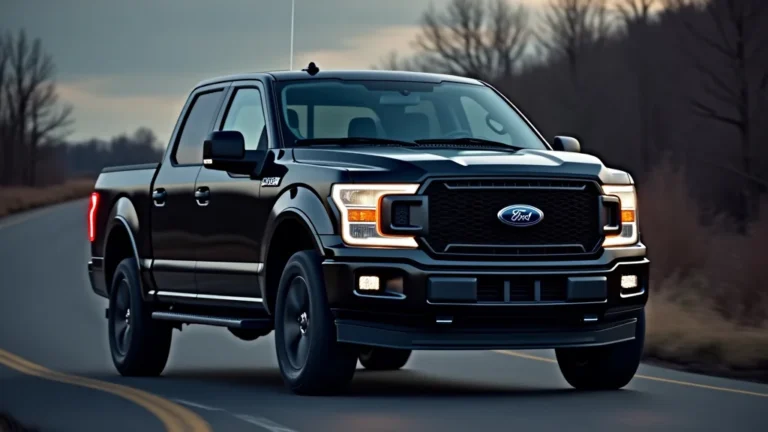
F150 Curb Weight by Trim: A Simple Guide to Weights
Figuring out the f150 curb weight by trim can seem tricky at first. Many people get confused by all the different truck models and features. Don’t worry, it’s easier than you think! This guide will break down everything in a clear, step-by-step way. We’ll start by looking at what “curb weight” really means. Then, we’ll explore each trim level and its weight. Let’s get started and make it simple!
Understanding Curb Weight for Your F150
Before we explore the specifics of the f150 curb weight by trim, let’s explain what “curb weight” means. Curb weight is how much your truck weighs when it’s ready to go. This includes the weight of the truck itself, plus all the usual stuff like a full tank of gas, all the fluids (oil, coolant, etc.), and any standard equipment. It doesn’t include passengers or cargo. This number is useful because it helps you know how much weight your truck can haul or tow. Knowing the curb weight helps when you are thinking about hauling loads in the bed or pulling a trailer.
What’s Included in Curb Weight?
Knowing what makes up curb weight is helpful. Imagine your truck sitting still, ready to drive. Curb weight is basically everything that is a permanent part of the truck. This usually includes items fixed to the truck.
- The truck’s frame, body, and all the parts attached.
- A full tank of fuel.
- All fluids like engine oil, transmission fluid, coolant, and brake fluid.
- Standard equipment, such as the spare tire, any installed audio systems, and basic tools.
Curb weight doesn’t include things you can add or take out, like passengers, cargo, or aftermarket accessories.
Why Curb Weight Matters
Why do we care about curb weight? It’s key for several reasons. Firstly, it affects fuel economy. A lighter truck generally uses less gas. Also, curb weight plays a role in how the truck handles. It can influence acceleration, braking, and turning. Heavier trucks might feel more stable, but they could take longer to stop. It’s also critical when you’re thinking about towing. You need to know the curb weight to figure out how much the truck can safely pull. Knowing the curb weight is a base number for figuring out payload capacity. So, understanding curb weight is a must for any truck owner.
Factors That Influence Curb Weight
Many things can change the curb weight. Different engine options add or reduce weight. A bigger engine usually weighs more. The trim level is another important factor. Higher trims often come with more features, adding weight. The cab size – regular, super cab, or super crew – also matters because they have different body sizes and more passenger space. Plus, extra features like four-wheel drive and certain packages can increase the weight. The kind of materials used for the body also plays a role, with some newer materials reducing weight.
F150 Trim Levels and Their Curb Weights
Now, let’s explore the f150 curb weight by trim. Each F150 trim has a different curb weight. This is because each trim has a unique set of features and equipment. We’ll look at several popular trim levels to give you an idea of the typical weights. Keep in mind that these weights are approximate and can change depending on specific options and configurations.
XL Trim Curb Weight
The XL trim is usually the most basic F150. It’s often used for work and has fewer features than higher trims. Because of this, the XL trim typically has one of the lower curb weights. This trim is a favorite for those who use their trucks for work purposes like construction and delivery services.
- Why it’s lighter: Fewer added features mean less weight. Basic seating, minimal tech, and a simpler interior keep the weight down.
- Common configurations: XL trucks often come in regular cab or super cab configurations to save weight.
- Engine choices: The XL trim may have several engine options but usually has a starting engine that is lighter.
Here’s a sample of possible curb weights for a basic XL trim, depending on cab size, engine, and drivetrain:
| Configuration | Approximate Curb Weight (lbs) |
|---|---|
| Regular Cab, 4×2 | 4,000 – 4,200 |
| Super Cab, 4×4 | 4,600 – 4,800 |
XLT Trim Curb Weight
The XLT trim is a step up from the XL. It offers more features and is popular with families and everyday drivers. Because of the extra features, the XLT is usually heavier than the XL trim. You’ll find things like a better infotainment system, upgraded interior materials, and more convenience features.
- Extra features mean more weight: Features like power windows, upgraded sound systems, and better seating add to the overall weight.
- Configuration options: The XLT is available in various cab sizes and bed lengths. The bigger the truck, the more it weighs.
- Common upgrades: Many XLT models have options like running boards or a trailer tow package, which increase the curb weight.
Let’s look at some approximate curb weight ranges for the XLT trim:
| Configuration | Approximate Curb Weight (lbs) |
|---|---|
| Super Cab, 4×2 | 4,400 – 4,600 |
| Super Crew, 4×4 | 4,800 – 5,200 |
Lariat Trim Curb Weight
The Lariat trim takes luxury a step further. You’ll find many premium features. The increased features and technology make it the heaviest of these three trims. You can expect things like leather seats, advanced technology features, and improved interior design. This trim is a good choice for people wanting a comfortable and capable truck.
- Luxury features add weight: Leather seating, premium sound systems, and advanced driver-assist features all contribute to a heavier curb weight.
- Tech upgrades: Larger infotainment screens and more electronic components increase the weight.
- Higher-end options: The Lariat trim often includes options that are not available on lower trims, and this can add weight.
Here’s an example of curb weight ranges for the Lariat trim:
| Configuration | Approximate Curb Weight (lbs) |
|---|---|
| Super Crew, 4×2 | 4,900 – 5,200 |
| Super Crew, 4×4 | 5,300 – 5,600 |
Comparing Weights Across Trims
When you look across the different trim levels, the curb weights change significantly. From the base XL to the more luxurious Lariat, there is a weight increase due to added features and upgrades. This is typical for trucks, as higher trims provide more comfort and convenience. Knowing these differences can help you pick the best truck for your needs.
Here’s a quick comparison of average curb weight ranges:
| Trim | Approximate Curb Weight (lbs) |
|---|---|
| XL | 4,000 – 4,800 |
| XLT | 4,400 – 5,200 |
| Lariat | 4,900 – 5,600 |
Factors Influencing Weight for Each F150 Trim
Several factors affect the curb weight of each F150 trim. These aren’t just about trim level; they also relate to the options you pick. Knowing these key elements helps you anticipate the weight of the truck you are thinking about purchasing.
Engine Choices and Weight
The engine you choose is a major factor. Different engines weigh different amounts. A larger engine, such as a V8, usually weighs more than a smaller V6. The choice affects fuel economy and performance, but it also impacts the curb weight. If you’re comparing models, remember the engine is a key piece of the puzzle.
- V8 Engines: Generally heavier, offering more power and torque.
- V6 Engines: Typically lighter, giving you good performance and better fuel efficiency.
- EcoBoost Engines: These turbo-charged engines may be lighter than a traditional V8.
A Ford F150 with a 3.5L EcoBoost engine may have a curb weight that is close to a truck with a 5.0L V8, which impacts performance characteristics.
Cab Configurations and Weight
The size of your truck’s cab significantly affects the weight. There are three main cab styles: Regular Cab, Super Cab, and SuperCrew. The Regular Cab is the smallest and lightest. SuperCabs and SuperCrew cabs are bigger, offering more space for passengers and cargo, but they also weigh more.
- Regular Cab: Typically the lightest, with a single row of seats and a shorter cabin.
- Super Cab: Has a second row of smaller rear seats and is heavier than the Regular Cab.
- SuperCrew: Provides the most interior space with a full-size second row, making it the heaviest cab option.
The change in curb weight when moving from a Regular Cab to a SuperCrew can be up to 500 pounds.
Drivetrain and Weight
The drivetrain, either 4×2 (rear-wheel drive) or 4×4 (four-wheel drive), also influences the curb weight. Four-wheel-drive systems have extra parts like a transfer case, front axles, and other components. These parts add weight to the truck. Four-wheel-drive trucks are great for off-road use, but they usually weigh more than two-wheel-drive versions. Consider how you will use the truck when choosing between these options.
- 4×2 (Rear-Wheel Drive): Generally lighter, good for everyday use and better fuel economy.
- 4×4 (Four-Wheel Drive): Heavier because of the added components, ideal for off-road adventures and driving in bad weather conditions.
The difference in curb weight between a 4×2 and a 4×4 can range from 200 to 400 pounds.
Available Packages and Weight
Ford offers various option packages. These packages bundle certain features together. Some packages, such as the Max Trailer Tow Package or the FX4 Off-Road Package, add weight. Each package includes extra equipment that enhances the truck’s capabilities and features. These may include heavier-duty suspension components, skid plates, or larger wheels and tires, all of which raise the curb weight.
- Tow Packages: Include heavier-duty parts for towing.
- Off-Road Packages: Add skid plates, upgraded suspension, and other items for off-road use.
- Appearance Packages: Features unique wheels, trim, and other cosmetic additions that could add to the curb weight.
The addition of a Max Trailer Tow Package can increase the curb weight by approximately 150-250 pounds.
How to Find Your F150’s Curb Weight
Now that you have a better idea of the f150 curb weight by trim, how can you find the exact weight for your truck? Here are several ways to get the correct information.
Check the Driver’s Side Door Sticker
One of the easiest ways to find your truck’s curb weight is by looking at the sticker on the driver’s side door jamb. This sticker is often called the “certification label.” It has all sorts of important information about your truck. The sticker gives the original factory numbers for the specific vehicle. This label will show your truck’s original curb weight, which is the most accurate number for your truck as it left the factory.
Consult Your Owner’s Manual
The owner’s manual is a great resource. While the manual may not give the exact curb weight for your truck, it usually has weight information. The manual might have specifications for different configurations. This will provide you with a good estimate based on the options your truck has. The owner’s manual has other useful information about your truck, such as maintenance schedules, too.
Use Online Resources
Ford’s website and other automotive websites are helpful. You can often find the curb weight for different model years and configurations. You might need to enter some details about your truck, such as the trim, engine, and cab style. When you give these details, you’ll be able to see the specific weight information. Always double-check that the information matches your truck’s exact specifications.
Weigh Your Truck at a Truck Scale
The most precise method is to weigh your truck at a truck scale. Public scales are found at many truck stops or recycling centers. You drive your truck onto the scale, and it measures the actual weight. You will want to make sure your truck is empty, without any passengers or cargo, to get the closest measurement to its curb weight.
Frequently Asked Questions
Question: Why is curb weight important when towing?
Answer: Curb weight is important because it helps you determine your truck’s towing capacity. Knowing the curb weight, along with other specifications, helps you calculate the maximum weight you can safely tow.
Question: Does adding accessories affect the curb weight?
Answer: Yes, adding accessories like a bed cover or running boards will increase your truck’s curb weight. Every additional item contributes to the overall weight.
Question: How can I tell if my truck has the tow package?
Answer: You can often identify a tow package by checking the VIN (Vehicle Identification Number) or looking for a trailer hitch receiver, a wiring harness for trailer lights, and a higher-capacity cooling system.
Question: Where can I find the payload capacity for my F150?
Answer: The payload capacity is usually listed on a sticker in the driver’s side door jamb. You can also find this information in your owner’s manual or online resources using your truck’s specific details.
Question: Can I change my truck’s curb weight?
Answer: Yes, you can change your truck’s curb weight by adding or removing accessories, changing the engine, or making other modifications. However, always consider the impact on your truck’s performance and safety.
Final Thoughts
You now have a better idea of the f150 curb weight by trim. Remember that the curb weight can change based on the specific options and components your truck has. It’s also crucial to remember that curb weight is a base figure. Understanding the curb weight is key, whether you’re thinking about towing a trailer, improving fuel economy, or simply wanting to know more about your truck’s capabilities. With the information in this guide, you have the knowledge needed to discover your truck’s exact weight. Do not hesitate to use the methods described to discover the weight of your specific F150. Use this knowledge to take your truck’s performance and functionality further.