F150 EcoBoost Turbo Failure Symptoms to Watch For
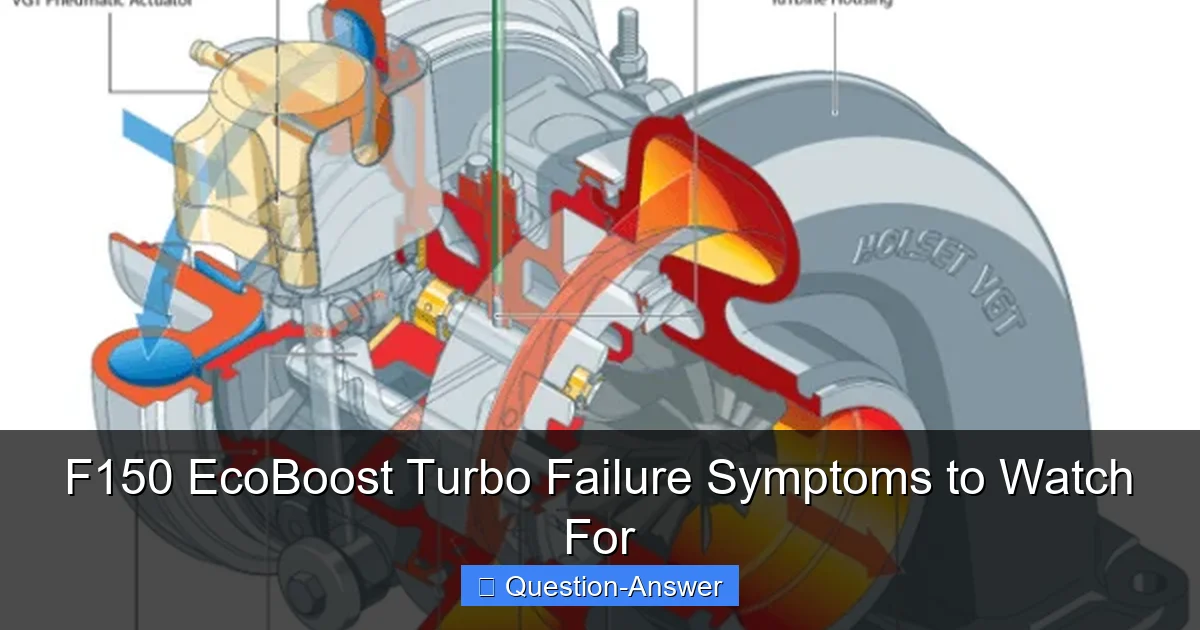
Featured image for f150 ecoboost turbo failure symptoms
Image source: truckfreighter.com
F150 EcoBoost owners must be vigilant for common turbo failure symptoms to prevent costly repairs and maintain performance. Key indicators often include a noticeable decrease in engine power, strange noises like whining, screeching, or rattling from the engine bay, and excessive blue or white smoke from the exhaust. Promptly addressing a “Check Engine” light, increased oil consumption, or a burning oil smell is crucial for your truck’s longevity and reliability.
Hey fellow F150 owners! That EcoBoost engine is a powerhouse, right? We love the torque and efficiency it brings. But like any complex part, the turbos can sometimes show signs of wear. If you’re noticing your trusty truck acting a little off, you might be seeing early F150 EcoBoost turbo failure symptoms. Catching these early can save you a big headache (and wallet ache!) down the road.
It’s smart to pay attention. Your F150 often tells you when something isn’t right. Knowing what to look for helps you address issues quickly. Let’s dive into the common signs of turbo trouble.
What are the common F150 EcoBoost turbo failure symptoms, and how can I spot them?
You’re asking a great question! Spotting F150 EcoBoost turbo failure symptoms early is truly key. From my own experience and chatting with other owners, here’s what often pops up when those turbos start to struggle. It’s like your truck whispering (or sometimes shouting!) that something needs attention.
1. A Noticeable Loss of Power and Sluggish Acceleration
This is often the first thing you feel. Your truck just doesn’t pull like it used to. Remember that strong acceleration when you first bought it? If it feels like a heavy blanket is suddenly thrown over your engine, or merging onto the highway feels like a struggle, that’s a big red flag. I once noticed my truck struggling to tow my small utility trailer. It used to do that job effortlessly. That was my first clue. Your turbos are supposed to force more air into the engine, giving it that boost. When they fail, that boost disappears.
2. Unusual Noises: Whining, Whooshing, or Grinding
Listen closely! A failing turbo can make some distinct sounds. You might hear a high-pitched whining noise. It gets louder as you accelerate, almost like a dental drill. Sometimes it’s a “whooshing” sound that isn’t quite right. Or, if things are really bad, you might hear a harsh grinding. I remember hearing a faint whine that slowly got louder over a few weeks. It sounded different from the usual engine hum. These noises are often most noticeable when you spool up the turbo, like when you’re stepping on the gas.
3. Excessive Smoke from the Exhaust
Smoke is never a good sign, especially blue or white smoke. If you see a plume of blue smoke coming from your tailpipe, particularly on startup or when accelerating, it often means oil is burning. This could be due to a leaking turbo seal. White smoke could indicate coolant issues. These sometimes tie into turbo problems if the cooling lines are affected. A friend of mine had blue smoke showing after a hard drive. It pointed straight to his turbo seals.
4. Check Engine Light (CEL) Illumination
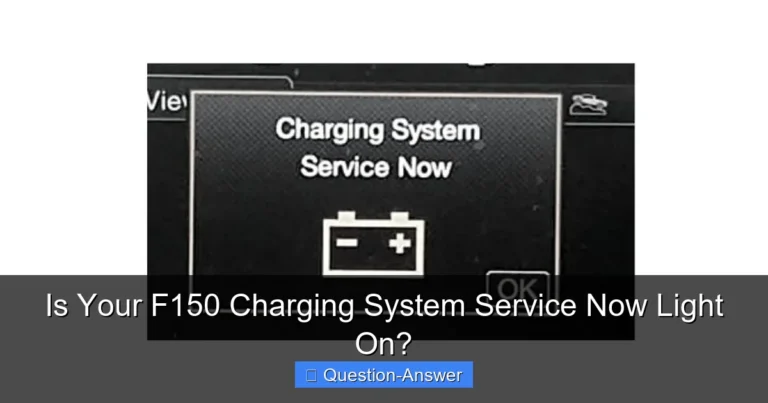
Ah, the dreaded Check Engine Light. Your F150’s computer is very smart. If it detects an issue with boost pressure, air-fuel mixture, or other related problems due to a failing turbo, it will usually trigger the CEL. While it doesn’t always scream “TURBO FAILURE!”, it’s a clear signal to get it scanned immediately. Common codes might relate to boost pressure sensors or turbocharger performance.
5. Increased Oil Consumption and Low Oil Levels
Is your truck suddenly drinking oil like crazy? Turbos use engine oil for lubrication and cooling. If their seals fail, oil can leak into the exhaust or intake system. This leads to higher oil consumption. You might find yourself adding oil more often than usual. I check my oil regularly, and when I saw it dipping faster than normal, I knew something was amiss.
6. A Drop in Fuel Economy
The EcoBoost is all about power and efficiency. If your turbos aren’t working right, the engine has to work harder to produce power. This often translates to a noticeable decrease in your MPG. You’ll find yourself at the gas pump more often. It’s a subtle but important EcoBoost turbo problem symptom.
7. Burning Oil Smell
Sometimes you don’t see the smoke, but you definitely smell it. If you catch a burning oil smell, especially after driving, it could be oil leaking from the turbocharger. This oil can then hit hot engine parts. Don’t ignore this smell!
If you notice any of these F150 EcoBoost turbo failure symptoms, it’s really best to have your truck checked out by a trusted mechanic sooner rather than later. Ignoring these signs can lead to more severe engine damage and a much more expensive repair bill. Early detection can save you a lot of grief!
Keeping an eye out for these F150 EcoBoost turbo failure symptoms is a smart move for any owner. Your truck is an investment. Recognizing these warning signs can help you address potential EcoBoost turbo problems before they escalate. Trust your gut and your truck’s behavior – it often tells you exactly what’s going on. Happy (and healthy!) driving!