F150 Exhaust Manifold Leak Symptoms What to Look For
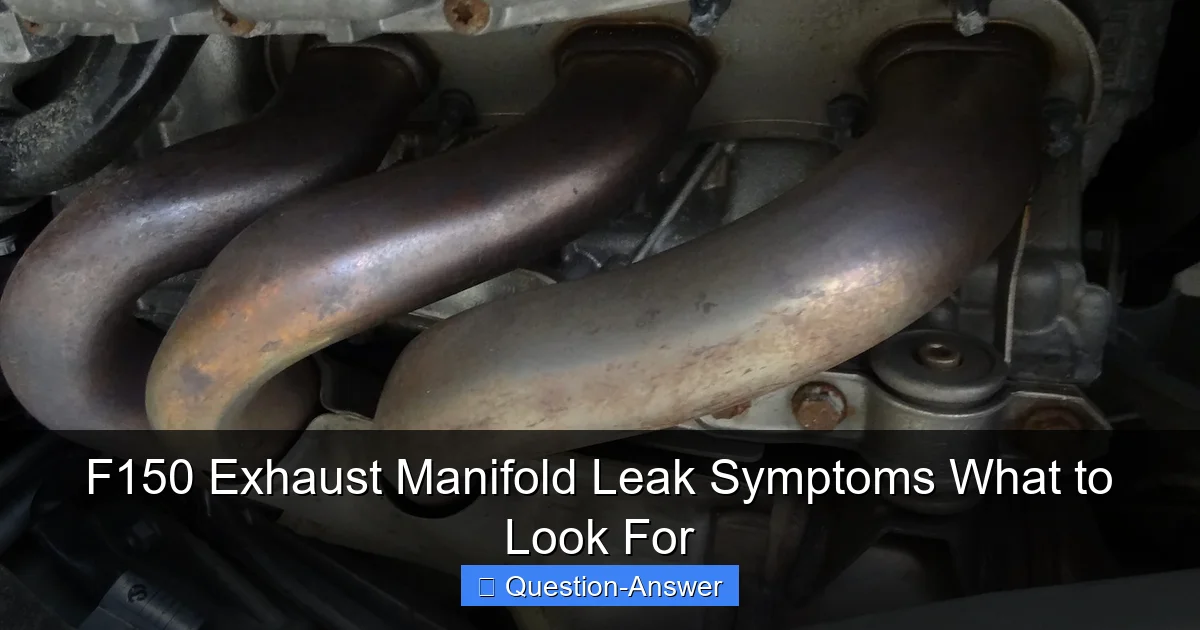
Featured image for f150 exhaust manifold leak symptoms
Image source: s3.amazonaws.com
A tell-tale ticking or tapping noise, particularly on a cold start, is often the first and clearest sign of an F150 exhaust manifold leak. This distinct sound may diminish as the engine heats up, but don’t ignore it. Additionally, be alert for exhaust fumes permeating the cabin, decreased engine performance, or visible soot around the manifold, as these are critical indicators demanding prompt attention to prevent more extensive engine issues and ensure your F150’s longevity.
Hey there, fellow F150 owner! Have you ever heard a strange ticking sound from your engine bay or smelled exhaust when you’re sitting still? If so, you might be dealing with a common but annoying issue: an F150 exhaust manifold leak. It’s one of those things that, once you know what to listen for, becomes pretty clear.
Basically, an exhaust manifold leak means hot exhaust gases are escaping before they should, usually due to a cracked manifold or a failing gasket. This isn’t just a minor annoyance; it can lead to bigger problems if ignored. So, let’s talk about the key F150 exhaust manifold leak symptoms you should watch out for.
What are the tell-tale signs of an F150 exhaust manifold leak I should really be paying attention to?
From my own experience and what I’ve seen with other F150s, there are a few unmistakable F150 exhaust manifold leak symptoms that really stand out. Catching these early can save you a lot of headache and potential damage down the road. Here’s what to look for:
- The Infamous Ticking or Tapping Noise: This is probably the most common symptom. It’s often described as a distinct ticking or tapping sound, almost like a sewing machine or a faint popcorn maker.
My buddy, Mark, first noticed this on his ’13 F150. He called me, asking, “Is my engine about to blow up?” I told him to listen closely when starting the truck cold. Sure enough, the ticking was loudest right after starting, especially on a cold morning. As the engine warms up and the metal expands, the ticking might lessen or even disappear for a bit, only to return. You’ll often hear it under acceleration too, particularly when the engine is under load. This noise happens because the exhaust gas is escaping in small bursts through the crack or gap.
- Exhaust Fumes in the Cabin: This is a symptom you definitely don’t want to ignore. If you start smelling exhaust inside your truck, especially when you’re stopped at a light or in slow traffic, it’s a huge red flag.
I remember one time I was driving my F150, and I kept getting whiffs of exhaust. It was strongest when I was idling. Turns out, the leak was letting fumes drift right into the HVAC system. Not only is this unpleasant, but prolonged exposure to exhaust fumes is dangerous. Your health is way more important than putting off a repair.
- Reduced Engine Performance or Fuel Economy: While not always super obvious, an exhaust leak can sometimes mess with how your engine breathes. The O2 sensors, which measure oxygen levels in the exhaust, might get incorrect readings.
This can trick your engine’s computer into adjusting the air-fuel mixture incorrectly. The result? You might feel a slight dip in power or notice your gas mileage isn’t quite what it used to be. It’s subtle, but if you track your fuel economy, you might spot a change.
- Visible Soot or Carbon Deposits: This one requires a quick visual check. If you suspect an exhaust manifold leak, pop your hood when the engine is cool. Look around the exhaust manifold where it bolts to the cylinder head.
You might see black, sooty stains or carbon deposits on the manifold itself or on nearby components. This is visual evidence of exhaust gases escaping. It’s like a tiny chimney that’s been puffing soot onto its surroundings. Also, look for any missing or broken manifold studs; they’re a common culprit.
- Check Engine Light (CEL): While not always the first sign for just a minor leak, a check engine light can illuminate if the leak is severe enough to affect oxygen sensor readings significantly.
The codes would typically relate to O2 sensor performance or fuel trim issues. If your CEL comes on along with any of the other F150 exhaust manifold leak symptoms, it definitely warrants immediate attention.
Ultimately, if you’re experiencing any of these F150 exhaust manifold leak symptoms, trust your gut. Your F150 is trying to tell you something. Getting it checked out by a trusted mechanic sooner rather than later can prevent more costly repairs down the line, keep your truck running smoothly, and ensure your cabin air is fresh. Stay safe out there!