Fixing F150 Frame Rust Problems Your Complete Guide
Featured image for f150 frame rust problems
Image source: twstatic.net
F150 frame rust is a pervasive and potentially dangerous issue that demands prompt attention from truck owners. This comprehensive guide reveals why F150 frames rust and, more importantly, how to effectively stop it in its tracks. Learn the best strategies for diagnosing, treating, and preventing rust to safeguard your investment and ensure your F150’s longevity.
Fixing F150 Frame Rust Problems: Your Complete Guide
Hey there, fellow F150 owner! Let’s be honest, spotting rust on your beloved truck’s frame can feel like a punch to the gut. It’s a common concern, especially if you live in areas with harsh winters or salty air. But here’s the good news: F150 frame rust problems, while annoying, are often manageable. You don’t have to throw in the towel just yet! With a little know-how and some elbow grease, you can tackle this issue head-on and keep your truck trucking for years to come.
I’ve been there myself, staring at those orange-brown patches, wondering what on earth to do. It feels daunting, but trust me, it’s not the end of the world. Let’s dive into what causes it and, more importantly, how we can fix it and prevent it from coming back.
What’s the deal with F150 frame rust problems, and how can I fix and prevent them?
Alright, let’s get down to brass tacks. The issue of rust on F-150 frames isn’t unique to Ford; it’s a reality for many vehicles, especially those exposed to the elements. The main culprits are road salt, humidity, and moisture trapped in nooks and crannies. Over time, that protective factory coating can wear down, leaving bare metal vulnerable. This is where F150 frame rust problems really start to take hold.
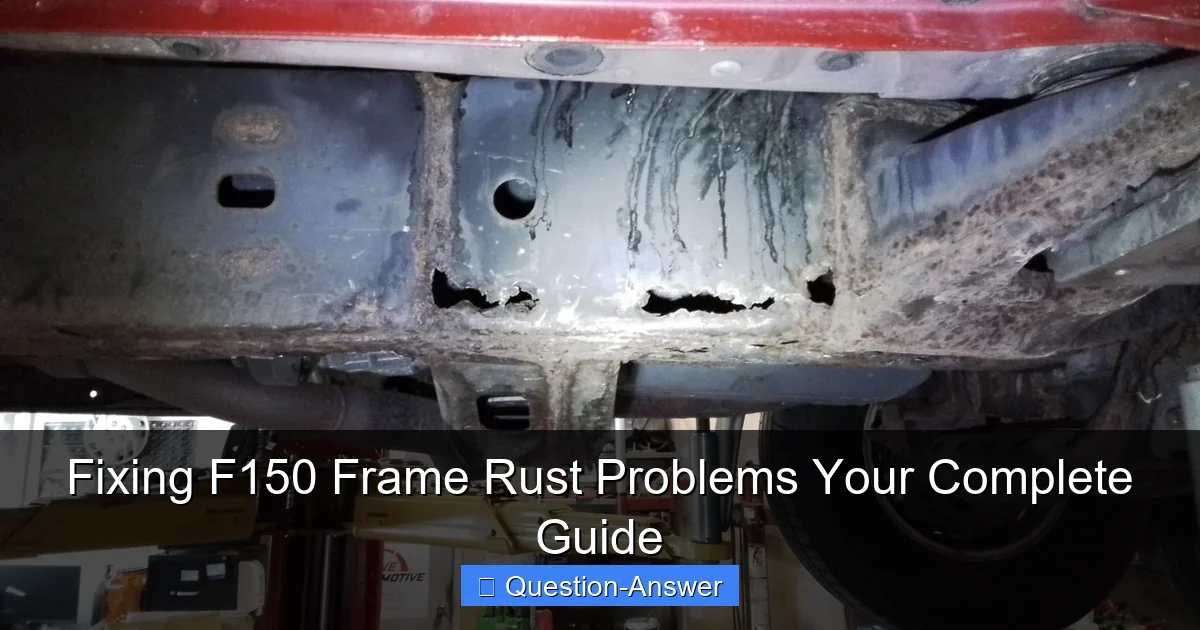
First, you need to inspect. Get under your truck safely (use jack stands, please!). Grab a flashlight and carefully look at the frame rails, crossmembers, and suspension mounting points. Pay extra attention behind the wheel wells, near body mounts, and where different frame sections are joined. Are you seeing just a light surface “dusting” of rust, or is it flaky, scaled, or worse, are there any perforations? Surface rust is relatively easy to deal with, but heavy scaling or holes mean a more serious intervention.
Addressing the Rust – My Personal Approach:
Once you’ve assessed the damage, it’s time for action. Here’s what I’ve learned from tackling F150 frame rust on my own truck and helping friends with theirs:
- Clean, Clean, Clean: This is the absolute foundation. You need to remove as much loose rust as possible. For light rust, a wire brush or an angle grinder with a wire wheel attachment works wonders. For heavier, scaled rust, you might need a needle scaler or even a small sandblaster (if you’re feeling ambitious and have the right safety gear). I always recommend goggles and a respirator. Trust me, rust dust is not something you want to breathe in. The goal is to get down to solid, clean metal where possible.
- Rust Converter: After cleaning, I often apply a good rust converter. This stuff chemically transforms remaining rust into a stable, paintable surface. It turns the rust black, essentially neutralizing it. Follow the product instructions carefully for drying times.
- Primer Power: Once the converter is dry, it’s time for a quality primer. An epoxy primer is fantastic because it creates a tough, impermeable barrier that really sticks to the metal. This is a crucial step in preventing future F150 frame rust problems.
- Top Coat Protection: Now for the final layer of defense. You have a few options here.
- Frame Paint: Specific frame paints are designed for durability and flexibility. They offer excellent protection.
- Rubberized Undercoating: While it sounds good, I’ve found some rubberized coatings can trap moisture if applied incorrectly or if the surface isn’t perfectly prepped. Be cautious.
- Wax/Oil-Based Coatings (My Go-To): Products like Fluid Film or Woolwax are fantastic. They creep into seams, displace moisture, and self-heal if scratched. I apply these annually, especially before winter. They’re a bit messy, but they work incredibly well to prevent new rust and stop existing rust from spreading. You can spray them on yourself with an air compressor or an aerosol can.
- Don’t Forget the Inside! The frame is hollow. Drilling small, strategic holes (if there aren’t existing access points) and spraying the wax/oil coating inside is a game-changer. This stops rust from eating away from the inside out, which is a silent killer for many frames.
Prevention is Key: Once you’ve done all that hard work, maintain it! Wash your truck regularly, especially after driving on salted roads. Reapply your protective coatings annually. Keep an eye on those drain holes in the frame; make sure they’re clear so water doesn’t sit and contribute to F150 frame rust.
It’s not a quick fix; it’s a commitment. But knowing your truck is safe and sound underneath provides immense peace of mind. If the rust is severe, with large holes or structural integrity concerns, please consult a professional mechanic or a frame specialist. Safety always comes first.
Ultimately, tackling F150 frame rust problems is totally doable for the diligent owner. It might take a weekend, or two, but the satisfaction of knowing your F150 is protected against the elements is incredibly rewarding. Keep an eye on it, stay proactive, and your truck will thank you with many more years of dependable service.