DIY F150 Fuel Injectors Cleaning for Peak Performance
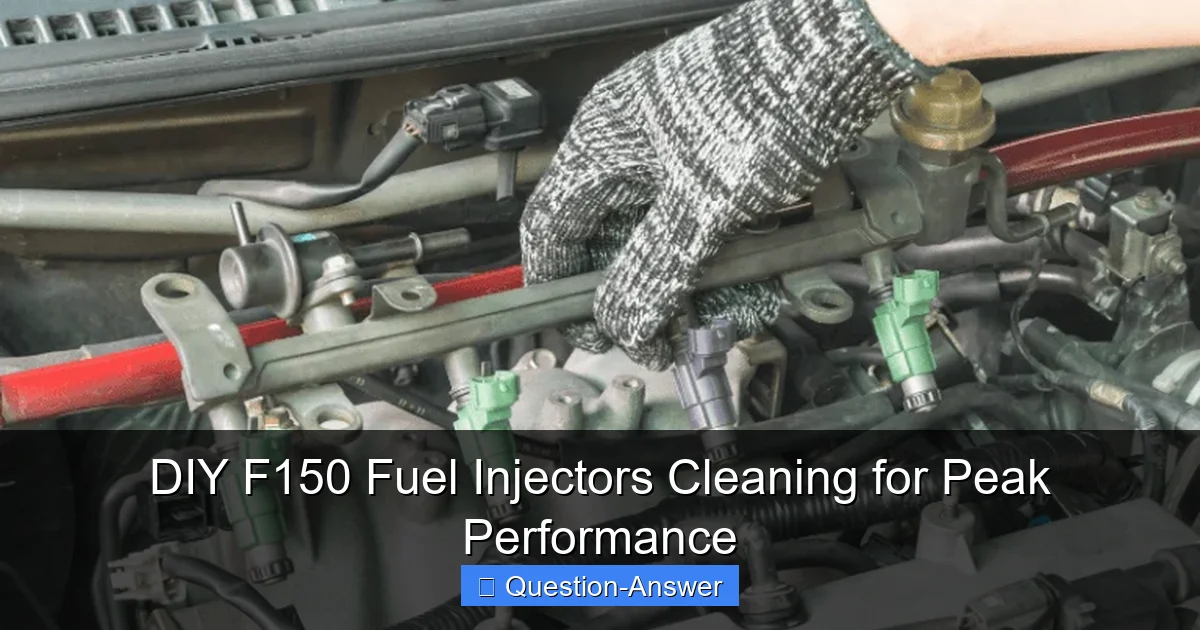
Featured image for f150 fuel injectors cleaning
Image source: autocareaids.com
Restore your F150’s optimal power and fuel efficiency by tackling DIY fuel injector cleaning. This crucial maintenance dramatically improves performance, prevents misfires, and saves you from expensive professional services or part replacements. Learn how to meticulously clean your injectors and maintain your truck’s peak condition for lasting reliability.
DIY F150 Fuel Injectors Cleaning for Peak Performance
Hey fellow F150 owners! Ever feel like your trusty truck isn’t quite pulling its weight, maybe chugging a bit or just not as peppy as it used to be? It’s a common story, and often, the culprit isn’t a major breakdown but something simpler: dirty fuel injectors. Yes, that little part that sprays fuel into your engine can get clogged up over time. But here’s the good news: diving into F150 fuel injectors cleaning can often bring back that lost power and even improve your gas mileage, and a lot of it you can tackle yourself. Let me share some insights on how you can restore your F150’s performance without a major shop visit.
How can I effectively clean my F150 fuel injectors at home, and what should I look out for?
It’s a fantastic question, and one I’ve personally wrestled with on more than one occasion. Cleaning your F150 fuel injectors can genuinely make a difference. When fuel injectors get clogged with carbon deposits, they don’t spray fuel in the fine mist your engine needs. Instead, it might be a weak stream or just drips. This leads to symptoms like a rough idle, slower acceleration, reduced fuel economy, and sometimes even a pesky check engine light. If your F150 is showing these signs, it might be time for some fuel injector love.
There are a few ways to approach DIY F150 fuel injectors cleaning, ranging from super simple to a bit more hands-on:
* The “Pour-In” Method (Easy Peasy): This is where most people start, and honestly, it’s a great first step. You simply add a high-quality fuel system cleaner to your F150’s gas tank when it’s nearly empty, then fill it up. These cleaners contain detergents that gradually dissolve deposits as fuel flows through the injectors. I’ve personally seen good results with a quality cleaner after a few tanks, especially for maintaining cleanliness. Don’t expect miracles overnight, but for mild clogging or routine maintenance, it’s effective. Always read the product instructions carefully.
* The On-Engine Cleaning Kit (More Involved, More Direct): If a pour-in cleaner doesn’t quite cut it, you might consider an on-engine cleaning kit. This method is more direct. It involves temporarily disconnecting your F150’s fuel pump relay and fuel pressure regulator, then connecting a pressurized canister of cleaning solution directly to your engine’s fuel rail. The engine then runs solely on this potent cleaner, flushing out deposits more aggressively.
* Safety First: Before you even think about this, make sure your engine is cool. Disconnect your battery’s negative terminal. Always wear safety glasses and gloves. Fuel is flammable, so work in a well-ventilated area, away from open flames.
* The Process (Simplified): You’ll typically locate your fuel rail, attach the cleaning kit hose to a service port, and ensure all connections are secure. Then, you start the engine and let it run on the cleaning solution until the canister is empty. This takes about 15-20 minutes. After that, you reconnect everything back to normal. I remember doing this on my old F150 when it had a persistent rough idle; the difference in smoothness afterward was noticeable. It felt like it had a new lease on life!
* What to Look Out For: Make sure the kit you buy is compatible with your F150’s specific engine and fuel system. Instructions are crucial here; follow them to the letter. If you’re not comfortable with disconnecting fuel lines or working around a running engine, it’s perfectly okay to stop here and consider a professional.
* When to Consider Professional Help: Sometimes, even the best DIY F150 fuel injectors cleaning efforts aren’t enough. If your truck still has significant symptoms after trying these methods, or if you suspect very heavy carbon buildup, removal and ultrasonic cleaning by a professional might be the best route. This is the most thorough cleaning method, where injectors are tested, cleaned, and retested.
After any cleaning, especially the on-engine method, you might notice a slight improvement right away, but often the full benefits appear over your next few drives as the engine fully adjusts. Proper and regular maintenance, including using quality fuel and occasional pour-in cleaners, can help prevent severe clogs in the future.
In conclusion, taking the time for some F150 fuel injectors cleaning is a fantastic way to keep your truck running its best. Whether you opt for a simple pour-in solution or tackle a more hands-on approach, the satisfaction of a smoother-running, more efficient F150 is truly rewarding. Just remember to prioritize safety, follow instructions, and don’t hesitate to seek professional help if a task feels beyond your comfort zone. Happy wrenching!