F150 Integrated Brake Controller Function: A Simple Guide
If you’re new to towing with an F-150, figuring out the f150 integrated brake controller function can seem a bit tricky at first. Don’t worry, many people feel the same way! It’s actually a pretty straightforward system once you get the hang of it. We’ll explore how it works and how you can get started. This guide will walk you through the process step by step, making it easy to use your F-150’s built-in brake controller. Let’s get started!
What Is the Integrated Trailer Brake Controller?
The integrated trailer brake controller (ITBC) is a fantastic feature included in many F-150 models. It’s essentially a device that helps you control the brakes on your trailer. Instead of needing to buy and install a separate aftermarket brake controller, the F-150 has one built right into the truck. This makes towing much safer and more convenient. It’s designed to work with trailers equipped with electric brakes, allowing you to synchronize the truck’s brakes with the trailer’s brakes. This synchronization ensures a smooth and controlled stop, even when carrying heavy loads.
The system constantly monitors the truck’s braking performance and sends a signal to the trailer’s electric brakes. This signal tells the trailer brakes how much to engage, ensuring the trailer brakes in sync with the truck. The ITBC makes towing easier because you don’t have to guess or manually adjust the trailer brakes. It also provides better control and stability, reducing the risk of accidents. The ITBC is a valuable piece of equipment for anyone who frequently tows.
How the ITBC Enhances Safety
The main job of the ITBC is to make towing safer. It reduces the chance of the trailer swaying or jackknifing during sudden stops. By synchronizing the truck’s and trailer’s brakes, the ITBC distributes the braking force more evenly. This helps prevent the trailer from pushing the truck, especially when carrying a heavy load. It also allows for smoother, more controlled stops, even in emergency situations. The system helps you maintain control of the truck and trailer combination. It is a critical aspect of safe towing.
- Reduced Stopping Distance: The ITBC helps in reducing stopping distances. By applying the trailer brakes at the same time as the truck’s brakes, it increases the total braking power. This is particularly helpful when towing heavy loads, making it easier and safer to stop.
- Prevents Trailer Sway: Trailer sway happens when the trailer starts to swing from side to side. The ITBC can help prevent this. By applying the trailer brakes, the controller can stabilize the trailer and prevent it from swaying, which makes the ride smoother.
- Even Weight Distribution: It distributes the braking force between the truck and the trailer in a balanced way. This even distribution reduces stress on both the truck and the trailer’s braking systems, extending their lifespan.
Key Components of the System
Several components work together to make the ITBC function correctly. These components ensure that the braking system operates as intended. They work behind the scenes to provide a smooth and safe towing experience. These parts are designed to work together to optimize performance.
- The Controller Module: This is the “brain” of the ITBC. It receives signals from the truck’s braking system and sends signals to the trailer’s brakes. This module controls the amount of braking force applied to the trailer, matching it to the truck’s braking needs.
- Wiring Harness: The wiring harness connects the ITBC to the truck’s electrical system and the trailer’s brakes. It carries the electrical signals that control the trailer’s brakes. A good, secure connection here is essential for proper function.
- Brake Actuator: The brake actuator is located on the trailer. It receives the signal from the ITBC and applies the trailer’s brakes accordingly. The actuator plays a critical role in the braking process.
Using the F150 Integrated Brake Controller
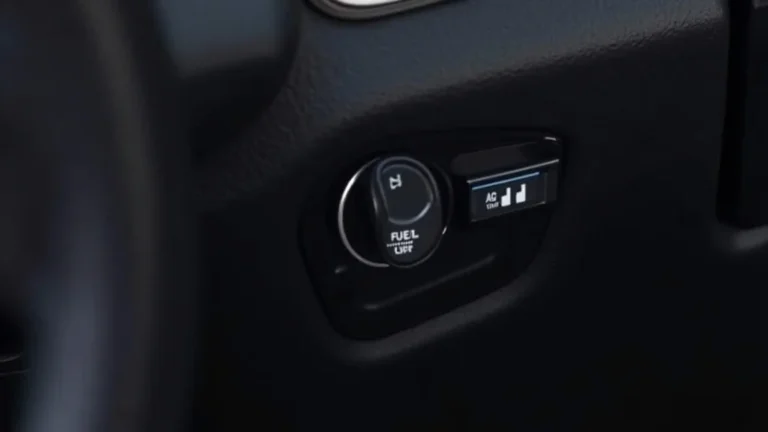
Using the f150 integrated brake controller function is easy once you understand the basic steps. The controller is usually accessible through the truck’s dashboard. Here’s a basic overview to help you get started. The process involves some simple steps. It is designed to be user-friendly so that you can quickly learn how to use it.
The controller has a user-friendly interface that lets you adjust the braking power. Before you start towing, make sure everything is set up correctly. This involves connecting the trailer, adjusting the controller settings, and testing the brakes. Following these steps helps make sure your towing experience is safe and efficient.
How to Connect and Initial Setup
Before you begin, make sure your trailer is properly connected to your F-150. Check that the trailer’s electrical connector is correctly plugged into the truck’s trailer connector. This ensures the brake lights and turn signals work correctly. Then, you can turn on your truck and access the ITBC settings. The initial setup is vital to a successful towing experience.
- Plug in the Trailer Connector: Securely plug the trailer connector into the truck’s receiver. Ensure that the connection is solid to prevent any electrical problems. This connection provides power to the trailer and ensures the brake lights and turn signals work.
- Access the Controller Menu: Use the truck’s infotainment system or the dashboard controls to navigate to the ITBC settings. This menu allows you to adjust the brake gain. This menu allows you to adjust the settings.
- Adjust the Brake Gain: The brake gain setting controls how much braking force the trailer applies. Start with a low setting and increase it gradually until the trailer brakes engage smoothly with the truck’s brakes.
Brake Gain Adjustments
The brake gain setting is the heart of the ITBC. This setting controls how strongly the trailer’s brakes engage when you hit the truck’s brakes. Setting it correctly is very important for safe towing. It is all about finding the right balance. You want the trailer brakes to activate in sync with the truck’s brakes. It prevents the trailer from pushing the truck and helps the rig stop smoothly.
- Starting Point: Begin with a low gain setting, such as 2 or 3.
- Test the Brakes: Drive at a low speed on a clear road and gently apply the brakes.
- Increase Gain if Needed: If you feel the trailer pushing the truck, increase the gain slightly. If the trailer brakes lock up, decrease the gain.
- Fine-Tuning: Adjust the gain until the trailer brakes engage smoothly, without locking up or pushing the truck.
Testing the System
Testing the ITBC is essential after you’ve set the brake gain. This ensures that the system is working correctly. A proper test can save you from an accident while towing. It is something you should never skip before hitting the road. This helps you to make sure everything is working as it should be.
- Safe Testing Area: Find a safe place, like an empty parking lot or a quiet road, to test the brakes.
- Low Speed Braking: Drive at a low speed (around 20-25 mph) and gently apply the brakes.
- Check for Smooth Engagement: Make sure the trailer brakes engage smoothly and that the trailer doesn’t jerk or push the truck.
- Emergency Stop Test: If safe, practice a more forceful stop to see how the system performs.
Understanding ITBC Settings and Performance
The ITBC offers a few settings that help you customize the braking experience. These settings let you fine-tune the performance to match your trailer and driving conditions. By using these settings, you can get the best performance from your ITBC. The goal is to make towing as safe and easy as possible.
Different driving situations may require different settings. Some settings are to deal with the trailer’s weight and road conditions. Making the necessary adjustments can dramatically improve safety. Learning these settings helps you manage your F-150. These settings allow the ITBC to do its job and contribute to your safety on the road.
Brake Gain and Trailer Weight
The weight of your trailer plays a big part in setting the brake gain. Heavier trailers usually need a higher brake gain setting, which ensures they stop efficiently. Lighter trailers may need a lower setting. You’ll need to adjust the settings accordingly. The goal is to have the trailer brakes stop the trailer without locking up. Remember to adjust your ITBC settings to match the load.
- Light Trailers: For trailers weighing less than 3,000 pounds, start with a lower gain setting (2-3).
- Medium Trailers: For trailers between 3,000 and 7,000 pounds, set the gain between 4-6.
- Heavy Trailers: Trailers over 7,000 pounds might need a gain setting of 7-10.
- Adjust as Needed: Always test the brakes and adjust the gain up or down based on how the trailer brakes engage.
According to the National Highway Traffic Safety Administration (NHTSA), the proper use of trailer brakes can reduce the risk of accidents by up to 40%.
Road Conditions and Driving Style
The road conditions and your driving style also impact the ITBC settings. If you’re driving in wet or icy conditions, you may need to reduce the brake gain to avoid wheel lock-up. A smooth driving style can help you to tow safely. Being aware of the road conditions and adjusting your settings helps improve your safety. Consider adjusting your settings to accommodate different environments.
- Wet Conditions: Decrease the gain slightly to prevent wheel lock-up.
- Icy Conditions: Reduce the gain further and drive at a slower speed.
- Downhill Driving: Increase the gain slightly to help control the trailer’s descent.
- Aggressive Driving: Reduce the gain to prevent sudden braking from causing trailer sway.
Troubleshooting Common Issues
Sometimes, you might encounter a few problems with your ITBC. These issues range from simple to more complex problems. Being able to solve these issues is useful. This will save you from possible headaches. Common problems include electrical connection issues or improper gain settings. Here are some tips to help you resolve them.
- No Trailer Brakes: Check the trailer wiring connections and the ITBC fuse.
- Brakes Lock Up: Reduce the brake gain setting.
- Trailer Pushing Truck: Increase the brake gain setting.
- Erratic Braking: Check for any loose connections or damaged wiring.
According to a study by the Insurance Institute for Highway Safety (IIHS), trailers with properly functioning brakes can reduce the severity of crashes.
Advanced Features and Maintenance
The F-150’s ITBC includes some advanced features to make towing easier. These features help keep your towing experience safe and convenient. These features add extra utility to your F-150. You can also make sure the ITBC works correctly by doing simple maintenance. This keeps the system working as it should.
By using these features and performing regular maintenance, you can keep your F-150 running well. Maintenance is important. It is something you should consider to keep your ITBC running smoothly. Regularly taking care of your system is an easy way to avoid problems.
Special Modes and Settings
The ITBC may offer special modes. These special settings can improve performance in specific situations. These settings are made for the way the truck is operated. You may find them useful in certain scenarios. These modes improve your towing experience.
- Tow/Haul Mode: Engage this mode. This adjusts the transmission shift points and enhances engine braking, making towing easier.
- Trailer Sway Control: This feature actively detects and helps reduce trailer sway. It activates the brakes independently to stabilize the trailer.
- Pro Trailer Backup Assist: Some models have a Pro Trailer Backup Assist feature, which helps you back up the trailer using a knob on the dashboard.
Regular Inspection and Maintenance
Regular maintenance ensures the ITBC functions as it should. It is a good practice to check the controller and wiring regularly. Look for any damage or wear. By following a basic maintenance routine, you can prevent problems. This protects the ITBC and promotes your safety.
- Wiring Check: Inspect the trailer wiring and the truck’s connector for damage.
- Fuse Inspection: Make sure the ITBC fuse is in good condition. Replace it if needed.
- Brake Test: Regularly test the brakes to make sure they are working.
- Professional Inspection: Schedule a professional inspection if you notice any problems.
| Component | Inspection Frequency | Action |
|---|---|---|
| Wiring Harness | Before Each Tow | Check for damage or wear |
| ITBC Fuse | Monthly or as Needed | Verify it is intact. Replace if it is blown. |
| Brake Function | Before Each Trip | Test the brakes at low speeds to see if they’re working. |
Frequently Asked Questions
Question: How do I access the ITBC settings in my F-150?
Answer: You can access the ITBC settings through the truck’s infotainment system, usually in the towing or settings menu. You can also use the controls on your dashboard.
Question: What is brake gain, and why is it important?
Answer: Brake gain controls how strongly the trailer brakes engage when the truck brakes. It is very important to adjust the gain to prevent the trailer from pushing the truck or the trailer brakes from locking up.
Question: Can I adjust the brake gain while I am driving?
Answer: Yes, you can adjust the brake gain while you are driving, but it is best to do so in a safe and controlled environment. Do not adjust the gain while driving on busy roads.
Question: What should I do if my trailer brakes lock up?
Answer: If your trailer brakes lock up, reduce the brake gain setting immediately. If this does not work, stop the vehicle safely and check the connections.
Question: How do I know if my ITBC is working correctly?
Answer: Test the brakes at a low speed. Make sure the trailer brakes engage smoothly, without jerking or pushing the truck. Check for any warning lights or error messages on your dashboard.
Final Thoughts
You now have a better idea of how the f150 integrated brake controller function works! Remember, using the ITBC is a key part of safe and confident towing with your F-150. By understanding how the system works, adjusting the brake gain, and testing the brakes, you can make sure your trailer stops smoothly and safely. The ITBC is a valuable feature designed to help you. Regular maintenance and paying attention to your settings help keep you and your cargo safe. So, hit the road knowing you’re in control of your rig. Tow safely, and enjoy the ride!