F150 MPG Difference 2.7 vs 3.5: What You Need to Know
Figuring out the f150 mpg difference 2.7 vs 3.5 can seem tricky, especially if you’re new to trucks or car shopping. There’s a lot of talk about engines and fuel economy, which can be overwhelming. Don’t worry, though. We’ll make it super simple! We’ll break down the differences and help you choose the best engine for your needs. Get ready to explore the details in an easy-to-follow guide.
Engine Basics: 2.7L EcoBoost vs. 3.5L EcoBoost
The Ford F-150 offers various engine options, with the 2.7L EcoBoost and 3.5L EcoBoost being popular choices. These engines use turbocharging to boost power and efficiency. The 2.7L is a smaller, lighter engine, typically aimed at providing a balance between fuel economy and power. The 3.5L is larger and generally offers more power, making it suitable for heavier towing and hauling tasks. Both engines have their own strengths, and the best choice depends on your specific needs.
2.7L EcoBoost Engine Explained
The 2.7L EcoBoost is a V6 engine, meaning it has six cylinders arranged in a “V” shape. This engine is designed to deliver a good combination of power and fuel efficiency. It achieves this using turbocharging, a technology that forces more air into the engine, resulting in more power. Its lighter weight contributes to improved fuel economy compared to some larger engine options. It is often a great choice for those who need a capable truck without the highest towing requirements or fuel consumption.
- Turbocharging: This is a key feature of EcoBoost engines. A turbocharger uses exhaust gases to spin a turbine, which compresses air and forces it into the engine. This allows the engine to burn more fuel and generate more power than a naturally aspirated engine of the same size.
- Direct Injection: This technology sprays fuel directly into the engine’s cylinders. This results in more precise fuel delivery, improved combustion efficiency, and reduced fuel consumption. It helps the engine run smoothly and efficiently.
- Lightweight Design: The 2.7L EcoBoost is built with lightweight materials to reduce the overall weight of the F-150. This can improve both fuel economy and performance. Less weight means the engine doesn’t have to work as hard, which saves gas.
- Automatic Start-Stop System: Many F-150 models with the 2.7L EcoBoost include an automatic start-stop system. This feature shuts off the engine when the truck is stopped (like at a red light) and restarts it instantly when the driver releases the brake pedal. This helps save fuel by preventing idling.
3.5L EcoBoost Engine Explained
The 3.5L EcoBoost engine is also a V6, but it’s larger and more powerful than the 2.7L. The 3.5L engine is the workhorse of the F-150 lineup, offering impressive towing and payload capacities. It also uses turbocharging and direct injection to boost power and efficiency. It is often preferred by people who regularly need to tow heavy items like boats or trailers. It provides substantial power when you need it while still offering reasonable fuel economy for its size. The 3.5L EcoBoost is known for its strong performance and versatility, making it a favorite for many truck owners.
- Twin Turbochargers: The 3.5L EcoBoost typically uses two turbochargers, one for each bank of cylinders. This design provides more immediate power delivery and reduces turbo lag (the delay between pressing the accelerator and feeling the power).
- High Output: The 3.5L EcoBoost is known for its higher horsepower and torque ratings compared to the 2.7L. This means it can accelerate faster and handle heavier loads with ease.
- Variable Valve Timing: This technology adjusts the timing of the engine’s valves to optimize performance and efficiency across different driving conditions. It helps the engine produce maximum power when needed and conserve fuel when cruising.
- Heavy-Duty Components: To handle the increased power and stress, the 3.5L EcoBoost often includes heavy-duty components, such as a stronger crankshaft and connecting rods. This makes the engine more durable and reliable.
Comparing Fuel Efficiency: 2.7 vs. 3.5
The primary area where the 2.7L EcoBoost shines is fuel economy. Because it’s a smaller engine, it generally consumes less fuel than the 3.5L. The 3.5L engine, while still relatively fuel-efficient for its power, typically uses more gas, especially under heavy loads. Fuel efficiency depends on driving habits, road conditions, and how the truck is used. The EPA (Environmental Protection Agency) provides estimated MPG (miles per gallon) figures to help with comparisons.
EPA Fuel Economy Ratings
The EPA provides ratings for both city and highway driving. These ratings are helpful for comparing the fuel efficiency of different vehicles under controlled conditions. The actual mileage you get might vary depending on how you drive. Aggressive acceleration and frequent stops can reduce fuel economy, while steady highway driving tends to improve it.
| Engine | City MPG (Approximate) | Highway MPG (Approximate) |
|---|---|---|
| 2.7L EcoBoost | 20-22 | 24-26 |
| 3.5L EcoBoost | 18-20 | 23-25 |
Please note: These numbers are estimates. The actual fuel economy can fluctuate.
- City Driving: In city driving, where there’s frequent stop-and-go traffic, the 2.7L EcoBoost typically offers better fuel economy. The lighter weight and smaller engine size mean it uses less fuel during acceleration and idling.
- Highway Driving: On the highway, the difference in fuel economy between the two engines is usually smaller. Both engines perform well on the highway, but the 2.7L may still have a slight advantage.
- Real-World Conditions: Your personal driving habits will significantly affect your fuel economy. Consistent driving at moderate speeds and avoiding rapid acceleration will help maximize fuel efficiency for either engine.
Factors Influencing MPG
Several factors beyond engine size can influence fuel economy. These include driving style, the weight of the truck, the presence of any additional accessories, and the conditions of the road. Understanding these elements can help you make informed choices that fit your needs and budget.
- Driving Habits: Aggressive driving, such as rapid acceleration and hard braking, burns more fuel. Gentle acceleration and maintaining a constant speed, especially on the highway, help conserve fuel.
- Load and Weight: Carrying heavy loads or towing trailers significantly reduces fuel economy. The heavier the truck, the harder the engine has to work, which increases fuel consumption.
- Tire Pressure: Properly inflated tires reduce rolling resistance, improving fuel economy. Check your tire pressure regularly and inflate them to the recommended levels found on the sticker inside your driver’s side door.
- Road Conditions: Driving on hilly terrain or in strong winds can negatively impact fuel economy. Highway driving generally provides better fuel efficiency compared to city driving.
- Maintenance: Regular maintenance, such as changing the oil and filters, can help keep your engine running efficiently. A well-maintained engine uses fuel more effectively.
Performance and Towing Capacity
While the 2.7L EcoBoost offers good fuel economy, the 3.5L EcoBoost generally excels in performance, especially regarding towing and payload capacity. The 3.5L EcoBoost engine is designed for heavier tasks, giving it an advantage when you need to haul equipment or tow recreational vehicles. It provides more power to handle these jobs efficiently. The power difference is noticeable when accelerating or carrying heavy loads. The right choice depends on how you plan to use your truck.
Towing Capabilities: A Detailed View
The maximum towing capacity is a critical factor for truck buyers. The 3.5L EcoBoost typically offers a higher towing capacity than the 2.7L EcoBoost. This means the 3.5L can tow heavier trailers and equipment. The specific towing capacity varies based on the F-150 configuration, including the cab style, bed length, and optional features. Always review the manufacturer’s towing guide for precise capacity numbers for your truck’s specific model.
- 2.7L EcoBoost: This engine is a solid performer for towing smaller trailers, boats, or recreational vehicles. Its towing capacity is generally sufficient for many everyday needs. It is ideal if you are considering towing a pop-up camper or small utility trailer.
- 3.5L EcoBoost: This engine is designed for heavy-duty towing. It can handle larger trailers, fifth-wheel campers, and other heavy equipment. It has the power to pull substantial loads with ease. This engine is designed for hauling items like travel trailers or car trailers.
- Towing Package: Both engines may offer optional towing packages, including features like a trailer hitch, trailer brake controller, and upgraded cooling systems. These packages enhance the truck’s towing capabilities and make towing safer and more manageable.
Payload Capacity: What You Can Carry
Payload capacity refers to the maximum weight the truck can carry, including passengers, cargo, and any added equipment. The 3.5L EcoBoost often has a higher payload capacity than the 2.7L. If you frequently transport heavy materials or use your truck for work, payload capacity is an important factor to consider. Checking the payload sticker on your truck is critical to prevent overloading and ensure safe operation.
- 2.7L EcoBoost: This engine provides a good payload capacity, suitable for many everyday tasks. It can handle moderate loads of cargo and passengers. It is ideal for carrying everyday items such as tools, camping gear, or groceries.
- 3.5L EcoBoost: This engine typically offers a higher payload capacity, allowing you to transport heavier loads. It is great for construction materials, equipment, or any situation needing substantial carrying capability.
- Weight Distribution: Correctly distributing the weight in the truck bed is critical. Place heavier items towards the front of the bed and secure all cargo properly to maintain stability and safe driving.
Real-World Examples
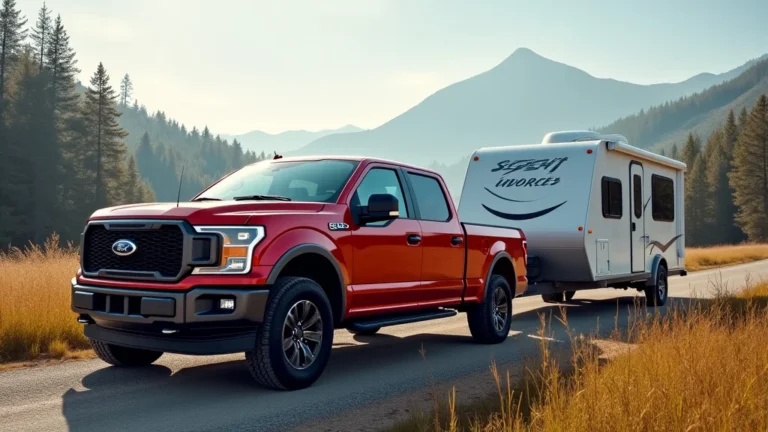
- Weekend Camper: A family planning weekend trips with a lightweight camper might find the 2.7L EcoBoost sufficient. They can tow the camper and still achieve reasonable fuel economy for their travels.
- Construction Crew: A construction crew needing to haul tools, materials, and equipment regularly might benefit from the 3.5L EcoBoost. The higher towing and payload capacities help them complete their tasks efficiently.
Cost Considerations: Purchase Price and Fuel Costs
The initial purchase price and ongoing fuel costs are key components when choosing between the 2.7L and 3.5L EcoBoost engines. The 2.7L EcoBoost is generally found in lower-priced F-150 trims. Fuel costs also affect the overall cost of ownership. Comparing these expenses will assist in making an informed decision that aligns with your financial priorities and driving behavior.
Purchase Price Differences
Typically, the 2.7L EcoBoost is available in more affordable F-150 trim levels, making it the most cost-effective option for many buyers. The 3.5L EcoBoost is often found in higher trim levels. The price disparity reflects the difference in engine capabilities and features. Consider your budget and long-term needs to determine which engine best fits your circumstances. Also, bear in mind that the prices are subject to change depending on various factors.
Fuel Cost Analysis
While the 3.5L EcoBoost offers better performance and towing capabilities, it generally comes with higher fuel costs due to its increased fuel consumption. The 2.7L EcoBoost typically has lower fuel costs because it’s more fuel-efficient. To estimate the actual fuel costs, consider the number of miles you drive each year and the current price of gasoline. Calculate the estimated annual fuel expenditure to compare the difference between the two engines.
- Fuel Economy: A primary factor that will influence the fuel costs is the fuel economy.
- Driving Habits: Your driving style can greatly affect your fuel costs.
- Fuel Prices: Fluctuating fuel prices impact the overall cost of ownership.
Long-Term Ownership
When considering long-term ownership, consider not just the purchase price and fuel expenses but also the maintenance costs. Regular maintenance is necessary to keep your truck running smoothly. Both engines require regular maintenance, but the 3.5L EcoBoost may have slightly higher maintenance expenses due to its more complex components. Plan for all costs to get a clear picture of the total cost of ownership. It is important to compare the potential costs over several years to choose the engine that best aligns with your financial planning.
Choosing the Right Engine for Your Needs
Selecting between the 2.7L EcoBoost and 3.5L EcoBoost engines requires considering your specific needs, driving habits, and budget. The 2.7L offers a balance of fuel efficiency and performance. The 3.5L provides more power for towing and hauling. Carefully assess your priorities to make the right choice.
Assessing Your Driving Needs
Think about how you’ll primarily use your truck. If you need a truck for daily commuting, light hauling, or occasional towing, the 2.7L EcoBoost might be a great option. If you regularly tow heavy loads or need maximum power, the 3.5L EcoBoost is the better choice. It’s also wise to consider the kind of driving you do most. The 2.7L EcoBoost excels in city driving. If your drives are mainly on the highway, both engines perform very well.
Considering Your Budget
Your budget plays a role in your engine selection. The 2.7L EcoBoost is often available at a lower price point. While the 3.5L EcoBoost may have a higher initial cost, consider the total cost of ownership, including fuel and maintenance. Evaluate your financial priorities and make a decision that matches your long-term financial goals. Do the math to see what fits best.
Test Driving Both Engines
The best way to decide is to test-drive both engines. This lets you experience the power and driving dynamics of each engine. Pay attention to how the engine performs under different conditions, such as accelerating from a stop, climbing hills, and towing a load (if possible). This hands-on experience will give you a better feel for which engine is best suited to your needs.
Frequently Asked Questions
Question: What is the main difference in fuel economy between the two engines?
Answer: The 2.7L EcoBoost generally offers better fuel economy, especially in city driving conditions, compared to the 3.5L EcoBoost.
Question: Which engine is better for towing?
Answer: The 3.5L EcoBoost is typically better for towing because it has more power and a higher towing capacity.
Question: Does the 2.7L EcoBoost have enough power?
Answer: Yes, the 2.7L EcoBoost has plenty of power for everyday driving, light hauling, and towing smaller loads like a small boat or utility trailer.
Question: Are both engines reliable?
Answer: Yes, both engines are generally reliable, but proper maintenance is essential for longevity.
Question: How do driving habits affect MPG?
Answer: Aggressive driving habits, such as quick acceleration and hard braking, can significantly reduce your fuel economy. Gentle driving and maintaining a constant speed will help conserve fuel.
Final Thoughts
Choosing the right engine for your F-150 depends on your unique needs. The f150 mpg difference 2.7 vs 3.5 is primarily based on fuel efficiency and power. The 2.7L EcoBoost focuses on fuel savings, while the 3.5L EcoBoost prioritizes towing capacity. Both engines are good choices. Think about your daily driving routine, how you plan to use your truck, and your budget when making your final decision. Consider a test drive to feel the difference yourself. With careful consideration, you can find the perfect F-150 engine to match your lifestyle and driving requirements, delivering both performance and efficiency.