F150 Towing Mode Explained Simple Guide for Ford Truck Owners
If you’re new to the Ford F-150, you might be curious about the f150 towing mode explained. It sounds a bit techy, but don’t worry, it’s not hard to grasp! Many truck owners find it a bit tricky at first, because it changes how your truck drives. This guide will break down what towing mode is, what it does, and how to use it. Ready to discover how to get the most out of your truck when towing?
What Is F150 Towing Mode?
Towing mode on your F-150 is a setting that changes how your truck handles when you’re pulling a trailer. It’s like a special setting that helps your truck work smarter. Instead of driving like normal, the truck adjusts its engine and transmission to make towing easier and safer. This mode changes things to better handle the extra weight of your trailer. It affects how your truck accelerates, shifts gears, and even how it brakes. Without towing mode, your truck might struggle, and you could end up with problems. This setting is useful, especially if you tow often.
Imagine your truck is like a person. When you’re not towing, it’s just doing its regular activities. But when you start to tow, you give it the “towing mode” signal. The truck prepares itself for a heavier load. It optimizes its performance to handle the weight smoothly. This helps protect the engine and transmission from extra stress.
How Towing Mode Works
Towing mode isn’t just one single change; it’s a bunch of adjustments all working together. The engine, transmission, and even the brakes all play a role. The main goal is to make towing less stressful on your truck and give you more control while you drive.
- Shift Points: The transmission shifts gears differently. It holds onto gears longer, giving you more power when going up hills. It also downshifts earlier to help with engine braking.
- Engine Performance: The engine’s power delivery is adjusted. You get more torque at lower RPMs, which is what you need when you are pulling a heavy load. This allows the truck to get moving quicker from a standstill.
- Braking System: Some F-150 models may also adjust the braking system, helping to reduce wear and tear. This helps you stop quickly and safely, even with a loaded trailer.
- Trailer Sway Control: This feature, often part of the towing package, uses the brakes to help control trailer sway. It activates if the trailer starts to swing from side to side.
One benefit of towing mode is that it helps keep your transmission cool. Towing heavy loads can cause the transmission to overheat. Towing mode helps prevent this by altering shift points and other adjustments to reduce strain. It can also help you conserve fuel by optimizing engine performance.
Activating the Towing Mode
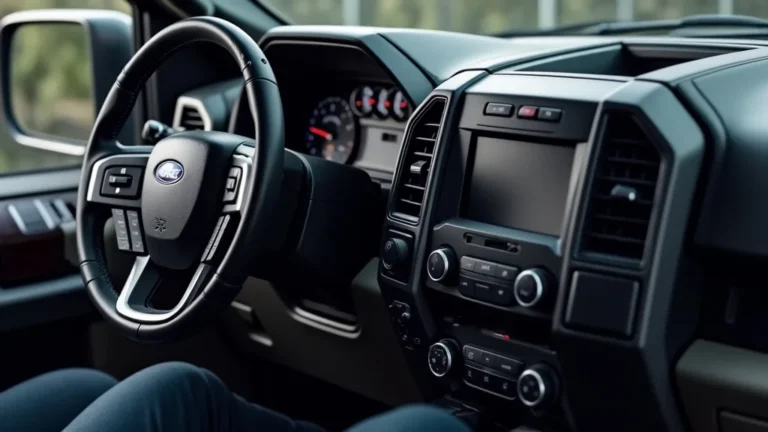
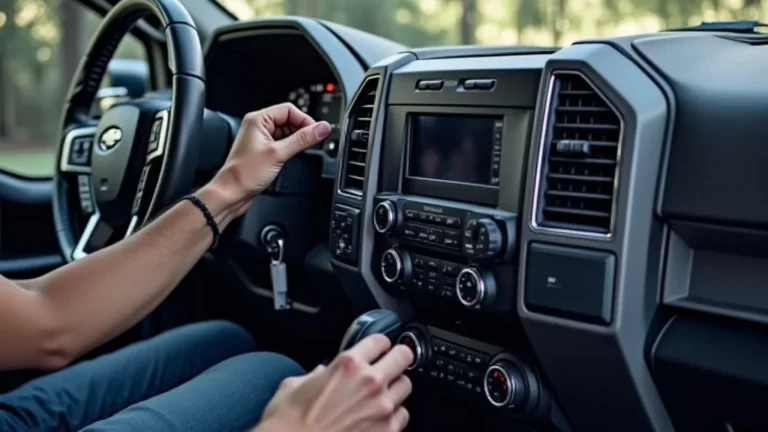
Using the towing mode is generally a simple process, although the exact method varies depending on your F-150’s model year and trim. You will usually find a button or switch on the dashboard, near the gear shifter, or accessible through the infotainment system. After you engage the towing mode, you should notice the transmission shifts differently.
- Check Your Owner’s Manual: The first place to check is your owner’s manual. It has specific instructions on where the switch is located for your truck. It also gives you advice on how to use it safely.
- Locate the Button/Switch: Look for a button with a trailer icon or the words “Towing Mode.” It is often near the gear shifter or on the dashboard. Some newer models have it on the touchscreen system.
- Engage the Mode: Press the button when you’re ready to tow. You should see a light or message on the instrument panel that confirms it’s active.
- Confirm the Changes: Test the mode by driving. The engine should sound different, and the truck will shift gears differently. You will feel how it handles when you accelerate and brake.
Always engage towing mode before you start towing. This will help make sure your truck is set up for the extra weight. It is essential for a safe and successful towing experience. Towing mode isn’t just about making your truck work harder; it is about making it work smarter.
Key Benefits of Using Towing Mode
Using towing mode is not just a suggestion; it’s a good idea if you are towing. The setting offers several important benefits that can make the difference between a smooth trip and a tough one. Towing mode is made to enhance safety, protect your truck, and make towing easier. Understanding these benefits can help you get the most from your F-150’s towing capabilities.
The F-150 is the best-selling truck in the United States. Its popularity comes from its versatility, which includes how well it can tow. Towing mode improves this versatility.
Improved Safety and Control
One of the most valuable aspects of towing mode is the way it enhances safety and control. When you tow, you are dealing with a much heavier load, and that extra weight affects how your truck handles. Towing mode is made to address these changes, so you can have more confidence when you drive.
- Enhanced Braking: Towing mode often optimizes the braking system. This ensures that the truck and trailer stop more effectively. This is particularly important when going downhill.
- Reduced Sway: Many F-150s come with Trailer Sway Control. This system engages the brakes to help manage the trailer. This helps to prevent the trailer from swaying.
- Better Handling: By altering the engine and transmission, towing mode provides more stability. You will be able to handle turns and changes in the road conditions.
When you’re towing, the ability to control your truck is very important. Accidents when towing can be dangerous. Towing mode helps you stay safe on the road. The system helps you prevent trailer sway. It makes sure you can stop quickly and safely, even with a heavy load behind you.
Protection for Your Truck
Towing puts a lot of stress on your truck’s engine and transmission. Using towing mode can help protect your truck from unnecessary wear and tear. It does this by optimizing the way the engine and transmission work together. This will help your truck last longer and cost you less money on maintenance.
- Reduced Heat: Towing mode helps prevent overheating by altering shift points and improving engine performance. This is particularly important in hot weather or when going uphill.
- Optimized Gear Shifts: Towing mode allows the transmission to shift gears at optimal times. This minimizes strain and ensures that the engine is operating efficiently.
- Prolonged Lifespan: By reducing stress on the truck’s components, towing mode helps prolong their lifespan. This reduces the risk of expensive repairs.
Using towing mode is an investment in your truck. It is not just about making the towing experience easier. It is also about keeping your truck in good condition. The system protects its key components, helping them last longer. This can save you money on maintenance and make your truck more dependable for many years.
Enhanced Towing Experience
Beyond safety and protection, towing mode improves the overall towing experience. Towing can be challenging. Towing mode is built to simplify the process. This helps make towing easier and less tiring.
- Improved Power Delivery: Towing mode changes engine performance. This gives you better acceleration and makes it easier to merge onto highways or pass other vehicles.
- Smoother Shifting: With its adjustments, towing mode makes for smoother gear changes. This reduces the jerky feeling that can sometimes come with towing.
- Increased Confidence: Knowing your truck is set up for the load gives you more confidence. It helps you relax and enjoy the trip.
Towing mode creates a more pleasant towing experience. Towing is less stressful, easier, and more enjoyable. These adjustments can enhance your driving experience. The results are worth it, whether you are hauling a small trailer or a large camper.
Choosing the Right Towing Package
If you plan to do a lot of towing, selecting the right towing package for your F-150 is important. The packages vary, offering different features and capabilities. Understanding what each one includes will help you choose the best package. Make sure it meets your needs and the type of towing you plan to do.
Ford offers different towing packages for the F-150. These are available when you buy your truck. The packages bundle together several features designed to improve your towing capability and safety. You can select the right one for your needs.
Key Components of Towing Packages
The towing packages usually consist of several parts that work together to improve your truck’s towing capability. These can include hardware, software, and other enhancements. Each component plays a part in making the towing experience more safe, secure, and user-friendly.
- Trailer Hitch: A heavy-duty trailer hitch is a key part. It is built to handle the weight and forces involved in towing. It is also designed to work with a range of trailers.
- Wiring Harness: The wiring harness provides the electrical connections needed for your trailer lights and brakes. The harness provides power for trailer lighting and other systems.
- Transmission Cooler: A transmission cooler helps prevent overheating. This is important when towing, because it reduces the wear and tear on your truck’s transmission.
- Upgraded Suspension: Some packages include upgrades to the suspension system. This helps handle the extra weight of a trailer. It improves the ride and stability.
- Trailer Sway Control: Trailer Sway Control uses the truck’s brakes to help manage sway. It greatly increases your safety while you’re towing a trailer.
A good towing package provides many items. The combination of these parts offers a safer and more effective towing experience. Think about the types of loads you’ll be pulling, and choose the package that best fits your needs. This will help you get the most out of your truck.
Understanding Towing Capacity
Understanding your truck’s towing capacity is important. This is the maximum weight your truck can safely tow. Knowing this number is important when you choose a towing package and when you hitch up a trailer. You should never exceed the truck’s towing capacity, as this can lead to dangerous situations.
When towing, many factors affect your capacity. The engine, transmission, axle ratio, and towing package all play a role in how much your truck can tow. Always check your truck’s owner’s manual for specific details about its towing capacity.
| Factor | Description |
|---|---|
| Engine | More powerful engines can tow more weight. The type of engine will greatly affect your overall towing capacity. |
| Transmission | A heavy-duty transmission will help with the towing load. You can pull heavier loads without causing problems. |
| Axle Ratio | A higher axle ratio usually means a higher towing capacity. It provides extra torque, making it easier to pull heavy loads. |
| Towing Package | A higher-level towing package adds parts that increase towing capability. It will raise the amount you can tow. |
Exceeding your truck’s towing capacity can be dangerous. It can damage your truck and increase the risk of accidents. Always know how much weight you are pulling. Never exceed the capacity specified in your owner’s manual. A good towing package will help you get the most out of your truck.
Advanced Towing Features in F150s
The F-150 has several advanced features designed to make towing easier. These features can improve safety and make towing less stressful. Modern technology allows you to tow with more confidence.
Ford continues to add advanced towing features to the F-150 to stay ahead of the curve. These functions make towing easier, safer, and more convenient. Whether you are a professional or just towing a boat for the weekend, these features can enhance your experience.
Pro Trailer Backup Assist
Pro Trailer Backup Assist is one of the most exciting advanced features available. This system makes backing up a trailer incredibly easy, even for those who are not experienced. The Pro Trailer Backup Assist system uses sensors and the truck’s steering capabilities to guide the trailer. It is designed to make the process simple and intuitive.
- Easy Setup: Before using the system, you must input the measurements of your trailer. This is a one-time process.
- Steering Control: When you want to back up, you use a knob on the dashboard. The truck’s steering wheel will move automatically, based on your instructions.
- Simplified Maneuvers: The system simplifies backing up. You can steer the trailer with the knob. The system handles the wheel movements, which can be tricky.
This system eliminates the stress and difficulty of backing up a trailer. It takes the guesswork out of the equation. This technology is incredibly helpful, whether you are backing up into a parking spot or a campsite.
Trailer Towing Guide
The Trailer Towing Guide is another very useful feature. This system provides helpful information about your trailer and the surrounding environment. It uses cameras and sensors to give you better visibility and a sense of your surroundings.
- Multiple Camera Views: The system often has a surround-view camera system. This gives you views from different angles. This helps you monitor your trailer and the surrounding areas.
- Blind Spot Monitoring: This feature extends to include your trailer. It alerts you when vehicles are in your blind spots, making lane changes safer.
- Tire Pressure Monitoring: Some systems will also monitor your trailer tires. This lets you see the tire pressure. You can identify potential problems before they escalate.
The Trailer Towing Guide gives you better visibility and situational awareness. It is a very helpful tool to keep you safe when you are on the road. The safety features built into the system are very useful.
Troubleshooting Common Towing Problems
Towing can be a rewarding experience, but you might run into problems sometimes. Common issues include trouble with the trailer brakes, lights, or even the truck’s performance. Fortunately, many of these issues are easy to fix. Understanding these common problems and knowing how to troubleshoot them will help you. With these tips, you’ll be able to keep your towing experience smooth and enjoyable.
Even if you know how to operate your truck, issues can pop up. Troubleshooting skills will help you to address and solve them. The right knowledge can make the difference between a minor delay and a serious roadside repair.
Trailer Brake Problems
Problems with trailer brakes are one of the most common issues you may face when towing. The brakes on your trailer are crucial for stopping your rig safely. Any problem with them is serious. There are several things to check if you suspect you have brake problems.
- Check Connections: Make sure the trailer brake wiring is connected properly. A loose or corroded connection can interrupt the signal from the truck to the trailer brakes.
- Inspect the Brake Controller: Check the trailer brake controller settings in your truck. Make sure they are set correctly. The setting determines how much braking force to apply to the trailer.
- Examine the Brakes: Check the trailer brake pads and drums. They should not be worn down. If they are, it will make it difficult to stop your trailer.
Trailer brake problems can be dangerous. Make sure the trailer brake system is working correctly before you tow. Maintaining your trailer’s brakes is just as essential as maintaining your truck’s brakes. Regular inspections can identify problems before they develop.
Lighting Issues
Lights on your trailer are crucial for safety. Problems with the lights can cause safety concerns. Here’s how you can troubleshoot lighting problems with your trailer.
- Test the Lights: Have someone help you to check the trailer’s lights. Turn on the truck’s headlights, brake lights, and turn signals. Make sure each light on the trailer works correctly.
- Check the Wiring: Examine the wiring on your trailer. Look for any loose or corroded connections. Make sure that the wires are properly routed and protected.
- Inspect the Bulbs: Check the trailer light bulbs. Replace any burned-out bulbs. Make sure you use the correct type of bulbs for your trailer lights.
Proper lighting is essential for road safety. Keeping your trailer lights in good working condition is very important. Troubleshooting lighting issues can prevent accidents and help keep you safe on the road. Regularly inspect your lights to avoid any unexpected issues.
Frequently Asked Questions
Question: Can I tow without using towing mode?
Answer: Technically, yes, but it is not recommended. Towing mode helps optimize your truck’s performance and safety features for towing. Without it, you might experience issues like reduced fuel economy and less control.
Question: What’s the impact of going over my towing capacity?
Answer: Exceeding your towing capacity can damage your truck’s engine, transmission, and brakes. It can also cause a loss of control and increase the risk of an accident, making your truck and trailer unsafe.
Question: How often should I have my F-150’s towing system inspected?
Answer: You should have your truck’s towing system inspected at least once a year, or more frequently if you tow regularly. This includes checking the hitch, wiring, brakes, and trailer brake controller.
Question: What do I do if my trailer starts to sway while driving?
Answer: If your trailer starts to sway, gently ease off the accelerator and hold the steering wheel straight. Do not apply the brakes unless absolutely necessary. Many F-150s have Trailer Sway Control, which helps to mitigate this issue.
Question: Can I upgrade my F-150’s towing package after purchase?
Answer: Yes, in most cases, you can upgrade certain components of your towing package after you purchase the truck. However, some upgrades, like a factory-installed hitch, may be more complex. Consulting with a Ford dealer is always the best way to get accurate information about your truck.
Final Thoughts
The f150 towing mode explained guide provides insight into using your truck’s special towing setting. This setting is not just about moving a trailer from point A to point B. It enhances your truck’s abilities, giving you better control and protection for your vehicle. Understanding how towing mode works is crucial. It helps make your trips easier. It helps you manage your truck’s performance.
Keep the safety benefits in mind. It helps keep you in control and protects your truck. Learn how to use this helpful setting, and you can boost your towing experience. Make the most of your F-150 and enjoy all its towing benefits. Before you start your next towing trip, make sure you know how to operate the towing mode. This will help make your journey a smooth and secure one.