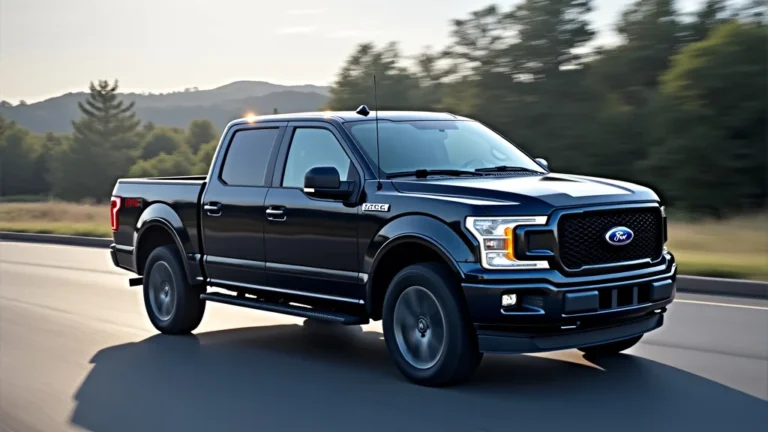
F150 Tuning: Exploring Advantages and Disadvantages
Thinking about modifying your Ford F150? You’re in good company! Many truck owners want to boost their performance or personalize their ride. But, before you jump in, it’s smart to know the f150 tuning pros and cons. For beginners, it can seem confusing with so many options. Don’t worry, though; we’ll break it down step-by-step. Get ready to explore the exciting options and make informed choices to improve your truck.
Advantages of Upgrading Your F150
F150 tuning is a popular way to personalize and improve your truck. However, it’s essential to understand the advantages. These upgrades can boost performance, enhance appearance, and even increase resale value. From simple bolt-on parts to complex engine modifications, the possibilities are diverse. Knowing the benefits of these improvements is important for making smart decisions about your F150.
Performance Enhancements
One primary reason people consider F150 upgrades is to boost performance. There are several ways to improve your truck’s power and efficiency. Tuning can provide more horsepower and torque, leading to quicker acceleration and improved towing capacity. Choosing the right upgrades depends on your specific needs and driving style. Remember, the goal is to make your truck perform better in every aspect.
- Engine Tuning: Engine tuning, also known as remapping or chip tuning, involves adjusting the engine’s computer (ECU) to optimize performance. This can lead to significant gains in horsepower and torque by changing factors like fuel injection and ignition timing.
- Exhaust Systems: Upgrading your exhaust system can improve your truck’s sound and performance. Aftermarket exhaust systems often feature larger diameter pipes and less restrictive mufflers. This reduces backpressure, allowing exhaust gases to escape more freely. This can result in increased horsepower and torque.
- Intake Systems: Intake upgrades, such as cold air intakes, provide the engine with a larger volume of cooler air. Cooler air is denser, which means more oxygen for combustion. This can increase horsepower and torque. Cold air intakes typically
The goal is to increase airflow to the engine. These intakes often include a high-flow air filter and a less restrictive intake tube. Selecting an intake system involves thinking about the design, materials, and ease of installation. Cold air intakes also improve the look of your engine bay and can create a sportier sound. Keep in mind that not all cold air intakes are suitable for all conditions. Some filters may be vulnerable to water ingestion.
Engine tuning can be done through a variety of methods. Some tuners offer pre-programmed tunes that can be loaded onto your truck’s ECU. Others provide custom tuning services, where a specialist will adjust the settings based on your specific truck modifications and driving preferences. This can make the truck run smoother and more efficiently.
Exhaust systems are available in various styles, including cat-back and full exhaust systems. Cat-back systems
Enhanced Appearance
Beyond performance, tuning your F150 can also significantly improve its appearance. Many owners modify their trucks to reflect their personality and style. This can include everything from cosmetic upgrades to functional changes that enhance its overall look. There is a huge range of options, each capable of transforming the look of your truck. These improvements are popular among truck owners who want to make a statement.
- Wheels and Tires: Upgrading to larger wheels and tires is a quick way to change your truck’s appearance. Different wheel styles and tire sizes can give your F150 a more aggressive or refined look. Choosing the right wheel and tire combination is critical for both appearance and performance.
- Suspension Lifts and Lowering: Lifting or lowering your F150 can dramatically alter its stance. Lift kits raise the truck, creating space for larger tires and a more commanding presence. Lowering kits reduce the truck’s ride height, giving it a sleeker, sportier look.
- Exterior Accessories: Many exterior accessories can be used to customize your F150. These include grilles, bumpers, side steps, bed liners, and lighting upgrades. These accessories can enhance both the look and functionality of your truck.
Consider the type of driving you do. Off-road tires are made for rugged terrain, while street tires are best for everyday use. Also, make sure the new wheels fit correctly, with proper offset and bolt pattern. A new set of wheels can drastically change the whole look and feel of the truck. This also improves grip and handling.
Lifting and lowering kits come in several types, including suspension lift kits, body lift kits, and lowering spring kits. Consider your driving needs before choosing. Lifting enhances off-road capabilities, while lowering improves handling. Proper installation is critical for safety and performance.
Grilles and bumpers can give your truck a more rugged or stylish appearance. Side steps make it easier to enter and exit. Bed liners protect the truck bed from damage. Lighting upgrades, such as LED headlights and taillights, can improve visibility and give your truck a modern appearance. When selecting accessories, ensure compatibility with your truck’s model and trim.
Increased Resale Value
While often overlooked, well-chosen upgrades can increase your F150’s resale value. Upgrades that improve performance or appearance can make your truck more desirable to potential buyers. However, not all modifications increase resale value; it’s essential to select upgrades that appeal to a broad market. Focusing on improvements that add practical value will boost the chances of a higher selling price.
- Popular Upgrades: Certain upgrades are generally appreciated by buyers, which boost resale value. These upgrades should be carefully chosen. Performance modifications, like engine tuning and exhaust systems, can increase the appeal.
- Maintenance and Care: Keeping your F150 well-maintained is also vital for resale. Regular servicing, proper care, and a detailed history of service records are all important. This shows a potential buyer that the truck has been looked after, and it gives assurance that the truck is in good condition.
- Market Trends: Understanding current market trends and what buyers want is important. For example, buyers increasingly want trucks with features like advanced technology and safety features. You might consider adding popular features, like a high-quality infotainment system or advanced driver-assistance systems.
When selecting these, opt for reputable brands and quality components to ensure they meet the buyers’ expectations. Exterior upgrades, such as upgraded wheels and tires, lift kits, and high-quality accessories, are also valued. These modifications should match current market trends and appeal to a wide customer base. Avoid highly personalized or unusual modifications.
Address any mechanical or cosmetic issues before selling. Keep all documentation, including receipts for upgrades and service records. This documentation supports your asking price. A truck that is in good condition, both mechanically and cosmetically, will always command a higher price. This attention to detail shows potential buyers that the truck is a good investment.
Researching current trends can help you make smart choices. Modifications that match current trends will appeal to the largest potential buyer base. Also, aim for upgrades that are in demand. This ensures that your truck stands out in the market. Adapt your strategy to match current preferences to maximize resale value.
Disadvantages to Consider With F150 Tuning
Although F150 tuning offers many benefits, there are potential drawbacks to think about. Modifications can void warranties, and some upgrades can lead to increased wear and tear on components. Making informed decisions helps you balance the gains with potential costs. Taking the time to understand these downsides will help you make a decision that is right for you.
Potential Warranty Issues
Modifying your F150 can impact your factory warranty. Many modifications can void your warranty coverage, at least for the parts affected by the modification. Before upgrading your truck, review your warranty terms. This helps you understand how modifications may affect your coverage. Also, research the potential risks associated with any modifications you are considering.
- Voiding the Warranty: Most manufacturers’ warranties have limitations on modifications. Any upgrade that impacts the engine, transmission, or other covered components could void the warranty. This is especially true if the modification causes damage.
- Aftermarket Parts: Using aftermarket parts can also complicate your warranty coverage. While the Magnuson-Moss Warranty Act protects consumers, it does not prevent manufacturers from denying warranty claims if an aftermarket part causes the damage.
- Partial Coverage: In some cases, your warranty may not be completely voided, but only the parts affected by the modification. For example, if you install an aftermarket exhaust system, the warranty on your engine and transmission may still be valid. However, the warranty on the exhaust system could be voided.
Carefully review the terms of your warranty before making any changes. Consider whether the benefits of the modification outweigh the potential risk of voiding your warranty. If you’re concerned about warranty coverage, consider sticking to modifications that do not impact major components. Consult with a service professional or warranty provider to clarify your warranty.
This means that if an aftermarket part leads to a failure, the manufacturer may not cover the repair. To reduce the risk, use reputable brands that offer warranties of their own. Keep records of all your modifications and receipts. Consult with your dealership before installing any aftermarket parts. They can advise you about the impact on your warranty.
Understanding the details of your warranty coverage is important. Before making any modifications, discuss the potential impact with your dealer or warranty provider. They can explain how the modification may affect your coverage. Getting everything in writing is also important. This prevents confusion later.
Increased Wear and Tear
Modifying your F150 can also increase wear and tear on various components. Performance upgrades, in particular, can place more stress on the engine, transmission, and other parts. These additional stresses can lead to premature failure. Regular maintenance and proper use are important. It is important to know that proper care can help manage the increased wear. Understanding the potential impact of your modifications helps you to prevent expensive repairs.
- Engine and Drivetrain: Performance upgrades can significantly increase stress on your engine and drivetrain. Engine tuning, for instance, can lead to higher combustion pressures and temperatures, which can wear down internal components. Installing a supercharger or turbocharger boosts performance.
- Suspension and Brakes: Upgrading your wheels and tires or lifting your truck can affect your suspension and brakes. Larger, heavier wheels and tires can put more stress on suspension components, leading to faster wear. Lift kits can change the angles of suspension geometry.
- Transmission: Modifications that boost engine power can also put extra stress on your transmission. Transmissions are designed to handle a certain amount of power. Adding a lot more power could cause the transmission to fail prematurely.
These modifications can further increase stress. Regular maintenance, including changing oil and filters, is important to mitigate wear and tear. Consider using high-quality fluids and following the manufacturer’s recommended maintenance schedule. Proper use of your truck, such as avoiding aggressive driving habits, can also help to reduce stress.
This can cause the parts to wear faster. Performance modifications, such as increased horsepower and torque, require stronger brakes. Consider upgrading your brakes. Regular inspection and maintenance of your suspension and brakes are critical. This helps detect and fix problems before they become major issues. This helps to extend the life of your truck’s components.
Consider upgrading the transmission to a stronger, more robust unit if you’re making major performance upgrades. Ensure the transmission fluid is changed regularly. Monitor the transmission for any signs of trouble. These include slipping, harsh shifting, or unusual noises. By taking these actions, you can greatly reduce the risks of transmission failure.
Cost Considerations
Upgrading your F150 involves costs beyond the initial price of the parts. From installation to ongoing maintenance, costs can add up quickly. A clear picture of potential costs is essential for planning and budget. Be certain that you can pay for the upfront costs, ongoing costs, and any unexpected expenses that arise. Careful budgeting ensures that your truck upgrade plans remain within reach.
- Upfront Expenses: Upfront expenses include the cost of parts and professional installation. The cost of parts varies widely depending on the type and quality of the upgrade. For example, a cold air intake might cost a few hundred dollars.
- Maintenance and Repairs: Modifications can increase the need for maintenance and repairs. Performance upgrades, for instance, can stress the engine and other components. This can lead to the need for more frequent oil changes, new spark plugs, or other maintenance tasks.
- Fuel Consumption: Many performance upgrades can increase fuel consumption. While some modifications can slightly improve fuel economy, others may significantly reduce it. This is especially true for upgrades that increase power.
Performance upgrades, like superchargers or turbochargers, can cost several thousand dollars. Professional installation fees are also important. These fees will vary based on the complexity of the job and labor rates. Consider the total cost, including parts, labor, and any additional components needed for the upgrade. Compare prices from different vendors and installers. This helps you get the best value for your money.
Factor in the cost of these extra items when planning your upgrades. Also, consider the likelihood of unexpected repairs. Modifications can sometimes create issues that require specialized repair. Consider the cost of these potential repairs. Proper maintenance and regular inspections can help to reduce the need for repairs. Doing these can help to extend the lifespan of your modifications and your truck.
Consider the long-term cost of fuel when deciding on modifications. Calculate how the upgrade might affect your fuel economy. You might want to compare the cost of fuel with the increase in power. Also, consider how your driving habits might affect your fuel economy. This gives a more accurate view of the overall cost.
F150 Tuning: Matching the Right Parts
Choosing the right upgrades for your F150 depends on your specific needs and goals. Whether you want to improve performance, appearance, or both, understanding how various parts work together is key. Matching the right components ensures that your modifications work effectively and safely. Carefully plan your upgrades and make sure you do enough research.
Performance Upgrades: What to Consider
Improving performance involves thoughtful planning and selecting parts that work well together. Boost performance by improving engine power, handling, and braking. Consider your specific driving needs. This helps you to select the right upgrades. Here are some of the most important things you should consider:
- Engine Type and Year: The engine type and model year of your F150 are key to selecting the right performance upgrades. Different engines have different designs and capabilities. This means that parts designed for one engine may not work with another.
- Driving Style: The kind of driving you do helps determine the best performance upgrades. If you regularly tow heavy loads, you might want to focus on upgrades that increase torque and towing capacity. This is different from the upgrades you might choose if you mainly drive on the street.
- Budget: Performance upgrades can vary widely in cost. Establish a budget before you start shopping for parts. You should also decide how much you’re willing to spend. This helps you narrow your choices. This helps you prioritize.
Research the specifications of your engine. Look for upgrades designed specifically for your model. Also, consider any existing modifications. Ensure that the new parts are compatible with other components. If you’re unsure, consult a professional mechanic or tuner. They can give you advice about compatible upgrades and potential issues.
If you’re into off-roading, you might focus on suspension, tires, and ground clearance. Consider where you drive and what you use your truck for. This can help you choose the best modifications for your needs. Consider your driving habits too. This may impact your choices about engine tuning, braking, or handling upgrades.
When creating your budget, factor in the cost of parts, installation, and any other required components. Research prices from different vendors. Compare the benefits of each upgrade against its cost. Consider whether the benefits justify the expense. Remember that you don’t have to upgrade everything at once. Focus on the most important upgrades first and build from there.
Appearance Upgrades: Key Considerations
Making appearance upgrades to your F150 means choosing modifications that reflect your personal style. It also involves making sure the upgrades fit correctly and work together. This process requires careful thought, as well as an understanding of how different components combine. By considering these aspects, you can create a unique, eye-catching, and functional truck.
- Aesthetic Preferences: What kind of look do you want for your truck? Do you want a rugged, off-road style or a more refined, street-focused appearance? Do you prefer a lifted or lowered stance? Answer these questions, and it will help guide your choices.
- Compatibility: Make sure that the parts you select are compatible with your truck’s model and trim. This will guarantee that the parts fit properly. Before you order anything, check the specifications. Make certain that the parts are compatible with your truck.
- Functionality: While appearance is important, you should also think about the function of your upgrades. Select parts that improve your truck’s capabilities. Consider any specific needs you may have. For example, if you often haul heavy loads, a bed liner or upgraded suspension might be a good idea.
Look at different types of trucks to get ideas. Browse online galleries or truck shows for inspiration. Keep your personal style in mind. This helps you choose upgrades that match your preferences. This can include anything from wheel and tire size to the type of accessories you choose.
If you are not certain, consult with a professional mechanic or installer. They will confirm that the parts will work. It is very important that you confirm compatibility. This avoids problems with installation and performance. Compatibility extends to the size and style of your wheels and tires. Compatibility also includes the types of suspension lift or lowering kits you choose.
Also, think about how each modification will affect the performance. Upgrading your wheels and tires can improve both appearance and off-road capability. Upgrades such as lighting enhancements can improve visibility. When selecting appearance upgrades, look for solutions that combine style and functionality. Remember that the appearance of your truck is not all that matters.
Integration of Upgrades
Upgrades are most effective when they work together. Ensure that all the new parts perform effectively as a system. Proper planning ensures that the modifications complement each other. By paying attention to compatibility and making sure all upgrades work in harmony, you can maximize the results.
- Matching Performance Goals: If your goal is to increase engine power, then plan for supporting upgrades. For example, increasing horsepower means you should upgrade your brakes. This combination can help you to make the most of the gains.
- Coordinating Appearance Upgrades: Appearance upgrades should enhance the truck’s overall look. They should also create a cohesive design. For instance, if you are planning on lifting your truck, make sure to select wheels and tires that fit the new ride height. Make sure that the look of all the parts works well together.
- Professional Advice: Get advice from professionals. They will help you plan your upgrades. Mechanics and tuners will provide valuable insights into what works best. They can advise you about what to avoid.
When selecting parts, think about how they interact. Consider a cold air intake, exhaust system, and engine tuning as a complete package. Doing so will ensure that your modifications work together to achieve your performance goals. Proper planning helps you get the best performance from all your upgrades.
Before you make any purchases, consider all the elements of your plan. This includes wheels, tires, suspension, and any exterior accessories. You can create a visually appealing package that improves your truck’s look. Proper coordination enhances your truck’s aesthetic appeal.
When you consult with a professional, provide details about your goals and what you want to achieve. A professional can help you create a plan and make recommendations. They can also ensure that the upgrades are installed correctly and perform well. You will be able to make smart decisions when you take advantage of professional expertise.
Frequently Asked Questions
Question: Can I tune my F150 myself, or do I need a professional?
Answer: It depends on the type of tuning. Simple upgrades, like a cold air intake or cat-back exhaust, can often be done at home with basic tools. However, engine tuning and more complex modifications should be done by a professional tuner or mechanic.
Question: Will tuning my F150 void my warranty?
Answer: Yes, it is very likely that any modification to your F150, especially those affecting the engine, transmission, or other critical components, could void your warranty, or at least the warranty on those specific parts. Always review your warranty terms before making any changes.
Question: How much does it cost to tune an F150?
Answer: The cost of tuning an F150 varies widely. Simple bolt-on upgrades can be relatively inexpensive, while more complex engine modifications and professional tuning services can cost several thousand dollars. Consider your goals.
Question: Can I increase fuel efficiency with tuning?
Answer: Some tuning modifications can improve fuel efficiency. Engine tuning and certain performance upgrades may improve fuel economy. However, many performance upgrades will decrease fuel economy. This depends on your driving style and the specific modifications.
Question: What are the risks of tuning an F150?
Answer: Risks include potential warranty issues, increased wear and tear on components, and the possibility of decreased reliability if the modifications are not done correctly or are not compatible. Always do your research.
Final Thoughts
Exploring f150 tuning pros and cons is vital before upgrading your truck. While modifications can boost performance and looks, it’s key to weigh the advantages against potential downsides. You can improve horsepower, refine the look, and even boost resale value. Keep in mind that warranty issues, increased wear, and costs should be considered. By understanding the options, choosing the right components, and getting professional advice when needed, you can personalize your F150. Remember to focus on your goals, do your research, and enjoy the process of making your truck your own!