How Ford F150 Hybrid System Functions Explained
Figuring out how does f150 hybrid system work can seem tricky at first. It’s like learning how a puzzle fits together – lots of parts. Don’t worry, though; we’ll break it down step by step. We’ll explore the basics and make it easy to follow. Get ready to learn about the parts and how they work together.
Overview of the F150 Hybrid Powertrain
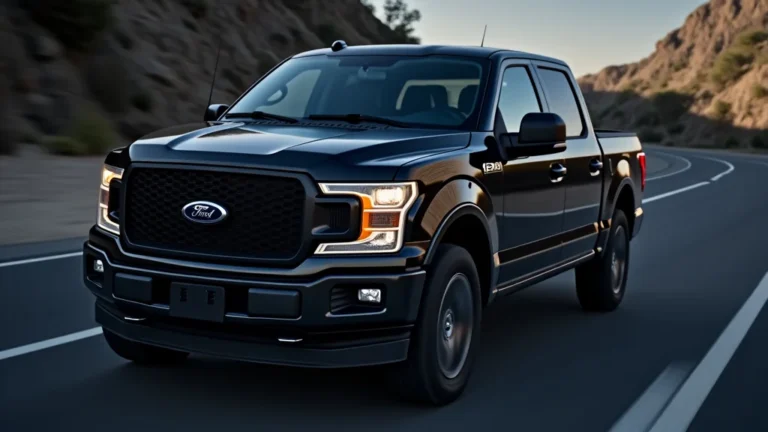
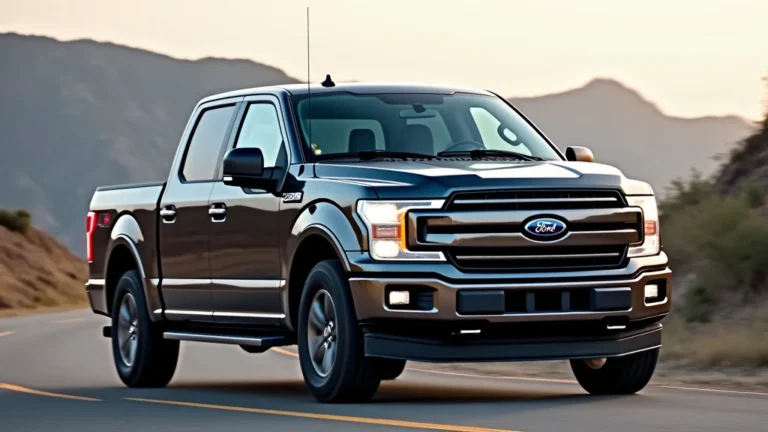
The Ford F150 hybrid combines a gasoline engine with an electric motor to increase fuel efficiency and provide extra power. This system, also known as a parallel hybrid, uses both power sources to drive the wheels. The truck can run on the gasoline engine, the electric motor, or a combination of both. It’s designed to seamlessly switch between the modes, depending on driving conditions. This design helps make the truck more versatile. It helps to deliver strong performance along with better fuel economy than a traditional gasoline-only engine. This approach balances performance and efficiency.
The F150 hybrid system is more than just a motor and an engine. It includes a sophisticated battery pack, advanced control systems, and a regenerative braking system. These parts all work together to improve how the truck operates. Ford’s goal was to make a truck that is powerful, efficient, and user-friendly. The hybrid design is a big step in that direction.
Components of the Hybrid System
The core parts that make up the F150 hybrid include a gasoline engine, an electric motor, a high-voltage battery pack, and a power control unit. The gasoline engine is usually a V6 EcoBoost engine. It provides the primary power. The electric motor, integrated within the transmission, assists the engine. It adds extra torque and drives the truck. The battery is usually a lithium-ion battery. It stores the electrical energy that powers the motor. The power control unit (PCU) manages the flow of energy between the battery, motor, and engine. This coordination ensures that the system works smoothly and efficiently.
- Gasoline Engine: The standard internal combustion engine provides the main power source for the truck. It can operate on its own, providing power when the electric motor isn’t needed or when the battery is low. This provides dependable performance on the road.
- Electric Motor: This motor is typically located inside the transmission. It helps drive the wheels, either on its own at low speeds or in combination with the gasoline engine. The motor adds extra power and improves fuel economy.
- High-Voltage Battery Pack: This lithium-ion battery stores energy for the electric motor. The battery pack is designed to be durable and to provide a consistent power supply. The capacity varies based on the vehicle specifications.
- Power Control Unit (PCU): The PCU is the “brain” of the system. It controls the power flow between the engine, motor, and battery. The PCU helps optimize efficiency and performance. It ensures smooth transitions between the different driving modes.
The Role of the Electric Motor
The electric motor’s role is important in the F150 hybrid. It boosts acceleration by delivering instant torque. This helps provide strong starting power. The motor also enhances fuel economy by taking over at low speeds. It operates in “electric-only” mode under certain conditions, such as city driving. In this mode, the truck uses no gasoline, saving fuel. This feature reduces emissions in congested areas. It allows the truck to function efficiently in varied driving conditions.
The electric motor also assists during cruising and provides regenerative braking. During cruising, the motor can supplement the gasoline engine to conserve fuel. The motor also functions during regenerative braking to capture and reuse energy. This process converts kinetic energy into electrical energy that is stored in the battery. Regenerative braking increases efficiency and extends the driving range.
How the F150 Hybrid System Operates
The F150 hybrid system operates in several modes, switching between them to optimize performance and efficiency. These modes include electric-only, hybrid, and engine-only. The truck’s computer constantly monitors driving conditions and decides which mode is best. This automatic process provides a smooth and efficient driving experience. The driver doesn’t have to manually switch between modes. The system manages the power delivery seamlessly.
The key to the system’s function is the Power Control Unit (PCU). The PCU is constantly taking in data from various sensors. These sensors detect speed, acceleration, and throttle position. It then adjusts the power output. This is done to achieve the best balance between power and efficiency. The system is designed to provide a user-friendly and reliable driving experience.
Driving Modes Explained
The F150 hybrid utilizes several driving modes to maximize efficiency and performance. Each mode is designed for specific driving conditions. The system automatically switches between these modes. This provides optimal performance and fuel economy. The driver often doesn’t realize the transitions, as they are managed smoothly and automatically by the system.
- Electric-Only Mode: At low speeds (typically under 20 mph), and under certain conditions, the truck can operate on the electric motor alone. This mode is useful for city driving or in situations where quiet operation is needed. The truck uses no gasoline during this mode.
- Hybrid Mode: In hybrid mode, the gasoline engine and the electric motor work together. This combination provides the best mix of power and fuel efficiency. The PCU decides how to balance the power output from each source.
- Engine-Only Mode: At higher speeds or when more power is needed, the gasoline engine takes over. The electric motor may still assist or act as a generator during this mode. This mode gives the truck maximum power for tasks like towing or hauling heavy loads.
- Regenerative Braking: When the driver brakes or decelerates, the electric motor acts as a generator. It captures the kinetic energy and converts it into electricity. This energy is stored in the battery.
The Role of Regenerative Braking
Regenerative braking is a useful part of the F150 hybrid system. It helps to recapture energy that would otherwise be lost during braking. When the driver presses the brake pedal, the electric motor acts as a generator. It converts the kinetic energy of the moving truck into electrical energy. This electrical energy is then stored in the high-voltage battery. The system recovers energy from every stop. This increases the overall efficiency of the truck.
The regenerative braking system not only improves fuel economy, but it also reduces wear on the traditional brakes. This extends the lifespan of the braking components. The amount of regeneration can often be adjusted through driver-selectable modes. This provides the driver with more control over the truck’s energy use. The energy recapture makes the hybrid F150 more efficient than a traditional gasoline truck.
Advantages of the Ford F150 Hybrid System
The Ford F150 hybrid offers several advantages over a standard gasoline-powered truck. The system’s combination of fuel efficiency, power, and utility make it an attractive option for many truck buyers. It provides a more eco-friendly and cost-effective way to use a pickup truck. It also offers advanced features and capabilities. This boosts the overall user experience.
Ford’s hybrid technology provides users many advantages. These advantages include better fuel economy, increased power, and advanced features. The electric motor delivers immediate torque. This makes acceleration faster. The hybrid system also provides features like Pro Power Onboard. These features set the F150 hybrid apart from its competitors.
Fuel Efficiency and Cost Savings
One of the major benefits of the F150 hybrid is the improvement in fuel efficiency. The system combines an electric motor with a gasoline engine. This results in significant fuel savings compared to a conventional gasoline engine. The hybrid can operate in electric-only mode at lower speeds. This decreases fuel consumption. The regenerative braking system also increases fuel economy by recapturing energy.
- Reduced Fuel Costs: The F150 hybrid typically gets better fuel mileage. This results in lower fuel costs over the vehicle’s life. The extent of the savings depends on driving conditions and fuel prices.
- Lower Emissions: The hybrid system produces fewer greenhouse gas emissions. The system can run on electric power for some driving.
- Fuel Savings on Job Sites: The Pro Power Onboard feature allows the truck to power tools. It eliminates the need for a separate generator.
According to the EPA, the F150 hybrid provides a combined fuel economy of around 25 mpg, a significant improvement over the standard gasoline models. This can add up to substantial fuel cost savings over the life of the vehicle. For example, a driver covering 15,000 miles per year might save hundreds of dollars annually on fuel. These fuel savings are especially useful for frequent drivers or those using the truck for work. This helps the vehicle have less impact on the environment.
Power and Performance Benefits
The F150 hybrid’s electric motor provides extra power and immediate torque. This results in quicker acceleration and enhanced towing capabilities. The electric motor provides instant torque. It helps the truck accelerate faster from a stop. This immediate power makes the truck more fun to drive. It also helps with towing heavy loads.
- Increased Torque: The electric motor delivers immediate torque. This makes the truck feel more responsive when accelerating and towing. This torque gives the vehicle more pulling power when starting.
- Enhanced Towing Capacity: The combined power of the engine and motor helps to increase the truck’s towing capacity. The truck handles heavier loads.
- Pro Power Onboard: The hybrid system also includes Pro Power Onboard, a built-in generator. This generator can provide power to tools and other devices. It’s a useful feature for job sites and outdoor activities.
The F150 hybrid can often tow heavier loads compared to similar gasoline models. For example, some configurations of the hybrid can tow over 12,000 pounds. This added power and capability make it a useful tool. The Pro Power Onboard system can generate up to 7.2 kilowatts of power. This is enough to power tools, lights, and appliances. This feature boosts its versatility.
Versatility and Additional Features
Beyond fuel economy and performance, the F150 hybrid offers several features that enhance its versatility. Pro Power Onboard is a notable feature. It turns the truck into a mobile power source. This feature adds convenience and value for many users. The hybrid system also adds to the overall value of the truck. It has advanced technology and user-friendly features.
- Pro Power Onboard: This allows the truck to supply electricity to external devices. It’s useful for work sites, camping, and emergency situations.
- Quiet Operation: The electric motor allows the truck to operate quietly in electric-only mode. This is good for reducing noise pollution in urban areas.
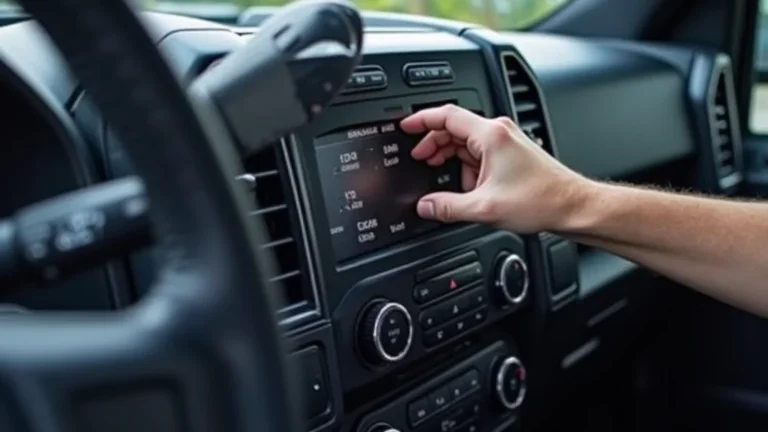
- Advanced Technology: The hybrid system has advanced technology features. These features include smart charging capabilities and intuitive displays. They also provide drivers with real-time information about energy usage.
Pro Power Onboard is available in various power levels, ranging from 2.4 kW to 7.2 kW, depending on the configuration. This lets users select the amount of power needed. This feature adds value. The quiet operation is useful in various settings. These settings include job sites, residential areas, and campsites. The advanced technology provides a user-friendly and modern driving experience.
Maintenance and Long-Term Considerations
The F150 hybrid requires regular maintenance, including servicing the gasoline engine and the hybrid components. Routine maintenance, such as oil changes and tire rotations, is the same as a standard gasoline vehicle. However, the hybrid system requires some unique maintenance tasks. These tasks include checking the high-voltage battery and the electric motor. Staying up to date on maintenance helps ensure long-term reliability and performance.
The high-voltage battery is designed for long life, but it may need to be
Maintenance of Hybrid Components
Maintaining the hybrid components is important to ensure the F150 hybrid runs properly. The high-voltage battery is a main part of the hybrid system. Regular inspection and care can extend the life of the battery. Other parts like the electric motor and the power control unit also require attention. Keeping up with these service tasks is important. These tasks help to keep the truck running smoothly and efficiently.
- High-Voltage Battery: Check the battery for any damage or signs of wear. Ford typically recommends a battery check. This happens at specific intervals. Replacing the battery is a major expense. But proper maintenance can extend its life.
- Electric Motor: The electric motor usually requires less maintenance than a gasoline engine. It is still a good idea to inspect it during scheduled service. This can catch any issues early.
- Power Control Unit (PCU): The PCU is the brain of the hybrid system. It usually doesn’t need much direct maintenance. Regular software updates are important. These updates ensure the system operates efficiently.
Battery Life and Replacement
The lifespan of the high-voltage battery is a main factor when considering an F150 hybrid. Ford designs the batteries for long life. Most batteries will last many years with normal use. The actual lifespan can vary based on driving habits, climate, and maintenance. Ford offers warranties to protect against premature battery failure. This gives owners confidence in the hybrid system.
Battery replacement is a significant expense, but it is not a common event. Modern lithium-ion batteries have a long life span. Ford warranties the batteries. These warranties typically cover a period of eight years or 100,000 miles. When a replacement is needed, it’s a good idea to use a certified service center. These centers have the tools and expertise to properly install the battery. Proper care and regular maintenance are important to get the most out of the high-voltage battery.
Real-World Scenarios and Case Studies
Understanding how the F150 hybrid performs in real-world scenarios can help potential buyers make an informed choice. It’s helpful to see how the truck functions. We’ll look at specific examples. The hybrid’s ability to save fuel and increase power becomes clear in different use cases. These examples demonstrate the practical benefits of the technology.
The case studies show fuel savings and practical advantages. Real-world experiences show the advantages. These advantages include fuel economy, power output, and ease of use. These examples provide useful insights. They show the features of the Ford F150 hybrid.
Example 1: Daily Commuting and City Driving
A driver who commutes 50 miles per day in city and suburban traffic would see significant fuel savings with an F150 hybrid. In city driving, the truck can often run in electric-only mode. This mode uses no gasoline. The regenerative braking system also recaptures energy during stop-and-go driving. These features combine to improve fuel economy significantly. Over a year, this driver could save hundreds of dollars. They will also reduce emissions.
- Scenario: Daily commute of 50 miles, with 30 miles in city traffic.
- Fuel Savings: The hybrid model might get 25 mpg, compared to 18 mpg for a gasoline model.
- Result: Over a year (15,000 miles), the driver could save about $500 in fuel costs.
Example 2: Towing and Hauling Heavy Loads
A construction company that often tows trailers or hauls heavy materials benefits from the F150 hybrid. The electric motor provides extra torque. This makes towing easier. The truck’s increased towing capacity allows it to haul heavier loads. The Pro Power Onboard feature also lets them power tools on site without a separate generator. This saves money and boosts productivity.
- Scenario: Towing a 7,000-pound trailer for 100 miles each week.
- Performance: The hybrid offers enhanced torque and towing capacity, making the task easier.
- Result: Easier and more efficient towing. The Pro Power Onboard offers convenience.
Example 3: Off-Road and Recreational Use
A weekend adventurer or off-road enthusiast can also gain from the F150 hybrid. The electric motor provides instant torque. This helps overcome obstacles. The hybrid system also provides features like Pro Power Onboard. These features help with camping. It can power tools and devices away from the electrical grid. This boosts enjoyment and convenience. It makes it easier to use for outdoor adventures.
- Scenario: Using the truck for off-road trails and camping trips.
- Performance: Electric motor provides instant torque, assisting in off-road settings.
- Result: More power for off-road conditions and convenient power supply for camping.
Frequently Asked Questions
Question: How does the F150 hybrid charge its battery?
Answer: The F150 hybrid charges its battery through regenerative braking and by using the gasoline engine as a generator.
Question: What is Pro Power Onboard?
Answer: Pro Power Onboard is a feature that allows the F150 hybrid to function as a mobile generator, providing power to external devices.
Question: How often does the high-voltage battery need to be replaced?
Answer: The high-voltage battery is designed for long life, but it may eventually need replacing, typically after many years or after the warranty period.
Question: Does the F150 hybrid require special maintenance?
Answer: The F150 hybrid requires regular maintenance, including servicing the gasoline engine and the hybrid components.
Question: Can the F150 hybrid run entirely on electric power?
Answer: Yes, the F150 hybrid can run in electric-only mode at lower speeds and under certain conditions.
Final Thoughts
The Ford F150 hybrid is a pickup truck that mixes the power of a gasoline engine with the efficiency of an electric motor. It changes how the truck works by running on electric power, gasoline, or both. This helps drivers save money on gas. The truck has extra features like Pro Power Onboard. They make it a great choice for many people. It has an electric motor. This motor makes the truck more fun to drive and helps it tow more. The hybrid system also is designed to be easy to take care of, with common service needs. Whether you’re using it for work or fun, this truck is designed to make your driving experience better. Check it out to see if it’s the right fit for your needs!