How F150 Hill Descent Control: A Simple Guide for Owners
Figuring out how F150 hill descent control works can feel a little tricky when you’re starting. Many new truck owners find this feature a bit puzzling at first. No worries, though! This guide breaks down hill descent control in easy-to-understand terms. You’ll learn what it does, when to use it, and how to get the most out of it. Get ready to discover everything you need to confidently tackle those slopes.
Key Takeaways
- Hill descent control automatically controls your speed down steep hills.
- It allows you to focus on steering instead of braking.
- The system uses the truck’s brakes to maintain a steady speed.
- You can activate and adjust the speed using buttons on the dashboard.
- Knowing how it works increases off-road confidence and safety.
- Regular practice helps you become proficient in using the system.
Unlocking the Mystery: How F150 Hill Descent Control Operates
Hill descent control is a clever system found in many F150 models. It’s built to give drivers more confidence and control when going down steep inclines. Instead of constantly pressing the brakes yourself, the system does it for you. This lets you focus on steering and lets the truck do the hard work. This feature is especially helpful on slippery surfaces or off-road trails. It’s a real advantage if you frequently drive in areas with challenging terrain. Learning about it starts with figuring out the basics of the technology.
The Science Behind the System
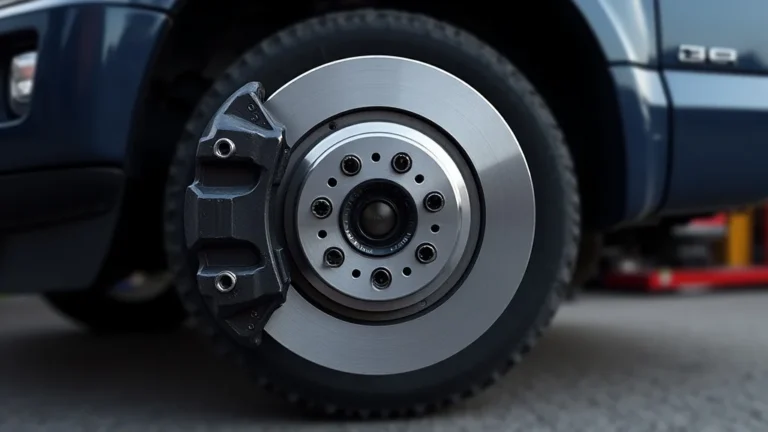
The core of the hill descent control system involves the truck’s anti-lock braking system, also known as ABS. ABS sensors monitor each wheel’s speed. When the system detects that a wheel is about to lock up – meaning it’s about to stop rotating and start sliding – it quickly pulses the brakes to regain traction. The hill descent control uses this same technology, but it activates it in a controlled manner to manage the truck’s speed. The system essentially “rides” the brakes, maintaining a set speed without the driver having to press the brake pedal.
- The ABS system continuously monitors wheel speed.
- It applies brakes individually to each wheel.
- The system prevents wheel lock-up and maintains traction.
- Hill descent control works in conjunction with the ABS.
The system utilizes a central computer, sometimes referred to as the Engine Control Unit or ECU, to receive data from all the sensors. The ECU is the brain of the operation, coordinating the application of the brakes to maintain the predetermined descent speed. The driver can set the desired speed within a certain range using a button on the dashboard. The system then adjusts the braking force automatically. It reacts to changes in grade or surface conditions. The result is a smooth, controlled descent, even on steep slopes or loose surfaces.
Activating and Setting the Speed
Getting hill descent control to work in your F150 is easy. The system is usually activated via a dedicated button located on the dashboard or center console. After pushing the button, you can set your desired speed. Generally, you use the cruise control buttons to adjust the speed. There are up and down arrows to increase or decrease the speed. This control allows you to customize the descent speed depending on the slope and terrain. The dashboard displays the selected speed, giving you clear feedback about what the system is doing.
- Find and press the hill descent control button.
- Use the cruise control buttons to select your speed.
- The dashboard shows the set speed.
- You can adjust the speed while descending.
Different F150 models and trim levels might have slight variations in the control layout. However, the fundamental process is the same. Press a button to activate and then set your speed with the cruise control. Once the system is engaged, all you need to do is steer. The truck will automatically manage its speed, preventing it from accelerating down the hill. Remember to check your owner’s manual for specific instructions for your F150 model. The manual also provides details on the maximum speeds the system can handle. This is important for safety.
Conditions for Effective Operation
For the hill descent control to work at its best, certain conditions should be met. The system is most effective on loose surfaces, such as dirt, gravel, or snow. These conditions make it challenging to maintain control with standard braking. The hill descent control helps improve stability and reduce the chances of sliding. It works well on slopes with a significant grade, where the force of gravity is strong enough to cause the truck to accelerate rapidly. In many cases, it can be used on paved roads if the conditions are less than ideal.
- The system functions best on loose surfaces.
- It’s effective on slopes with a significant incline.
- Avoid using it at excessively high speeds.
- Ensure the system is properly engaged before a descent.
It’s crucial to understand the limitations. The system isn’t designed to handle extremely steep inclines at very high speeds. Exceeding the system’s speed limits might reduce its effectiveness or cause it to disengage. Also, remember to take it easy if the road surface is extremely icy. The hill descent control system is not a substitute for safe driving practices. Always be mindful of the conditions and adjust your driving behavior. It is important to remember to check the surroundings before engaging the system, especially if you are off-roading.
Real-World Examples of F150 Hill Descent Control in Action
Seeing how hill descent control helps in real-world scenarios makes its advantages clear. Here are a couple of examples to help you explore its value. It helps to illustrate the benefits of this feature for different driving situations. The benefits range from easier off-road driving to improved control in tricky conditions. It adds peace of mind to the drivers.
Example 1: Conquering a Muddy Trail
Imagine you’re on a challenging off-road trail with deep mud and steep declines. Without hill descent control, you’d constantly have to manage the brakes while steering through the mud. It’s exhausting and difficult. With the system active, you simply select a safe speed and steer. The system takes over the braking. It prevents the wheels from locking up. It keeps the truck moving steadily down the trail. You’re able to focus on the terrain and maintain better control. This results in a smoother, less stressful drive, and less chance of getting stuck.
- The driver engages hill descent control.
- The system applies brakes automatically.
- The truck maintains a constant speed.
- Driver focuses on steering through the mud.
- The vehicle navigates the trail with enhanced stability.
Example 2: Navigating a Snowy Mountain Road
Picture yourself driving down a mountain road covered in snow and ice. The road is steep and winding, increasing the risk of losing control. With the hill descent control engaged, you set a slower speed appropriate for the conditions. The system automatically adjusts the braking to prevent skidding. You maintain a slower pace and can make steering corrections more easily. You can steer the vehicle safely down the mountain. The journey feels far less treacherous. You arrive at your destination in a safe and comfortable manner.
- The driver selects a safe speed.
- The system prevents wheel lock-up on the snow.
- The vehicle descends at a controlled pace.
- Driver maintains steering control.
- The descent is completed safely, avoiding skidding.
Maximizing Safety and Confidence with Hill Descent Control
Using hill descent control is about more than just the technology itself. It is also about the skills and judgment of the driver. Properly using the system makes a huge difference to your safety and the truck’s performance. Here’s what you should explore for optimal results. These are about using hill descent control safely and with greater confidence in a variety of situations.
Pre-Descent Preparations
Before beginning a descent, always check the road conditions. Make sure the tires have good traction and that there are no obstacles in the way. Engage the system, select the right speed for the conditions, and verify that it’s working. This might seem obvious, but it is important to be aware of the surrounding environment. Be sure there are no obstructions, such as rocks, trees, or other vehicles. Also, select the appropriate gear beforehand, such as low range for difficult terrain. This approach can make the descent more controlled.
- Assess the road surface and surrounding environment.
- Check your tire pressure for optimal traction.
- Make sure the system is activated before you begin.
- Choose a suitable speed for the grade.
Additionally, knowing your truck’s capabilities is important. F150 models are designed with specific performance limits. Understand those limits. This includes the maximum incline grade and the maximum speed at which the system is effective. Review the owner’s manual for specific information about your model. Remember, hill descent control is a tool. It works best when used in conjunction with safe driving practices. Always be prepared to take over manual braking. You can then quickly adjust to unexpected conditions.
Best Practices During a Descent
Once you are descending, you should keep your attention on steering. The system handles the speed. Focus on directing the vehicle and reacting to any changes in the road. Avoid sudden steering movements or rapid acceleration. These movements can disrupt the system and reduce stability. Keep a safe distance from other vehicles, and be ready to make adjustments if necessary. Practice using the system in a safe area. This is the best way to become familiar with its behavior. This practice also helps you gain confidence.
- Steer gently and avoid sudden movements.
- Maintain a safe distance from other vehicles.
- Stay aware of changing road conditions.
- Be prepared to override the system if necessary.
If you need to change your descent speed, do so gradually. Use the cruise control buttons to adjust. Don’t try to make large speed changes while on a steep grade. If you need to stop the descent, you can always apply the brakes manually. Hill descent control will then disengage. Remember, the system is designed to help you, but it should not replace cautious and aware driving. The goal is to maximize safety. Make sure you get the most out of your F150 on various types of terrain.
Troubleshooting and Common Issues
Even though hill descent control is very reliable, you may encounter issues. This includes the system not activating, working erratically, or disengaging unexpectedly. These problems can be related to multiple factors. It could be due to sensor malfunctions, electrical problems, or even conditions that exceed the system’s limits. It is important to know how to diagnose the common issues. Also, understand when to seek professional maintenance.
- The system may not activate if the speed is too high.
- It can disengage if a wheel loses traction.
- Check for any error messages on your dashboard.
- Consult a mechanic if problems continue.
If the hill descent control button doesn’t light up or the system does not engage, check the owner’s manual. The manual has specific instructions for troubleshooting the problem. Also, examine the dashboard for any warning lights or messages. These alerts can indicate a malfunction with the ABS or other related systems. If the system activates but functions erratically, inspect the wheel speed sensors. These sensors can be damaged or dirty. They may require cleaning or replacement. Always ensure that the tires are properly inflated. Low tire pressure can impact the effectiveness of the system. In cases of persistent or unexplained issues, take your truck to a qualified mechanic for diagnostics and repairs.
How F150 Hill Descent Control Compares to Other Systems
Several other technologies help with vehicle stability and control. This includes systems that share similarities with hill descent control. For example, traction control, stability control, and electronic braking distribution (EBD) have a lot in common. However, they each serve different purposes and operate under different conditions. Understanding these distinctions will give you a complete perspective of vehicle control.
Traction Control vs. Hill Descent Control
Traction control is a system designed to stop wheel spin when accelerating. This is useful on slippery surfaces such as ice or snow. When one or more wheels start to lose traction, the system reduces power to those wheels or applies the brakes to restore grip. Hill descent control assists in maintaining a consistent speed while descending a slope. It uses the ABS system to control the brakes. Traction control works in conjunction with hill descent control to help improve overall control.
- Traction control helps prevent wheel spin during acceleration.
- Hill descent control helps maintain a constant speed downhill.
- Both systems rely on the ABS to apply braking.
- These systems work together for better stability.
Both systems depend on ABS to function, but they serve unique roles. Traction control is most active when you are accelerating and tries to improve grip from the tires. Hill descent control is most active when you are descending a slope. The focus is to maintain a controlled, steady speed. These two systems can work simultaneously. Both contribute to a safer driving experience in challenging conditions.
Stability Control and Electronic Brakeforce Distribution
Stability control is an advanced system designed to prevent the vehicle from skidding. This system can detect when the car is about to lose control. It will apply brakes individually to each wheel. It also reduces engine power to help the vehicle get back on track. Electronic brakeforce distribution (EBD) is designed to adjust the braking force between the front and rear wheels, depending on load and driving conditions. EBD helps maximize braking efficiency. Hill descent control primarily focuses on maintaining a set speed while descending a slope.
- Stability control prevents skidding.
- EBD optimizes braking force distribution.
- Hill descent control helps maintain a consistent speed downhill.
- The combined systems work together for better control.
Stability control and EBD are designed to assist the driver in different ways. Stability control intervenes to prevent the vehicle from going out of control. EBD improves braking efficiency by distributing braking power intelligently. Hill descent control has a narrower focus. It helps to control vehicle speed down a hill. All of these systems work together to enhance the safety and stability of the F150. Knowing about these systems provides more control over the vehicle in various driving conditions. It gives the driver a much better and safer experience.
| System | Primary Function | Operating Condition |
|---|---|---|
| Traction Control | Prevent wheel spin during acceleration. | Slippery surfaces, acceleration. |
| Hill Descent Control | Maintain a constant speed downhill. | Steep slopes, downhill descents. |
| Stability Control | Prevent skidding or loss of control. | Potentially dangerous driving situations. |
| Electronic Brakeforce Distribution (EBD) | Optimize brake force distribution between wheels. | Varied load and driving conditions. |
Frequently Asked Questions
Question: How do I turn on hill descent control in my F150?
Answer: Locate the hill descent control button on your dashboard, and press it to activate the system. You will then use the cruise control buttons to set your desired descent speed.
Question: What is the maximum speed I can use with hill descent control?
Answer: The maximum speed varies by model. However, it’s generally best to use a low and appropriate speed for the steepness and conditions. The owner’s manual for your specific F150 provides details.
Question: Can I use hill descent control on any surface?
Answer: Hill descent control is most effective on loose surfaces like dirt, gravel, or snow. However, you can also use it on paved roads. Be sure the conditions are right and the speed is appropriate.
Question: What should I do if the hill descent control isn’t working?
Answer: Check your owner’s manual for troubleshooting steps. Make sure the system is properly engaged, and verify there are no warning lights. If problems persist, have your truck inspected by a mechanic.
Question: Does hill descent control replace the brakes?
Answer: No, it assists the brakes. You can still apply the brakes manually at any time to override the system. It helps you control speed but doesn’t replace the need for careful driving.
Final Thoughts
The F150’s hill descent control is a great feature designed to improve safety. It helps you manage your truck’s speed. You are able to focus more on steering when going down steep inclines. This is particularly helpful on challenging terrain. By now, you should have a good idea of how it works. You can now use it safely and with confidence. Remember to always understand the conditions before use. Always drive defensively. You now have a very useful tool to explore in your F150. Practice using it in a safe environment. You will be able to maximize its potential.