How F150 Shift Interlock Functions And Simplifies Shifting
If you’re new to driving or own an F150, you might be wondering how f150 shift interlock works. It can seem tricky at first. Why won’t your truck shift out of Park? Don’t worry, it’s a common question, and it’s there to keep you safe. We’ll break down the process in easy steps. You will know exactly how the system works and get back on the road safely in no time. Let’s start with the basics.
Key Takeaways
- The F150 shift interlock is a safety feature that prevents accidental shifting.
- The system requires the brake pedal to be pressed for shifting out of Park.
- A faulty brake light switch can sometimes cause the interlock to malfunction.
- Manual override options exist for situations like dead batteries or system failures.
- Understanding the system helps diagnose and resolve shifting problems efficiently.
- Proper maintenance keeps the shift interlock and the whole truck in good working order.
The Fundamentals of F150 Shift Interlock Systems
The shift interlock system in your F150 is a safety mechanism. Its main job is to prevent you from accidentally shifting out of Park. This design helps to eliminate the risk of the vehicle rolling unexpectedly. The system is designed to stop you from shifting gears until you press the brake pedal. This simple feature is a great safety measure. This keeps you, your passengers, and anyone around you safe. The components are pretty straightforward. The system relies on a few key parts all working in sync.
Components and Basic Operation
The primary components include the brake light switch, the shift interlock solenoid, and the vehicle’s computer (PCM or Powertrain Control Module). The brake light switch detects when the brake pedal is pressed. This is a switch that activates your brake lights. It sends a signal to the PCM. The PCM then signals the shift interlock solenoid, which is located in or near the shift lever. The solenoid unlocks the shift lever. This unlocks the shift lever. Once the system unlocks, you can then shift out of Park. The shift interlock essentially acts as a gatekeeper.
- Brake Light Switch: This switch tells the PCM the brake pedal is pressed.
- Shift Interlock Solenoid: This is an electromagnet that unlocks the shift lever.
- Powertrain Control Module (PCM): The PCM coordinates the signals from the brake switch and activates the solenoid.
- Shift Lever Mechanism: This is the physical lever that you use to select gears.
- Power Supply: The entire system requires power, usually from the vehicle’s battery.
This whole process happens in a fraction of a second when you press the brake. The system ensures that you are intentionally trying to shift. This eliminates any accidental shifts. These systems are now common in modern vehicles. It’s a standard feature designed to increase safety for drivers and other road users. It’s an important part of a vehicle’s safety features.
Step-by-Step Shift Interlock Process
Let’s explore the process in a step-by-step approach. This will help you to completely grasp how it operates. The sequence begins with the driver’s actions and moves to the mechanical responses of the system. This method highlights the system’s simple design and its clear purpose. It minimizes the possibility of errors and enhances overall road safety.
- Brake Pedal Activation: The driver presses the brake pedal, closing the circuit.
- Signal to PCM: The brake light switch sends a signal to the PCM.
- PCM Activation: The PCM confirms the signal and activates the shift interlock solenoid.
- Solenoid Action: The solenoid unlocks the shift lever, allowing gear selection.
- Shift Lever Movement: The driver moves the shift lever out of Park.
- Gear Engagement: The selected gear engages, and the vehicle is ready to move.
Each step is crucial, and the system depends on each part to function correctly. This is why problems can occur if any part fails. A failure in the brake light switch, the solenoid, or even the power supply can prevent the system from unlocking the shift lever. Knowing these steps helps in understanding where a problem might lie if you ever experience difficulties shifting.
Troubleshooting Common Shift Interlock Problems
Sometimes, the shift interlock system might not work correctly. This can leave you stuck in Park. A lot of things can cause this. Common problems include a faulty brake light switch, a blown fuse, or a dead battery. Often, the issue is straightforward and easy to fix. The following sections will guide you through some of the most common problems and their solutions.
Battery Issues and Their Impact
A dead or weak battery is a frequent cause of shift interlock issues. The shift interlock system relies on the electrical power from the battery. If the battery is dead, there’s no power to activate the solenoid. The solenoid is what unlocks the shift lever. The solenoid needs power to operate. This means you will not be able to shift out of Park. This can be very frustrating. It’s also very common if the vehicle hasn’t been used in a while. Jump-starting the vehicle is usually the first step to resolving this issue. This will provide power to the system.
- Symptom: Shift lever stuck in Park.
- Cause: Insufficient battery voltage to power the solenoid.
- Solution: Jump-start the vehicle or replace the battery.
Additionally, corrosion on the battery terminals can disrupt the flow of electricity. This will cause the system to malfunction. Cleaning the terminals can often resolve the issue. If the battery is old or weak, it should be replaced. Regular battery maintenance is key to preventing these types of problems. Using a battery maintainer when the vehicle sits for long periods can also help.
Brake Light Switch Malfunctions
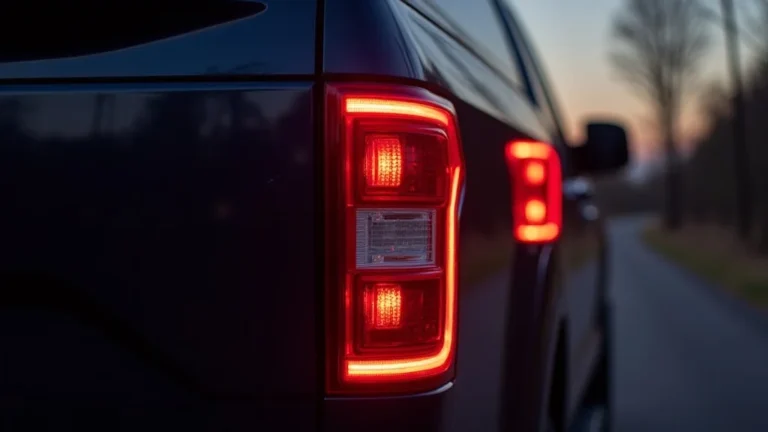
The brake light switch plays a critical role in the shift interlock system. This switch tells the PCM whether the brake pedal has been pressed. If the switch malfunctions, it may not send the correct signal. The PCM won’t activate the shift interlock solenoid. This will result in the shift lever remaining locked in Park. You might also notice that your brake lights are not working. This is a common indicator of a faulty brake light switch. Replacing the switch is a common fix. It’s a relatively simple repair. The part is inexpensive. The replacement process is usually easy, too.
- Symptom: Brake lights not working, shift lever stuck in Park.
- Cause: Defective brake light switch.
- Solution: Replace the brake light switch.
Diagnosing a faulty switch is usually straightforward. You can test the switch with a multimeter to check for continuity when the brake pedal is pressed. Sometimes, a simple adjustment can fix the issue. However, replacing the switch often provides the best and most reliable solution. The brake light switch is key for your safety.
Fuse and Solenoid Failures
A blown fuse is another common reason for shift interlock problems. The fuse protects the system from electrical overloads. The shift interlock solenoid itself can also fail. If a fuse blows, the solenoid won’t receive power, and the shift lever will remain locked. A faulty solenoid can also fail. Checking the fuse box is one of the first things to do when troubleshooting shifting problems. Locate the fuse that is specific to the shift interlock system. Then, check it for any signs of breakage.
- Symptom: Shift lever stuck in Park, possibly no clicking sound when brake is pressed.
- Cause: Blown fuse or faulty shift interlock solenoid.
- Solution: Replace the blown fuse or the solenoid.
Replacing a fuse is easy. Replacing the solenoid may be more complex. If the fuse is okay, the solenoid might have failed. The solenoid is often located near the shift lever. Sometimes, you can hear a clicking sound when the brake pedal is pressed. This indicates the solenoid is attempting to operate. No sound or a faint click suggests a problem with the solenoid. If the solenoid is faulty, it will need to be replaced. Consult your vehicle’s repair manual for specific instructions.
Manual Override Methods and When to Use Them
Sometimes, the shift interlock system can fail. This can leave you stranded. F150s are designed with manual override options for emergencies. These methods bypass the electronic components. They allow you to shift out of Park. This is useful when the battery is dead or the system malfunctions. It is extremely important to know how to use these overrides. They can get you moving again in unexpected situations. These methods should only be used in specific situations. Only use them when you understand the risks involved.
Finding the Override Button or Lever
The location of the manual override varies slightly. It depends on the F150’s model year. The override mechanism is usually a small button or a lever. It is typically found near the shift lever. Look for a small access panel that you can remove. Inside, you’ll find the override. The override allows you to manually release the shift interlock. This is usually very easy to find. It is often well-labeled and easy to identify. Consult your owner’s manual for its exact location on your vehicle. It is good to know where this is before you need it.
- Access Panel: Often a small, removable cover near the shift lever.
- Override Button or Lever: A mechanical mechanism inside the access panel.
- Owner’s Manual: Provides specific location and instructions for your model.
Once you locate the override, you should note how it functions. Knowing this ahead of time will prevent any frustration later on. The most common action involves pressing the button or moving the lever. These actions release the shift interlock. This allows you to shift out of Park. It is generally a simple procedure. However, it should only be used when necessary. This is especially true when there’s an electrical issue.
Using the Manual Override Safely
When using the manual override, safety is the top priority. First, ensure the parking brake is engaged before using the override. This stops the vehicle from rolling. Second, press the brake pedal while you use the override. This ensures that the vehicle doesn’t move suddenly. The manual override is a temporary solution. It should only be used to get you to a safe location. After you’ve used the override, get your vehicle checked by a mechanic. This is important. They can diagnose and fix the underlying problem with the shift interlock system. This will prevent a repeat of the problem in the future.
- Engage the Parking Brake: Prevent rolling.
- Press the Brake Pedal: Additional safety measure.
- Activate the Override: Follow the manufacturer’s instructions.
- Shift to Gear: Once overridden, select a gear.
- Seek Professional Service: Address the root cause.
The manual override is designed as a temporary fix. Continuous use of the override can cause extra wear. This can also lead to more serious issues. It is important to fix the underlying problem. Ignoring the issue can cause more problems. Get the system professionally checked and repaired.
Maintenance and Preventive Measures for the Shift Interlock
Regular maintenance is important for the shift interlock system. This helps ensure its smooth and reliable operation. This includes checking components and taking preventive steps. This will help you keep the system in good working order. Proper maintenance reduces the likelihood of problems. It also extends the lifespan of the system. Periodic inspections and timely repairs are key.
Regular Inspections and Component Checks
Periodically inspect the shift interlock system and its related components. Inspect the brake light switch, fuses, and wiring. This helps identify potential problems before they escalate. Examine the brake light switch. Make sure it activates the brake lights properly. Check the fuse box for any blown fuses. Look for any loose or corroded wiring. Any of these problems could cause shift interlock issues. Address these issues when discovered. It is also good to have a mechanic look at the system during scheduled maintenance. This is good for diagnosing any problems before they start.
- Brake Light Switch: Check for proper function and wear.
- Fuses: Inspect and replace if needed.
- Wiring: Look for corrosion or damage.
- Solenoid: Listen for correct operation.
Routine inspections help to maintain your F150’s shift interlock. It also helps with the rest of the vehicle. By catching potential problems early, you can avoid more serious and costly repairs. Take the time to regularly check these components. Also, address any issues promptly. This ensures that the shift interlock functions correctly. This promotes safety and reliability.
Preventive Measures for Long-Term Reliability
There are several preventive measures you can take to ensure the long-term reliability of your shift interlock system. Keep your battery terminals clean. Make sure the electrical connections are good. Use the correct type of fuses for replacement. Always replace faulty components. Use quality parts for any repairs. This will provide long-lasting performance. Avoiding these problems will result in smoother operation. Taking these steps will help prevent problems. This increases the lifespan of the shift interlock system. They will also improve the overall driving experience.
Here are some examples of steps you can take:
- Battery Maintenance: Clean terminals and keep the battery fully charged.
- Use Correct Fuses: Always use the correct amperage fuse.
- Quality Parts: Opt for quality replacement components.
- Professional Service: Get regular professional inspections.
Following these preventive measures will help you avoid problems with the shift interlock. Doing so ensures safe and reliable operation of your F150. These are simple actions that will go a long way in ensuring your vehicle’s safety. Also, taking care of your vehicle is a great investment. It can help maintain the value of your vehicle. It will also prevent any unexpected issues while you are on the road.
The Evolution of F150 Shift Interlock Technology
The F150 shift interlock system has evolved over time. Early versions were simpler. Modern versions have been upgraded. They integrate with more of the vehicle’s electronic systems. These advancements enhance safety and improve performance. Knowing these changes helps in understanding the function of the systems. This also helps with the troubleshooting process. It also gives insight into the improvements in vehicle safety over the years.
Early vs. Modern Shift Interlock Systems
Early shift interlock systems were mainly mechanical. They used simple relays and basic electrical circuits. These systems required fewer components. They also had fewer points of failure. Modern systems are more complex. They use microprocessors and communicate with other vehicle modules. This enables more advanced safety features. Modern systems can monitor several conditions. These include the brake pedal position, engine status, and more. This provides more protection for the driver and passengers.
| Feature | Early Systems | Modern Systems |
|---|---|---|
| Technology | Mechanical/Simple Electrical | Electronic/Computerized |
| Components | Fewer | More, integrated with PCM |
| Functionality | Basic interlock only | Enhanced safety, integration with other systems |
Modern systems are much more advanced than early ones. They’re more reliable. They also offer a wider range of safety features. Although modern systems are more complex, they have improved vehicle safety. This is an important step in the evolution of automotive technology.
Future Trends in Shift Interlock and Safety
The future of shift interlock technology is likely to involve more automation. We can also expect increased integration with advanced driver-assistance systems (ADAS). These systems may include features like automatic emergency braking and lane-keeping assist. These systems enhance safety. There is an increasing trend to incorporate technologies to prevent human error. This will prevent accidental shifting. It will also reduce the risk of accidents. We can expect even more sophisticated systems in the future. These systems will enhance vehicle safety.
- Integration with ADAS: Automated emergency braking and other safety features.
- Enhanced Diagnostics: Systems that can quickly identify and diagnose problems.
- Connectivity: Remote monitoring and control through connected vehicle technology.
As vehicle technology continues to advance, the shift interlock system will continue to evolve. These advancements will provide increased safety. Also, the driving experience will be more seamless. These technologies will shape the future of automotive safety. They will improve our roadways even more.
Frequently Asked Questions
Question: Why won’t my F150 shift out of Park?
Answer: The most common reasons are a dead battery, a faulty brake light switch, or a blown fuse. The shift interlock system relies on these components to function.
Question: How can I tell if the brake light switch is bad?
Answer: If your brake lights don’t work and the shift lever is stuck in Park, the brake light switch is a likely suspect. Inspect your brake lights and verify they are functioning correctly.
Question: Where is the manual override button located?
Answer: The location varies by model year, but it’s typically near the shift lever, often behind a small access panel. Consult your owner’s manual for the exact location.
Question: Can I drive my F150 if the shift interlock is broken?
Answer: You can use the manual override to get the vehicle moving temporarily. However, the underlying issue should be fixed as soon as possible for safety.
Question: How often should I have my shift interlock system checked?
Answer: It’s good to have it checked during your regular vehicle maintenance. This can catch issues early on. Regular inspections can prevent bigger problems.
Final Thoughts
Knowing how f150 shift interlock works is key for any F150 owner. This system is there for safety. It prevents accidental shifts and protects you and others. The system is designed to be simple. You press the brake. The system unlocks. You can shift. If you have shifting problems, remember the usual suspects. Dead battery, faulty switch, or blown fuse are all common culprits. The manual override is there for emergencies. Knowing where it is and how to use it is good. Maintaining your shift interlock system will help keep your truck safe and running smoothly. By taking care of your vehicle, you can make every drive safer. Also, you will keep the vehicle dependable for a long time.