How F150 Thermostat Works: A Simple Guide for Owners
Figuring out how F150 thermostat functions can seem tricky for many truck owners. It’s a common concern, especially for those new to vehicle maintenance. Don’t worry, though! It’s actually quite straightforward once you break it down. This post will guide you step by step through what the thermostat does and how it affects your truck. Get ready for an easy-to-follow explanation that makes it all clear.
Key Takeaways
- The F150 thermostat regulates the engine’s temperature.
- It controls coolant flow to prevent overheating and maintain optimal performance.
- A faulty thermostat can cause various engine problems.
- Knowing the signs of a failing thermostat can save you money and headaches.
- You’ll get a clear picture of how the thermostat works within your truck.
- We’ll explore the main parts of the cooling system involved.
The Core Function of the F150 Thermostat
The F150’s engine needs to maintain a consistent temperature to run efficiently. This is where the thermostat comes in. Think of it as a gatekeeper for your engine’s cooling system. Its main task is to regulate the flow of coolant, which is a special fluid designed to absorb heat. When the engine is cold, the thermostat stays closed, preventing coolant from circulating. This allows the engine to warm up quickly. As the engine heats up, the thermostat gradually opens, allowing coolant to flow through the engine and cool it down. This helps prevent overheating, ensuring your truck runs smoothly.
What Does the Thermostat Do?
The primary job of the thermostat is temperature regulation. It’s a small but vital part that impacts how your engine functions. Imagine it like a valve that opens and closes based on the engine’s temperature. When the engine is cold, the valve is shut. As the engine warms up, the valve starts to open, letting coolant flow. This process is automatic and happens constantly while you drive. A well-functioning thermostat keeps your engine within the correct temperature range, which helps with fuel efficiency, emissions, and overall engine health.
- Temperature Control: The main job is to maintain the engine’s optimal operating temperature.
- Coolant Flow: It controls how coolant circulates through the engine.
- Efficiency: Helps the engine run at its most efficient level.
- Protection: Prevents overheating and potential engine damage.
Key Components of the F150 Cooling System
The thermostat isn’t working alone. It’s part of a larger team called the cooling system. This system includes several important parts that work together to keep the engine at a safe and effective temperature. Knowing these parts helps you grasp how the thermostat does its job. For example, the radiator is the place where the coolant releases heat. The water pump makes the coolant circulate. The hoses are the pathways for the coolant. All these components depend on each other for proper functioning, with the thermostat playing a central part.
- Radiator: This is where the coolant cools down.
- Water Pump: Circulates the coolant through the system.
- Coolant: A special fluid that absorbs heat.
- Hoses: Carry the coolant throughout the system.
- Thermostat Housing: Where the thermostat sits.
Signs of a Faulty Thermostat
A faulty thermostat can lead to several problems. It’s important to recognize the signs so you can act quickly. If the thermostat sticks closed, your engine may overheat. If it sticks open, your engine may run cold, which can lower fuel efficiency and cause other issues. Ignoring these symptoms can lead to more serious damage and costly repairs. Learning the warning signs can help you prevent big trouble down the line and keep your F150 running well.
Overheating Issues
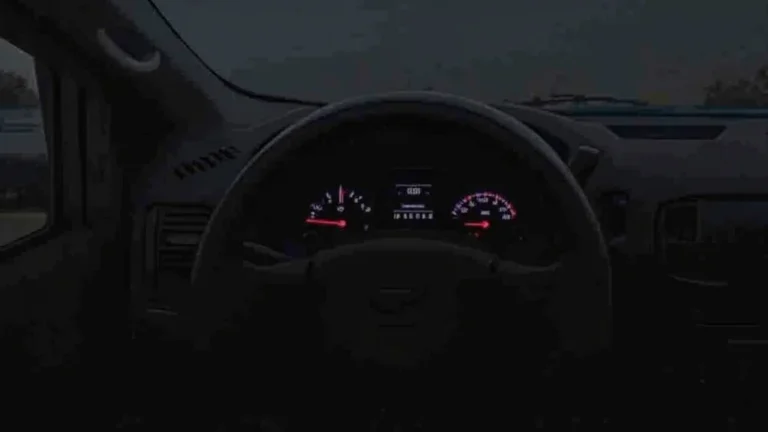
One of the most obvious signs of a faulty thermostat is overheating. If the thermostat is stuck closed, it won’t allow coolant to flow through the engine. This can cause the engine temperature to spike, which is indicated on your dashboard temperature gauge. Overheating can cause major engine damage, including warped cylinder heads and blown head gaskets. Always keep an eye on your temperature gauge, especially during hot weather or when towing heavy loads. If you notice the temperature climbing rapidly, pull over and turn off the engine to prevent more harm.
- High Temperature Gauge Readings: A clear signal of potential overheating.
- Steam from the Engine: Often a sign of severe overheating and coolant boiling.
- Loss of Coolant: Overheating can cause coolant to leak.
- Engine Knocking: A sound that indicates engine damage from overheating.
Engine Running Cold
Sometimes, a thermostat can stick open. This is not as obvious as overheating, but it is still bad. When this happens, the engine may not reach its optimal operating temperature. This can lead to decreased fuel efficiency, as the engine computer may not run efficiently. You may also notice poor heater performance in your truck. Additionally, a cold engine can experience increased wear and tear due to the higher friction between engine components. Monitoring your engine temperature will help you spot these issues early.
- Low Temperature Gauge Readings: The engine does not reach its normal operating temperature.
- Poor Fuel Economy: The engine may use more fuel than usual.
- Weak Heater Performance: The truck’s heater may not blow warm air effectively.
- Increased Emissions: The engine may produce more exhaust emissions.
How to Troubleshoot Your F150 Thermostat
When you suspect a thermostat issue, you need to check and diagnose the problem. This involves some simple steps you can take to figure out what’s going on. This is not always a substitute for a professional mechanic, but it can help you understand the problem. You might be able to find the issue without calling in a specialist. This section will guide you through basic steps you can take to determine if your thermostat needs attention. This includes checking for leaks, inspecting the coolant, and knowing the simple tests.
Checking Coolant Levels and Quality
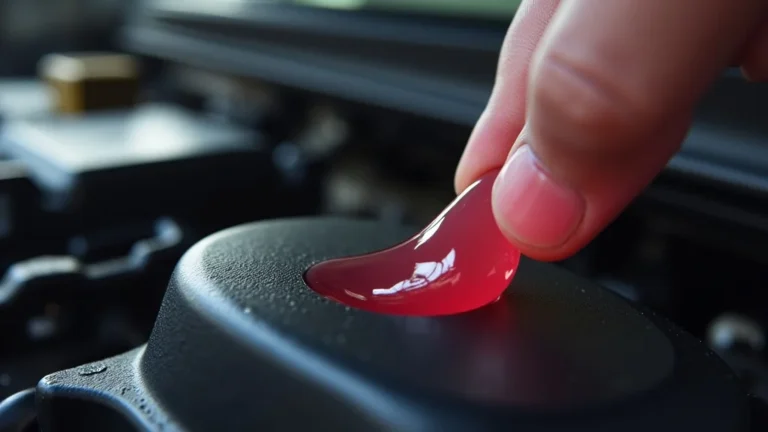
One of the first things you can do is check the coolant. Make sure the coolant level is where it should be. Also, check the coolant’s color and condition. Coolant should be a bright color. If it looks rusty or murky, it’s a sign of a problem in the cooling system. Low coolant levels can contribute to overheating. Regular inspection can reveal potential issues that indicate a faulty thermostat. Consider a coolant flush and replacement as part of your regular maintenance routine for peak engine performance.
- Coolant Level Check: Make sure the coolant is at the correct level.
- Coolant Color: Inspect the coolant for unusual color or debris.
- Leaks: Look for coolant leaks around the thermostat housing.
- Top Off: Top off the coolant to the appropriate level if needed.
Simple Thermostat Tests
You can perform a few simple tests to check if the thermostat is working correctly. One easy test is to feel the upper radiator hose after the engine has warmed up. The upper hose should gradually get warmer, indicating that coolant is flowing. If the hose remains cold, the thermostat might be stuck closed. Another test is to observe the temperature gauge on your dashboard while driving. If the temperature fluctuates widely or doesn’t reach the normal operating range, the thermostat may need to be replaced. These basic tests can help you diagnose if your thermostat functions properly.
- Feel the Upper Radiator Hose: After the engine warms up, the upper hose should become warm.
- Monitor the Temperature Gauge: Watch for unusual temperature fluctuations while driving.
- Professional Inspection: Consider taking your truck to a mechanic for further evaluation.
Replacing Your F150 Thermostat
Replacing a thermostat might sound challenging, but it is manageable. If you have some mechanical experience, you might be able to do it yourself. This will depend on your skill and comfort level. You’ll need the right tools and a little patience. When you do the repair, be sure to have the right replacement thermostat for your F150 model year and engine type. This process generally involves draining some coolant, removing the thermostat housing, replacing the thermostat, and then refilling the coolant. Doing this can save you money.
Preparation for Replacement
Before you begin the
- Gather Necessary Tools: Wrenches, screwdrivers, pliers, and a drain pan.
- Buy a New Thermostat: Make sure it is the correct type for your truck.
- Get a New Gasket: The gasket should match the new thermostat.
- Disconnect the Battery: Disconnect the negative battery cable for safety.
Step-by-Step Replacement Guide
Once you are ready, you can start the
- Drain Coolant: Drain a bit of coolant from the radiator or the drain valve.
- Remove the Housing: Unbolt the thermostat housing.
- Remove the Old Thermostat: Carefully remove the old thermostat.
- Install the New Thermostat: Put the new thermostat and gasket into place.
- Reinstall the Housing: Tighten the bolts on the housing.
- Refill Coolant: Fill the cooling system with coolant.
- Check for Leaks: Watch for leaks after starting the engine.
The Importance of Regular Maintenance
Keeping your F150’s cooling system in good shape is part of vehicle care. This includes regular inspections and maintenance to make sure the engine stays healthy. If you want your truck to run well for a long time, regular maintenance is important. The thermostat is just one part of the cooling system. Staying on top of routine checks and maintenance saves you from larger repair costs. It also keeps your truck running smoothly, ensuring reliable performance every time you drive it.
Regular Coolant Flushes
Coolant flushes remove the old coolant and any buildup that might be in your system. This helps the cooling system work efficiently and prevents corrosion. It also keeps the thermostat and other parts of the cooling system in top shape. The frequency of coolant flushes depends on your truck’s make and model. As a general rule, you should perform this task every few years or based on the manufacturer’s recommendations. Regular coolant flushes help keep your engine running at its best, preventing potential issues.
- Remove Buildup: Clears away rust and debris that can accumulate in the system.
- Prevent Corrosion: Helps protect the cooling system components from damage.
- Ensure Efficiency: Makes sure the cooling system functions properly.
Checking Other Cooling System Components
Besides the thermostat, there are other parts of the cooling system you should check. Pay attention to the radiator, water pump, hoses, and belts. Make sure there are no leaks and that everything is in good working order. Listen for unusual noises that might indicate a problem. Regularly checking these components will help you catch any problems early on. Maintaining the cooling system’s components is key to preventing major engine issues down the road. This helps ensure optimal performance.
Frequently Asked Questions
Question: How often should I replace the thermostat?
Answer: It depends on your truck and how it’s used. Generally, thermostats can last for many years. However, it’s a good idea to inspect it periodically and replace it if you notice any issues, like overheating or temperature fluctuations.
Question: Can I drive with a faulty thermostat?
Answer: It’s not recommended. A faulty thermostat can lead to engine damage. If you suspect an issue, have it checked as soon as possible. Driving with a faulty thermostat can cause your engine to overheat, leading to expensive repairs.
Question: What type of coolant should I use in my F150?
Answer: Always use the coolant type recommended in your F150’s owner’s manual. Using the wrong type of coolant can damage your engine. Using the right coolant helps your engine stay cool and protects it from corrosion.
Question: How can I tell if my water pump is failing?
Answer: Signs of a failing water pump include coolant leaks, unusual noises like whining or grinding, and overheating. If you notice these issues, get your water pump inspected by a mechanic.
Question: Is it difficult to replace the thermostat myself?
Answer: It can be a simple job for those with mechanical experience, but it’s best to have the proper tools and understand the process. If you’re not comfortable, it’s best to have a professional do the work to avoid potential damage.
Final Thoughts
Knowing how F150 thermostat functions is essential for keeping your truck in great shape. The thermostat plays a critical role in managing engine temperature and ensuring efficient operation. By understanding the signs of a failing thermostat and taking the right steps, you can prevent major issues. Regular maintenance, including coolant flushes and inspections, is key. Keep an eye on your truck’s temperature gauge and address any problems right away. Taking care of your cooling system will help your F150 run better and last longer, giving you many years of reliable performance.