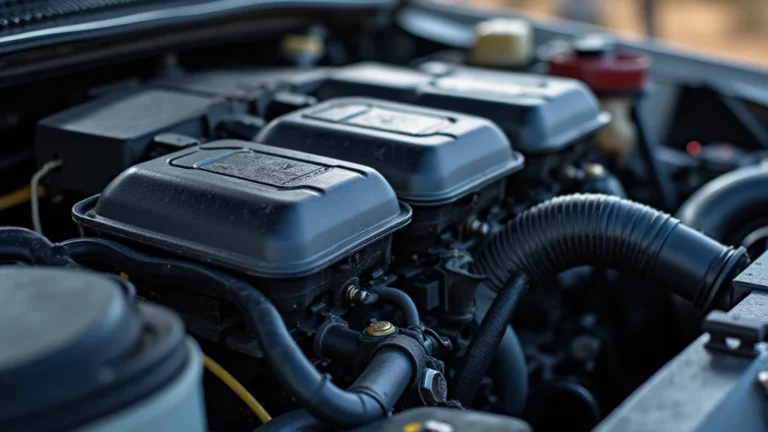
How F150 Twin Independent Cam Timing Functions Simply Explained
Figuring out how f150 twin independent cam timing works can seem tricky at first, especially if you’re new to car mechanics. All those terms and moving parts might seem confusing, but don’t worry! This guide breaks it down in easy-to-understand terms. We’ll simplify the whole process, so you can easily get a grasp on the main concepts. Next, we’ll start exploring the main aspects step by step.
What Is Twin Independent Cam Timing?
Twin Independent Cam Timing (TI-VCT) is a technology used in Ford’s engines, including those found in the F-150. It’s a smart system that controls how the engine’s valves open and close. Think of the valves as doors that let air and fuel into the engine and exhaust gases out. TI-VCT lets the engine change the timing of when these “doors” open and close based on how the truck is being driven. This can improve power, fuel efficiency, and reduce emissions.
TI-VCT gives the engine a boost by optimizing its performance in different situations. Whether you’re towing a trailer or just cruising down the highway, this system adjusts the engine’s behavior for optimal results. By adjusting valve timing, the engine can adapt to different driving conditions, delivering the right balance of power and efficiency. This makes the engine more responsive and smoother to operate. The system improves fuel economy by ensuring the engine runs efficiently under varying loads. The reduced emissions also help to make the truck more environmentally friendly. Now, let’s dig into how it actually functions.
The Role of Camshafts
Camshafts are essential components in the engine that make the valves open and close. They are rotating shafts with lobes on them. These lobes push on the valves, allowing them to open at the right time. In a TI-VCT system, there are two camshafts – one for the intake valves and one for the exhaust valves. This allows for independent control of the valve timing for each set of valves. This independent control is one of the key features of the system. Precise control of the intake and exhaust valve timing results in better engine performance. This setup ensures that the engine performs optimally whether under light load or heavy demand.
- Camshaft Design: Camshafts have specially shaped lobes that press on the valves. These lobes are designed to control the timing and duration of valve opening and closing. The shape of the lobes determines how long the valves stay open and at what point in the engine cycle they open and close.
- Intake Camshaft: The intake camshaft controls the opening and closing of the intake valves, which allow air and fuel into the cylinders. The timing of the intake valves is critical for optimizing the engine’s ability to “breathe” efficiently.
- Exhaust Camshaft: The exhaust camshaft controls the opening and closing of the exhaust valves, which release the burned gases from the cylinders. Proper exhaust valve timing is important for removing the exhaust gases efficiently.
- Variable Timing: With TI-VCT, the camshafts can be rotated independently to change the valve timing. This adjustability allows the engine to adapt to different driving conditions.
How the System Works
TI-VCT relies on several components working together to adjust valve timing. The main players are the camshafts, the Variable Cam Timing (VCT) solenoids, and the Powertrain Control Module (PCM). The PCM acts as the brain of the system, receiving data from various sensors and then sending signals to the VCT solenoids. These solenoids control the flow of oil to the cam phasers. Cam phasers are devices that change the angular position of the camshafts relative to the crankshaft. This change in position adjusts the timing of the valves. The overall process allows the engine to optimize valve timing for different driving conditions. Now let’s explore this more in detail.
- Sensors: Various sensors, such as the crankshaft position sensor and the camshaft position sensors, provide the PCM with information about the engine’s operation. This data is critical for making informed adjustments to valve timing.
- PCM Control: The PCM uses the data from the sensors to calculate the ideal valve timing for any given situation. It then sends signals to the VCT solenoids.
- VCT Solenoids: These solenoids control the flow of oil to the cam phasers. By regulating the oil flow, they dictate the position of the camshafts.
- Cam Phasers: Cam phasers are attached to the camshafts. They use oil pressure to rotate the camshafts, changing the valve timing. This adjustment happens in real-time, adapting to the driving conditions.
Benefits of Twin Independent Cam Timing
The main purpose of TI-VCT is to improve how the engine works. It helps enhance the engine’s performance by precisely controlling the timing of the intake and exhaust valves. This system makes the engine more responsive to your driving, providing better acceleration. It can also help improve fuel economy by ensuring the engine runs efficiently under different conditions. Additionally, TI-VCT reduces emissions, making the truck more environmentally friendly. By optimizing the engine’s breathing, the system contributes to improved overall performance and efficiency.
- Enhanced Performance: TI-VCT allows for better engine responsiveness and acceleration. The precise control over valve timing allows the engine to generate more power when needed. This improves the overall driving experience.
- Improved Fuel Efficiency: By optimizing valve timing, TI-VCT helps the engine run more efficiently. This results in better fuel economy, which can save you money at the pump.
- Reduced Emissions: The precise control of valve timing also contributes to lower emissions. This makes the truck more environmentally friendly and helps meet emissions standards.
- Smoother Operation: TI-VCT helps to smooth out engine operation, reducing vibrations and improving overall driving comfort. This contributes to a better driving experience, making the vehicle more enjoyable to drive.
The Mechanics of Valve Timing
Understanding valve timing is fundamental to grasping how TI-VCT works. Valve timing refers to the precise moment when the intake and exhaust valves open and close during each cycle of the engine. The engine cycle consists of the intake, compression, combustion, and exhaust phases. Correct valve timing ensures that the engine receives the optimal amount of air and fuel and efficiently expels exhaust gases. TI-VCT allows the engine to change this timing in real-time, depending on how the truck is being driven, to give the best performance and efficiency.
By adjusting valve timing, the engine can optimize its performance in different situations. At low speeds, the engine benefits from valve timing that increases low-end torque. At higher speeds, timing adjustments can help to maximize power output. This adjustability allows the engine to perform effectively in a variety of conditions. The ability to fine-tune valve timing results in a more efficient and responsive engine. It also contributes to reduced emissions and improved fuel economy.
Intake and Exhaust Valves
The intake and exhaust valves are critical to the engine’s operation. The intake valves allow the air-fuel mixture into the combustion chamber. The exhaust valves release the burnt gases after combustion. These valves must open and close at precise moments to ensure the engine functions effectively. TI-VCT independently controls the timing of these valves, optimizing engine performance. This precise control allows the engine to adapt its operation to the specific driving conditions, improving overall efficiency and power output.
- Intake Valves: Intake valves open to allow the air-fuel mixture into the cylinders. Their timing is essential for ensuring that the engine receives the correct amount of fuel and air. Optimal intake valve timing leads to better combustion and increased engine power.
- Exhaust Valves: Exhaust valves open to release the exhaust gases after combustion. Proper exhaust valve timing ensures that the burnt gases are efficiently removed, making room for fresh air and fuel. This process leads to improved engine efficiency and reduced emissions.
- Valve Timing Control: TI-VCT controls the timing of both the intake and exhaust valves independently. The ability to fine-tune each set of valves allows for optimized engine performance across various driving conditions.
How Timing Is Adjusted
The adjustment of valve timing in a TI-VCT system is a coordinated effort. The PCM determines the ideal valve timing based on engine conditions. The PCM then sends signals to the VCT solenoids, which control the flow of oil to the cam phasers. The cam phasers then rotate the camshafts, altering the valve timing. This process is continuous, allowing the engine to adapt in real-time. This dynamic adjustment is what gives TI-VCT its advantage. It results in improved performance and efficiency. The ability to adjust valve timing is key for optimizing engine performance and emissions.
- PCM’s Role: The PCM acts as the central control unit. It uses inputs from multiple sensors to determine the optimal valve timing. This calculation ensures that the engine operates efficiently under all conditions.
- VCT Solenoids: These solenoids control the flow of oil, which drives the cam phasers. This process allows the PCM to precisely control valve timing.
- Cam Phasers: Cam phasers rotate the camshafts to adjust valve timing. The rotation is driven by the oil pressure, which is controlled by the VCT solenoids.
- Dynamic Adjustment: The system constantly adjusts valve timing as driving conditions change. This real-time adaptation leads to optimized performance and improved efficiency.
Troubleshooting Common TI-VCT Problems
While TI-VCT is designed to improve engine performance and efficiency, it can occasionally experience problems. These issues often manifest as engine performance problems or warning lights on the dashboard. Common issues include faulty VCT solenoids, problems with the cam phasers, or issues with oil pressure. Diagnosing the problem involves careful examination of the system. This can be achieved through diagnostic tools and visual inspection. Regular maintenance, such as oil changes, can help prevent these problems.
When problems arise, it’s helpful to determine the specific source of the issue. Diagnostic tools can help identify the faulty components, whether they are sensors, solenoids, or other parts of the system. Correct diagnostics is vital for resolving any issues with TI-VCT. Early detection is a good measure to avoid more serious damage. By regularly maintaining and properly troubleshooting the system, you can ensure that it functions correctly.
Common Issues and Symptoms
Several signs can indicate a problem with the TI-VCT system. Engine performance problems, such as a loss of power or rough idling, are common. The Check Engine light will often illuminate on the dashboard. Oil pressure problems can also cause the system to malfunction. Identifying these symptoms is the first step toward diagnosing any TI-VCT problems. Being alert to the signs and addressing issues promptly can help protect your engine’s performance.
- Check Engine Light: One of the most common indicators of a problem is the Check Engine light. This light indicates that the engine’s computer has detected an issue with the system.
- Rough Idling: A rough or uneven idle can be a sign of incorrect valve timing, which can be caused by problems with the TI-VCT system.
- Loss of Power: Reduced engine power can also be a symptom. The system might not be adjusting valve timing correctly.
- Poor Fuel Economy: Inaccurate valve timing can affect fuel economy. If your fuel consumption increases, it could indicate a problem.
- Engine Noise: Unusual engine noises, such as a ticking sound, could be related to problems with the VCT system.
Diagnostic Steps and Tools
When troubleshooting TI-VCT problems, it’s important to use the correct diagnostic tools and follow a systematic process. Begin by using an OBD-II scanner to read the trouble codes. These codes can point to the source of the issue. Inspecting components such as the VCT solenoids and cam phasers is also helpful. Checking the oil pressure is also necessary. With the right approach, you can identify and resolve problems within the TI-VCT system.
- Read the Trouble Codes: Use an OBD-II scanner to check for any diagnostic trouble codes (DTCs). These codes can provide valuable information about the problem.
- Inspect VCT Solenoids: Check the VCT solenoids for debris or blockages. Make sure they are functioning correctly.
- Check Oil Pressure: Ensure that the engine oil pressure is within the specified range. Low oil pressure can impair the TI-VCT system.
- Examine Cam Phasers: Inspect the cam phasers for any mechanical damage or wear. They may need to be replaced.
- Verify Wiring and Connectors: Check the wiring and connectors for any damage or corrosion. Poor connections can cause problems.
Maintaining Your TI-VCT System
Taking care of your TI-VCT system through regular maintenance is critical. The system relies on clean oil, so consistent oil changes are essential. Following the recommended oil change intervals in your owner’s manual helps keep the engine running smoothly. Regular inspections can identify problems early, preventing potential damage. This proactive approach supports the long-term performance and reliability of the TI-VCT system, contributing to the health of your engine.
Preventative maintenance prevents many of the common problems. Ensuring your engine has clean oil ensures the system functions as designed. By taking these actions, you can greatly reduce the chances of encountering issues with your TI-VCT system. This proactive approach helps to keep your engine in optimal condition for extended use. Good maintenance practices save money and increase the life of your truck’s engine.
Oil Changes and Recommendations
Changing the oil regularly is one of the most important aspects of maintaining the TI-VCT system. Using the correct type of oil as specified by the manufacturer is crucial. Clean oil ensures that the VCT solenoids and cam phasers function correctly. Changing the oil and filter at the recommended intervals helps to keep the engine clean and efficient. This preventative measure is very helpful in maintaining the long-term performance and reliability of the system.
- Follow Recommended Intervals: Adhere to the oil change intervals as outlined in your F-150’s owner’s manual. Regular oil changes are vital.
- Use the Correct Oil: Use the type of oil specified by Ford. The right oil ensures optimal performance of the TI-VCT system.
- Replace the Oil Filter: Always replace the oil filter during an oil change. The filter keeps the oil clean.
- Check Oil Level Regularly: Check your oil level frequently and top it off as needed. Make sure it’s always within the recommended range.
Additional Maintenance Tips
Beyond oil changes, several other maintenance practices will improve the performance of your TI-VCT system. Regular inspections of the system’s components, such as VCT solenoids and cam phasers, are advisable. Addressing any problems or symptoms right away is very useful. Paying attention to these additional tips enhances the system’s longevity. This preventative care guarantees that the TI-VCT system continues to function effectively.
- Regular Inspections: Inspect the VCT solenoids, cam phasers, and wiring connections during regular service. Look for any signs of damage or wear.
- Address Problems Promptly: If you notice any performance issues or the Check Engine light comes on, get it checked right away.
- Use Quality Parts: If you need to replace any components, make sure to use high-quality replacement parts.
- Follow Manufacturer Guidelines: Refer to the F-150’s owner’s manual for any additional maintenance recommendations.
Frequently Asked Questions
Question: What is the main purpose of Twin Independent Cam Timing (TI-VCT)?
Answer: TI-VCT’s main role is to improve the engine’s performance, fuel efficiency, and reduce emissions by adjusting the timing of when the engine’s valves open and close.
Question: How does the Powertrain Control Module (PCM) work in the TI-VCT system?
Answer: The PCM receives data from sensors, determines the best valve timing, and sends signals to the VCT solenoids, which control the flow of oil to the cam phasers.
Question: What components are essential for Twin Independent Cam Timing?
Answer: Key components include the camshafts, VCT solenoids, cam phasers, and the PCM, all working together to control valve timing.
Question: What are some common signs of TI-VCT problems?
Answer: Common issues include the Check Engine light, rough idling, loss of power, and poor fuel economy.
Question: How can I maintain the TI-VCT system?
Answer: Maintain the system by changing the oil at the recommended intervals and following manufacturer’s maintenance recommendations.
Final Thoughts
The how f150 twin independent cam timing works system might seem complex, but it’s really about giving your engine better performance and efficiency. By controlling the opening and closing of the valves, the system helps your truck run smoothly and efficiently. Understanding the basics, from the role of camshafts to the importance of regular maintenance, can help you maintain your vehicle. Keep the oil fresh and pay attention to any unusual symptoms. This will help you keep the system in great shape. With proper care, your F-150’s TI-VCT system will keep your engine running efficiently for years to come.