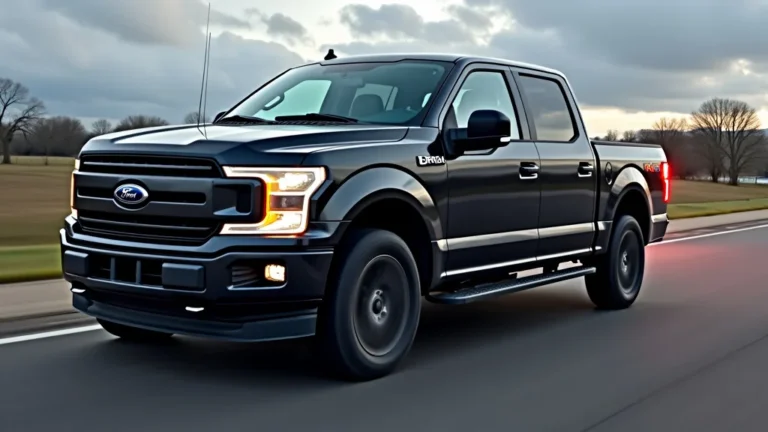
How to Rustproof F150 Trucks for Longevity and Value
Figuring out how to rustproof F150 trucks can seem tricky, especially if you’re new to car care. Rust is a common problem, and it can eat away at your truck’s metal over time. Don’t worry, though; it’s possible to protect your F150 and keep it looking great. This guide will give you a straightforward, step-by-step plan to fight rust and keep your truck in tip-top shape. We’ll start by exploring the best ways to protect your truck. Let’s get started!
Understanding Why Trucks Rust and Its Impact
Rust, in its simplest form, is iron oxide. It’s a chemical reaction that occurs when iron, the primary component of steel, comes into contact with oxygen and moisture. This reaction creates a flaky, reddish-brown substance that weakens the metal. For trucks, especially F150s, this is a significant concern because they’re often exposed to harsh conditions, including road salt, rain, snow, and mud. These elements accelerate the rusting process, leading to costly repairs and reducing the truck’s overall lifespan and resale value. The longer rust is left unchecked, the more damage it can cause.
The Science Behind Rust Formation
Rust formation isn’t just about water and oxygen; it’s an electrochemical process. The presence of electrolytes, such as road salt, accelerates the process, making it even more aggressive. When salt is used on roads to melt snow and ice, it creates an environment where rust can flourish. The salt acts as a catalyst, speeding up the reaction between iron, oxygen, and water. This is why vehicles in areas with harsh winters and frequent snow removal are more susceptible to rust. Furthermore, small scratches or chips in the paint can expose the bare metal, providing a perfect starting point for rust.
- Electrochemical Reaction: The iron in the truck’s metal acts as an anode, losing electrons. Oxygen, in the presence of water, acts as a cathode, gaining electrons. This flow of electrons creates an electrical current that speeds up the rusting.
- Role of Electrolytes: Road salt is a common electrolyte. It conducts electricity, increasing the rate of oxidation and allowing rust to spread more quickly. The salt also lowers the freezing point of water, keeping moisture in contact with the metal longer.
- Importance of Paint: Paint serves as a protective barrier. It prevents oxygen and water from reaching the metal. Any scratches, chips, or damage to the paint create weak spots where rust can begin to form. Regular inspections and touch-ups are essential.
The severity of rust can vary. Surface rust, which appears as a thin layer, might be easily removed. However, if left unchecked, it can develop into scale rust, which is thicker and more damaging. Eventually, rust can eat through the metal, causing holes and structural damage. This can lead to increased repair costs, reduced safety, and a decrease in the truck’s overall value. Preventative measures are far less expensive than extensive repairs.
Common Rust Vulnerable Areas on F150s
Knowing where your F150 is most likely to rust is key to effective rustproofing. Certain areas are more exposed to the elements or prone to collecting moisture and road debris. These areas require special attention and regular inspections. Addressing these potential problem areas will help protect your investment and preserve your truck’s value. From the undercarriage to the body panels, these zones deserve thorough protection.
- Undercarriage: This is the area most exposed to road salt, mud, and water. Components like the frame, suspension parts, and exhaust system are particularly vulnerable. Regular cleaning and rustproofing treatments are essential here.
- Wheel Wells: These areas trap dirt, water, and road salt. The tight spaces and constant exposure create an ideal environment for rust. Protective coatings, such as undercoating, are highly effective in these zones.
- Rockers and Lower Door Panels: These areas are directly exposed to road spray and debris kicked up by the tires. They are often the first to show signs of rust. Regular washing and protection can help prevent damage.
- Cab Corners and Bed: These areas often have seams and crevices where water can collect. The bed of the truck, especially if used for hauling cargo, can experience scratches that expose the metal to rust. Protective coatings and regular inspections are important.
Identifying these high-risk areas allows you to focus your rustproofing efforts for maximum effect. Regular inspections of your truck’s undercarriage, wheel wells, and body panels will help you catch any signs of rust early. Addressing minor issues promptly will save you time and money in the long run. By paying close attention to these common rust spots, you can make sure your F150 remains in top condition for years.
Preparing Your F150 for Rustproofing
Before you start rustproofing, properly preparing your F150 is important for the job. This involves cleaning the truck thoroughly, inspecting for existing rust, and gathering all the necessary tools and supplies. A well-prepared surface ensures the rustproofing treatments will be applied effectively. This will also give you a better idea of your truck’s condition and any areas that need extra attention. Take the time to do it right, and you’ll be setting the stage for long-lasting protection.
Cleaning and Inspection: The Foundation of Rust Prevention
Cleaning is the first step toward effective rust prevention. You need to remove all dirt, debris, and existing rust to ensure the rustproofing treatments can do their job properly. A thorough cleaning reveals any existing rust spots and provides a clean surface for applying protective coatings. This not only makes the rustproofing work better but also provides you with a chance to inspect the vehicle.
- Wash Thoroughly: Start by washing the entire truck with soap and water, paying special attention to areas prone to rust, like the undercarriage, wheel wells, and rocker panels. Use a pressure washer to remove loose dirt and debris, which will make your work much easier.
- Remove Loose Rust: If you find any existing rust, use a wire brush or sandpaper to remove it. You can also use a rust converter, which converts rust into a protective layer. Make sure you get rid of as much rust as possible, but don’t worry about getting everything – the next steps will handle the remaining areas.
- Dry Completely: Make sure the truck is completely dry before applying any rustproofing treatments. Moisture can interfere with the products’ effectiveness. You can let it air dry or use compressed air to speed up the process.
Performing these steps carefully will prepare your F150 for the next stages of rustproofing. Don’t rush; take your time to make sure every area is addressed. This initial preparation makes a big difference in the long-term effectiveness of your rust prevention efforts.
Tools and Materials You Will Need
Gathering the right tools and materials is critical for a smooth rustproofing process. Having everything at hand will save you time and ensure you can complete the job correctly. Different types of rustproofing products have different application methods. From safety equipment to the coating products, having the correct supplies will increase your efficiency.
- Safety Gear: Goggles, gloves, and a respirator are essential to protect yourself from the rustproofing products. Some products can be harmful if inhaled or come into contact with your skin.
- Cleaning Supplies: Soap, water, a pressure washer (optional), wire brushes, sandpaper, and rust converter will help you prepare the surface.
- Rustproofing Products: There are various types of rustproofing products, including undercoating sprays, rust inhibitors, and cavity waxes. Choose products that suit your needs and the areas you’re protecting.
- Application Tools: This will depend on the products you choose. Common tools include spray guns, brushes, and applicators. Make sure you have the tools needed for the product you selected.
Investing in quality tools and materials will make the rustproofing process easier and more effective. Before starting, carefully read the instructions on each product. This will make certain you’re applying them correctly and safely. Preparation is key; with the correct supplies, you can protect your F150 from rust and increase its lifespan.
Rustproofing Methods for Your F150
There are several effective rustproofing methods to protect your F150. Each method has its own benefits and drawbacks, so choosing the right approach depends on your needs and preferences. Understanding the pros and cons of each method will help you make an informed decision and provide maximum protection against rust. Regular rustproofing treatments can make a significant difference in preserving your truck’s condition.
Undercoating: A Protective Barrier
Undercoating is a common method for protecting a vehicle’s undercarriage from rust. It creates a barrier between the metal and the elements. Undercoatings are available in different types, each with its own advantages. The main goal is to prevent moisture, road salt, and other corrosive substances from coming into contact with the metal. This approach is simple yet highly effective in preventing rust.
-
Types of Undercoating:
- Rubberized Undercoating: This type is flexible and provides good sound dampening. It’s excellent for areas prone to impacts and abrasion.
- Asphalt-Based Undercoating: This is a more affordable option that offers good protection against rust. However, it can become brittle over time.
- Wax-Based Undercoating: Wax-based coatings are self-healing. They can penetrate small crevices, providing excellent protection in hard-to-reach areas.
- Application Process: Undercoating is typically applied using a spray gun. The surface needs to be clean and dry. Apply even coats, following the product’s instructions.
- Maintenance: Regular inspections are important to ensure the undercoating is still effective. Touch-ups may be needed as the coating wears down.
Properly applied undercoating can provide years of protection against rust. By understanding the different types and application methods, you can choose the best option for your F150. This proactive measure will protect the undercarriage and help maintain the truck’s value. You can find undercoating products at most automotive stores, and many shops offer professional application services.
Rust Inhibitors and Cavity Wax: Reaching Hidden Areas
Rust inhibitors and cavity waxes are specifically designed to penetrate hard-to-reach areas. These products work to displace moisture and create a protective barrier inside panels, cavities, and other hidden spaces. These areas are prone to rust because they often trap moisture and road salt. Using these products is critical for comprehensive rustproofing, as they target areas that are difficult to access with traditional undercoating methods. They are usually applied using a spray gun with a wand.
- Cavity Wax: Cavity wax is a petroleum-based product designed to seep into seams and crevices. It creates a water-resistant barrier that protects against moisture. It is frequently applied to the inside of doors, rocker panels, and frame rails.
- Rust Inhibitors: Rust inhibitors work by penetrating existing rust and preventing it from spreading. They can be used on surfaces that are difficult to clean. Many products also contain ingredients that displace moisture, further protecting the metal.
- Application Techniques: Use a spray gun with a wand to reach inside the panels and cavities. Make sure you cover all areas thoroughly. Follow the product instructions for application rates and drying times.
These products provide additional protection that complements the undercoating. The combination of rust inhibitors and cavity wax creates a thorough defense against rust. Properly applying these products can keep your truck’s structure from being compromised by corrosion. They are available at automotive stores and are frequently used by professional rustproofing services. They are an essential part of a comprehensive rust prevention plan.
Regular Washing and Detailing
Regular washing and detailing is a simple yet very important aspect of rust prevention. Dirt, salt, and other debris can build up on your truck, trapping moisture and accelerating rust. Consistent cleaning removes these contaminants and helps keep your truck looking its best. The best way to maintain its appearance and prevent rust is to develop a routine. Detailing can remove contaminants and protects the paint’s integrity.
- Frequency of Washing: Wash your truck at least once a month, more frequently in areas with harsh winters or heavy road salt use.
- Washing Techniques: Use a car wash soap and a soft wash mitt or sponge. Avoid harsh chemicals that can damage the paint. Thoroughly rinse all soap, particularly in areas prone to rust.
- Detailing: Periodically detail your truck, including waxing the paint. Waxing provides an extra layer of protection against the elements. Detailing also involves cleaning the interior and protecting the truck’s overall finish.
By making washing and detailing a regular part of your truck care routine, you can reduce the risk of rust. This easy step is a good investment in your truck’s condition and value. A well-maintained truck is also more enjoyable to drive. Regular care is an important measure for protecting your investment.
Advanced Techniques and Professional Services
While the steps above will help you protect your F150 from rust, sometimes a more detailed approach is needed. These advanced techniques and professional services can offer enhanced protection, especially for trucks that face severe conditions. These options can provide an added layer of defense. They are intended for more experienced DIYers and those who want the best possible protection for their vehicle. They may involve more specific tools and expertise, and some might require professional help.
Professional Rustproofing Services
Professional rustproofing services offer a comprehensive solution, often using specialized equipment and techniques. They have the expertise to identify and treat potential rust areas, using high-quality products. They also often provide warranties. While it may cost more upfront, the level of protection and the time saved can be worth it, especially if you want a complete and long-lasting solution. Professional service also can address areas that are difficult to reach or beyond the scope of a basic DIY project.
- Inspection and Assessment: Professionals begin by thoroughly inspecting the truck, identifying potential rust areas and assessing the vehicle’s overall condition.
- Preparation: They will perform any needed cleaning, rust removal, and surface preparation. They have specialized equipment for this purpose, ensuring the best results.
- Application: They apply rustproofing products, like undercoating, cavity wax, and rust inhibitors, using specialized tools and techniques to ensure thorough coverage.
Using a professional service can provide peace of mind knowing your truck is getting top-tier treatment. You will also get a warranty, which gives you more security. If your budget allows for it, professional rustproofing is an excellent way to maintain your F150’s value and extend its lifespan. Check online to locate shops near you and compare the services offered.
Using a Crevice Tool for Targeted Rustproofing
A crevice tool is a specialized attachment used with spray guns to apply rustproofing products into tight spaces. This tool allows for precise application and helps ensure thorough coverage in hard-to-reach areas. If you’re rustproofing your truck yourself, a crevice tool is a very effective addition to your toolkit. It allows you to address the areas that are most at risk of rust, thus maximizing protection. It ensures that the rustproofing materials go where they are most needed.
- Purpose: Crevice tools extend the reach of the spray gun, allowing you to get the rustproofing material into areas like seams, crevices, and inside panels.
- Types: Various types are available. Some are flexible to go around corners, while others have nozzles that spray in multiple directions.
- Application: Attach the crevice tool to your spray gun and carefully insert the nozzle into the desired area. Spray evenly, following the product instructions.
The use of a crevice tool is a simple but impactful way to improve your rustproofing efforts. By accessing these hidden areas, you provide the best protection against corrosion. A crevice tool is not expensive, so it’s a great investment in the care of your F150. These tools are available at many automotive supply stores and are easy to use, even for those who are new to rustproofing.
Monitoring and Maintaining Your Rustproofing Efforts
Rustproofing is not a one-time project; it is an ongoing process that needs monitoring and maintenance to ensure continued effectiveness. Regularly checking your truck for rust and maintaining the rustproofing treatments will provide the best long-term protection. By staying attentive to these details, you can catch issues early and prevent them from becoming severe problems. This will maintain your truck’s condition and help preserve its value.
Regular Inspections: Staying Ahead of Rust
Regular inspections are important to detect rust early and take action promptly. By regularly checking your truck, you can identify areas where rust may have begun to form or where the rustproofing is wearing down. These inspections give you a chance to address any issues before they become serious. They also help you evaluate the effectiveness of your rustproofing efforts. You don’t need a lot of technical expertise to do this, just some time and attention.
- Frequency: Inspect your truck at least twice a year, ideally before and after winter.
- What to Look For: Check the undercarriage, wheel wells, rocker panels, and door edges. Look for any signs of rust, such as bubbling paint, rust spots, or flakes.
- Documentation: Take photos of any areas with signs of rust. This allows you to track the progress of the corrosion and the effectiveness of your treatments.
By regularly inspecting your truck, you can catch rust before it spreads and causes extensive damage. Early detection allows you to take corrective action, saving you time and money. Routine inspections are a simple but effective part of your vehicle’s care.
Maintenance and Touch-Ups
Rustproofing treatments are effective, but they will wear down over time. Performing routine maintenance and touch-ups ensures that your truck stays protected. This can involve reapplying rustproofing products or addressing any minor rust spots that appear. The actions are important for the long-term effectiveness of the rust prevention plan. This maintenance helps your truck remain in top condition for years.
- Reapplication: Rustproofing products should be reapplied every few years. The exact time frame depends on the product. Follow the manufacturer’s recommendations.
- Touch-Ups: Address any small rust spots that you find during your inspections. Use a wire brush or sandpaper to remove the rust. Apply a rust converter, and then touch up the area with paint.
- Cleaning: Keep your truck clean. Regularly washing the truck removes dirt and debris that can contribute to rust formation.
Maintenance and touch-ups are essential to the long-term success of your rustproofing efforts. By taking these steps, you can keep your F150 in great condition for many years. Make maintenance and touch-ups part of your routine. These small actions provide a big payoff in terms of your truck’s longevity and resale value.
Frequently Asked Questions
Question: How often should I rustproof my F150?
Answer: It depends on the products you use and the conditions where you drive. Generally, you should reapply undercoating every 3-5 years, and inspect your truck twice a year to look for any signs of rust.
Question: What’s the best time of year to rustproof my truck?
Answer: The ideal time to rustproof your truck is in the spring or fall, when the weather is mild and the roads are dry. Avoid doing it in the winter to prevent the rustproofing from freezing.
Question: Can I rustproof my truck myself, or do I need to take it to a professional?
Answer: You can rustproof your truck yourself, but it requires some time, effort, and tools. Professionals have specialized equipment and experience. It’s up to you.
Question: What kind of rustproofing products should I use?
Answer: There are many different options, including undercoating, rust inhibitors, and cavity wax. Choose products that are suitable for your needs and the conditions where you live. Consider getting professional advice.
Question: How can I tell if my rustproofing is working?
Answer: Regularly inspect your truck. Look for any signs of rust, like bubbling paint or rust spots. Also, make a habit of checking the undercarriage and other vulnerable areas to ensure your rustproofing is keeping your truck protected.
Final Thoughts
Now that you know how to rustproof F150 trucks, you’re well-equipped to protect your vehicle from a common problem. We’ve explored the causes of rust, the areas most at risk, and the best ways to combat it. From cleaning and preparation to the different methods available, you have a clear plan to prevent and treat rust. You’ve also seen how important regular maintenance is to keep your truck in top condition. By implementing these tips and strategies, you can extend the life of your F150 and keep it looking its best. With the right approach and dedication, you can ensure that your truck remains a reliable and valuable asset for years to come. Remember, consistency is important. So, get started today and give your F150 the protection it deserves!