Is F150 Aluminum Body Reliable? A Thorough Guide
Thinking about an F-150? You’re likely wondering, is f150 aluminum body reliable? It’s a common question, especially for those new to trucks. People often worry about how well an aluminum body holds up compared to traditional steel. Don’t sweat it! This guide will break it down in a simple way, step by step, so you can make a smart choice. We’ll explore everything you need to know, starting with what makes the F-150’s aluminum body so special.
Aluminum Body Trucks A New Era
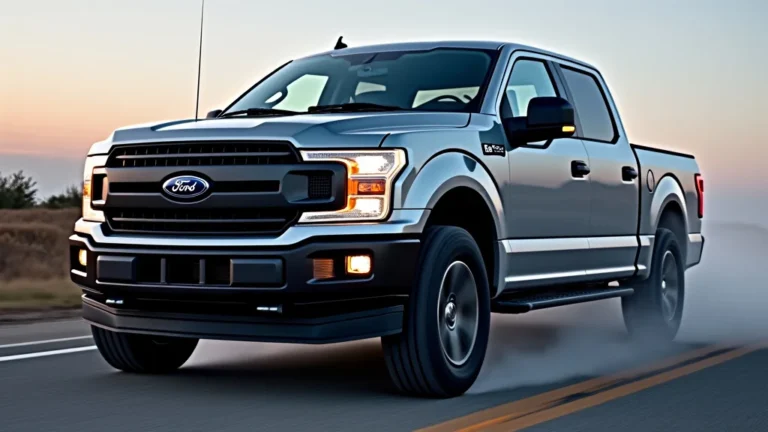
The Ford F-150 shook things up when it switched from a steel to an aluminum body. This change was a significant move, and it sparked a lot of conversation and debate. Aluminum, known for being lightweight yet strong, brought some interesting benefits to the table. This shift was more than just a material change; it was a redesign, impacting various aspects of the truck’s performance and longevity. From fuel efficiency to how it handles the bumps and scrapes of daily use, the aluminum body offered some important differences that are important for truck owners.
The Advantages of Aluminum
Aluminum offers several advantages over traditional steel. The main reason Ford went with aluminum was to cut down on weight. A lighter truck means improved fuel economy, saving money at the pump. Furthermore, a lighter body can translate into improved acceleration and handling. But there’s more to it than just less weight. Aluminum also has impressive resistance to corrosion. It doesn’t rust the same way steel does, which can extend the lifespan of the truck and reduce the need for repairs. This makes it an appealing choice for truck owners who live in areas with harsh weather, where road salt is used, or where trucks are exposed to saltwater environments.
- Weight Reduction: Aluminum is significantly lighter than steel. This reduction in weight directly contributes to better fuel efficiency. A lighter truck requires less energy to move, leading to improved miles per gallon. This is a big deal for those who drive long distances or use their trucks daily for work.
- Corrosion Resistance: Unlike steel, aluminum doesn’t rust. This is a big win for those living in areas with snow, where road salt is used. It also extends the truck’s lifespan and reduces the need for expensive rust repairs. Aluminum’s natural resistance to oxidation means it can withstand the elements better than steel.
- Enhanced Performance: The lighter weight of an aluminum body positively impacts the truck’s performance. It can lead to quicker acceleration and improved handling. The engine doesn’t have to work as hard to move the truck, providing a smoother ride and better overall driving experience.
For example, Ford announced that the 2015 F-150 was up to 700 pounds lighter than the previous generation. This weight saving was mostly due to the use of an aluminum body. Lighter trucks also experience less wear and tear on components like brakes and tires, further contributing to cost savings.
Consider a situation where a steel-bodied truck is exposed to road salt during winter. The salt accelerates the corrosion process, leading to rust. An aluminum-bodied truck, however, can handle these conditions much better. It stays looking better for longer and retains its value because the body isn’t decaying from the inside out.
Think about accelerating from a stoplight. A lighter truck will be faster because the engine doesn’t have to overcome as much inertia. This is a benefit both in everyday driving and when towing or hauling heavy loads.
Addressing Concerns About Aluminum
While aluminum has a lot going for it, it also faced some concerns when it first came out. People wondered about the repair costs, the truck’s ability to handle dents, and the overall durability compared to steel. The good news is that these concerns have largely been addressed through design improvements, repair techniques, and real-world experience. Let’s look at how the industry has adapted to address these common worries. It’s important to understand these aspects if you’re seriously considering an aluminum-bodied F-150.
- Repair Costs: One of the initial worries was about repair costs. Fixing aluminum used to be more expensive than fixing steel because specialized tools and techniques were needed. Now, however, the repair industry has caught up. Body shops are equipped with the right tools, and repair processes are more common, making the costs more similar to steel repairs.
- Dents and Dings: Some people wondered if aluminum dents more easily than steel. While aluminum can dent, it’s also designed to absorb impacts. The design of the body panels is engineered to distribute forces. In many cases, the dent might be less noticeable than a similar dent on a steel body.
- Durability: There were also questions about the long-term durability of aluminum. Extensive testing and real-world use have shown that aluminum bodies hold up quite well. The resistance to corrosion is a significant factor in extending the truck’s lifespan.
The insurance industry has also adapted. Insurance companies understand that aluminum repairs can sometimes be a bit more expensive, so the difference is now often covered by insurance.
The ability of aluminum to absorb energy helps to protect the occupants in a crash. Even if there’s a dent, it may not be as bad as it looks. The repair might also be less complicated than a steel body.
Today, there are a lot of used F-150s with aluminum bodies on the road. Many have covered hundreds of thousands of miles with minimal issues. The fact that the aluminum is lightweight helps reduce stress on other components of the truck.
Is F150 Aluminum Body Reliable Under Different Conditions?
A major question is, of course, how well the aluminum body performs in various situations. From everyday driving to extreme weather, the truck’s performance is important. This is one of the most important things to consider. Does the aluminum body stand up to the test of time, and is it a good choice for someone with specific needs? Let’s explore how the F-150 with an aluminum body holds up under different conditions and what factors play a role in its dependability.
Driving in Various Climates
The performance of an aluminum body F-150 can vary depending on the climate. In regions with harsh winters, where road salt is used, the aluminum body’s resistance to corrosion is a big advantage. It protects the truck from rust, which would damage a steel body. But, aluminum reacts differently to temperature changes. It doesn’t react the same way to heat or cold. Let’s explore some of these aspects and consider how they can impact the truck’s performance.
- Cold Weather: In cold climates, the aluminum body maintains its structural integrity. Unlike steel, it doesn’t become more brittle in the cold. It keeps its shape and keeps performing reliably. The truck’s components function effectively, and the aluminum’s thermal properties ensure efficient heat management.
- Hot Weather: In hot climates, aluminum sheds heat very effectively. It dissipates heat from the engine. It also doesn’t warp or buckle like steel might under extreme heat. Aluminum helps in keeping the inside of the truck cooler.
- Corrosion Resistance: This is a major advantage for the aluminum body. It stands up to the corrosive elements much better than steel. This is especially important for trucks in areas with high humidity or coastal regions.
The corrosion resistance is a huge advantage. Road salt can quickly corrode steel. But aluminum resists it. This makes the truck last longer and requires less maintenance.
Extreme heat can cause issues for other parts of the truck, but the aluminum body keeps its form. It doesn’t contribute to problems.
The aluminum body can deal with corrosion from salt, helping to keep the truck reliable over many years of use. This helps to maintain its value.
Long-Term Durability and Reliability
What about the long haul? How does the aluminum body hold up over several years and many miles? Many truck owners want to know if their investment will last and how well the truck will fare as time goes on. The aluminum body of the F-150 is designed to deliver on these expectations. It’s built for durability and to endure the test of time. Let’s delve into what contributes to the truck’s lasting performance and dependability over many years.
- Corrosion Resistance: As previously mentioned, the ability to resist rust is a major factor in the long-term reliability. The aluminum body keeps its structural integrity. It prevents the need for rust-related repairs. This keeps the truck in better condition for longer.
- Structural Integrity: The aluminum body is designed to be strong and rigid. It’s built to withstand the stresses of everyday use, from rough roads to heavy loads. The aluminum alloy used is designed to handle this stress.
- Maintenance: Aluminum bodies require different maintenance than steel bodies. They do not need rust prevention treatments. This can reduce the cost and effort required to keep the truck in good condition.
You can see the benefits when you compare an aluminum-bodied F-150 to a steel-bodied truck. The steel body may show signs of rust after just a few years. However, the aluminum will look good for a long time.
The body is resistant to dents and damage. It is also designed to absorb energy in a crash. It keeps the truck safe and functional for many years.
Proper care, like regular washing and preventing damage, is key. Following the maintenance schedule will help you to keep the truck running and looking its best.
Repairing an Aluminum Body F150
Repairing an aluminum body is different from repairing a steel one. However, the repair process has become more accessible over time. The repair costs and complexities are less of a worry than they were a few years ago. Understanding how repairs are done, and what to expect can help owners make good decisions about maintaining their trucks. Let’s explore the key points of repairing the aluminum body F-150.
The Repair Process
Repairing an aluminum body requires specialized tools and techniques. This ensures the integrity of the vehicle. Aluminum reacts differently when heated and worked on compared to steel. Repairs must be handled with skill. Knowing how the process works will give owners confidence that their truck can be properly fixed after an accident. Let’s look at the main steps involved in aluminum body repair.
- Assessment: The first step is a detailed inspection of the damage. The body shop will evaluate the severity and the extent of the damage. They also check for hidden damage. This is a very important step because it sets the plan for the repairs.
- Preparation: The area around the damaged part is prepped. This could include removing paint, cleaning the area, and protecting surrounding parts from being damaged. It is important to prevent contamination.
- Repair Techniques: The aluminum body is repaired using specialized methods. This involves things like welding with special equipment and using specific fillers for aluminum. The techniques will make sure that the aluminum body is restored to its original shape and strength.
- Finishing: After the repairs are complete, the surface is prepped for painting. Then, the paint is applied to the repaired areas. This step matches the color. Also, a clear coat is applied for protection and a finished look.
This will help the body shop to determine the best method for repair. They’ll also provide an estimate of the costs.
This step also helps the repair process. By preparing the area, the body shop can then access the damage.
Proper techniques and tools ensure that the repaired areas retain their integrity. It also restores the truck’s safety and appearance.
This process makes sure that the repaired area looks good and is well-protected. It will also help to keep the truck looking its best.
Finding the Right Body Shop
Choosing the right body shop is one of the most important steps in the aluminum repair process. Not all body shops are the same. It is important to select a shop with experience, training, and equipment to work on aluminum bodies. Here’s what to look for when choosing a body shop for aluminum repair.
- Certification: Look for a body shop that has certifications for aluminum repair. Ford and other manufacturers offer training programs that certify shops. This certification indicates that the shop has the tools, the knowledge, and the skills needed to perform the repairs.
- Equipment: The shop should have the right tools. Specialized welding equipment, frame machines, and measuring tools are necessary. If they do not have the right equipment, the quality of the repair may suffer.
- Experience: Ask the body shop about its experience in repairing aluminum-bodied vehicles. Find out how many aluminum repairs they’ve done and if they have experience with F-150s. Experience is key to doing a good job.
These certifications demonstrate that the shop follows industry best practices.
Checking the equipment before you pick the shop is essential for the best results.
The shop’s history helps show the quality of their work. A shop that has experience is more likely to give you a satisfactory repair.
Real-Life Examples and Case Studies
Let’s check out some real-world examples and case studies. See how the F-150’s aluminum body performs in various situations. Practical evidence provides the most useful view of the reliability and durability of the aluminum body. This helps you understand what to expect. These stories give you a better idea of how the aluminum body holds up under normal use and different conditions.
-
Case Study 1: Long-Haul Truckers
A group of long-haul truckers was asked to use Ford F-150s with aluminum bodies for their routes. These routes covered thousands of miles in different conditions. After two years, the trucks showed that the aluminum body resisted corrosion. This was particularly noticeable in areas where road salt was used. The truckers also reported improved fuel economy. This made a big difference in the operating costs. The results highlighted the value of aluminum’s durability. The reduced weight of the truck also decreased wear and tear.
-
Case Study 2: Extreme Weather Test
A test was performed where F-150s were driven in areas with severe weather conditions. This test put the aluminum bodies to the test. The trucks were driven in temperatures ranging from scorching heat to freezing cold. In the heat, the aluminum performed well. In cold temperatures, the aluminum remained strong and didn’t become brittle. The aluminum’s ability to resist corrosion was a huge advantage in areas where they used salt. The result showed that the aluminum body could endure very extreme conditions. The aluminum also helped in keeping the trucks running well.
-
Case Study 3: The City Driver
In a city environment, an F-150 aluminum body was tested with normal, daily use. This truck was used for errands, commuting, and occasional light hauling. Over a period of three years, the aluminum body showed good durability. The truck was parked on city streets. It faced a lot of little scratches and dents. The body mostly held up well. The aluminum’s resistance to rust meant that the truck kept a good appearance. The case study confirmed that the aluminum body performed well in normal daily use.
Frequently Asked Questions
Question: Is an aluminum body F-150 more expensive to repair than a steel one?
Answer: In the past, aluminum body repairs were often more expensive. But now, with more specialized tools and repair techniques being used, the costs are more similar to steel repairs, especially if you go to a shop specializing in aluminum work.
Question: Does the aluminum body rust?
Answer: No, the aluminum body does not rust like steel. It has a high resistance to corrosion, which helps extend the truck’s lifespan and keeps it looking better for longer.
Question: Is aluminum less durable than steel when it comes to dents?
Answer: Aluminum can dent, but it’s designed to absorb impact. While a dent might occur, the repair process is more specific. The design and materials help to protect the vehicle.
Question: What’s the main benefit of an aluminum body?
Answer: The primary benefit is weight reduction. A lighter truck improves fuel efficiency, handling, and overall performance. It also helps with better acceleration.
Question: How can I find a good shop to repair my aluminum body F-150?
Answer: Look for certified shops with the right equipment and experience in aluminum body repair. Check for certifications, ask about experience with aluminum repairs, and inspect the shop’s tools.
Final Thoughts
So, is f150 aluminum body reliable? The answer is a solid yes. The aluminum body is a smart move for your truck. It offers some strong advantages over steel, especially in terms of corrosion resistance and fuel efficiency. It has been built to be tough, withstanding many types of conditions and regular driving. The repair process has advanced. It is now much more accessible, making it less of a worry than before. When you choose an F-150 with an aluminum body, you’re picking a truck with a longer lifespan and better value. Remember to select the correct body shop and do routine maintenance. Your F-150 with an aluminum body is ready for the road ahead. You can rely on your truck for many years to come.