What Causes F150 Intermittent Vibration Problems?
If you’re experiencing a Ford F150 with a vibration that comes and goes, you’re not alone! Many F150 owners face this issue. Figuring out what causes f150 intermittent vibration can seem tricky, especially if you’re new to car repairs. But don’t worry, we’ll break down the common culprits in simple steps. We’ll explore the main causes and provide practical solutions so you can get your truck running smoothly again. Keep reading; it’s easier than you think.
Key Takeaways
- You will learn the common causes of intermittent vibration in an F150.
- Understand how to identify the source of the vibration.
- Discover the typical parts that can cause the vibration issue.
- Learn about the simple steps to solve the intermittent vibration issue.
- Find out the most reliable solutions that can fix the problem.
- You’ll gain confidence in diagnosing and resolving the problem.
Identifying the Vibration Source
The first step in fixing an intermittent vibration in your F150 is figuring out where it’s coming from. Sometimes the vibration is minor, and sometimes it’s quite noticeable. You might feel it in the steering wheel, the seats, or even through the floor. Pinpointing where it occurs will help narrow down the possible causes. Let’s explore how to identify the source of the intermittent vibration to diagnose the problem correctly. Knowing the source simplifies everything.
When and Where Does the Vibration Occur?
Start by observing when and where the vibration happens. Does it happen at a certain speed, like only when you’re going 40-50 mph? Does it occur during acceleration, braking, or idling? Does the vibration change when you turn the steering wheel? Take notes on these factors; it’ll help you narrow down the issue. This data collection is essential to determine what causes f150 intermittent vibration.
- Speed: Does the vibration become noticeable at specific speeds? For example, does it start around 60 mph and disappear at higher or lower speeds?
- Conditions: Does the vibration occur under specific conditions like acceleration, braking, or turning?
- Location: Where do you feel the vibration? Is it in the steering wheel, the seats, or the floor?
If the vibration is speed-dependent, it often points to issues with the tires, wheels, or drivetrain components. This could mean your tires need balancing, or there is an issue with the driveshaft.
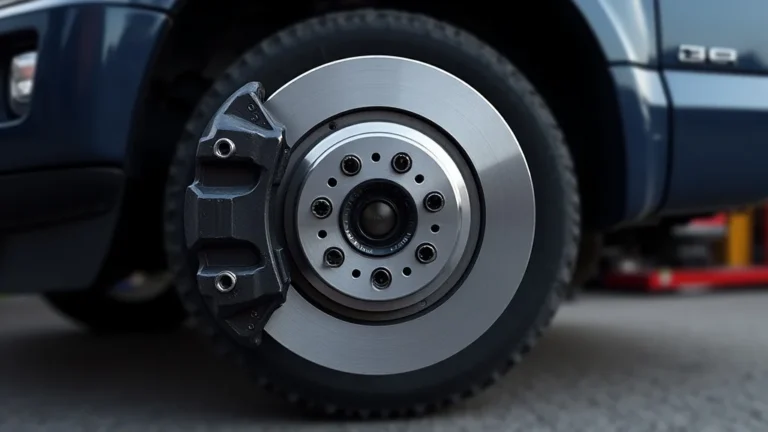
Vibrations felt during acceleration might be related to engine mounts or the driveshaft. Vibrations during braking could be caused by warped brake rotors. Turning vibrations may relate to a faulty wheel bearing.
The location of the vibration can also give clues. Steering wheel vibrations suggest front-end issues, while seat or floor vibrations may involve the rear or drivetrain.
Check for Visual Clues
While driving, be aware of any visual clues that might accompany the vibration. Do you see any unusual movements or shaking in the engine, tires, or wheels? When you get home, visually inspect your truck for any obvious issues. These checks can help you narrow down the causes.
- Tires: Check for uneven wear, bulges, or damage.
- Wheels: Inspect the wheels for any dents or bends.
- Engine: Look for any excessive shaking or movement when the engine is running.
Uneven wear on tires is a common cause of vibration. This can result from bad alignment, unbalanced tires, or driving habits. Bulges or damage on the tire can also produce a vibration. Make sure the tires are inflated to the recommended pressure.
Bent wheels can cause vibrations, especially at higher speeds. Inspect the wheels thoroughly for damage, including any visible bends or dents. Even a small imperfection can disrupt the balance and cause vibrations.
Excessive engine movement can be a sign of a bad engine mount. Engine mounts help keep the engine stable. If they are worn or damaged, the engine can move too much, causing vibrations.
Common Causes of Intermittent Vibration
Once you understand when and where the vibration occurs, you can start looking at the likely culprits. Many parts can cause vibration in an F150. We’ll go through some of the most common issues that result in an intermittent vibration, providing information about why they can cause problems and how to check them. This is the main part of finding what causes f150 intermittent vibration.
Tires and Wheels
The tires and wheels are a very common source of vibration problems. Issues such as an unbalanced tire or a damaged wheel can cause significant vibration, especially at certain speeds. Even a small imbalance can produce noticeable shaking. Understanding how the tires and wheels can cause these issues can help in the diagnostic process.
- Unbalanced Tires: Tires need to be balanced to prevent vibration.
- Tire Damage: Check for bulges, uneven wear, or cuts.
- Bent Wheels: A bent wheel can cause the vehicle to vibrate.
Tires are balanced using weights to ensure that the weight is evenly distributed around the wheel. If these weights are lost, or if the tires are not properly balanced after being installed, it can lead to vibration. The vibration tends to be most noticeable at highway speeds. A tire shop can rebalance the tires.
Tire damage like bulges, uneven wear, or cuts can cause vibration. Uneven wear often results from misalignment or incorrect tire pressure, which leads to vibration. Bulges may mean the tire has internal damage.
A bent wheel will not spin correctly, causing vibration, especially at higher speeds. Inspect your wheels for any bends, dents, or other damage. A professional wheel repair shop or replacement is needed.
Drivetrain Problems
The drivetrain includes all the parts that transmit power from the engine to the wheels. This includes the driveshaft, axles, and the differential. Drivetrain issues are another primary cause of intermittent vibration. If these parts are worn, damaged, or misaligned, they can create noticeable vibrations. These issues can be complex, and a professional diagnosis may be necessary.
- Driveshaft Issues: Worn u-joints or driveshaft imbalance.
- Axle Problems: Bent axles or worn axle bearings.
- Differential Issues: Problems with gears or bearings inside the differential.
The driveshaft transfers power from the transmission to the rear wheels. Worn u-joints can create a vibration, often accompanied by a clunking sound. Imbalances in the driveshaft will lead to vibration, particularly at higher speeds. Regular inspection and lubrication of the u-joints is essential.
A bent axle can cause vibration, especially as the wheels rotate. Worn axle bearings also cause vibration, accompanied by a humming sound. A professional mechanic should inspect and repair any axle issues.
The differential distributes power to the wheels, allowing them to rotate at different speeds when cornering. Problems inside the differential, like worn gears or bearings, can cause vibration. Regular fluid changes can help. A complete inspection by a mechanic is often needed for differential problems.
Engine and Mounts
Engine-related issues can also contribute to intermittent vibration. Problems such as worn engine mounts and misfires can cause vibrations felt throughout the vehicle. These problems can be tricky to diagnose, but identifying them early can prevent further damage. Regularly checking the engine and its components can help prevent these issues.
- Engine Misfires: An engine that isn’t firing properly causes vibration.
- Worn Engine Mounts: Engine mounts help keep the engine stable.
- Vacuum Leaks: Vacuum leaks can disrupt engine operation.
If one or more cylinders in the engine aren’t firing correctly, this can lead to vibration, especially at idle or low speeds. This can be caused by spark plugs, ignition coils, or fuel injectors. Diagnosing a misfire requires checking these components.
Worn engine mounts can allow the engine to move excessively, which can cause vibration, especially during acceleration or idling. Inspect the engine mounts for cracks or damage. Replacing worn mounts will reduce vibration.
Vacuum leaks can impact engine performance, which may result in vibrations. Search for hissing sounds, which indicate a vacuum leak. Inspect vacuum hoses and connections for damage.
Diagnosing and Fixing the Vibration
Once you’ve identified the potential causes, it’s time to diagnose and fix the vibration. This section outlines some steps you can take to determine the exact cause of the problem and decide on the best course of action. Following these steps can help determine what causes f150 intermittent vibration and how to fix it.
Step-by-Step Diagnostics
This process breaks down the diagnostic steps to help you find the source of the vibration. Each step involves specific checks and inspections that will help you pinpoint the issue. By working through these steps methodically, you can improve your ability to solve the issue.
- Initial Inspection: Review when and where the vibration occurs.
- Tire and Wheel Check: Inspect tires for damage and wheels for bends.
- Driveshaft Inspection: Check the driveshaft and U-joints.
- Engine Mounts: Inspect the engine mounts for signs of wear.
Start by revisiting your notes about when and where the vibration is most noticeable. Does it happen at a specific speed, under braking, or during acceleration? These details will help you narrow down the possible causes.
Examine your tires for bulges, uneven wear, or cuts. Check wheels for bends or dents. A tire imbalance or damage to the tire or wheel is a common source of vibration, particularly at specific speeds.
Inspect the driveshaft for any damage or imbalance. Check the U-joints for wear or play. Look for clunking sounds or vibrations that change with speed. If the driveshaft is the issue, you will be able to see the problem during inspection.
Examine the engine mounts for cracks or damage. Worn engine mounts can cause excessive engine movement, which can lead to vibration. Replacing the engine mounts will often eliminate vibration caused by this.
Tools Needed for the Job
Depending on the source of the vibration, you’ll need various tools to diagnose and repair the issue. Having the right tools makes the process easier and helps prevent frustration. This will help make the repair process go smoothly.
- Jack and Jack Stands: For lifting the vehicle safely.
- Wheel Chocks: To secure the wheels.
- Torque Wrench: For tightening bolts to the correct specifications.
- Basic Hand Tools: Wrenches, sockets, screwdrivers, etc.
You’ll need a jack and jack stands to lift your F150 safely. This allows you to work under the vehicle and inspect the components. Make sure to place the jack stands in the appropriate locations to prevent injury.
Use wheel chocks to prevent the vehicle from rolling while you are working on it. Place the chocks behind the wheels before lifting the truck. This is for additional safety.
A torque wrench ensures that bolts are tightened to the correct specifications, which prevents over-tightening or loosening. Using the right torque ensures that components are properly secured and functioning.
A basic set of hand tools is essential for most repairs. These tools are crucial for various tasks, from removing wheels to checking engine components. Having a comprehensive set will ensure you can handle most maintenance tasks.
Professional Help
Sometimes, the issue is more complex. You might need professional help from a mechanic. A mechanic has the expertise, equipment, and resources to perform the more advanced repairs. If you’re not comfortable working on cars, or if you can’t identify the cause of the vibration, seeking professional help is a smart decision.
- When to Seek Professional Help: Complex repairs require specialized tools and expertise.
- Finding a Trusted Mechanic: Get recommendations and read reviews.
- Communicating with the Mechanic: Be clear about the problem you are experiencing.
If you’ve tried the basic steps and cannot resolve the issue, or if the vibration is severe, consider seeking professional help. A mechanic has the tools and skills necessary to diagnose and repair complex issues.
When searching for a mechanic, get recommendations from friends, family, or online reviews. Look for a shop with experience in F150 repairs and one that you trust to provide honest service.
Explain the symptoms clearly, including when and where the vibration occurs. Provide any information you have gathered. This helps the mechanic diagnose the issue and get it fixed right away.
Cost and Preventative Measures
Understanding the costs associated with the repairs and knowing how to prevent future issues is essential. This information will help you plan and maintain your truck. Addressing the issues before they become major problems can save time and money. Here are some solutions to the question of what causes f150 intermittent vibration, along with preventative steps to prevent them.
Repair Costs
The cost to fix the vibration varies depending on the cause. Replacing worn tires might be relatively inexpensive, whereas repairing a driveshaft can be more costly. Being aware of the likely costs for various repairs allows you to budget and make informed decisions.
- Tires and Wheels: Balancing and tire replacement costs.
- Drivetrain Repairs: Driveshaft and axle repair prices.
- Engine-Related Repairs: Engine mount or misfire repair costs.
Balancing tires typically costs $15-$30 per tire. Tire replacement costs can vary based on the type of tire you choose. Prices can range from $100 to $300 or more per tire, depending on the brand and model.
Replacing a U-joint may cost $100-$300. Repairing or replacing a driveshaft might be $300-$800. Axle repairs can range from $200 to over $1,000, depending on the extent of the damage.
Replacing engine mounts can cost $100-$500. Addressing misfires by replacing spark plugs and coils can cost $100-$400. Repairs can become more complex and expensive.
Preventive Maintenance
Performing routine maintenance will prevent most vibration issues. Regularly inspecting and maintaining your F150 will help keep your truck running smoothly. Regularly checking and taking care of these components will go a long way in preventing future vibration problems.
- Regular Tire Rotation and Balancing: Rotate tires every 5,000-7,500 miles.
- Drivetrain Inspections: Inspect U-joints and driveshaft regularly.
- Engine Checks: Inspect the engine mounts and check for misfires.
Rotate your tires every 5,000 to 7,500 miles to promote even wear. Get your tires balanced when you rotate them or if you notice any vibration. This helps ensure that the tires wear evenly and maintain a smooth ride.
Inspect the U-joints and driveshaft for wear or damage at regular intervals, such as with every oil change. Lubricate the U-joints as recommended in your owner’s manual. Addressing drivetrain issues early can prevent more expensive repairs.
Inspect your engine mounts for cracks or damage during routine maintenance. Be aware of any signs of engine misfires, such as rough idling. Regular engine checks can identify potential issues.
Frequently Asked Questions
Question: What’s the most common cause of intermittent vibration in an F150?
Answer: Unbalanced tires or tire damage are very common reasons for intermittent vibration.
Question: How often should I rotate my F150’s tires?
Answer: You should rotate your tires every 5,000 to 7,500 miles to ensure even wear.
Question: What do I do if I feel a vibration when I brake?
Answer: If you feel the vibration during braking, it could be the brake rotors.
Question: Can bad engine mounts cause vibration?
Answer: Yes, worn engine mounts can cause vibrations, especially during acceleration.
Question: When should I seek help from a mechanic?
Answer: If you can’t figure out the cause or the vibration is very bad, get help from a mechanic.
Final Thoughts
Dealing with an intermittent vibration in your F150 can be frustrating, but now you understand the common causes and how to start diagnosing the problem. From tires and wheels to the drivetrain and engine, various components can create that annoying shaking. By learning the signs and following the diagnostic steps, you can pinpoint the source. With a bit of observation and the right tools, you will gain the knowledge to solve the issue. Go ahead and take the first steps to restore your truck’s smooth ride; you’ve got this!