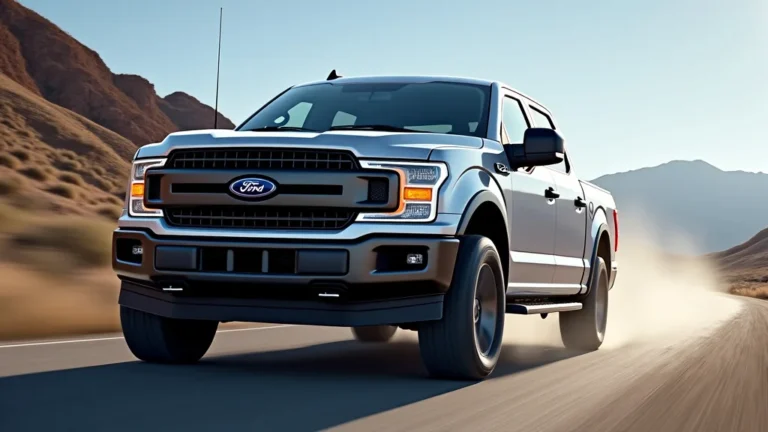
What Is F150 Cross Traffic Alert? A Simple Guide
Many people find themselves asking, what is F150 cross traffic alert? It’s a common question, especially for new Ford F-150 owners. This is because modern car features can seem tricky at first. Don’t worry, though. This guide makes everything easy to follow. We’ll explore the alert system step-by-step, making sure you feel confident. Get ready to explore the cross traffic alert system like a pro.
Key Takeaways
- Cross traffic alert warns you about vehicles approaching from the side.
- The system uses sensors to detect moving objects.
- Alerts usually involve sounds and visual warnings on your dashboard.
- It’s especially helpful when backing out of parking spots.
- F-150 cross traffic alert enhances driving safety in various situations.
- Understanding the system is key to its proper use.
Understanding Ford F-150 Safety Technology
The Ford F-150 is packed with features to keep drivers safe on the road. These features go beyond basic seatbelts and airbags. Advanced technologies like cross traffic alert, blind spot monitoring, and lane-keeping systems actively assist drivers. This all helps to reduce the risk of accidents. Let’s explore these safety systems in more detail, starting with how they work together to create a safer driving experience. We’ll also examine the role of cross traffic alert in this mix.
How Cross Traffic Alert Works
At its heart, cross traffic alert is a smart safety feature. It works by using radar sensors located in the rear of the F-150, usually within the rear bumper. These sensors constantly scan the area behind and to the sides of the vehicle. When the system detects a moving object, like another car, it provides a warning to the driver. This warning is particularly useful when backing out of parking spots or driveways where visibility is limited. The system is specifically designed to help the driver avoid collisions with approaching vehicles.
-
Radar Sensors: These sensors are the primary eyes of the system, constantly scanning the surroundings.
Radar sensors are the core of cross traffic alert. They emit radio waves that bounce off objects, allowing the system to determine their distance and speed. The system’s ability to detect moving objects, such as other vehicles, is crucial for its function. Advanced radar systems can even differentiate between cars, pedestrians, and other potential hazards.
-
Detection Range: The alert system has a specific range of detection, ensuring it covers a wide area.
The range of detection is essential for the system’s effectiveness. It’s designed to cover the areas most prone to blind spots. The range allows the system to provide ample warning time. The detection range varies based on conditions and vehicle speed. The system is designed to provide alerts with enough time for the driver to react.
-
Alert Signals: The system uses a combination of visual and auditory alerts.
When a potential hazard is detected, the F-150 cross traffic alert system provides clear alerts. These alerts are designed to get the driver’s attention quickly. They typically include a visual warning, often a flashing light in the side mirrors or a display on the instrument panel. There is also an audible chime. This combination of alerts ensures the driver is aware of the situation.
-
System Limitations: Recognizing the system’s limits is important for safe driving.
Like all technology, the cross traffic alert has its limitations. The system’s effectiveness can be reduced in certain conditions. These conditions include heavy rain, snow, and ice, which can interfere with the radar signals. It’s also important to note that the system may not detect all objects. Drivers should always maintain awareness of their surroundings.
The Importance of Cross Traffic Alert in the F-150
Cross traffic alert is an especially beneficial feature in the F-150. Given its size, the truck can have larger blind spots. Maneuvering in tight spaces, such as parking lots, can be tricky. This system adds an extra layer of protection, particularly when backing out of parking spots. It also helps prevent accidents. The added safety benefit comes from the system’s ability to quickly identify and alert the driver to approaching vehicles.
-
Enhanced Safety: The system is designed to prevent collisions.
The main purpose of cross traffic alert is to improve safety. It helps drivers avoid accidents that might otherwise occur due to limited visibility. The alert system provides timely warnings, giving the driver time to react. The warnings could be avoiding an accident or preventing minor damage to your truck.
-
Parking Lot Assistance: It is helpful in busy parking areas.
Parking lots are often a source of accidents due to the constant movement of vehicles. The F-150’s system excels in this environment. It provides a significant advantage by alerting drivers to the presence of other vehicles. This greatly reduces the risk of collisions when backing out of a parking space.
-
Improved Awareness: It increases driver awareness of surroundings.
Even for experienced drivers, parking lots present challenges. The alert system improves situational awareness. It also helps drivers stay alert and focused on the task of maneuvering their vehicle. The alerts help drivers make safe decisions.
-
Reduced Stress: The system can reduce stress while parking.
Parking the F-150 in crowded locations can be stressful. The system provides peace of mind. The alerts reduce stress. They allow the driver to focus on the maneuver without the added worry of not seeing approaching vehicles. This is especially helpful during rush hour.
Understanding Cross Traffic Alert Situations
The cross traffic alert system in the F-150 is designed to work in various scenarios. It is most effective when backing out of parking spaces. However, it can also prove helpful in other situations where visibility is limited. Consider the real-world applications and how the system adapts to different environments. This allows drivers to be more aware of the alert system. The knowledge helps drivers drive safely in different situations.
Common Scenarios for Cross Traffic Alert
-
Backing Out of Parking Spaces: The system is most effective when reversing from a parking spot.
In this common situation, the cross traffic alert is critical. The system is designed to scan for approaching vehicles, pedestrians, or cyclists. This alert helps prevent accidents when visibility is obstructed. It provides drivers with a warning. This is very important because the driver’s view is often limited by other vehicles.
-
Exiting Driveways: The alert system assists when exiting driveways onto roadways.
When exiting driveways, the alert system helps drivers by detecting vehicles moving on the street. It gives the driver a heads-up. This is especially helpful in situations with limited visibility. The system increases safety and helps prevent collisions.
-
Intersections: It can be useful when moving through intersections.
Although it isn’t designed for use at intersections, the cross traffic alert can be helpful. This is true when approaching or crossing an intersection. The alert system helps alert you when vehicles are approaching from the side. This is beneficial in situations where the driver’s view is obstructed.
Real-Life Examples and Case Studies
To further illustrate the benefits of the cross traffic alert, let’s explore some real-life scenarios and results.
-
Parking Lot Incident Avoidance: A driver was backing out of a busy parking space. The cross traffic alert sounded, warning of an oncoming vehicle. The driver was able to stop in time, avoiding a potential collision.
This is a typical use case, where the system prevented a collision. The driver was able to react promptly. The alert provided a crucial warning.
-
Driveway Exit Scenario: A driver was exiting a driveway onto a street with limited visibility. The cross traffic alert detected an approaching car, providing a warning. The driver waited for the vehicle to pass before safely entering the road.
This scenario shows how the system can provide added safety. The driver could take extra care. The alert system helped the driver to prevent a potential accident.
Maximizing Your F-150 Cross Traffic Alert
To benefit fully from the cross traffic alert system, drivers need to know how to use it correctly. Proper use ensures that the alert system operates effectively. Drivers need to take steps to optimize its performance. They must also learn about the system’s limitations. This awareness can help drivers use the system safely and effectively.
Activating and Setting Up Your System
The system is easy to use. Knowing how to activate and manage the settings is essential. Most F-150 models will allow drivers to adjust the system’s settings. These adjustments often include turning the alert on or off and changing the alert volume. The menu system is often located in the vehicle’s infotainment system. You will typically find these settings in the driver’s assistance or safety menus.
-
Locating the Settings: Find the cross traffic alert settings in your vehicle’s menus.
Typically, these settings are accessed through the touchscreen display. This is a common feature on the F-150. Look for options like “Settings,” “Vehicle,” or “Driver Assistance.” There, you’ll find the cross traffic alert options. If the truck has physical buttons, these controls will be on the steering wheel.
-
Customizing Alerts: Adjust the volume and types of alerts to your preference.
Many systems let you set the volume of the audio alerts. You can also customize visual alerts in the side mirrors or instrument panel. Personalize the settings to match your preferences. This will help you get the most out of your alert system.
-
Regular Checks: Occasionally check settings to make sure everything is working right.
Periodically check that the settings are unchanged. This is a simple step to ensure the system is working effectively. The settings may get changed accidentally. This can affect the operation of the system. Keeping the settings as you like them guarantees the system keeps working for you.
Understanding System Limitations
The cross traffic alert system is useful but has certain limitations. Knowing these limits is just as important as knowing how it works. This knowledge helps the driver drive safely. Recognizing these limitations can help drivers use the system in a way that is effective. It will also help the driver avoid problems.
-
Weather Conditions: Heavy rain or snow can affect the system.
Weather conditions can affect the radar sensors. In bad weather, the system’s ability to detect objects can be limited. Drivers should reduce their speed. They should be extra careful when weather conditions are bad. The radar can be affected by weather. This can lead to the system working less efficiently.
-
Object Size: The system may struggle with smaller objects.
The cross traffic alert is primarily designed to detect vehicles. It may not always recognize smaller objects, like bicycles or pedestrians. Drivers should always pay attention to their surroundings. Always look for any potential hazards. The system can alert you to some things but not all things.
-
Speed Considerations: The system’s effectiveness can vary with speed.
The system is most effective at lower speeds. This is why it is best in parking lots and driveways. Be aware that at higher speeds, the system’s ability to provide timely alerts may be decreased. The driver should adjust their driving. They should use the cross traffic alert in settings where it’s most useful.
Maintenance and Troubleshooting
Maintaining the cross traffic alert system ensures it will always work right. Proper care ensures the radar sensors function without problems. It also helps to prevent issues. Simple troubleshooting steps can help resolve any problems that may occur. This approach keeps the system functioning well.
Keeping the System in Good Condition
Simple upkeep will keep the system working properly. Regular care can help you avoid potential issues. The system will last longer and perform better if you maintain it. This routine helps to keep the radar sensors functioning properly.
-
Sensor Cleaning: Keeping sensors clean is essential for proper operation.
The sensors, typically located in the rear bumper, should be kept clean. Dirt, snow, or ice can block the radar signals. This could affect the system’s function. Regularly cleaning the sensors ensures accurate detections. Make it a habit to clean the sensors.
-
Regular Inspections: Check for any physical damage to the sensors.
Check the sensors for any damage, like cracks or dents. This is best done during routine inspections. Any physical damage can affect the system’s performance. Promptly repair or replace damaged parts. This will keep the system functioning.
-
Software Updates: Make sure software is up to date.
Software updates are sometimes necessary for the system. This will resolve any bugs. Software updates can also improve the performance of the system. Always make sure to update your vehicle’s software. This keeps the system up to date. These updates will usually come from the dealership.
Troubleshooting Common Issues
Sometimes, problems may occur with the cross traffic alert system. Several issues can affect its operation. Understanding how to handle some simple troubleshooting steps can solve these problems. These steps can also help you identify when you need a professional repair.
-
Alerts Not Working: If you don’t hear the alerts, check the settings.
If the alert sounds aren’t working, check the volume settings in the vehicle’s menu. Check the settings to make sure the alert is on. Also, make sure that the system is properly enabled. Sometimes these settings get changed, so it’s a good place to start.
-
False Alerts: External factors can cause these warnings.
Occasionally, you might get false alerts. This is most often caused by environmental factors. Things such as nearby metal structures can lead to false alerts. If you experience these false alerts, there may be nothing wrong with the system itself. They are more likely to occur in bad weather.
-
System Malfunctions: If any issues arise, consult your dealer.
If the system isn’t working right, seek professional support. A Ford dealer can assess the problem. They can provide necessary repairs. These repairs might be necessary to fix the system. Trying to fix the system yourself can lead to further problems.
Frequently Asked Questions
Question: How far does the cross traffic alert system work?
Answer: The detection range for the cross traffic alert system in the F-150 is typically around 65-100 feet. The range can be slightly different based on the specific model and driving conditions.
Question: Can I turn off the cross traffic alert?
Answer: Yes, you can turn off the cross traffic alert in most F-150 models. You can do this through the vehicle’s infotainment system. However, it’s generally recommended to keep it on for added safety.
Question: What does the cross traffic alert look like?
Answer: The alerts usually involve a visual warning, like a light in the side mirrors or a dashboard display. An audible chime is also included to draw your attention.
Question: Is cross traffic alert always accurate?
Answer: The system is very helpful, but it’s not perfect. Its effectiveness can decrease in bad weather or with certain obstructions. Drivers should still stay alert.
Question: What do I do if my cross traffic alert is not working?
Answer: First, check the system settings to make sure it’s enabled. If the problem continues, check for any physical damage to the sensors. Take your truck to a Ford dealership for a proper inspection.
Final Thoughts
The F-150 cross traffic alert is a helpful safety feature. It uses radar sensors to look for cars when you’re backing up. It helps you prevent accidents by warning you about cars coming from the side. You can easily set it up and turn it on or off in your truck’s menu. Remember that weather and your surroundings can affect how well the system works. Keep the sensors clean. The system is easy to maintain. If you have any problems, check the settings or get help from a pro. By understanding what is F150 cross traffic alert and how it works, you can use it confidently. Drive safely and keep enjoying your F-150!