What Is F150 Misfire Under Load Understanding and Solutions
If you’re wondering what is f150 misfire under load, you’re not alone. It’s a common issue that can be tricky for anyone just starting with car repair. This can be frustrating because you might not know where to begin fixing it. Don’t worry, though. This post will help you. We will explore the reasons behind this issue and provide easy-to-follow steps to troubleshoot it. Get ready to explore the common causes and how to get your F150 running smoothly again.
Key Takeaways
- Learn to identify the signs of an F150 misfire under load.
- Discover the common causes of misfires, such as faulty spark plugs or coils.
- Get step-by-step instructions for diagnosing the problem.
- Find out how to test different components to pinpoint the issue.
- Explore simple fixes you can do at home.
- Understand when to seek help from a professional mechanic.
Pinpointing F150 Engine Problems
Before diving into what is f150 misfire under load, it’s essential to understand the basics of what causes the issue in the first place. A misfire happens when one or more of your engine’s cylinders don’t fire correctly. This can happen for many reasons. Problems can range from a simple issue like a worn-out spark plug to a more complex one like a damaged fuel injector. Misfires often become more noticeable when the engine works harder, such as when accelerating or going uphill, which is often called “under load.” Recognizing these symptoms will allow you to explore what is f150 misfire under load more thoroughly.
Recognizing the Signs of a Misfire
The first step in dealing with a misfire is recognizing it. There are several clear signs that indicate your F150 might have a misfire problem. These indicators can vary in severity. Paying attention to these clues can help you identify the issue quickly.
- Rough Idling: If your engine shakes or runs unevenly when the truck is stopped, this could be a sign of a misfire. The engine should run smoothly, and any shaking is a red flag.
- Loss of Power: You might notice that your F150 doesn’t accelerate as quickly as it used to, or it struggles when going uphill. The engine might lack the necessary power it needs to operate correctly.
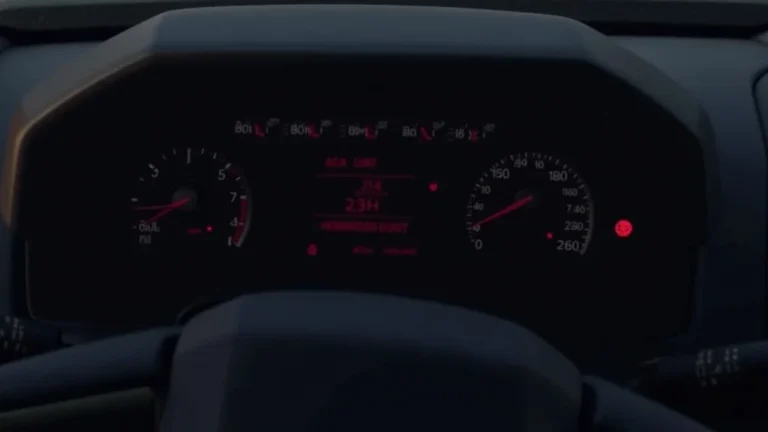
- Check Engine Light: This is a crucial warning signal. The check engine light will illuminate on your dashboard to indicate an issue. You can use an OBD-II scanner to read the codes and pinpoint the problem.
- Vibrations: You might feel shaking or vibrations, especially when accelerating. This is often more noticeable when the engine is under load, like when going uphill or towing something.
Rough idling happens because one or more cylinders aren’t firing consistently. The engine isn’t getting the steady power it needs. It will feel like the truck is about to stall or is stuttering. When experiencing rough idling, you should check your truck immediately.
When a cylinder isn’t firing correctly, the engine’s overall performance suffers. The engine needs all of its cylinders to work at their best for proper power output. If one or more cylinders are not contributing, you’ll experience a loss of power.
If the check engine light comes on, it always means something is wrong. The engine computer is designed to catch any problem, like a misfire. The codes will help you find the source of the problem. This can greatly speed up the diagnosis process.
These vibrations are caused by the uneven firing of the cylinders. When cylinders misfire, it disrupts the smooth operation of the engine. This disruption causes shaking that you can feel in the cabin.
Common Causes of a Misfire
Several factors can cause your F150 to misfire. Identifying these common causes can greatly speed up the diagnosis process. Each of these components plays a role in the engine’s operation. When one component fails, it can cause a misfire.
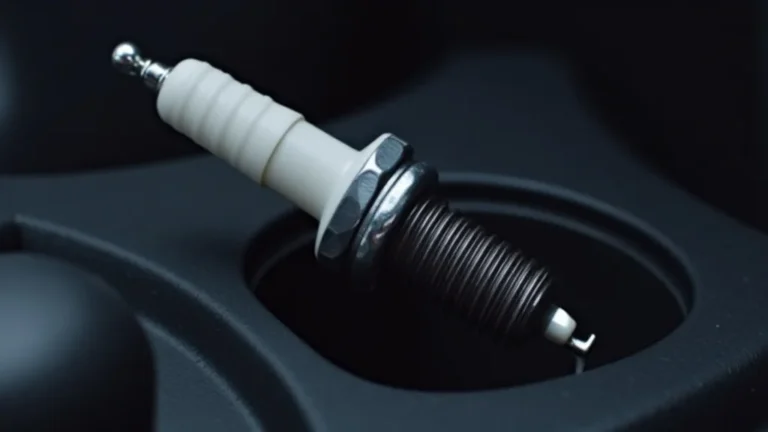
- Faulty Spark Plugs: Worn-out or damaged spark plugs can’t create the spark needed to ignite the fuel-air mixture in the cylinders. This is one of the most common causes of misfires.
- Defective Ignition Coils: Ignition coils provide the high voltage needed for the spark plugs. If a coil is bad, it won’t deliver enough electricity. This will lead to a misfire in the affected cylinder.
- Problems with Fuel Injectors: Clogged or malfunctioning fuel injectors can cause insufficient fuel to reach the cylinders. This can cause the fuel-air mixture to be too lean. Fuel injectors are responsible for spraying fuel into the cylinders.
- Vacuum Leaks: Leaks in the vacuum lines can introduce extra air into the engine. This can cause the fuel-air mixture to be too lean. These leaks can throw off the engine’s air-fuel ratio.
- Low Compression: If one of your engine’s cylinders doesn’t have good compression, the fuel-air mixture won’t ignite properly. Low compression can result from damaged piston rings, valves, or cylinder heads.
Spark plugs are essential for proper engine function. They ignite the fuel-air mixture inside the cylinders. Over time, spark plugs wear out. They become less efficient at creating the spark needed for combustion. Regular replacement of spark plugs is essential.
Ignition coils are vital for ensuring the spark plugs function correctly. They convert the low voltage from the truck’s battery into the high voltage needed for a spark. Problems with the coil can disrupt the firing of the spark plug, leading to a misfire. Replacing the coil can fix the problem.
If the injector is clogged or damaged, the engine can’t get the right amount of fuel. The engine needs the correct fuel-air mixture to run correctly. This imbalance can lead to misfires. Cleaning or replacing the fuel injectors will help to prevent the issue.
Vacuum leaks can happen from various sources, such as cracked hoses or loose connections. When these leaks happen, the engine’s computer struggles to maintain the correct mixture. Finding and fixing these leaks is critical for preventing misfires.
Compression is the force that squeezes the air and fuel mixture. The compression must be strong enough for the mixture to ignite and push the piston down. If the compression is too low, the cylinder won’t fire effectively.
Diagnosing the Misfire Issue
Diagnosing a misfire requires a systematic approach. Here’s a step-by-step guide to help you find the problem. It involves checking components and using diagnostic tools.
- Use an OBD-II Scanner: Plug the scanner into the diagnostic port to read the trouble codes. These codes will identify which cylinder(s) are misfiring.
- Inspect Spark Plugs and Wires: Remove the spark plugs and check for wear, damage, or fouling. Check the spark plug wires for any cracks or damage. Replace any faulty components.
- Test the Ignition Coils: Use a multimeter to check the resistance of the ignition coils. Compare the readings to the manufacturer’s specifications. Replace any coils that are out of spec.
- Check Fuel Injectors: You can test fuel injectors by listening to their “clicking” sound using a stethoscope. You can also perform a fuel pressure test to ensure that the fuel injectors are getting enough fuel.
- Perform a Compression Test: Use a compression tester to check the compression in each cylinder. Compare the readings. Low compression indicates a mechanical problem, such as worn piston rings or damaged valves.
An OBD-II scanner is a valuable tool for diagnosing the issue. The scanner will show you any trouble codes stored in the engine’s computer. The trouble codes will provide valuable clues about the problem.
Spark plugs are easily accessible and a common cause of misfires. Inspecting these will help you know the plugs are in good shape. Replacing old plugs can often fix the issue. Make sure to replace your spark plug wires as well.
Ignition coils are essential for firing the spark plugs. Testing these will help you determine if the coils are providing the right amount of voltage. Replace any coils that aren’t performing correctly. This can fix the misfire.
Fuel injectors must spray the correct amount of fuel into the cylinders. Inspecting the fuel injectors will allow you to determine if they are working. You can fix the issue by replacing a bad injector.
Compression is essential for efficient engine operation. A compression test will tell you if each cylinder is sealing properly. Low compression will likely point to mechanical issues. The issues may require professional repair.
F150 Misfire Under Load Solutions
After you have found what is f150 misfire under load by diagnosing the problem, you’ll need to figure out the right way to fix it. This depends on what the cause is. Here is a guide on how to fix common causes.
Replacing Faulty Components
Often, replacing worn or damaged components is the best way to fix a misfire. Simple solutions include replacing the spark plugs. More complex repairs may involve fuel injectors or ignition coils.
- Spark Plugs: Replace the spark plugs. This is a common and often effective solution. Make sure to use the correct type of spark plugs recommended for your F150.
- Ignition Coils: Replace the ignition coil on the cylinder that’s misfiring. You can often buy them individually or in a set. Make sure to install the new coil correctly.
- Fuel Injectors: Replace the fuel injector in the affected cylinder. You might need to clean the fuel injectors if they are clogged. Make sure to consult your truck’s service manual for the proper procedure.
- Vacuum Lines: Inspect all vacuum lines for leaks and damage. Replace any cracked or worn hoses to fix vacuum leaks. Check all the connections and replace any that are loose or broken.
Spark plugs wear out over time, and regular replacement is critical for preventing misfires. Make sure to replace the spark plugs at the recommended intervals. This maintenance can prevent misfires from happening in the first place.
Ignition coils can fail and cause misfires. Once you identify which cylinder is having an issue, you can replace the coil. Proper installation is essential for ensuring the coil functions correctly and prevents issues.
Fuel injectors can also cause misfires if they become clogged. Replacing or cleaning the fuel injector will help restore proper fuel delivery. Correct installation and ensuring fuel injectors are clean will prevent misfires.
Vacuum leaks can cause misfires by disrupting the air-fuel mixture. Inspecting and replacing damaged vacuum lines can help resolve these issues. Check all connections to make sure the engine is operating correctly.
Testing and Repairing the Engine
Sometimes, the root cause is more serious and requires a more in-depth approach. This might mean checking your engine. It could also involve an issue with compression.
- Compression Test Results: If your compression test results show low compression in one or more cylinders, the cause might be damaged valves or worn piston rings. You will need to take your truck to a professional mechanic to do this work.
- Valve Issues: If a valve isn’t sealing correctly, it can lead to low compression and misfires. The issue requires the attention of a professional mechanic. The mechanic may need to repair or replace the valve.
- Piston Ring Issues: Worn or damaged piston rings can cause low compression and oil burning. Replacing the piston rings is a major repair. It will require disassembly of the engine.
- Cylinder Head Issues: A cracked or damaged cylinder head can cause several engine problems. These include low compression and coolant leaks. The cylinder head may need to be repaired or replaced.
Low compression indicates a serious mechanical issue. This may require disassembly of the engine. A professional mechanic can diagnose and fix these problems.
Valve issues will cause major performance problems. The engine must have good compression to run correctly. Proper valve operation is essential to good performance. A mechanic can properly fix these problems.
Piston rings help seal the combustion chamber and keep oil out of the engine. If these rings are damaged, the engine will have issues. Professional help is usually needed for this type of repair.
Cylinder head issues can cause serious engine problems. These often require significant repairs. Make sure to see a mechanic if you suspect an issue with the cylinder head.
Real-World Examples and Scenarios
Let’s look at some real-life situations where misfires happen. These examples can help you understand how issues manifest.
- Case Study 1: The “Rough Idle” Problem. A truck owner noticed their F150 was running roughly when stopped at traffic lights. They also noticed that the check engine light was on. After using an OBD-II scanner, they found a misfire code for cylinder 3. Inspection of the spark plugs revealed that the spark plug in cylinder 3 was worn and had a wide gap. After replacing the spark plug, the rough idle went away, and the check engine light turned off.
- Case Study 2: Loss of Power on the Highway. One driver noticed their F150 struggled to accelerate when going up a steep hill on the highway. They could also feel the truck was shaking. The check engine light blinked while accelerating. The diagnostic code showed misfires in cylinders 1 and 4. After replacing the ignition coils for those cylinders, the truck returned to its normal power. It was then able to accelerate on the highway.
- Scenario 1: Acceleration Hesitation. A driver may experience hesitations when accelerating from a stop. The engine might stutter or stumble momentarily before gaining speed. This is often caused by a misfire under load. This can be caused by spark plugs or an issue with the fuel injector.
- Scenario 2: Towing Difficulty. While towing a trailer, a truck owner may notice a lack of power and the check engine light illuminating. This can occur when the engine is under strain, like towing a trailer uphill. This may also happen with bad spark plugs or a problem with the fuel injectors.
This case shows how a simple fix like a spark plug
This case study shows how misfires can impact driving performance. Replacing the ignition coils restored the truck’s performance and solved the problem. The quick diagnosis and repair minimized any impact on the driver’s travel time.
Acceleration hesitation is a common symptom of a misfire. It can be a safety issue if your truck doesn’t accelerate when you need it to. Quick diagnosis and repairs are important. This will ensure your truck is running well.
Misfires can make towing difficult. The engine works harder when towing a trailer. This makes misfires more noticeable. Repairing issues quickly will ensure safe towing.
Frequently Asked Questions
Question: What does a misfire under load feel like?
Answer: It feels like the engine is stuttering, hesitating, or lacking power when you accelerate or drive uphill. You may also feel vibrations.
Question: Can I drive my F150 with a misfire?
Answer: It’s best to fix the misfire as soon as possible. Driving with a misfire can damage your catalytic converter. It may also lead to poor fuel economy and reduced performance.
Question: How often should I replace my spark plugs?
Answer: This depends on the specific spark plugs and your truck model. Usually, you should replace them every 30,000 to 100,000 miles. Consult your truck’s manual for recommended maintenance.
Question: Can bad gas cause a misfire?
Answer: Yes, bad fuel can cause misfires. Fuel contamination can impact the fuel injectors. This may lead to engine misfires.
Question: When should I take my truck to a mechanic?
Answer: If you’re not comfortable diagnosing or fixing your truck, or if the problem seems complex, consult a professional mechanic. If the problem is not a simple fix, seek help.
Final Thoughts
Now you have a better idea of what is f150 misfire under load and how to handle it. You can identify the common signs of the issue, like rough idling or a loss of power. You’ve explored common culprits, from worn spark plugs to faulty ignition coils. You now know how to diagnose the issue using tools like OBD-II scanners and multimeters. We’ve also explored various solutions, including replacing components and testing other systems. Now, you’re equipped to explore the possible causes. You can now take steps to solve the issue. Remember to always prioritize safety when working on your F150. If you are not comfortable or certain about any repairs, consult a professional mechanic. With these steps, you can get your truck running smoothly again. Now you know what is f150 misfire under load, and you have some options for solutions.