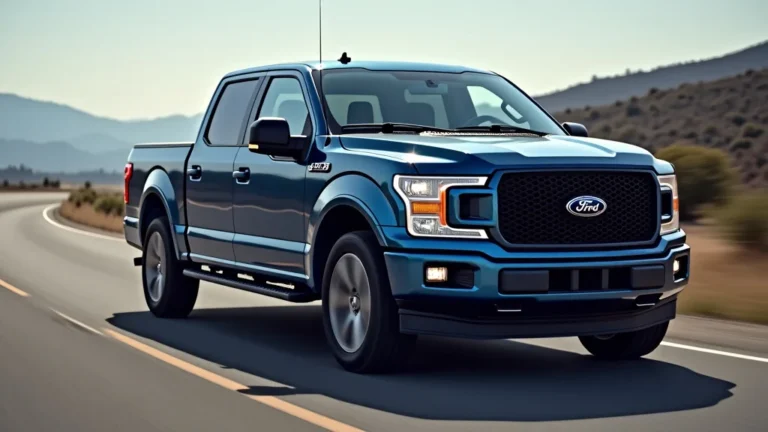
What Is F150 Off-Road Mode And How Does It Work?
If you’re new to driving a Ford F-150, you might be asking what is F150 off-road mode. It’s a common question! This mode helps your truck perform better when you’re not on regular roads. Figuring out how it works can seem tricky at first, but don’t worry. This guide will break it down step by step, so you can easily use it. We’ll explore all the parts and features of off-road mode, so get ready to become an expert!
Understanding Ford F-150’s Capability
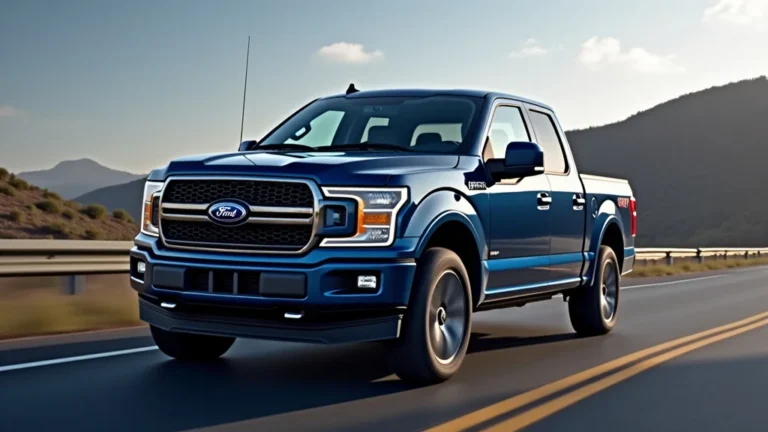
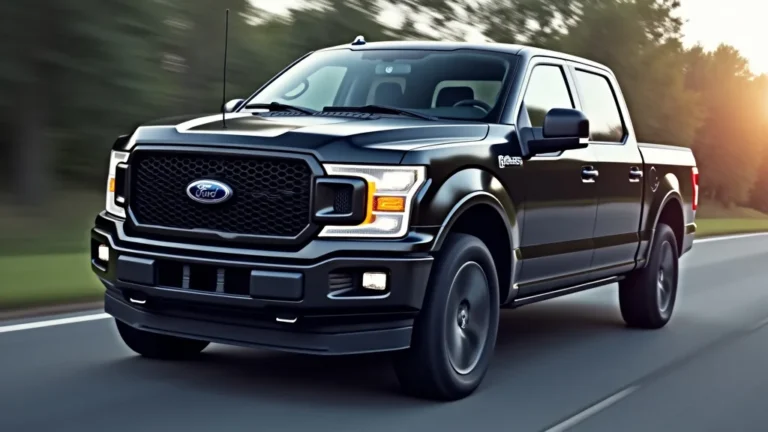
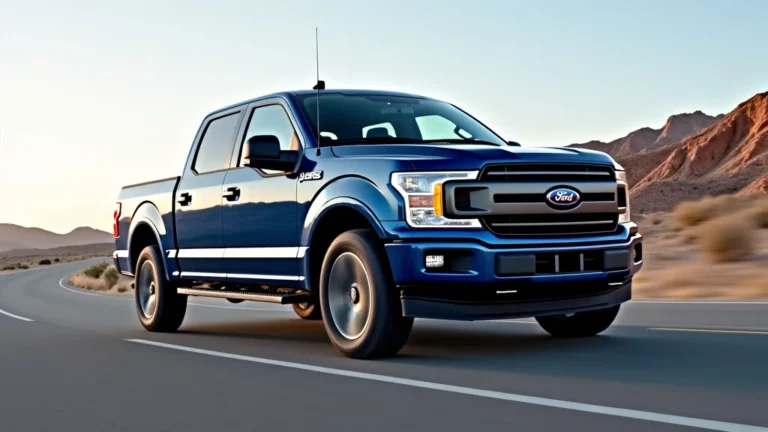
The Ford F-150 is famous for being a tough truck. It’s built for more than just smooth city streets or highways. This truck can handle rough terrain, like dirt roads, gravel, and even challenging trails. A big reason for this is the off-road mode. This mode changes the way your truck drives and responds, making it much better at handling tricky situations like going over bumps, climbing hills, or driving through mud. It makes the truck much more capable off-road. You will be able to take your truck anywhere.
The Benefits of Having Off-Road Capability
Having a vehicle capable of off-road driving opens up a whole new world of adventures. You can explore places that are otherwise inaccessible, from camping in remote areas to tackling challenging trails. Off-road driving provides a unique connection with nature and offers a sense of freedom. When you have off-road capability, you have more options. The F-150 is the perfect vehicle for this type of outdoor living. It is a workhorse that can get you to your favorite camping or hunting spot.
- Adventure and Exploration: Off-road driving allows access to remote areas, enabling outdoor recreation like camping and hiking. You can explore trails and discover landscapes.
- Improved Mobility: Off-road vehicles can tackle difficult terrains, providing better mobility in challenging conditions like snow, mud, or rugged landscapes. This can be great if you live in areas with inclement weather.
- Emergency Situations: Off-road capability can be crucial in emergency situations. In severe weather or off-road conditions, these vehicles can provide essential transport. This is a very important feature to have.
- Increased Resale Value: Vehicles with off-road features, particularly in popular models like the F-150, often hold their value better than those without. This is because they cater to a broader range of uses and buyer preferences.
Key Components of Off-Road Design
Off-road capability is not just about a single feature. It’s a combination of different parts working together. To make the F-150 ready for tougher conditions, Ford makes sure key components are set up right. This includes things like the suspension, which absorbs shocks, the tires, which provide grip, and the engine, which offers power. All of these features are designed and built specifically for off-road use. It is a workhorse that can handle the toughest conditions.
- Suspension Systems: Off-road vehicles feature heavy-duty suspension systems. These systems have long travel suspension, which allows wheels to move up and down easily to absorb bumps. They are made to provide stability and control in rugged terrain.
- Tires: Appropriate tires are key for off-road performance. They have aggressive tread patterns for maximum grip in mud, sand, and over rocks. Tire choices should match the type of terrain regularly encountered.
- Four-Wheel Drive (4WD) Systems: Most off-road vehicles use a 4WD system to deliver power to all four wheels. 4WD gives improved traction and control when driving on uneven surfaces or slippery conditions.
- Skid Plates: Skid plates protect the underbody of the vehicle from damage. They are like armor for your vehicle’s underside, shielding vital components like the engine and transmission from rocks, roots, and other hazards.
Unpacking What Is F150 Off-Road Mode
So, what is F150 off-road mode? It’s a special setting on your F-150 that prepares the truck for off-road driving. It’s more than just pushing a button; it changes a bunch of things at once. This includes adjusting the engine, transmission, and traction control systems. These changes improve your truck’s performance and make it easier to handle rough conditions. When you’re driving off-road, this is an essential part of the truck. If you are serious about off-roading, this is for you.
How Off-Road Mode Functions
When you turn on off-road mode, the truck’s computer starts making changes. The engine might get a power boost to help you go up hills or get through mud. The transmission might change gears at different times to give you more control. The traction control system will reduce how much it interferes, so the tires can get better grip. The steering might become heavier, so you feel more control. All of this is done to help you drive safely and confidently. Every setting is specifically set to make the experience easier. You’ll have complete control.
- Engine and Transmission Adjustments: The engine tuning can be altered to deliver more power and torque at lower speeds. This helps with climbing hills or moving through rough terrain. The transmission will adjust shift points, holding gears longer to ensure the power is delivered when you need it.
- Traction Control and Stability Systems: In off-road mode, the traction control and stability control systems are reconfigured. This usually involves reducing the systems’ intervention, which allows for more wheel spin. The added wheel spin can help the vehicle maintain momentum in challenging conditions.
- Steering and Suspension Adjustments: Some F-150 models may include adjustments to the steering feel and suspension behavior. The steering can become heavier to offer more feedback, and the suspension can change to absorb bumps. These changes improve driver control and ride comfort off-road.
- Terrain Management Systems: Newer F-150 models often come with advanced terrain management systems. These systems allow you to choose different drive modes. Each mode adjusts vehicle settings to fit specific terrains, such as sand, mud, or rock crawling.
Comparing Off-Road Mode with Other Modes
The F-150 also has other drive modes like Normal, Tow/Haul, and Sport. These modes change the truck’s performance for different situations. Normal mode is for everyday driving. Tow/Haul mode helps when you’re pulling a trailer or carrying heavy loads. Sport mode makes the truck more responsive for a fun driving experience. Off-road mode is designed just for driving on rough terrain. Each mode has its own special settings. Depending on what you do, you should switch between the modes.
| Mode | Purpose | Settings |
|---|---|---|
| Normal | General driving | Balances performance and efficiency |
| Tow/Haul | Towing heavy loads | Adjusts transmission and throttle for more power and control |
| Sport | Increased driving dynamics | Changes throttle response and shift points |
| Off-Road | Driving on rough terrain | Adjusts engine, transmission, traction control, and suspension |
Diving Deeper Into Off-Roading Techniques
Now that you know what off-road mode is, let’s look at how to use it effectively. Off-roading requires some skills, like how to choose the right path and control your speed. Using off-road mode correctly can make the experience safer and more fun. Learning these techniques will help you handle various terrains and challenges you may encounter. It will help make sure you have the best experience possible. This will make you feel confident.
Techniques for Off-Road Driving
Before you get started, make sure your truck is ready. Ensure tires are properly inflated. Check fluids and inspect your vehicle. Select the off-road mode for the conditions you’re driving in, like Sand, Mud/Ruts, or Rock Crawl. Then, pay close attention to the terrain. Avoid abrupt changes in direction. Keep a steady speed. Use your mirrors. Know where your wheels are positioned. Spot the terrain ahead. This is a skill that takes practice, but it’s essential for success.
- Proper Tire Selection and Inflation: Choose the right tires for the terrain. Increase tire grip and reduce the chance of flats by adjusting air pressure. Less pressure increases the tire footprint and traction, particularly on soft surfaces. Always re-inflate tires to the correct pressure before returning to paved roads.
- Steering Techniques: Use slow, controlled steering to avoid losing control on uneven surfaces. This gives better precision. Keeping hands at the correct positions on the steering wheel helps maintain control. Anticipate turns and obstacles ahead to stay in control.
- Speed Management: Maintain a steady pace that allows you to manage the terrain. Avoid driving too fast, which can cause loss of control or damage. Adjust speed according to the situation.
- Understanding Terrain: Identify and avoid hazards like deep ruts, large rocks, or steep inclines. Choose a path that minimizes the risks. Use your vehicle’s features, like the terrain management system, to your advantage.
Handling Different Terrains
Different terrains require different approaches. On sandy surfaces, keep the speed up to maintain momentum. Use low tire pressure to get better grip. In muddy conditions, use the Mud/Ruts mode to get maximum traction and power. When rock crawling, go slow and use the Rock Crawl mode. Always inspect the path ahead and use the right techniques for the terrain. This will ensure that you have the best driving experience possible. It is all about safety and making sure you enjoy it.
- Sand: For sand driving, select the Sand mode on your terrain management system. This mode adjusts throttle response and shift points to maintain momentum. Keep the speed steady. Avoid sudden movements. Lower tire pressure for added flotation.
- Mud and Ruts: Choose the Mud/Ruts mode. This mode maximizes traction by allowing more wheel slip. Maintain a consistent speed to avoid getting stuck. Do not spin your tires too much, as this can dig you deeper.
- Rock Crawling: The Rock Crawl mode is designed for the most challenging situations. It provides maximum control and low-speed crawling. It is designed to navigate obstacles slowly. Use the vehicle’s low range 4WD.
- Scenario 1: You’re driving on a sandy beach. Select the Sand mode to get the necessary power and traction to avoid getting stuck in the soft sand. Keep the speed steady to maintain momentum and navigate safely.
- Scenario 2: You come across a muddy trail after a rainstorm. Switch to Mud/Ruts mode. This lets the wheels spin a little, and helps them get a grip. Steer slowly and carefully to avoid sliding off the trail.
Maximizing Your F-150’s Off-Road Potential
To get the most out of off-road mode, think about adding some upgrades. There are many options to improve your F-150’s off-road performance. This could include things like a lift kit to raise the truck, tougher tires for more grip, or skid plates to protect the underside. With the right upgrades, your F-150 can become an even more capable off-road machine. These changes will help you get better performance, no matter what terrain you are in.
Popular Upgrades and Modifications
Consider improving your F-150’s off-road capabilities with upgrades. Lift kits raise your truck, giving it more ground clearance to go over obstacles. Better tires provide enhanced grip and durability. Skid plates protect the underbody from damage. Adding a winch can get you out of trouble when you get stuck. Also, you might think about upgrading your suspension system. These upgrades can greatly improve your truck’s performance.
- Lift Kits: Lift kits increase ground clearance, allowing you to drive over larger obstacles. They also allow for the use of larger tires, which provides more traction.
- All-Terrain Tires: All-terrain tires offer a balance between on-road comfort and off-road performance. They have aggressive tread patterns. These tires offer grip on various terrains, including mud, sand, and gravel.
- Skid Plates: Skid plates protect the underside of your truck from damage when driving on rough terrain. They shield vital components like the engine, transmission, and fuel tank. This reduces the risk of expensive repairs.
- Winch and Recovery Gear: A winch is an essential tool for off-roading. It helps you get out of tricky situations. The winch can pull the truck out of mud, sand, or other obstacles.
Maintenance and Care for Off-Road Use
If you plan to use your F-150 off-road, it’s important to care for it. After each off-road trip, clean the truck thoroughly, especially the undercarriage. Check for any damage or wear on the suspension, tires, and other components. Regular maintenance like oil changes and filter replacements are very important. Checking and replacing fluids will keep everything running smoothly. Proper care will help extend the life of your truck. This will help make sure it is ready for your next adventure.
- Regular Cleaning: After off-road adventures, thoroughly wash the exterior, paying close attention to the undercarriage. Remove mud, dirt, and debris that can cause rust and damage.
- Inspection of Components: Regularly inspect the suspension, tires, brakes, and other components. Look for any signs of wear and tear, damage, or leaks. Make repairs promptly to prevent more serious issues.
- Fluid Checks and Changes: Change fluids like engine oil, transmission fluid, and coolant at the intervals specified in your owner’s manual. Off-road driving puts extra stress on these fluids. Checking and replacing them keeps the truck running smoothly.
- Tire Maintenance: Check tire pressure before each off-road trip and after. Inspect tires for cuts, punctures, or uneven wear. Rotate your tires to ensure even wear and maximize their lifespan.
Frequently Asked Questions
Question: How do I activate off-road mode in my F-150?
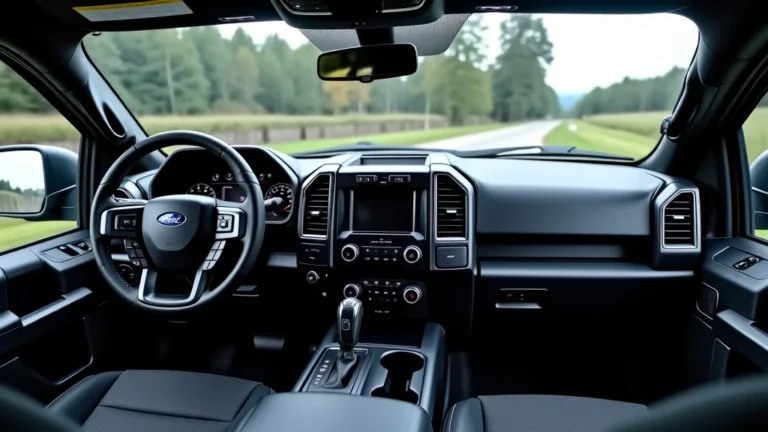
Answer: To activate off-road mode, look for the drive mode selector on your dashboard. Choose the “Off-Road” setting. This might be a button or a dial that you turn. The system will then adjust the vehicle’s settings accordingly.
Question: What’s the difference between 4H and 4L?
Answer: 4H (High) is for driving at moderate speeds on surfaces like gravel or snow. 4L (Low) is for more challenging situations, like rock crawling. 4L gives you more power and control at slower speeds.
Question: Can I use off-road mode on regular roads?
Answer: While you can use off-road mode on regular roads, it’s generally not recommended. It will make your ride less efficient. Use it only when driving on rough terrain, as the settings are best suited for those conditions.
Question: What if I get stuck while off-roading?
Answer: If you get stuck, try using your winch. Also, use the terrain management system. You can switch to a lower gear, or deflate your tires slightly for better grip. If all else fails, seek help from experienced off-roaders.
Question: Does off-road mode affect fuel efficiency?
Answer: Yes, off-road mode can affect fuel efficiency. The engine and transmission settings may consume more fuel. You will see this when driving in off-road situations.
Final Thoughts
Now that you’ve learned about what is F150 off-road mode, you’re ready to explore. You know that it’s a helpful system that adjusts your truck for off-road use. You’ve seen what it changes, from engine settings to traction control, to give you the best performance and control. You can now use this mode, and also have a good idea of how to handle different terrains. Now you know the best ways to get the most out of your truck. So, the next time you head off the beaten path, remember all you’ve learned. Get out there and explore! Have fun and be safe.