What Is F150 Sport Mode and How Does It Work Exactly?
Hey there, truck enthusiast! Figuring out what is f150 sport mode can be a little tricky if you’re new to the F-150. Don’t sweat it, we’re all beginners at some point! This guide is here to break it down simply. We’ll explore how this special mode works and how it affects your ride. You’ll learn everything you need to know, step-by-step. Let’s get started and make your truck driving even better!
Sport Mode Defined for Your F-150
So, what exactly is this Sport Mode everyone’s talking about? In simple terms, it’s a driving setting found in many modern vehicles, including the Ford F-150. When activated, Sport Mode changes how your truck performs. Think of it as giving your engine and transmission a little pep talk, encouraging them to be more responsive and deliver more power. This can result in quicker acceleration, sharper handling, and a more engaging driving experience. However, there are things to keep in mind, and the specific effects can vary depending on your truck’s model and the engine it has. Sport Mode isn’t just about speed; it’s about altering the vehicle’s behavior to give you a different feel behind the wheel.
How Sport Mode Enhances Acceleration
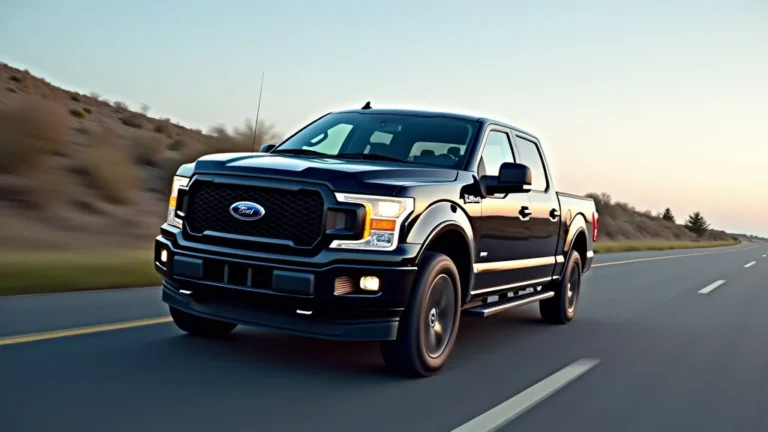
The primary purpose of Sport Mode is to boost your truck’s acceleration capabilities. It does this by modifying the transmission’s shift points. Rather than shifting gears early to prioritize fuel economy, Sport Mode holds gears longer. This lets the engine rev higher, putting more power to the wheels. This means when you hit the gas pedal, you’ll feel a more immediate response. The truck seems to leap forward with greater eagerness. It can be particularly useful when merging onto highways, passing other vehicles, or simply enjoying a more spirited drive. The difference in acceleration is noticeable, making your truck feel quicker and more agile.
- Gear Holding: The transmission holds lower gears for a longer time, allowing the engine to rev higher and generate more power before shifting.
- Throttle Response: The sensitivity of the gas pedal is increased. Even a small push on the pedal provides a strong increase in power.
- Quicker Acceleration: This leads to faster acceleration times, making the truck feel more responsive and energetic.
- Performance Focus: Sport Mode prioritizes performance over fuel efficiency. The main goal is to deliver a more exciting driving experience.
In a real-world scenario, imagine you’re entering a highway. With Sport Mode on, the truck’s engine will stay in a lower gear longer, allowing it to quickly build up speed. This helps you merge safely and smoothly. You’ll notice the engine’s eagerness as it gets the truck up to highway speed rapidly. This quick response can be a significant advantage in various driving situations, giving you better control and a sense of added power.
Steering and Suspension Adjustments in Sport Mode
Besides affecting the engine and transmission, Sport Mode can also fine-tune your truck’s steering and suspension. Not all F-150 models offer these adjustments, but if your truck has them, they can make a significant difference. The steering might become firmer, giving you a greater sense of control and road feel. The suspension could stiffen, reducing body roll and improving handling around corners. These changes work together to create a more connected and sporty driving experience. You might feel more confident when maneuvering, and your truck could feel more planted to the road. The degree of these adjustments varies by the F-150 trim and the settings of Sport Mode.
- Stiffer Steering: Provides enhanced steering feedback, making the truck feel more responsive.
- Suspension Stiffening: Reduces body roll during turns, improving handling and control.
- Enhanced Road Feel: The driver experiences a more direct connection with the road surface.
- Improved Handling: Overall vehicle agility and responsiveness are increased.
Let’s say you’re driving along a winding road. With Sport Mode engaged, the firmer steering will provide better feedback, making it easier to guide the truck through curves. The suspension might prevent the truck from leaning as much, offering a smoother and more controlled ride. This leads to a more engaging and confident driving experience, making it fun to take on twisting roads.
Understanding the Limitations of Sport Mode
While Sport Mode offers some fun enhancements, it’s also important to be aware of its limitations. As mentioned before, the primary effect of Sport Mode is to improve performance. This can come at a cost to fuel efficiency. The engine will consume more fuel because it’s revving higher. Also, the effects of Sport Mode may not be very noticeable in all driving situations. For example, in stop-and-go city traffic, the added responsiveness might not be particularly beneficial. In addition, Sport Mode can make the ride feel less comfortable if the steering and suspension become too firm. Understanding these limitations will help you use Sport Mode wisely. That way you can appreciate its advantages without unexpected consequences.
- Fuel Consumption: Due to higher engine revs and a focus on performance, expect a decrease in fuel economy.
- Comfort: The adjustments to steering and suspension might make the ride less comfortable, especially on rough roads.
- Traffic Inefficiency: In stop-and-go situations, the heightened throttle response might feel jumpy and less controlled.
- Not a Magic Fix: Sport Mode only enhances existing performance. It won’t transform your truck into something it’s not.
Suppose you’re planning a long road trip. You might want to think twice about using Sport Mode for the entire journey. You could end up spending more money on fuel. Consider switching back to the normal driving mode to improve fuel economy during that time. You will get a more comfortable ride, too.
Activating and Using Sport Mode in Your F-150
Turning on Sport Mode in your F-150 is typically a straightforward process. The exact method depends on the model year and trim level of your truck. But in most F-150s, it’s easily accessed. Once you understand where to find it and how it works, you can start using it to your advantage. It can change the way you interact with your truck. And it might make driving more engaging and pleasurable. In this section, we’ll cover the various ways to activate Sport Mode. We’ll also provide tips on how to best use it to your advantage.
Finding the Sport Mode Button or Setting
The location of the Sport Mode activation depends on the truck’s configuration. In some F-150 models, there might be a dedicated Sport Mode button on the dashboard or center console. Pressing this button will activate the mode. In other models, the setting can be found within the driving mode selector. This selector is a dial or button that lets you choose between different driving modes. These modes usually include Normal, Eco, Tow/Haul, and Sport. The information screen on the dashboard will usually confirm that Sport Mode is active. Familiarizing yourself with your truck’s system is key. You’ll quickly figure out how to switch modes. So take a moment to look at your truck’s specific setup. It should be located in an area that is easily accessible.
- Dedicated Button: Some models feature a clearly labeled Sport Mode button, often located near the gear shifter or on the dashboard.
- Drive Mode Selector: Many F-150s integrate Sport Mode into the drive mode selector. You choose Sport from a set of options.
- Instrument Cluster Display: The instrument panel usually shows which driving mode is engaged.
- Owner’s Manual: The owner’s manual is the definitive guide to finding and operating Sport Mode.
Imagine you’re driving a newer F-150 with a digital instrument cluster. You might use the touchscreen display to go into the driving mode settings. After selecting ‘Sport’, the instrument cluster will change to show you that Sport Mode is active. That way, you’ll know exactly what mode your truck is in, at a glance.
When to Use Sport Mode: Driving Scenarios
Knowing when to engage Sport Mode is important to get the most out of your truck’s performance. Sport Mode works best in scenarios where you need quick acceleration and responsive handling. Such as when merging onto highways, passing other cars, or tackling winding roads. It can also be fun when you want to make your driving more exciting. However, it may not be suitable for all situations. For example, Sport Mode isn’t the best option for fuel efficiency or in slippery conditions. It’s also probably not useful when towing heavy loads. It is up to you to find the right situations to put Sport Mode to use. But the more you use it, the easier it will become.
- Highway Merging: Need to quickly join fast-moving traffic? Sport Mode can help your truck accelerate rapidly.
- Passing Other Vehicles: Need to quickly overtake a car? Sport Mode’s extra power can make it happen.
- Winding Roads: Enjoy the twisties? Sport Mode’s enhanced handling makes driving fun.
- Empty Roads: If you simply want to experience more engaging driving, Sport Mode can deliver that.
- City Driving: Sport mode helps in city driving when you need to quickly change lanes or get around other cars.
Consider this example: you are on a two-lane road and you need to pass a slow-moving truck. Activate Sport Mode. It is going to provide you with the power you need to accelerate. Now you can quickly and safely get around the truck. Always remember to check for oncoming traffic. And ensure that you can complete the passing maneuver before starting. This is the perfect example of where Sport Mode will be advantageous.
Best Practices for Using Sport Mode
To get the most from Sport Mode, it’s essential to follow best practices. First, be mindful of fuel consumption. Sport Mode tends to make you use more fuel. Secondly, be prepared for increased responsiveness, especially with the gas pedal. Lastly, assess the road conditions. Sport Mode might not be ideal if the roads are wet, icy, or covered in snow. When you have dry, clear roads, and you want to have a spirited driving experience, Sport Mode is a great choice. Understanding these factors will help you make the best decisions about when and how to use Sport Mode. This way, you can get the best performance and enjoyment out of your F-150.
- Fuel Consumption: Be aware that Sport Mode typically reduces fuel efficiency.
- Throttle Control: The increased throttle sensitivity demands a more careful touch on the gas pedal.
- Road Conditions: Avoid Sport Mode on wet, icy, or snow-covered roads.
- Driver Experience: If you are new to this mode, it might take a bit of getting used to.
Think about a scenario where you’re driving on a winding mountain road. You’ve chosen to use Sport Mode. Take it easy and ease up on the gas and the steering. This will make your driving smoother. This will also give you more control of your truck. Use Sport Mode to make your drive fun. It will also help you to safely navigate those turns and enjoy the landscape.
Advanced Features and Settings Related to Sport Mode
For more advanced users, the features related to Sport Mode don’t end there. Some F-150 models offer additional settings that can further customize your driving experience. These might include the ability to adjust steering feel, transmission shift points, or even the sound of the engine. Some trucks also feature a separate “Sport+” or “Track” mode that builds on the functions of Sport Mode. These additions allow you to fine-tune your driving. You get to match the vehicle’s performance to your specific needs and preferences. Exploring these options can provide you with a lot more performance from your F-150.
Customizing Sport Mode: Additional Settings
Depending on your F-150, you might have the option to personalize Sport Mode. You could tweak the steering to be heavier or lighter. You could also adjust the firmness of the suspension. Some trucks offer settings for the engine sound. Customization can give you the best performance for your driving style. These settings are often accessed through the truck’s touchscreen interface. These can be adjusted through the driving mode selector. Take time to explore these advanced features. So you can create a driving mode that suits your taste. This level of customization allows you to have a personalized experience. And it might make you feel more in sync with your truck.
- Steering Adjustment: Fine-tune the steering weight to match your feel for control.
- Suspension Control: If equipped, adjust the suspension for a firmer or more comfortable ride.
- Engine Sound: Some models can alter the engine sound for a sportier feel.
- Transmission Settings: Adjust shift points for optimal performance or fuel economy.
Suppose your F-150 has adjustable steering settings. You can set the steering to feel firmer for a more connected feel. You might select the ‘Sport’ setting and then adjust the steering to your preference. Test out how the different settings affect the steering. Then decide which setting delivers the best response for you.
Sport+ or Track Mode: Enhanced Performance
Some F-150 models offer a Sport+ or Track mode, which adds an extra layer of performance. These modes usually build on the features of Sport Mode, offering even more aggressive settings. This can include more aggressive transmission shifts, tighter suspension settings, and potentially more intervention from stability control systems. This mode is best used for when you want the ultimate driving experience. Whether that is on a track or a safe closed course. But you need to take caution when using these settings on public roads. They might make your truck less forgiving. And they will demand greater driver skill. It’s important to know the capabilities and limitations of these modes before using them.
- Aggressive Transmission Shifts: Gear changes are even quicker and more frequent.
- Stiffer Suspension: The suspension firms up even more for improved handling.
- Reduced Stability Control Intervention: Allows for more driver control.
- Track-Specific Calibration: Designed for optimal performance in a controlled environment.
Imagine you have access to a track day. You switch your F-150 to Track mode. You’ll notice the truck’s eagerness when you accelerate out of turns. The suspension and steering provide you with the most control. This will let you push your truck to its limits in a secure setting. Always remember to assess your experience and adjust your driving as needed.
Maintenance and Care Considerations
Using Sport Mode regularly shouldn’t require extra care or maintenance. However, it’s a good idea to pay closer attention to your truck’s fluids. These include oil and coolant. The increased performance may generate more heat. So, it is important to ensure that the engine and transmission are working at their best. Follow your truck’s maintenance schedule. Keep it up to date. This ensures peak performance. Regularly inspect your tires, brakes, and other components. Especially if you frequently drive in Sport Mode. Maintaining your truck will ensure that you have many years of enjoyment from your truck.
- Fluid Checks: Monitor oil and coolant levels more frequently.
- Tire Pressure: Regularly check tire pressure for optimal performance.
- Brake Maintenance: Inspect brakes, especially if you drive more aggressively.
- Scheduled Service: Stick to the manufacturer’s maintenance schedule.
Suppose you frequently use Sport Mode and notice your truck’s brakes feel less responsive. Get your brakes checked. It’s better to address potential issues promptly. This is important for both performance and safety. Maintaining the truck prevents unexpected failures. And it keeps the vehicle in great shape.
What Is F150 Sport Mode Compared to Other Modes
To fully grasp what is f150 sport mode, it is useful to compare it to the other driving modes available on the F-150. Most F-150s come with different modes like Normal, Eco, Tow/Haul, and sometimes off-road modes. Each mode changes the vehicle’s characteristics to suit different driving situations. Normal mode is usually a good option for everyday driving. Eco mode concentrates on saving fuel. Tow/Haul mode helps with hauling heavy loads. Understanding the differences between these modes will allow you to make the right choice. You can customize your driving experience. The right mode can increase your comfort and enjoyment of the road.
Normal Mode: The Default Setting
Normal mode is the standard driving mode on most F-150s. It’s designed to deliver a balance of performance, fuel efficiency, and comfort. The engine and transmission are tuned for everyday driving, with a moderate throttle response and smooth gear shifts. Suspension and steering are set for a comfortable ride. Stability control and other safety systems are fully engaged. Normal mode is ideal for daily commutes, errands, and general driving. It provides a reliable and balanced experience. This makes it an appropriate choice for a variety of conditions. It is set up to provide a great driving experience.
- Balanced Performance: Moderate throttle response and smooth gear changes.
- Fuel Efficiency: Designed for reasonable fuel economy.
- Comfort: The suspension is set for a smooth ride.
- Everyday Use: Best for daily commuting and general driving.
Let’s say you’re taking your F-150 to run errands on the weekend. Normal mode is a great choice. It gives you a smooth, balanced driving experience. You won’t have to adjust to any unusual performance changes. The truck provides a predictable and comfortable ride. It’s perfect for casual, everyday driving.
Eco Mode: Maximizing Fuel Efficiency
Eco mode is designed to maximize fuel efficiency. It does this by modifying the engine and transmission to promote fuel-saving behavior. The throttle response is reduced, and the transmission shifts to higher gears sooner. This will make your truck slower to accelerate. The suspension and steering settings usually stay the same. Eco mode is perfect for long highway trips. It is great in areas where gas prices are high. This mode helps you save money at the pump. It can also reduce your carbon footprint. However, you’ll need to be prepared for reduced performance. You can still expect to get where you need to go. You will just be doing it in the most efficient manner.
- Reduced Throttle Response: Limits acceleration to save fuel.
- Early Gear Shifts: The transmission shifts to higher gears quicker.
- Fuel-Saving Focus: Prioritizes fuel economy over performance.
- Long Distance Driving: Ideal for highway trips or when you want to save fuel.
If you’re going on a long road trip, Eco mode is a smart choice. You’ll use less fuel. This can make the trip less expensive and help you reduce emissions. Plan to take it easy on the gas pedal. This will maintain efficient driving.
Tow/Haul Mode: For Heavy Loads
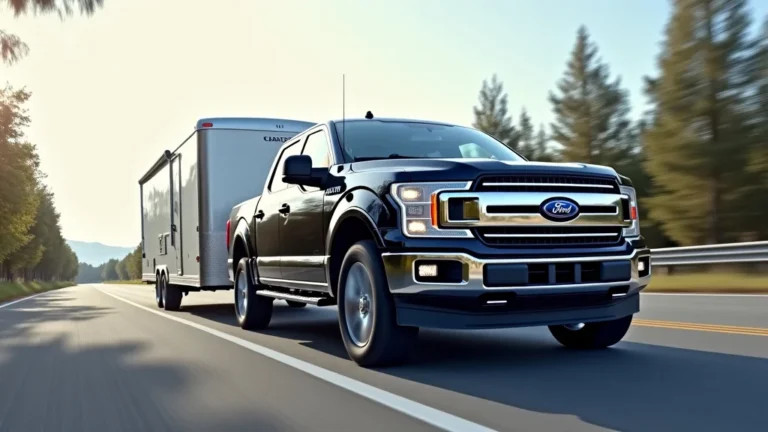
Tow/Haul mode is specifically designed for towing heavy loads. It changes the transmission’s shift points. It keeps the engine from revving too high. It also provides increased engine braking to help control the vehicle on hills. Steering and suspension settings stay the same. This mode is a must-use when you are towing a trailer or hauling a heavy payload. It enhances control and stability. It prevents wear and tear on your truck’s systems. Tow/Haul mode adds safety and makes towing or hauling tasks far easier to manage.
- Enhanced Towing: Improves the vehicle’s capability to tow and haul heavy loads.
- Higher Engine RPM: Keeps the engine in the optimal power band while towing.
- Increased Engine Braking: Helps control the truck when descending hills.
- Increased Stability: Keeps the truck steady when loaded.
Imagine you’re towing a trailer with camping gear. It’s a must to use Tow/Haul mode. The system will make the drive far safer. You’ll have better control of the load. This will allow the engine and transmission to work together. This will give you the safest and easiest towing experience.
Off-Road Modes: For Adventures
Some F-150s come with off-road driving modes. These are for navigating trails and rough terrain. They include modes like Mud/Rut, Sand, or Rock Crawl. These modes adjust the engine, transmission, and traction control systems. They provide enhanced grip and traction. They also increase the truck’s ability to navigate difficult landscapes. These modes will help you to have the best performance off the beaten path. They optimize your truck for specific situations. They’ll also provide a fun and capable off-road driving experience.
- Enhanced Traction: Maximizes grip and control on various surfaces.
- Adjusted Throttle Response: Provides more control over the vehicle’s power delivery.
- Specific Terrain: Optimized settings for mud, sand, rock crawling, and more.
- Off-Road Adventure: Best for tackling trails and rough terrain.
Consider a situation where you’re driving through loose sand. You can select Sand mode. It’ll provide the optimal settings for traction and throttle response. This will help you get through the sandy terrain. You’ll be ready for your off-road adventure.
| Mode | Primary Function | Best Use | Effect on Driving |
|---|---|---|---|
| Normal | Balanced performance | Daily driving | Smooth, responsive, and fuel-efficient |
| Eco | Maximize fuel efficiency | Highway driving | Reduced throttle response, slower acceleration |
| Sport | Enhance performance | Highway merging, winding roads | Quicker acceleration, firmer steering |
| Tow/Haul | Towing heavy loads | Towing a trailer | Enhanced engine braking, stronger pulling capacity |
| Off-Road | Off-road driving | Mud, sand, rock crawling | Enhanced traction, adjusted throttle response |
Frequently Asked Questions
Question: Does Sport Mode use more gas?
Answer: Yes, Sport Mode typically consumes more fuel because the engine revs higher to deliver greater performance.
Question: Can I damage my truck by using Sport Mode often?
Answer: No, using Sport Mode often will not damage your truck as long as the truck is properly maintained.
Question: How is Sport Mode different from Eco Mode?
Answer: Eco Mode focuses on saving fuel, while Sport Mode prioritizes performance. Eco Mode reduces throttle response and shifts gears early. Sport Mode enhances throttle response and holds gears longer.
Question: Does Sport Mode change the suspension or steering?
Answer: Some F-150 models offer adjustments to the steering and suspension in Sport Mode. The steering might become firmer. The suspension might stiffen, which will allow for enhanced control.
Question: Can I use Sport Mode when it’s raining or snowing?
Answer: It’s best to avoid Sport Mode in wet or snowy conditions. The enhanced responsiveness can be harder to control on slippery surfaces.
Final Thoughts
So, there you have it – a clear picture of what is f150 sport mode. It’s a cool feature that alters your truck’s driving personality. It ramps up your truck’s performance for a more exciting feel. Now you know the main advantages, you’ve learned when and how to engage Sport Mode, and the value it adds. You can now use Sport Mode to enhance your driving pleasure. Experiment with it in different situations. See how it changes the way your F-150 handles. Remember to be mindful of fuel economy and adjust your driving as needed. Armed with this knowledge, you can now get behind the wheel of your F-150 with even more confidence and enjoyment! Enjoy the ride!