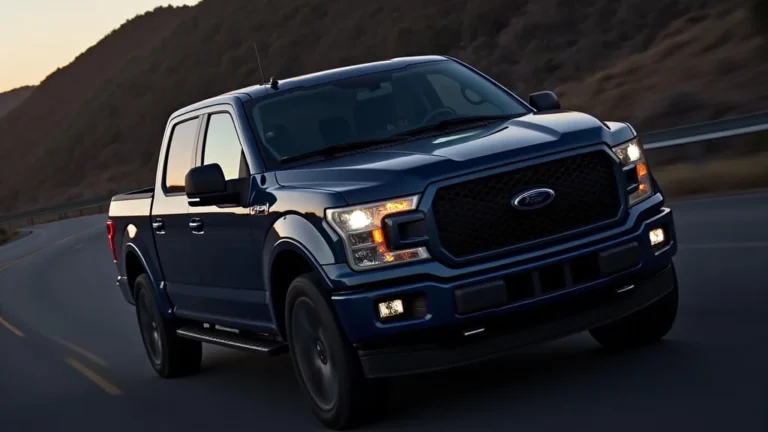
Why Ford Switched the F150 to Aluminum Body Construction
It’s a common question: why did Ford move F150 to aluminum? For beginners, this topic can seem a little tricky, with talk about different materials and manufacturing. Don’t worry, though. We’ll break it down into easy-to-follow steps. This will help you see the benefits and changes Ford made. You’ll soon have a solid grasp on this interesting topic. Let’s start with the basics, and you’ll soon be an expert.
Reasons Behind Ford’s Aluminum Revolution
Ford made a big change when they started using aluminum for the F-150. This wasn’t just a cosmetic upgrade; it was a major shift in how trucks are made. The move from steel to aluminum brought significant benefits, including weight reduction and better fuel economy. However, it also introduced new challenges in terms of production costs and the skills needed for repair. This section will explore the initial motivations behind the aluminum decision, comparing it to steel and illustrating the long-term strategic benefits Ford sought to achieve. We’ll explore the immediate reasons and the future goals that influenced this significant change.
Weight Savings and Performance Gains
The primary reason for switching to aluminum was to reduce the truck’s weight. Aluminum is significantly lighter than steel, allowing Ford to trim hundreds of pounds from the F-150’s total mass. This weight loss directly impacts vehicle performance. A lighter truck accelerates faster, handles better, and is more fuel-efficient. In testing, the aluminum F-150 often demonstrated a noticeable improvement in these areas compared to its steel-bodied predecessors. For example, a reduction in weight helps the truck to travel a longer distance on a single tank of gas. The lower weight also benefits braking performance and overall agility. This change represents a significant enhancement in the truck’s capabilities and user experience.
- Improved Fuel Efficiency: One of the biggest advantages is improved fuel economy. Lighter vehicles require less energy to move, leading to better gas mileage. This is an important factor for both consumers and businesses, given rising fuel costs.
- Enhanced Acceleration and Braking: The lower weight of the aluminum body improves acceleration. The truck can reach higher speeds faster. Similarly, reduced weight enhances braking performance, leading to shorter stopping distances and improved safety.
- Increased Payload and Towing Capacity: The weight savings gained from the aluminum body can be reinvested in other areas, such as increasing the truck’s payload capacity (the amount of cargo it can carry) and towing capacity (the weight it can pull).
- Better Handling and Maneuverability: A lighter truck is easier to handle and maneuver, making it more responsive to driver input. This is especially noticeable when navigating tight spaces or during off-road driving.
Fuel Efficiency Benefits
Reducing weight has a direct correlation with better fuel consumption. When a vehicle weighs less, it takes less energy to move it. This is why the aluminum F-150 often achieved higher miles per gallon ratings compared to its steel counterparts. Improved fuel efficiency is essential for drivers who want to spend less on gas. It is also important for the environment, as it helps reduce carbon emissions. Ford’s move to aluminum was a step towards creating more eco-friendly vehicles, benefiting both the consumer and the planet.
According to the EPA, a 10% reduction in vehicle weight can result in a 6-8% improvement in fuel economy.
Why Did Ford Move F150 to Aluminum: Environmental Considerations
The switch to aluminum isn’t just about weight and performance; it also has environmental benefits. By improving fuel economy, the aluminum F-150 contributes to lower greenhouse gas emissions. The manufacturing process of aluminum can be energy-intensive, however, modern recycling processes have made the material much more sustainable. The widespread use of recycled aluminum in the F-150 reduces the energy needed for production and helps to conserve natural resources. Ford’s decision shows a broader push towards sustainable manufacturing practices and a commitment to reducing the environmental impact of their vehicles. Ford’s switch to aluminum supports a circular economy model, where materials are reused and repurposed.
The Challenges of Aluminum in Truck Manufacturing
Changing to aluminum wasn’t without its obstacles. The process involves different manufacturing techniques and requires skilled labor. Aluminum’s higher cost, compared to steel, initially made it more expensive to produce the F-150. Furthermore, new infrastructure had to be built or updated to handle the material. The move required Ford to train its workforce in specialized welding and repair techniques. Let’s investigate the changes Ford had to make, what these challenges are, and how they overcame them to successfully implement the aluminum body.
Manufacturing and Production Process
The manufacturing process for aluminum bodies is quite different from that of steel. Aluminum requires specialized welding techniques, such as MIG welding or laser welding, and different adhesives to join panels. Ford invested heavily in its plants to accommodate these new processes. The company built new assembly lines and retrained its workforce. Aluminum is also more susceptible to corrosion than steel, requiring special coatings and treatments to ensure durability. The production process also has to carefully manage material waste and recycling to improve efficiency. This is because aluminum is more prone to damage during assembly. Ford’s commitment to process excellence was critical for success.
- Welding Techniques: Aluminum requires specific welding techniques to ensure strong and durable joints. Unlike steel, which can be welded with standard methods, aluminum needs processes like MIG (Metal Inert Gas) welding or laser welding.
- Adhesives and Joining Methods: Along with welding, adhesives are used to join aluminum panels. These high-strength adhesives are essential for creating durable bonds. This also helps distribute stress across the body and increases its structural integrity.
- Specialized Equipment: To work with aluminum, Ford invested in new equipment. This includes new presses, stamping machines, and assembly tools that are designed to handle the material.
- Corrosion Protection: Aluminum is prone to corrosion, particularly from road salt and moisture. Ford uses special coatings and treatments to protect the aluminum body and prevent degradation.
Cost and Repair Considerations
Aluminum is typically more expensive than steel, which added to the initial costs of the F-150. However, Ford’s long-term strategy included amortizing these costs through sales volume and production efficiencies. Repairing aluminum bodies is more complex than repairing steel ones. It requires specialized tools, skilled technicians, and dedicated repair facilities. This could drive up repair costs for owners. However, Ford has worked to address these issues. They have expanded their network of certified repair shops equipped to handle aluminum repairs. They also provide comprehensive training for technicians. These investments aim to make ownership and maintenance more practical and cost-effective.
- Higher Initial Cost: One challenge of using aluminum is its higher cost compared to traditional steel. This means that the initial production costs for the F-150 were increased, impacting the final price.
- Specialized Repair Tools: Repairing aluminum bodies requires specialized tools. These are designed to work with aluminum’s unique properties and ensure effective repairs.
- Technician Training: Because aluminum repairs are different from steel repairs, technicians need specialized training. This helps them understand the best methods for working with aluminum.
- Increased Repair Costs: Due to the need for specialized equipment, labor, and parts, the cost of repairing aluminum body panels can be higher than repairing steel panels.
The Development of Advanced Alloys
Advancements in aluminum alloys have greatly improved the material’s properties. Ford uses high-strength, lightweight aluminum alloys for the F-150. This enhances durability and resistance to damage. These alloys also allow for more efficient manufacturing processes. Ford continues to invest in research and development to improve their aluminum materials. They aim to reduce costs and enhance the performance of their trucks. These advancements help make the aluminum F-150 even better.
Advantages of Aluminum vs. Traditional Steel
Comparing aluminum to steel highlights the advantages that Ford gained. While steel is cheaper and more readily available, aluminum offers superior benefits in terms of weight reduction, corrosion resistance, and performance. The choice between these materials involves a balance of manufacturing costs, performance benefits, and long-term durability. We’ll explore these elements in-depth and present a clear comparison, helping you understand the real benefits of aluminum compared to steel.
Weight Reduction and Its Impact
Weight reduction is a standout advantage of aluminum. This change allows the F-150 to shed hundreds of pounds compared to steel-bodied trucks. This reduced weight significantly improves fuel efficiency, acceleration, and handling. The weight savings are also utilized to increase the truck’s payload capacity. A lighter truck means lower fuel costs. Also, it will have improved overall performance. This provides benefits for both everyday drivers and those who use the truck for work purposes.
- Enhanced Fuel Efficiency: Lighter vehicles require less power to move, so they use less fuel. This results in better gas mileage and lower fuel costs for the driver.
- Improved Acceleration: The reduced weight helps in the truck’s acceleration. A lighter vehicle can reach higher speeds more quickly than a heavier one.
- Better Handling and Maneuverability: Lighter trucks are more responsive to the driver. They make for more controlled handling and maneuvering, especially in challenging conditions.
- Increased Payload and Towing Capacity: The weight savings from aluminum can be used to increase the truck’s payload capacity. Also, it helps the towing capacity, which makes the F-150 more versatile for various tasks.
Corrosion Resistance and Durability
Aluminum is inherently more resistant to corrosion than steel, especially when exposed to road salt, moisture, and other environmental factors. Steel can rust over time, leading to both structural and aesthetic issues. The aluminum body of the F-150 is less susceptible to this, which increases the truck’s longevity and reduces the need for repairs. This is particularly beneficial for drivers in regions with harsh climates or those who use their trucks in challenging environments. This offers long-term value for truck owners.
Performance Metrics: A Comparative Analysis
This table summarizes key differences. It compares steel and aluminum. It covers weight, fuel economy, and other performance aspects. It shows the impact of aluminum on the F-150’s design and capabilities.
| Feature | Steel Body | Aluminum Body | Impact |
|---|---|---|---|
| Weight | Heavier | Lighter | Improves fuel economy, acceleration, and handling |
| Corrosion Resistance | More prone to rust | More resistant to rust | Increases lifespan, reduces maintenance |
| Fuel Economy | Lower | Higher | Reduces fuel costs and emissions |
| Payload Capacity | Lower | Higher | Allows for more cargo |
| Initial Cost | Lower | Higher | Requires additional investment in production |
The Long-Term Impact of Aluminum on Ford’s Strategy
Ford’s move to aluminum has had a lasting effect on its business strategy. It has spurred innovation in manufacturing and material science. This shift has also influenced its product planning. The move underscores the company’s commitment to sustainability and innovation. Let’s delve into these long-term strategies and their influence on the automotive industry. We will explore how these elements affect Ford’s competitive edge and future market moves.
Innovation in Manufacturing
The aluminum body required Ford to rethink its manufacturing processes. Ford invested in new technology and training to support these changes. These innovations have not only improved the F-150’s production but also advanced Ford’s overall manufacturing capabilities. This has helped them optimize their assembly lines, enhance quality control, and improve efficiency. These investments will continue to support the company’s future product development. The focus on innovation has established Ford as a leader in automotive manufacturing.
- New Welding Techniques: Ford developed and adopted advanced welding techniques to join aluminum panels.
- Advanced Adhesives: Using special adhesives provides strong and reliable bonds.
- Automated Assembly Lines: Ford updated its assembly lines with automation.
- Quality Control: Increased quality control measures were introduced to verify the structural integrity.
Market Trends and Consumer Preferences
The switch to aluminum aligns with broader market trends in vehicle design. Consumers increasingly want fuel-efficient vehicles. The demand for lightweight vehicles will likely increase in the future. Ford’s forward-thinking move is intended to position the F-150 as a leader in this area. Ford has capitalized on growing consumer demand for more sustainable and efficient vehicles. By offering an aluminum-bodied truck, Ford has expanded its appeal to environmentally conscious buyers and those looking for enhanced performance and durability.
How Ford’s Aluminum Strategy Changed the Competition
Ford’s decision to use aluminum influenced its competitors. Other automakers now also invest in lightweight materials. This trend shows the impact of Ford’s strategy. It has pushed the entire industry towards better performance. The shift has boosted research into alternative materials. All of this can improve overall vehicle performance and efficiency. Ford has shown leadership. Its bold move set a high standard for manufacturing.
Frequently Asked Questions
Question: Why is aluminum used in the F-150?
Answer: Aluminum is used in the F-150 primarily to reduce weight, which improves fuel efficiency, performance, and payload capacity.
Question: Is aluminum stronger than steel?
Answer: Aluminum alloys used in the F-150 are designed to be strong. The body’s design and engineering ensure the truck maintains strength.
Question: Does aluminum rust?
Answer: Aluminum is naturally resistant to rust. It does not corrode in the same way steel does.
Question: Are aluminum repairs expensive?
Answer: Repair costs can be higher because of the specialized tools and training needed. Ford is working to make repairs more accessible.
Question: What is the benefit of aluminum in trucks?
Answer: The main benefits are lower weight, improved fuel economy, greater payload capacity, and enhanced resistance to rust and corrosion.
Final Thoughts
So, we’ve explored why did Ford move F150 to aluminum. It started with the simple desire to make a better truck. The goal was to boost the truck’s overall capabilities. Ford decided to use aluminum instead of steel. This switch brought about lighter vehicles. This improved fuel economy and performance. Though there were new manufacturing challenges, Ford responded with smart solutions. The benefits go far beyond just saving gas. It also has a positive effect on the environment. Ford’s move to aluminum has set a new standard in the automotive industry. It shows the future of vehicle manufacturing, where performance and sustainability go together. Now you know the story. You have a better grasp on what makes the F-150 a leader. This is all thanks to aluminum. The next time you see an F-150, you’ll know the story behind its innovative design. If you’re considering a truck, the F-150 is worth a closer look!