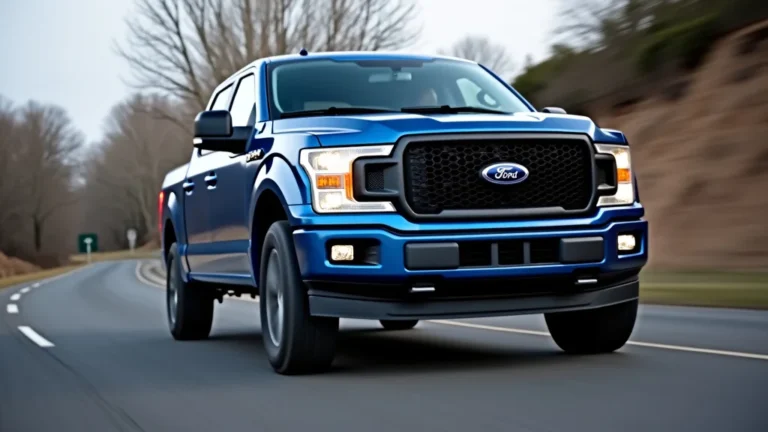
Why F150 4×4 Light Stays On Troubleshoot and Fix
Having the 4×4 light stay on in your Ford F150 can be a bit frustrating, especially if you’re new to trucks. It’s a common issue that many F150 owners face, and it’s often not as complicated as it seems. Don’t worry, you’re not alone! We’ll explore the main reasons why f150 4×4 light stays on, and provide a simple, step-by-step approach to resolve it. We’ll go over everything from the basic components of your 4×4 system to the most common causes and how you can fix them. Let’s get started and get that light off!
Key Takeaways
- The 4×4 light staying on often signals an issue within the four-wheel-drive system.
- Common causes include problems with sensors, switches, and the transfer case.
- You can troubleshoot many issues yourself with basic tools and knowledge.
- Regular maintenance can prevent several 4×4 light problems.
- Knowing your vehicle’s system is key to easy fixes.
- Understanding the 4×4 system ensures safe and efficient use.
Common Causes of a Persistent 4×4 Light
The 4×4 system in your F150 is a complex assembly of parts. Several things can cause the 4×4 light to stay on. From faulty sensors to issues within the transfer case, pinpointing the exact cause is the first step in fixing the problem. We’ll break down the most typical reasons why the 4×4 light might be illuminated, providing you with a base for troubleshooting. The goal is to give you a clear view of the situation, making it easier to identify what’s going on with your truck’s system.
Faulty Sensors and Switches
Sensors and switches play a vital role in your F150’s 4×4 system. They provide essential data to the control module, which then decides when to engage or disengage four-wheel drive. If a sensor fails, the module might not get the correct information, resulting in the 4×4 light staying on. The most common of these include the transfer case position sensor, which tells the system the position of the transfer case, and wheel speed sensors, which monitor the speed of each wheel. A malfunctioning switch, like the one on your dashboard to select 4×4, can also be a culprit. These are usually easy to check and are a frequent source of issues.
- Transfer Case Position Sensor: This sensor informs the system whether the transfer case is in 2H, 4H, or 4L. A failure here can prevent the system from knowing the actual mode, causing the light to stay on.
- Wheel Speed Sensors: These sensors are critical for the ABS and also provide data to the 4×4 system. If one fails, it might confuse the system, prompting the 4×4 light.
- Dashboard Switch: The switch allows you to choose your 4×4 mode. If it’s faulty or has a wiring issue, the light may stay lit even if the system isn’t engaged.
- Testing the Sensors: You can check these sensors with a multimeter to ensure they are functioning properly. Replace any sensor that fails the test.
- Wiring Issues: Damage to the wiring harness connected to these components can also cause problems. Always check the wiring for cuts or damage.
Transfer Case Issues
The transfer case is a core component of your 4×4 system, responsible for sending power to both the front and rear axles. Problems within the transfer case itself, such as mechanical failures or fluid leaks, can trigger the 4×4 light. Issues can range from internal gear wear to issues with the electronic shift motor. Regular maintenance, including fluid changes and inspections, can help prevent these problems, ensuring your system runs smoothly. Pay attention to any unusual noises coming from the transfer case, as they can hint at an underlying issue.
- Mechanical Wear: Over time, internal components within the transfer case, like gears and chains, can wear out, causing engagement problems and triggering the light.
- Fluid Leaks: Leaks can lead to a loss of lubrication, causing damage to internal parts and activating the warning light. Regularly check for leaks.
- Shift Motor Problems: The electronic shift motor is responsible for changing the transfer case mode. A failure here can prevent the transfer case from shifting.
- Checking the Transfer Case: Examine the transfer case for leaks and unusual noises. Consider a fluid change if it hasn’t been done recently.
- Professional Inspection: For more serious issues, consult a mechanic. They can diagnose internal problems and recommend necessary repairs.
Vacuum Lines and Actuators
Some F150 models use vacuum-operated systems to engage and disengage the front axle. These systems rely on vacuum lines and actuators to move components into position. If a vacuum line leaks or an actuator fails, it can prevent the front axle from engaging correctly, and thus, the light might stay on. These vacuum lines can crack or disconnect over time due to wear and tear or exposure to harsh conditions. Actuators, which control the movement of these components, can also fail. Regularly inspecting these parts can keep your system functioning properly.
- Vacuum Leaks: Cracks or disconnections in vacuum lines can interrupt the vacuum signal, preventing the system from engaging.
- Actuator Failure: Actuators, which control the physical movement of the 4×4 components, can fail due to wear or electrical issues.
- Inspecting the System: Look for damaged vacuum lines and check the actuators. Replace damaged lines and faulty actuators.
- Vacuum Test: Use a vacuum gauge to check for leaks in the vacuum system, ensuring everything is sealed.
- Component Replacement: If you find a damaged component, replacement is usually necessary to get the system working correctly.
Troubleshooting Steps to Resolve the 4×4 Light Issue
Troubleshooting the 4×4 light can be done in a systematic fashion. The goal is to isolate the problem, which can save you time and money on repairs. By going through a few simple checks and following a logical process, you can often identify the root cause yourself. Remember to start with the easiest and most accessible checks before moving to more complex ones. The following steps should help you effectively address the 4×4 light concern.
Check the Basics
Before you get into any advanced diagnostics, it’s wise to start with the basics. These simple checks can often uncover the root cause of the problem without needing to use expensive tools or consult a mechanic. This phase involves a visual inspection and quick tests to check for obvious problems that might be causing the light to stay on. Taking the time to do this first can save you from unnecessary work. It could also reveal a simple fix that you can perform quickly.
- Check for Obvious Issues: Look for any loose connections, broken wires, or signs of physical damage in the 4×4 system, paying close attention to the sensors and switches.
- Examine the Dashboard Switch: Make sure the switch that controls the 4×4 mode is functioning correctly. Try cycling through all the modes to see if the light behaves as expected.
- Inspect Fuses: Verify that the fuses related to the 4×4 system are in good shape. A blown fuse can prevent the system from working. Check the fuse box in the engine compartment and cabin.
- Check Fluid Levels: Make sure the fluid in the transfer case is at the correct level and that there are no leaks. Low fluid can lead to damage and system failure.
- Look for Error Codes: Use an OBD-II scanner to read any error codes stored in your truck’s computer. These codes provide clues about the problem.
Use an OBD-II Scanner
An OBD-II scanner is a valuable tool in diagnosing 4×4 issues. It connects to your truck’s diagnostic port and reads error codes. These codes are specifically created to tell you what part of the system is creating the problem. They provide valuable insight into the status of the various components, like sensors and actuators. Knowing the error codes can significantly narrow down your troubleshooting efforts, saving you time and potentially money by guiding your repairs. Many scanners also let you see data from sensors in real time.
- Connect the Scanner: Plug the OBD-II scanner into the diagnostic port of your F150. This port is usually located under the dashboard on the driver’s side.
- Read the Error Codes: Turn the ignition on, then select the “Read Codes” or similar option on the scanner. The scanner will show the codes related to the 4×4 system.
- Interpret the Codes: Each code corresponds to a specific issue or component. Refer to your scanner’s manual or an online database to interpret the codes.
- Clear the Codes: After fixing the problem, clear the codes from the system. If the light comes back on, the problem is not fixed.
- Real-Time Data: Many scanners can also display real-time data from sensors, allowing you to monitor their performance and pinpoint failures.
Inspect Wiring and Connectors
Wiring problems are a common cause of electrical issues in vehicles, including the 4×4 system of your F150. Over time, wires and connectors can degrade, corrode, or get damaged by road hazards or harsh weather conditions. Checking the wiring and connectors is a key step. You need to look for any signs of damage such as cracked insulation, corroded terminals, or loose connections. This inspection will help you identify and address any electrical issues that might be causing the 4×4 light to stay illuminated, preventing the system from functioning correctly. A close visual check and some simple tests can save you significant repair costs.
- Visual Inspection: Carefully look at the wiring harnesses and connectors in the 4×4 system, especially around the sensors, switches, and transfer case.
- Check for Corrosion: Look for corrosion or rust on the terminals. This is a common issue that can interrupt the signal. Clean any corroded connections with electrical contact cleaner.
- Test for Continuity: Use a multimeter to check for continuity in the wiring. Ensure wires aren’t broken or shorted.
- Secure Connections: Make sure that all connectors are firmly attached and properly seated. Loose connections can cause intermittent problems.
- Repair or Replace: Repair or replace any damaged wiring or connectors. This is an important step to ensure the 4×4 system functions correctly.
Advanced Troubleshooting Tips and Tricks
Beyond the basic steps, some more advanced methods can assist in diagnosing the cause of the 4×4 light issue. These methods may require a bit more mechanical knowledge and tools. They can provide more specific insights into the performance of different components within the 4×4 system. They can also help in scenarios where the basic troubleshooting steps haven’t solved the problem.
Check the Transfer Case Shift Motor
The transfer case shift motor is responsible for engaging and disengaging the 4×4 system. It does so by physically shifting the internal components of the transfer case. Problems with this motor can cause the 4×4 light to stay on. The shift motor can fail due to wear and tear, electrical issues, or internal mechanical problems. Testing the shift motor involves checking its operation, looking for unusual noises, and making sure it responds to commands. Checking the motor can lead to identifying a problem directly affecting the engagement of the 4×4 system.
- Locate the Shift Motor: It’s usually mounted on the side of the transfer case. Find the motor and note its position.
- Check for Power and Ground: Use a multimeter to check for power and ground at the motor’s connector. The motor needs these to function.
- Test the Motor’s Operation: With the ignition on, try shifting the 4×4 modes and listen for the shift motor to engage. You should hear a distinct whirring sound.
- Inspect the Gear: Sometimes, the gear that the motor uses to engage the transfer case can strip, preventing proper operation.
- Replace If Necessary: If the motor doesn’t respond or shows any signs of damage, consider replacing it.
Test the Vacuum Actuator System (if equipped)
Some F150 models use a vacuum actuator system to engage the front axle. This system uses vacuum lines and actuators to move the components. If your truck has this system, testing these parts can help diagnose the reason why the 4×4 light is on. You will need to check the vacuum lines for leaks and ensure the actuators are functioning correctly. Testing this system can often point to the cause of the 4×4 light remaining on, especially when the front axle fails to engage. The use of a vacuum gauge can be beneficial when carrying out these tests.
- Locate the Actuator: It is generally situated near the front axle.
- Check Vacuum Lines: Check all the vacuum lines for leaks or disconnections. The lines should be free of cracks and securely connected.
- Use a Vacuum Gauge: Connect a vacuum gauge to the vacuum lines to check for leaks. The system should hold a vacuum.
- Test the Actuator: Apply vacuum to the actuator to see if it moves and engages the front axle components.
- Replace Faulty Components: Replace any vacuum lines that have leaks or replace an actuator if it is not working correctly.
Consider a Professional Diagnosis
Sometimes, despite your best efforts, the source of the 4×4 light problem might still not be clear. In such cases, seeking a professional diagnosis from a qualified mechanic is often the best course of action. A mechanic will have the tools, expertise, and experience to correctly diagnose the issue. They can run advanced tests and use specialized equipment to pinpoint the exact source of the problem. If the basic steps do not bring any answers, a professional diagnosis can save you the stress and frustration of trying to solve a complex issue on your own. It can also help you avoid the risk of making things worse by attempting repairs you are not equipped for.
- Specialized Tools: Mechanics have advanced diagnostic tools that can read codes and data more comprehensively.
- Expert Knowledge: A mechanic will know the common issues for your truck and the proper testing methods.
- Avoid Damage: Attempting repairs without the correct knowledge or tools can cause more damage.
- Comprehensive Testing: Professionals can do a full system inspection to check all components.
- Warranty: Many shops offer a warranty on repairs, protecting you in case the problem returns.
Maintaining Your F150’s 4×4 System for Longevity
Preventative maintenance is a key part in keeping your F150’s 4×4 system running correctly. Regular maintenance tasks, fluid checks, and inspections can help prevent issues before they occur. It can help extend the life of the 4×4 components. It helps prevent those frustrating 4×4 light warnings. Regularly maintaining the 4×4 system will help avoid more serious, costly repairs. You can maintain your 4×4 system to keep your truck running at its best.
Regular Fluid Changes
Changing the fluid in your transfer case and front and rear differentials is a critical part of maintaining your 4×4 system. Over time, the fluid can degrade, and debris can build up, causing wear and tear on the system’s internal components. Changing the fluid regularly ensures proper lubrication and helps remove contaminants. It also extends the lifespan of the transfer case and differentials, as well as keeping your 4×4 light off. Follow the maintenance schedule recommended by your vehicle manufacturer, or consider a more frequent change if you frequently use the 4×4 system.
- Transfer Case Fluid: Change the transfer case fluid according to your manufacturer’s recommendations.
- Differential Fluid: Replace the differential fluid at the recommended intervals, and use the correct type of fluid.
- Inspect for Leaks: While performing fluid changes, check for any leaks around the transfer case and differentials.
- Quality Fluids: Use high-quality fluids that meet your vehicle’s specifications to maximize protection.
- Proper Disposal: Dispose of used fluids responsibly, following local environmental regulations.
Periodic Inspections
Regular inspections of the 4×4 system can help identify potential problems before they lead to serious issues. Inspecting the system regularly allows you to look for signs of wear and tear, leaks, and damage to various components. Look for unusual noises, leaks, and any signs of damage to the transfer case, axles, and related parts. Schedule these inspections at regular intervals, such as with every oil change or during seasonal maintenance. Being proactive can help you address small issues before they become major repairs. Consider a professional inspection by a mechanic for a detailed review.
- Check for Leaks: Look for any signs of fluid leaks around the transfer case and differentials.
- Inspect for Damage: Examine the components for any physical damage, such as dents, cracks, or loose parts.
- Listen for Noises: Pay attention to any unusual noises coming from the 4×4 system while driving.
- Check the Actuators and Sensors: Check the components, like the vacuum actuators and sensors, for any signs of wear.
- Professional Evaluation: Schedule a professional inspection every year for a comprehensive assessment.
Proper Usage
Using your 4×4 system correctly can also help in prolonging its life. The system is designed for specific driving situations. Avoid engaging 4×4 on dry pavement, as this can cause premature wear and damage. Only engage the system when driving on loose surfaces like snow, mud, or gravel. Also, practice shifting between 4×4 modes at a standstill or at low speeds, as recommended by the manufacturer. If you know how to correctly engage and disengage the system, your 4×4 light will come on less often, as the parts inside the system will not experience unnecessary stress and wear.
- Avoid Dry Pavement: Do not use 4×4 on dry, paved roads.
- Engage on Loose Surfaces: Use 4×4 when driving on snow, ice, or loose gravel.
- Shift Properly: Follow the manufacturer’s recommendations for shifting between 4×4 modes.
- Do Not Overuse: Avoid unnecessary use of 4×4, as it adds stress to the system.
- Learn Your System: Familiarize yourself with how your truck’s 4×4 system operates and its limitations.
Frequently Asked Questions
Question: What does it mean when the 4×4 light is on in my F150?
Answer: When the 4×4 light stays on, it usually signals there’s a problem with your truck’s four-wheel-drive system. This means it may not be functioning correctly or that a fault has been detected within the system.
Question: Can I drive my F150 if the 4×4 light is on?
Answer: It’s usually safe to drive your F150 with the 4×4 light on, but avoid using the 4×4 feature until you identify and fix the issue. The truck may default to two-wheel drive if a fault is present.
Question: What tools do I need to troubleshoot the 4×4 light issue?
Answer: You’ll need basic tools like a wrench and screwdrivers. An OBD-II scanner can read error codes. A multimeter will help check sensors and wiring.
Question: How often should I change the fluid in my transfer case?
Answer: Check your F150’s owner’s manual for the recommended intervals, but it is typically every 30,000 to 50,000 miles. Frequent use of 4×4 may require more regular changes.
Question: Where can I find the fuse for my F150’s 4×4 system?
Answer: Fuses for the 4×4 system are usually found in the fuse box, often located under the dashboard on the driver’s side or in the engine compartment. Check your owner’s manual for its exact location.
Final Thoughts
Dealing with the 4×4 light in your F150 can feel like a challenge. You now have a better grasp of the common reasons why f150 4×4 light stays on. The methods explained above should help you figure out what’s causing the light to stay illuminated. By following these steps, you can pinpoint the issue, and hopefully, fix it yourself. Remember to start with the easy checks, like inspecting fuses and wiring, before getting into more complex fixes. If you’re comfortable with basic vehicle maintenance, you should be able to solve many of these problems. If things are too tricky, don’t hesitate to seek help from a mechanic. With the right approach and a bit of effort, you can keep your F150’s 4×4 system running smoothly. Now go out there and enjoy driving!