Why F150 Differential Becomes Noisy Understanding the Issue
If you’re wondering why f150 differential becomes noisy, you’re not alone! It’s a common concern for F150 owners, and it can be a bit tricky to figure out. Don’t worry, though; it’s not always a sign of a huge problem. This guide will explore the usual suspects behind those sounds and provide a straightforward, step-by-step approach to help you pinpoint the issue. We’ll break down the possibilities so you can get your truck running smoothly again. Let’s start with a peek at what might be causing the noise.
Key Takeaways
- Learn the common reasons for a noisy F150 differential.
- Understand the different types of differential noises and what they mean.
- Discover the importance of regular maintenance and fluid changes.
- Find out how to diagnose differential problems at home.
- Explore potential repair options for various issues.
- Gain valuable tips on preventing future differential troubles.
Common Causes of a Noisy F150 Differential
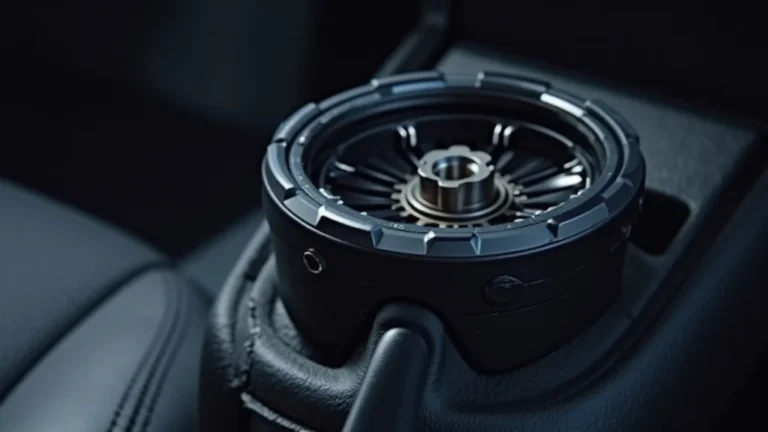
The differential, a vital part of your F150’s drivetrain, allows the wheels to turn at different speeds when you go around corners. This is important for smooth driving. When the differential starts making noise, it’s a signal that something isn’t quite right. Several things can lead to a noisy differential, ranging from simple wear and tear to more serious mechanical issues. Let’s explore some of the most common reasons your F150’s differential might be making a racket.
Low Differential Fluid Level
One of the most frequent reasons for a noisy differential is low fluid. Think of the differential fluid as the lifeblood of this component. It lubricates the gears, reducing friction and heat. If the fluid level drops, the gears won’t get the lubrication they need, causing them to grind against each other, which leads to noise. Regular checks and maintenance are key to keeping your differential healthy.
- Lubrication Explained: Differential fluid reduces friction between the gears inside the differential. Without enough fluid, metal parts rub together, creating noise and wear. Lubrication is essential to ensure the longevity of the gears and bearings. This reduces the friction, allowing smooth operation and preventing premature damage.
- Consequences of Low Fluid: Low fluid levels cause increased friction, heat buildup, and accelerated wear on the gears and bearings. This can eventually lead to complete failure of the differential, resulting in costly repairs. The noise you hear is the warning sign you need to address the problem quickly.
- Checking the Fluid Level: Most differentials have a fill plug on the side. Remove the plug and stick your finger in. If you can’t feel the fluid, or it’s low, it’s time to add more. Use the correct type of fluid specified in your F150’s manual. Remember, the right fluid is the key to ensure the proper operation of the differential.
- Fluid Leaks: Leaks can cause a drop in fluid level. Inspect the differential for any signs of leaks, such as wet spots on the housing or drips on the ground. Common leak points include the pinion seal, axle seals, and the differential cover gasket. Addressing leaks quickly prevents further damage and costly repairs down the road.
Worn or Damaged Gears
Over time, the gears inside the differential can wear down due to friction and stress. This is particularly true if the differential doesn’t receive regular maintenance. Rough driving conditions, towing heavy loads, and lack of fluid changes can speed up this process. Worn gears often make a whining or howling noise, especially at higher speeds. This is one of the more serious causes, as it can lead to complete failure if left unchecked.
- Types of Gear Damage: Gears can develop several issues. They might experience pitting (small holes), spalling (surface flaking), or chipping. These issues reduce the gear’s ability to transfer power effectively and can significantly contribute to the noise.
- Factors Contributing to Gear Wear: Hard acceleration, off-road use, and towing heavy loads all put extra stress on the differential gears, leading to premature wear. Maintaining proper fluid levels and changing the fluid regularly can reduce these stresses. Using the correct type of fluid is a good preventive measure.
- Diagnosis of Gear Issues: The sound the differential produces is often a good indicator of the problem. Whining or howling sounds usually point to wear. Popping or clunking sounds might indicate more serious damage. Professional inspection can confirm the nature and severity of the gear damage.
- Repair or
Bearing Problems
Bearings support the gears and allow them to rotate smoothly. Bearings can fail due to lack of lubrication, contamination, or age. Damaged bearings often produce a growling or humming sound that increases with speed. Bearing issues can range from a worn bearing to total bearing failure, making the differential incredibly noisy. Dealing with bearing issues promptly can prevent further damage to the differential’s internal parts.
- Types of Bearings in Differentials: Differentials use different types of bearings, including pinion bearings (at the front of the differential) and carrier bearings (holding the ring gear). Both of these are crucial for smooth operation.
- Causes of Bearing Failure: Insufficient lubrication is a common culprit. Contamination, such as dirt or water getting into the differential, can also damage bearings. Over time, bearings will simply wear out. This wear process can damage the differential and require repair.
- Symptoms of Bearing Failure: A growling or humming noise that gets louder with speed is a key indicator of failing bearings. Other signs can include vibrations that you can feel in your seat or steering wheel.
- Bearing
Diagnosing and Fixing a Noisy Differential
When you hear a noise coming from your F150’s differential, it’s time to start the diagnosis process. This involves a series of steps to pinpoint the problem. These steps range from simple visual inspections to more detailed checks. Correctly diagnosing the issue will save you time and money by helping you determine the correct course of action, whether it’s a simple fix or more extensive repairs.
Initial Inspection
The first step is a visual inspection. Start by checking for any obvious signs of trouble. This includes looking for fluid leaks, damage to the differential housing, or any physical damage. While this is a preliminary step, it is extremely valuable in narrowing down the potential causes of the noise. Taking a look at the differential can reveal a lot before you even start digging deeper into the problem.
- Check for Leaks: Look for wet spots or oil stains on the differential housing or on the ground beneath your truck. Leaks often indicate seal problems or cracks in the housing. They’re a sign that your differential isn’t sealed properly.
- Inspect the Housing: Check the differential housing for any dents, cracks, or other physical damage. Damage can be caused by impacts or off-road use. These kinds of problems can seriously impair the function of your differential.
- Look for Loose Components: Make sure the differential cover bolts and any other fasteners are secure. Loose bolts can allow fluid to leak or create vibrations. Check that all components are tightly secured to ensure everything functions properly.
- Tire Inspection: Check your tires for unusual wear patterns. Issues with the differential can sometimes affect how your tires wear. Uneven wear can indicate a problem with the differential’s alignment.
Fluid Level and Condition Check
After your initial visual inspection, checking the differential fluid is next. This is a very common cause of noisy differentials. Check the fluid level and condition. Low fluid levels can cause wear and tear on internal components. Make sure to use the right type of fluid. Using the incorrect fluid can harm your differential.
- Fluid Level Check: Locate the fill plug on the differential housing and remove it. Check the fluid level by inserting your finger into the hole. The fluid should be at the fill plug level.
- Fluid Condition: Look at the fluid on your finger. It should be relatively clean and free of metal particles. Dirty or contaminated fluid is a sign of internal wear. Fluid should be changed at recommended intervals.
- Fluid Type: Use the type of fluid recommended in your F150’s owner’s manual. Using the wrong fluid can damage the differential. Always refer to the manual for the proper fluid type and specifications.
- Fluid
Road Test and Noise Analysis
Once you’ve checked the fluid level and condition, it’s time for a road test. Drive the truck in a safe environment and pay attention to the noises. Determine when the noise occurs, how it changes with speed, and whether it’s present when turning or under acceleration. This information is key to pinpointing what might be causing the noise.
- Speed-Related Noises: Note if the noise increases or decreases with speed. Whining or howling sounds often indicate gear or bearing problems that are affected by speed. If noise is speed dependent, you can focus your diagnosis on those specific components.
- Turning and Acceleration: Determine if the noise changes when you turn the steering wheel or accelerate. Noises during turns might point to issues with the limited-slip differential. Acceleration can reveal problems within the differential as well.
- Noise Type: Listen carefully to the type of noise. Whining or howling sounds often suggest worn gears or bearings. Clunking or popping noises can indicate more serious damage. This information helps narrow the possibilities.
- Professional Assessment: If you are unsure, consult a professional mechanic. Mechanics can use specialized tools and their experience to accurately diagnose the problem. A professional diagnosis helps you get the right fix.
Preventative Maintenance for Your F150 Differential
Preventative maintenance is your best defense against a noisy differential. Regular maintenance keeps your differential in good condition. Following a maintenance schedule helps catch potential issues early. This can save you from costly repairs down the road. Addressing potential problems with a proactive approach is key.
Regular Fluid Changes
Changing the differential fluid at regular intervals is vital for its health. Fresh fluid keeps the internal parts lubricated and running smoothly. Regular changes help prevent wear and tear. Adhering to the manufacturer’s recommendations is the best way to determine your fluid change schedule. This ensures the differential operates efficiently.
- Frequency of Changes: Most manufacturers suggest changing the differential fluid every 30,000 to 60,000 miles. However, the exact interval depends on your driving habits and conditions. Refer to your owner’s manual for specific recommendations.
- Fluid Type: Always use the correct type of fluid specified for your F150. Using the wrong fluid can damage internal components. Using the right type is critical for the differential’s health.
- Driving Conditions: If you frequently tow heavy loads or drive in harsh conditions (such as off-road), consider changing the fluid more often. These conditions put additional stress on your differential. Harsh conditions require more frequent fluid changes.
- Inspection During Changes: When changing the fluid, also inspect the drain plug for metal shavings. Metal shavings indicate internal wear and signal a need for further inspection. Checking the drain plug provides a clue to the inner workings of your differential.
Inspection for Leaks and Damage
Routine inspections for leaks and damage can prevent major problems. Catching small issues early can help you avoid more expensive repairs. Checking your differential regularly helps keep your truck running smoothly. A visual check of the differential can identify potential issues.
- Leak Checks: Regularly inspect the differential housing, seals, and cover for any signs of leaks. Small leaks can quickly lead to low fluid levels, which can damage the differential. Detecting and fixing leaks early will protect your investment.
- Damage Inspection: Check the housing for dents, cracks, or any other physical damage. Damage can be caused by impacts or off-road use. Early detection of damage can prevent a complete failure.
- Fastener Check: Make sure the differential cover bolts and other fasteners are secure. Loose bolts can contribute to leaks and vibration. Ensure all bolts are tight to prevent leaks and vibrations.
- Professional Inspection: Consider a professional inspection as part of your regular maintenance routine. A mechanic can identify issues you might miss. Regular professional inspections provide expert insight into your truck’s condition.
Avoid Overloading and Harsh Driving
Overloading your truck or engaging in harsh driving habits can put extra stress on the differential. This extra stress can accelerate wear and tear. Avoiding these driving conditions can help extend the life of your differential. Protecting the differential through careful driving can save money in the long run.
- Weight Limits: Adhere to your F150’s recommended weight limits. Overloading your truck puts extra strain on the differential and other drivetrain components. Respecting the weight limits will keep your truck in good working order.
- Harsh Acceleration: Avoid quick starts and hard acceleration. These driving habits put excessive stress on the gears. Smooth acceleration protects the gears from damage.
- Off-Road Use: If you frequently drive off-road, be especially mindful of the conditions. Off-roading can expose the differential to extra stress. Inspect the differential more frequently if you do a lot of off-road driving.
- Towing Guidelines: Follow the manufacturer’s guidelines for towing. Using the correct towing equipment and following these guidelines can reduce the strain on the differential. Proper towing can help protect your truck’s mechanical components.
Frequently Asked Questions
Question: What does it mean when my F150’s differential makes a whining noise?
Answer: A whining noise often indicates problems with the gears or bearings inside the differential. It could be due to wear, insufficient lubrication, or damage to these components. The noise often increases with the speed of the vehicle.
Question: Can I drive my F150 if the differential is making noise?
Answer: It’s generally not recommended to drive your F150 for extended periods if the differential is making noise. The noise indicates a potential problem that could worsen, causing more damage. Seek a professional diagnosis immediately.
Question: How often should I change the differential fluid in my F150?
Answer: The frequency of differential fluid changes depends on your driving habits and the manufacturer’s recommendations. Usually, fluid should be changed every 30,000 to 60,000 miles. You should always consult your owner’s manual for specific recommendations.
Question: What type of fluid should I use in my F150’s differential?
Answer: Use the type of fluid recommended in your F150’s owner’s manual. The correct fluid is usually a specific type of gear oil. Using the wrong fluid can damage the differential’s components.
Question: Is it possible to repair a noisy differential, or does it always need replacing?
Answer: Whether a noisy differential can be repaired or needs replacement depends on the nature and extent of the damage. Minor issues, such as worn bearings or gears, can often be repaired. More serious damage often requires a complete replacement of the differential assembly.
Final Thoughts
A noisy F150 differential isn’t always a cause for panic, but it’s important to address it promptly. Why f150 differential becomes noisy is usually due to factors like low fluid levels, worn gears, or bearing problems. You can explore the issue using straightforward methods. Remember to look for leaks, check fluid levels, and perform a road test to identify the source of the noise. Taking action early can save you from more costly repairs. Following preventative measures such as regular fluid changes and avoiding harsh driving conditions can extend the life of your differential. If you’re uncertain, seek professional assistance to ensure your F150 stays in top condition and you can enjoy many more miles of smooth, quiet driving.