Why F150 Engine Surges At Idle: Causes and Simple Fixes
If you’re wondering why f150 engine surges at idle, you’re not alone! It can seem tricky for anyone new to car repair. This issue can make your truck run rough, but don’t worry. We’ll break down the common reasons step by step. We’ll explore the main causes and provide practical solutions you can try at home. Let’s explore what you can do to get your F150 running smoothly.
Common Causes for F150 Engine Surging at Idle
Engine surging at idle means the engine speed goes up and down when it should be steady, which is usually around 600-800 RPM. This fluctuation can be frustrating and may make the truck feel like it’s struggling. Several different problems can cause this symptom, and finding the root cause is the first step toward a solution. Pinpointing the exact issue needs a little investigation and maybe some tools, but the process doesn’t have to be hard. We’ll explore the common culprits in detail.
Vacuum Leaks and Their Effects
A vacuum leak is when air gets into the engine’s intake system where it shouldn’t. This extra air messes with the air-fuel mixture, making the engine run lean, meaning there’s too much air and not enough fuel. This can cause the engine to idle erratically. These leaks can happen in various parts of the engine. Checking for these leaks is a good place to start, as they can be one of the most common causes of surging.
- Hoses: Vacuum hoses, often made of rubber, can crack, dry out, or become disconnected over time. This creates an opening for unmetered air to enter the system. Carefully inspect all vacuum hoses for any signs of damage or loose connections.
- Intake Manifold Gaskets: The intake manifold seals the engine. The gaskets can fail, leading to leaks. These gaskets can harden and crack due to heat and age. When the gaskets leak, air enters. It is essential to ensure that there are no leaks around the intake manifold.
- Throttle Body: The throttle body controls the airflow into the engine. Over time, it can accumulate carbon deposits, causing it to stick or not close properly. A throttle body that does not close properly can create erratic idling.
Cracked hoses are fairly easy to find once you know what to look for, but remember that some can be hiding out of sight. Remember to check all the hoses in the engine bay.
Signs of a bad intake manifold gasket include a whistling sound and rough idling. Smoke tests, using smoke to identify leaks, can reveal issues.
You can often clean the throttle body yourself with throttle body cleaner and a soft brush. Carbon buildup restricts airflow and affects engine performance.
Problems with the Idle Air Control Valve (IAC)
The Idle Air Control (IAC) valve is vital for regulating the engine’s idle speed. It does this by controlling the amount of air that bypasses the throttle plate. When this valve isn’t working right, it can lead directly to the engine surging. The IAC valve is controlled by the engine computer, so understanding its role is essential to diagnose issues.
- IAC Valve Failure: The IAC valve can become clogged with carbon deposits or simply fail over time. When it malfunctions, the engine struggles to maintain a stable idle. Replace or clean the IAC valve, as necessary.
- Dirty IAC Valve: A dirty IAC valve can stick, preventing it from opening and closing correctly. Buildup inside the valve can disrupt airflow, causing the engine speed to fluctuate at idle.
- Electrical Problems: Wiring issues or a bad connection to the IAC valve can interrupt its signals. This can prevent it from working correctly. These electrical issues require careful inspection of the wiring.
Symptoms of a faulty IAC valve can include erratic idling, stalling, and trouble starting. Testing the valve for proper function is a good way to identify potential problems.
Cleaning the IAC valve is often a simple fix. Use throttle body cleaner and follow instructions for cleaning. Cleaning the valve regularly can prevent these issues.
Inspect the wiring harness for damage or corrosion. Check the connector for loose wires. Use a multimeter to check the voltage to the valve to ensure it’s getting the correct power.
Faulty Sensors Affecting Engine Idle
Various sensors help your engine run smoothly, including at idle. These sensors provide critical data to the engine control unit (ECU). The ECU uses this data to manage the air-fuel mixture and timing. When any sensor fails, it sends incorrect information to the ECU. This can cause the engine to idle poorly or surge. Identifying these faulty sensors is often the key to resolving idling issues.
- Mass Airflow (MAF) Sensor: The MAF sensor measures the amount of air entering the engine. If it’s dirty or fails, it sends incorrect data, which disrupts the air-fuel ratio. This can cause the engine to surge at idle.
- Oxygen Sensors: Oxygen sensors, also known as O2 sensors, measure the amount of oxygen in the exhaust. They help the ECU adjust the air-fuel mixture. Faulty oxygen sensors can send incorrect data, leading to surging.
- Throttle Position Sensor (TPS): The TPS tells the ECU the position of the throttle. If this sensor is faulty, the ECU might not know the correct throttle position. This can lead to erratic engine behavior at idle.
Cleaning the MAF sensor can sometimes fix these problems. Use MAF cleaner, following the instructions to avoid damaging the sensor. A damaged MAF sensor can lead to a richer or leaner fuel mixture.
Replacing oxygen sensors is often necessary if they’re not working correctly. A malfunctioning O2 sensor can cause the engine to run inefficiently. A diagnostic scan tool can help identify issues.
The TPS needs to be correctly calibrated and may need replacing. Incorrect TPS readings can cause the engine to accelerate or decelerate unpredictably. Check for proper calibration before replacing.
More Specific Problems to Explore
Beyond the common problems above, there are other, more specific issues that can also cause the engine to surge at idle. These problems might be harder to diagnose. Exploring these specific problems might require additional tools and a deeper look into the inner workings of your truck.
Fuel System Issues and Their Impact
The fuel system provides the engine with the fuel it needs to run. Any problem in this system can disrupt the engine’s performance. Problems like low fuel pressure or clogged fuel injectors can cause erratic idling. Fuel system problems can be harder to diagnose, so you’ll want to carefully explore potential causes.
- Fuel Injectors: Clogged or leaking fuel injectors can lead to an uneven fuel supply to the cylinders. This can lead to an unstable idle. Injectors should deliver the correct amount of fuel.
- Fuel Pump: Low fuel pressure from a failing fuel pump can cause the engine to starve for fuel, leading to surging. Ensure that the fuel pump delivers the correct pressure.
- Fuel Filter: A clogged fuel filter restricts fuel flow, which causes low fuel pressure. This can lead to irregular idling. A clean fuel filter makes the engine run smoothly.
A professional cleaning may sometimes resolve the issue. In other cases, they need replacing. Uneven fuel delivery can cause misfires.
Testing fuel pressure involves using a fuel pressure gauge. Low fuel pressure often causes a variety of issues. Fuel pump failure is often sudden, with little warning.
Replace the fuel filter at the recommended intervals. A restricted fuel filter reduces engine performance. A simple filter replacement can sometimes fix surging problems.
Electrical System Problems and Surging
Electrical issues often cause problems with engine operation. Wiring problems, faulty sensors, and problems with the computer can all lead to surging at idle. These can be difficult to diagnose without specific tools and some experience. Diagnosing these problems involves using diagnostic tools to inspect the electrical system for problems.
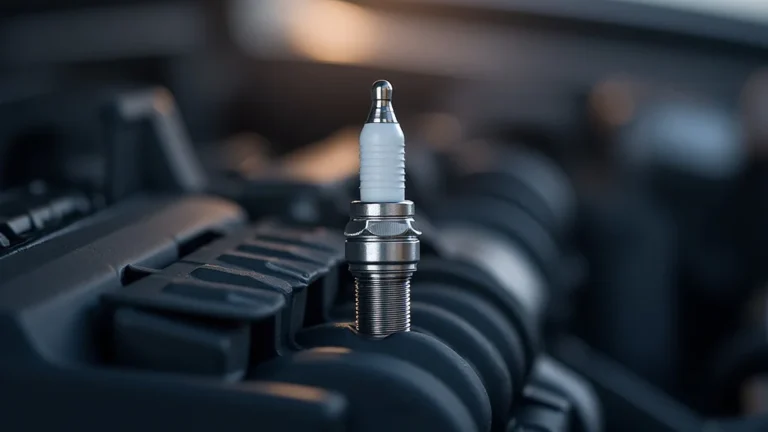
- Spark Plugs and Ignition Coils: Faulty spark plugs or ignition coils can cause misfires. Misfires can lead to rough idling and surging. Replacing the plugs or coils is often necessary.
- Wiring and Connectors: Corroded or loose wiring connections can cause intermittent problems. Such problems include engine surging at idle. Inspecting wires and connectors is essential.
- Engine Control Unit (ECU): In rare cases, the ECU might be faulty. A damaged ECU can cause various engine problems, including erratic idling. Check to see if your ECU has stored any trouble codes.
Regular replacement of spark plugs is essential for engine performance. Faulty ignition coils can result in reduced power and poor fuel economy.
Use a multimeter to check the continuity of wires. Ensure connectors are securely fastened. Check for corrosion in connectors using a wire brush.
Checking for diagnostic trouble codes can help. These codes provide clues about which systems have problems. ECU failure is rare but possible.
Other Potential Causes
There are some less common issues that can also contribute to why your F150 engine surges at idle. These problems might require a little more detective work to diagnose. Checking for these is sometimes necessary when the more common causes have been ruled out. Sometimes, these less common causes can be a little harder to find, but still possible.
- PCV Valve Issues: The Positive Crankcase Ventilation (PCV) valve helps remove gases from the crankcase. If it gets stuck or clogged, it can affect engine idle. The PCV valve needs regular inspection and can often be easily replaced.
- Transmission Problems: In some cases, problems with the transmission can cause a surging sensation that can be mistaken for engine surging.
- Engine Temperature Sensor: A faulty engine temperature sensor can send incorrect readings to the ECU. This can lead to an improper air-fuel mixture. Replacing the sensor might resolve the problem.
Check for a stuck or clogged PCV valve. A malfunctioning PCV valve can cause oil leaks. Replacing the valve can fix erratic idle.
Check the transmission fluid level and condition. Transmission issues may cause the engine to surge, which can confuse the owner. Addressing transmission issues separately is often necessary.
A faulty temperature sensor can cause poor engine performance. Diagnosing the problem involves using a diagnostic tool. Using the tool, you can check sensor readings.
Simple Steps to Diagnose and Potentially Fix Surging
Knowing why f150 engine surges at idle can help you take steps to correct the problem. This means you can often fix the issue yourself. Following a methodical approach to find the source of the problem is helpful. You can often save time and money by trying a few things at home before taking your truck to a shop.
Visual Inspection and Basic Checks
A visual inspection should be the first step in diagnosing your engine surging. This is a simple, no-cost way to get clues. Some issues are easier to spot than others. Careful inspection can often reveal the source of the problem. Some problems are obvious. Other problems require a bit more effort to identify.
- Look for Leaks: Check for any visible oil, coolant, or fuel leaks. Leaks might signal problems with seals or hoses. Leaks might show you where to concentrate your efforts.
- Inspect Hoses and Wires: Examine all hoses and wires for cracks, breaks, or loose connections. Damaged hoses and wires can cause multiple problems. Always check your wire connections.
- Check Fluid Levels: Ensure that all fluid levels (oil, coolant, power steering, etc.) are at the correct levels. Low fluid levels might point to an underlying problem. Problems with fluids often point to other issues.
Fuel leaks can be especially dangerous. Inspect all fuel lines for damage. Coolant leaks are often easy to spot.
Look closely at the vacuum hoses. Check for cracks and loose connections. Inspect the wiring harness for damage or corrosion.
Low oil can cause engine damage. Check all fluid levels regularly. Low coolant could indicate a leak.
Using a Diagnostic Scan Tool
A diagnostic scan tool can be a very helpful tool to use. This handy tool connects to your truck’s diagnostic port (OBD-II). It can read trouble codes, providing valuable information about any engine problems. Understanding trouble codes helps with troubleshooting. The scan tool is a simple way to access the ECU.
- Retrieving Diagnostic Trouble Codes (DTCs): Connect the scan tool to the OBD-II port. Read any stored trouble codes. DTCs provide valuable clues about potential problems.
- Live Data Monitoring: Use the scan tool to monitor live data. Observe sensor readings while the engine is running. Pay attention to how the readings change.
- Clearing Codes: After making repairs, use the scan tool to clear the codes. If the problem is fixed, the codes shouldn’t return. If the codes return, the problem is not fixed.
The codes will tell you the type of problems. For example, you might get a code for a faulty sensor. Codes are very helpful in narrowing down the causes.
Monitor sensors like the MAF, TPS, and O2 sensors. Look for erratic readings. Erratic readings indicate problems with the sensor.
Clearing codes is very important after making repairs. If codes keep returning, you may still have problems. Repeat the troubleshooting to get to the root cause.
Testing Components and Troubleshooting
After a visual inspection and checking for diagnostic codes, the next step involves testing specific components. Testing components can reveal whether they are working correctly. Testing can involve using a multimeter, or other diagnostic tools. Testing components is essential for figuring out exactly what’s causing the problem.
- Testing the IAC Valve: Check the IAC valve for proper operation. Test resistance and voltage, as necessary. This can help determine whether the valve is working.
- Testing the MAF Sensor: Clean the MAF sensor. If cleaning does not fix the problem, use a multimeter. Check the voltage output and ensure that it is within specifications.
- Testing Vacuum Leaks: Use a smoke test to identify vacuum leaks. Spray starting fluid to find leaks. Identify sources of extra air using these methods.
Use a multimeter to check the resistance of the IAC valve. Check the voltage at the connector with the key on. An IAC valve test reveals its operating condition.
Cleaning the MAF sensor may resolve issues. If this is unsuccessful, replace the MAF sensor. A damaged MAF sensor will cause ongoing problems.
Smoke testing is a useful method to find leaks. Use starting fluid to identify the location of leaks. Sealing these leaks will resolve the issue.
Practical Examples and Troubleshooting Scenarios
Sometimes, seeing how others solved similar problems helps. Exploring real-life examples and scenarios can provide insights into troubleshooting. Understanding how others have fixed issues can improve your own troubleshooting skills. These examples might help you better understand the root of your problems.
- Scenario 1: Rough Idle After Replacing Spark Plugs: A truck owner changed the spark plugs and noticed a rough idle. After inspecting the new plugs, they found one was damaged. Replacing the faulty plug fixed the problem.
- Scenario 2: Surging After Cleaning the Throttle Body: After cleaning the throttle body, the engine surged at idle. The owner realized they had dislodged a vacuum hose. Reconnecting the hose fixed the problem.
- Scenario 3: Constant Surging and Oxygen Sensor Issues: A Ford F-150 owner had a constant engine surge at idle. A diagnostic scan revealed issues with the oxygen sensors. Replacing the faulty sensors resolved the issue.
Remember to inspect all new components. Always follow proper installation procedures. Double-check all connections to ensure they are secure.
Double-check all connections and hoses after completing work. Be careful when working on the engine, so you don’t inadvertently create new problems. If in doubt, review photos of the engine before you started.
The owner learned to test and replace the sensors. Always check for diagnostic codes before making repairs. Take notes on all troubleshooting and repairs.
According to data from CarMD, oxygen sensor failures are one of the most common causes of engine problems, accounting for about 6% of all engine-related issues. MAF sensor failures also contribute to engine performance problems. Proper diagnosis is essential.
| Component | Common Problems | Symptoms |
|---|---|---|
| Vacuum Leaks | Cracked hoses, bad gaskets | Rough idle, stalling |
| IAC Valve | Clogging, failure | Erratic idle |
| MAF Sensor | Dirty or failed sensor | Surging, poor performance |
Frequently Asked Questions
Question: What does it mean when my F150 surges at idle?
Answer: When your F150 surges at idle, the engine speed goes up and down when it should stay steady, typically around 600-800 RPM. This indicates an issue with the engine’s control system.
Question: How can I tell if there is a vacuum leak?
Answer: You might hear a hissing sound, or the engine might run rough. You can also visually inspect hoses for cracks or disconnections. Using a smoke test can reveal the leak.
Question: Can a bad MAF sensor cause surging?
Answer: Yes, a faulty MAF sensor can cause surging. It provides incorrect data to the engine control unit (ECU). This can disrupt the air-fuel mixture.
Question: How do I test the IAC valve?
Answer: You can test the IAC valve using a multimeter to check the resistance. You can also check the voltage at the connector. Look for the proper operation of the IAC valve.
Question: What should I do if the check engine light is on?
Answer: If the check engine light is on, use a diagnostic scan tool to read the trouble codes. These codes provide clues about what’s wrong. You can then address the underlying problem.
Final Thoughts
Understanding why f150 engine surges at idle can seem complex at first, but with a systematic approach, you can often fix the problem yourself. We’ve explored common causes, including vacuum leaks, problems with the IAC valve, and faulty sensors. Always begin with a careful visual inspection, checking for leaks and damage. Employing a diagnostic scan tool helps reveal specific trouble codes, guiding your diagnosis. Remember to test components and troubleshoot methodically, using the tools available to you. By exploring these steps, you’ll be well on your way to getting your truck running smoothly again. Don’t be afraid to ask for help or consult resources if you get stuck. With some patience and the right steps, you can get your F150 back on the road!