Why Is My F150 Idling Rough? A Simple Guide to Diagnosis
If you’re wondering why is my f150 idling rough, you’re not alone! It’s a common problem for many Ford F150 owners. This can be tricky if you’re new to car repairs, but don’t worry. This guide will help you understand the most frequent reasons your truck might be acting up and explain how to identify the issues. We’ll start simple, leading you through each step to find and fix the problem. Let’s get started!
Possible Issues Causing Rough Idling
A rough idle means your F150’s engine isn’t running smoothly when it’s just sitting there, not moving. It might feel like the truck is shaking, the engine sounds uneven, or the RPM needle jumps around. This can happen for many reasons, from something simple like a spark plug issue to more complex problems like a vacuum leak. Finding the cause can seem intimidating, but by carefully checking a few key things, you can often pinpoint the issue without needing to be a mechanic. We’ll look at the most common culprits, breaking down each one so you can examine your truck systematically.
Spark Plugs and Ignition System Problems
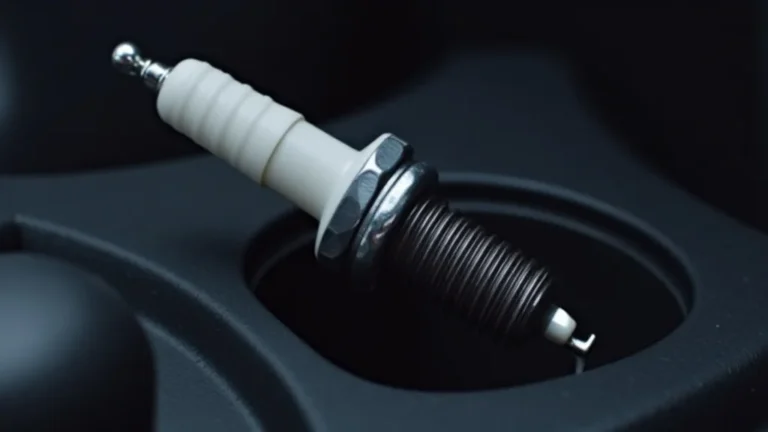
One of the most frequent sources of a rough idle is an issue with the spark plugs or the ignition system. The spark plugs are like the tiny lighters inside your engine, igniting the fuel and air mixture. If they’re worn out, fouled, or the wrong type, they may not spark properly, leading to misfires. Misfires cause the engine to run unevenly. Similarly, problems with the ignition coils, which provide the electricity to the spark plugs, can result in the same symptoms. Ignition coils can fail over time, or they may have connections that become loose or corroded. This can cause the same rough idle you’re experiencing.
- Faulty Spark Plugs: Spark plugs need to be replaced periodically. Over time, they wear out, the gap between the electrodes widens, and they don’t provide a strong enough spark. A weak spark results in an incomplete combustion of fuel.
- Weak Ignition Coils: Ignition coils supply the high voltage needed for spark plugs to ignite the air-fuel mixture. They can degrade over time due to heat and electrical stress.
- Damaged Spark Plug Wires: Spark plug wires deliver electricity from the ignition coil to the spark plugs. Cracks, wear, or damage to these wires can lead to voltage leaks.
- Incorrect Spark Plug Gap: The gap is the distance between the spark plug’s electrodes. If it’s too wide or too narrow, the spark may be weak or absent.
If your spark plugs are old or the wrong type for your engine, the engine will misfire, causing a rough idle. You might also notice a decrease in fuel efficiency. Replacing spark plugs is usually an easy and inexpensive fix.
A failing coil won’t deliver enough energy to the spark plug, leading to misfires. Common signs are rough idling, reduced power, and the check engine light illuminating. Replacing the faulty coil(s) will resolve the issue.
Leaking voltage means the spark plugs don’t get enough power to ignite the fuel mixture properly. This causes misfires and a rough idle. Replace or repair damaged wires to restore your engine’s smooth operation.
The correct gap ensures the spark plug operates efficiently, igniting the air-fuel mixture effectively. Checking and adjusting the spark plug gap is a simple task that can prevent misfires and rough idling. Always use the manufacturer’s specification.
Vacuum Leaks and Airflow Concerns
Vacuum leaks can be another primary reason for a rough idle. Your engine relies on a carefully controlled amount of air to run correctly. A vacuum leak means extra, unmetered air is entering the engine, which throws off the fuel-to-air ratio. This causes the engine to run lean (too much air, not enough fuel), leading to a rough idle, poor performance, and potentially the check engine light coming on. Beyond vacuum leaks, issues with the Mass Air Flow (MAF) sensor and other air intake components can cause similar problems.
- Vacuum Hose Issues: Vacuum hoses deliver air to different parts of the engine. Over time, these hoses can crack, dry rot, or disconnect.
- Intake Manifold Gasket Leaks: The intake manifold seals the engine’s air intake system to the cylinder head. Over time, the gasket can fail.
- Mass Air Flow (MAF) Sensor Problems: The MAF sensor measures the amount of air entering the engine. If the MAF sensor malfunctions or becomes contaminated, it can send inaccurate data to the engine control unit (ECU).
- Throttle Body Issues: The throttle body controls the airflow into the engine. A dirty or malfunctioning throttle body can cause problems.
A cracked or disconnected vacuum hose creates a vacuum leak. This leak allows extra air into the engine, disrupting the correct air-fuel mixture. Finding and repairing vacuum leaks often resolves rough idling problems.
A leaking intake manifold gasket allows unmetered air to enter the engine. This affects the engine’s air-fuel mixture, causing misfires and rough idling. Replacing the gasket is a common repair.
An inaccurate reading from the MAF sensor can cause the engine to use too much or too little fuel, resulting in a rough idle and potentially stalling. Cleaning or replacing the MAF sensor can often fix this issue.
A dirty throttle body can restrict airflow. The throttle body might also have a faulty sensor, which can lead to erratic idle and engine performance problems. Cleaning or replacing the throttle body is a solution.
Fuel System Troubles
The fuel system is vital for your F150 to operate correctly. Problems within this system can easily lead to a rough idle. Issues can range from a clogged fuel filter preventing adequate fuel delivery to a failing fuel injector not spraying fuel properly into the cylinder. Contaminants in the fuel can also cause issues. The fuel pump, responsible for delivering fuel to the engine, can degrade over time, causing inconsistent fuel pressure. Each component plays a part in the smooth operation of the engine, and any malfunctions can cause a rough idle.
- Clogged Fuel Injectors: Fuel injectors spray fuel into the engine cylinders. They can become clogged from dirt or debris.
- Fuel Filter Issues: The fuel filter removes debris and contaminants from the fuel. If it is clogged, it can restrict fuel flow.
- Fuel Pump Problems: The fuel pump delivers fuel from the fuel tank to the engine. A failing pump might deliver insufficient fuel pressure.
- Contaminated Fuel: Bad or contaminated fuel can create problems. Water, dirt, or poor-quality gasoline can cause issues.
Clogged fuel injectors restrict fuel flow, which can cause misfires. Misfires cause a rough idle, reduced power, and poor fuel efficiency. Cleaning or replacing the fuel injectors will resolve this.
A restricted fuel filter starves the engine of fuel. This can cause a rough idle, especially at higher speeds or under heavy loads. Regular fuel filter replacement is important.
Insufficient fuel pressure leads to a lean air-fuel mixture, causing misfires and a rough idle. Common symptoms are difficulty starting and poor acceleration. Replacing the fuel pump is often required.
Contaminants in the fuel can clog the fuel filter and injectors. The fuel may not burn properly, causing misfires and a rough idle. Using quality fuel and adding fuel system cleaners can help.
Why Is My F150 Idling Rough? Diagnostic Steps
Now that we have covered some of the possible issues, it’s time to find out what’s causing your F150’s rough idle. The method involves inspecting different systems to identify the root cause. This involves visual inspections, using a scanner tool, and simple tests you can do yourself. By being systematic, you can make the process simpler and more manageable. The goal is to pinpoint the exact source, letting you fix the issue and get your truck running smoothly again.
Visual Inspection and Basic Checks
Before you start with any tools, a visual inspection can often reveal a lot. It’s often the first step in diagnosing why is my f150 idling rough. Start by looking over the engine bay, searching for anything that looks out of place. Examine hoses, wires, and other components for damage. Checking for anything obvious can help you avoid unnecessary work later on. A thorough visual inspection sometimes is all you need to find the cause of the problem.
- Check Hoses and Vacuum Lines: Look for cracks, breaks, or disconnections in vacuum lines and hoses.
- Inspect Spark Plugs and Wires: Check the spark plugs and wires for damage, wear, or corrosion.
- Examine the Throttle Body: Look at the throttle body for signs of dirt or debris.
- Look for Obvious Leaks: Scan the engine for any signs of fluid leaks.
Cracked or disconnected hoses can cause vacuum leaks. Look for dry rot, wear, or anything that seems out of place. Replace any damaged hoses you find. A visual check often identifies the source of the problem.
Look for signs of wear, such as cracking on the wires. Also, check the spark plugs for any damage. Replacing worn or damaged components can resolve many issues.
A dirty throttle body can restrict airflow, leading to idle problems. A visual inspection will tell you if the throttle body needs cleaning.
Fluid leaks could affect engine performance. Leaks can cause vacuum issues and electrical problems. Fix any fluid leaks you find as a first step.
Using an OBD-II Scanner
An OBD-II scanner is a tool that plugs into your truck’s diagnostic port and reads the codes stored by the engine control unit (ECU). This tool can provide valuable information about what is happening within your engine. It can reveal stored error codes which gives you a starting point. By reading and clearing codes, you can see which problems have been detected by the ECU. Most auto parts stores will read your codes for free. This helps you to understand the issues, leading you to more targeted repair approaches.
- Connect the Scanner: Plug the scanner into the OBD-II port. The port is usually located under the dashboard on the driver’s side.
- Read Diagnostic Trouble Codes (DTCs): Once connected, read and note down the trouble codes. These codes identify the potential problems.
- Clear the Codes: Clear the codes after you have written them down and made repairs. This lets you see if the problem has been fixed.
- Monitor Live Data: Use the scanner to monitor real-time engine data. This shows what is happening while the engine is running.
Follow the scanner’s instructions to connect and power on the device. Make sure the scanner has power and is ready to communicate with your vehicle’s computer.
Trouble codes (DTCs) will help you pinpoint the issue. Common codes related to a rough idle include misfire codes (P0300 series) and codes related to lean or rich conditions.
Clearing the codes helps determine whether the repairs were effective. If the code comes back, you may have more to do. If the code doesn’t return, the issue may have been fixed.
Look at data like fuel trim, oxygen sensor readings, and MAF sensor readings. These readings can provide insights into engine performance and identify potential problems.
Simple Troubleshooting Techniques
After a visual inspection and code readings, some additional basic tests can help you further identify the source of the rough idle. Simple checks such as listening for vacuum leaks, checking fuel pressure, and doing a cylinder balance test can help. These can be done with basic tools, and can offer a lot of insight. These steps, while straightforward, can help you narrow the list of possible problems, guiding you to a repair.
- Listen for Vacuum Leaks: Listen for hissing sounds around the engine, especially near hoses and fittings.
- Check Fuel Pressure: Use a fuel pressure gauge to check the fuel pressure at the fuel rail. Compare the reading to your vehicle’s specifications.
- Perform a Cylinder Balance Test: Disconnect the spark plug wire from one cylinder at a time while the engine is running.
- Spray Starter Fluid: Spray starter fluid around possible vacuum leak areas.
Vacuum leaks make a hissing noise. These noises often point to the location of the leak. Locate and repair any leaks you find.
Low fuel pressure can lead to a rough idle. If fuel pressure is low, the fuel pump may be failing. Refer to your vehicle’s service manual for specifications.
If disconnecting a spark plug wire causes a significant change in idle, that cylinder is working correctly. If there is little to no change, that cylinder may be misfiring. Conduct this test for each cylinder.
If the engine idle changes when spraying starter fluid, you likely have a vacuum leak in that area. This can help pinpoint the exact location of the leak.
Here’s how to perform a cylinder balance test. First, start the engine and let it idle. Then, one at a time, unplug the spark plug wire from a cylinder. If the engine idle significantly drops or becomes rougher when you disconnect the wire, that cylinder is working. If there’s little change, the cylinder isn’t contributing. Replace the spark plug or inspect the coil for that cylinder.
Advanced Diagnostics and Repair
If the basic troubleshooting doesn’t uncover the cause, you may need to go further into advanced diagnostics. This may include using specialized tools and tests to pinpoint the problem. These techniques involve more specific procedures, and you may want to seek help from a qualified mechanic. These methods may involve deeper analysis of the engine’s data. This will include tests like compression tests and fuel injector testing to make sure all parts are working as they should.
Compression Test
A compression test evaluates the cylinder’s ability to hold air pressure, and that ability shows the overall health of the engine. Low compression can lead to misfires and rough idling. This test requires a compression gauge and some basic tools. By testing each cylinder, you can identify which ones are not working correctly. This test will help you find worn piston rings, valves that don’t seal, or other internal engine issues. A compression test gives an objective evaluation of the engine.
Fuel Injector Testing
Fuel injector testing ensures that the injectors are working correctly. This test involves checking their spray patterns and flow rates. Dirty or clogged fuel injectors can cause misfires and a rough idle. Tools like fuel injector testers or professional diagnostic equipment can show how fuel injectors are working. By evaluating fuel delivery, you can identify injectors that need cleaning or replacement. Properly functioning fuel injectors are vital to ensure the correct amount of fuel enters the engine.
Professional Inspection and Calibration
When you’ve done all you can, you may require professional inspection and calibration. Skilled mechanics can diagnose complex issues that are beyond the scope of a basic check. They possess advanced diagnostic equipment and knowledge. They can conduct more thorough tests, identify problems, and complete accurate repairs. Professional calibration may be needed after repairs, especially if new components have been added. This will ensure your engine runs efficiently.
Troubleshooting Common Rough Idle Scenarios
The following are some realistic scenarios in which you may encounter a rough idle. These examples showcase how different issues can arise and what steps you can take to resolve them.
- Scenario 1: Cold Start Issues: Your F150 starts fine when it’s warm, but it idles very roughly on cold starts.
- Possible Cause: A common cause is a problem with the fuel injectors. They might leak fuel overnight, which makes the air-fuel mixture rich and causes the rough idle.
- Solution: Test the fuel injectors for leaks, and consider cleaning or replacing them. Also check the fuel pressure regulator, as it could be leaking fuel into the vacuum line.
- Scenario 2: Rough Idle After Acceleration: After you accelerate, your truck’s idle becomes rough.
- Possible Cause: A likely cause could be a vacuum leak that opens up under load or at higher RPMs.
- Solution: Look for cracked or disconnected vacuum hoses and check the intake manifold gasket. When accelerating, increased airflow can reveal or worsen vacuum leaks.
- Scenario 3: Check Engine Light with Rough Idle: The check engine light is on, and your F150 is idling rough.
- Possible Cause: The check engine light comes on because there is a problem that the ECU has detected. Many issues can lead to the rough idle and the light.
- Solution: Use an OBD-II scanner to read the trouble codes. These codes will direct you toward the problem. Fix the problem that’s indicated by the codes.
Why Is My F150 Idling Rough? Addressing Common Questions
Frequently Asked Questions
Question: What does a rough idle sound like?
Answer: A rough idle sounds like the engine is struggling, shaking, or sputtering. The engine’s sound isn’t consistent, or the RPM needle may jump around when the truck is just sitting still.
Question: Can a rough idle damage my F150?
Answer: Yes, a rough idle can potentially damage your F150. If left unresolved, it can lead to more serious problems like premature wear of engine components and increased fuel consumption.
Question: How often should I replace my spark plugs?
Answer: You should replace your spark plugs according to the manufacturer’s recommendations. Usually, this is every 30,000 to 100,000 miles, depending on the type of spark plugs your F150 uses.
Question: What tools do I need to diagnose a rough idle?
Answer: You’ll need basic tools like a wrench set, screwdriver, and an OBD-II scanner. A multimeter, fuel pressure gauge, and compression tester can also be useful for more detailed diagnostics.
Question: Should I take my F150 to a mechanic?
Answer: If you’re not comfortable diagnosing or repairing your F150, or if the problem persists after your attempts, it’s best to take it to a qualified mechanic.
Final Thoughts
Figuring out why is my f150 idling rough doesn’t have to be a major headache. The issues typically come down to a few major areas like the ignition system, the fuel system, or potential vacuum leaks. By starting with a visual inspection and then using the OBD-II scanner, you can often pinpoint the problem. Remember to check the spark plugs, vacuum lines, and fuel injectors. You can often make progress toward a solution by following a systematic approach. Don’t worry if you don’t know everything right away; the more you explore, the better you will understand your F150. With patience and persistence, you can fix the rough idle and keep your truck running smoothly!