Why Your F150 Pulls When Braking Explained Simply
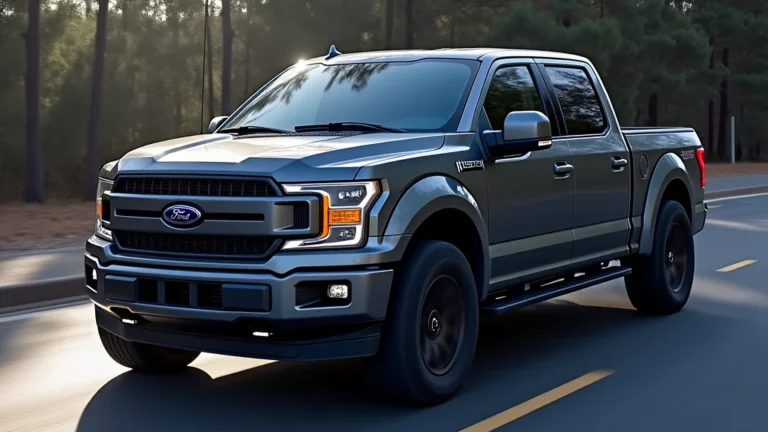
If you’re wondering why my f150 pulls when braking, you’re not alone! This is a common issue for many F150 owners, especially beginners. It can feel confusing and even a little scary when your truck doesn’t brake straight. But don’t worry, it’s usually fixable. This post will break down the most likely causes and give you a straightforward, step-by-step approach to get your F150 braking smoothly again. We’ll explore the common culprits, from brakes to tires, and show you how to identify and address the problem. Let’s get started.
Key Takeaways
- Discover the most common reasons why an F150 pulls to one side during braking.
- Learn how to diagnose brake issues, including warped rotors and uneven pad wear.
- Understand the role of tires in braking performance and how to identify tire problems.
- Explore the importance of the suspension system and its impact on braking.
- Gain insight into steering system issues that can cause pulling.
- Find clear, actionable steps for fixing braking problems yourself or with a mechanic.
Common Reasons for Braking Issues
One of the first things people want to know is, “Why my F150 pulls when braking?” The issue often stems from unequal braking force on the wheels. This can be caused by a variety of factors, including problems with the brakes themselves, such as worn brake pads or warped rotors, or issues with the tires or suspension. It’s important to pinpoint the exact cause to fix the problem effectively. Pinpointing the root cause is necessary before you start repairing. Ignoring the issue could lead to safety problems.
Brake System Problems
The brake system is the most likely area to inspect if your F150 pulls to one side. The components work together to slow down the vehicle. When one component fails, it can cause problems. It’s important to understand each part of the braking system. For example, if a caliper isn’t working correctly, it will create uneven braking. We’ll cover some common brake system issues that can lead to pulling while braking. These issues need attention so you can keep driving safely.
-
Warped Rotors:
Brake rotors, also known as brake discs, are crucial for stopping your truck. They spin with the wheels. When you press the brake pedal, brake pads clamp down on the rotors, creating friction that slows the vehicle. Warped rotors occur when the metal of the rotor becomes uneven. This can happen from overheating, usually from repeated hard braking or continuous use on steep declines. The uneven surface causes the brake pads to grip inconsistently, leading to pulling. You’ll often feel a pulsating sensation in the brake pedal when the rotors are warped. The uneven contact reduces braking effectiveness, and it can cause your F150 to veer to one side because of the variance in brake grip.
-
Uneven Brake Pad Wear:
Brake pads wear down over time due to friction. Uneven wear means that one brake pad is thinner than the other on the same wheel, or the pads on one side of the truck are more worn than those on the other. This can be caused by a stuck caliper, a leak in the brake lines, or simply using the brakes more frequently on one side. The thinner pad generates less friction. This leads to less braking force on that wheel, and the truck will tend to pull to the side with the brake pads generating more stopping force. Regular brake inspections can help identify uneven wear before it becomes a safety hazard.
-
Stuck Calipers:
Brake calipers house the brake pads and piston. The piston is pushed by brake fluid pressure when you apply the brakes, pressing the pads against the rotor. Calipers can become stuck due to corrosion, dirt, or a lack of maintenance. A stuck caliper won’t release the brake pad from the rotor. This causes that wheel to brake more than the other wheels. This uneven braking force can lead to your F150 pulling to one side. A stuck caliper may also cause the brake pad to wear out faster. You may notice a burning smell or excessive heat coming from the affected wheel.
Diagnosing Brake Issues
To find out “why my F150 pulls when braking,” begin by checking the brakes. Checking the brakes requires you to check each wheel for problems. A careful inspection will assist you in discovering the issue. A visual inspection will tell you a lot about the issue. However, you might need to take extra steps. Identifying the problem will enable you to find the correct solution. It’s often helpful to have another person assist you, especially for bleeding the brakes.
-
Visual Inspection:
Start by inspecting the brake pads. Look through the wheel to check the brake pads’ thickness on both sides of the rotor. Uneven wear is a telltale sign of a problem. Next, check the rotors for scoring, cracks, or any signs of warping. If you notice any of these issues, it is essential to consider the condition of the brake lines. Inspect the brake lines for leaks or damage. If you spot anything that doesn’t look right, such as rust, you may need to take further steps.
-
Testing for Pulling:
Drive the truck on a flat, empty road and test the brakes. Pay close attention to which direction the truck pulls when you apply the brakes. Repeat the test at different speeds to see if the pulling is consistent. This will help you pinpoint whether the problem is in the front or rear brakes. Make sure the area is safe before you begin. If you’re unsure how to perform these tests, you can have a professional mechanic do them for you. Always use caution when driving to reduce the risk of accidents.
-
Wheel Removal and Further Checks:
If the pulling is noticeable, remove the wheels for a more detailed inspection. Check the brake pads and rotors closely. If your rotors are warped, you may feel it by running your fingers along the rotor’s surface. Inspect the calipers. Look for any signs of leaks or if any of the calipers’ pistons are stuck. Make sure to check the brake lines for any cracks or damage. If a wheel is excessively hot after a short drive, that could indicate a stuck brake caliper. After checking these components, you should have a better idea of why your F150 is pulling when braking.
The Impact of Tires and Suspension
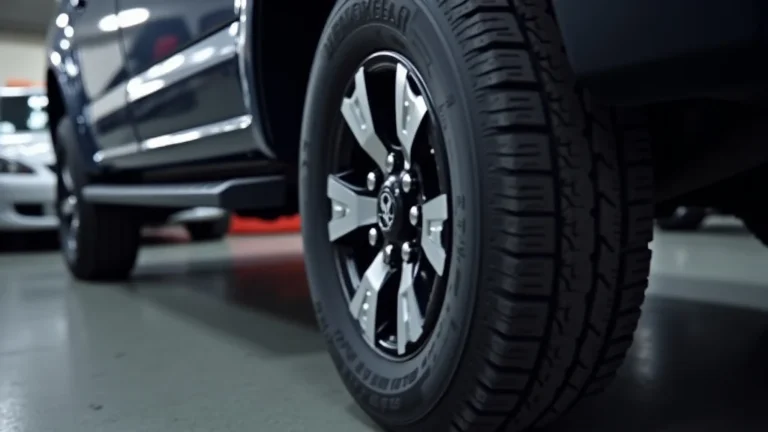
Beyond the brakes, tires and the suspension system play a crucial role in your F150’s braking performance. Problems with either of these components can cause pulling. Tires are the only contact between the vehicle and the road. The suspension affects how the tires maintain contact with the road. It’s important to understand how they work together and what to check if you suspect these components are contributing to the issue.
Tire Issues and Braking
The condition of your tires can significantly impact braking performance. Worn or improperly inflated tires can cause your truck to pull during braking. Uneven tire wear can also indicate underlying suspension or alignment problems, which can indirectly contribute to braking issues. It is important to inspect the tires and be aware of how they affect the brakes.
-
Uneven Tire Pressure:
Tire pressure is critical for optimal braking. If one tire has significantly less air pressure than the others, it will provide less grip. This can cause the truck to pull towards the side with the lower tire pressure when braking. Regularly check and maintain the correct tire pressure, as recommended on the sticker inside your driver’s side door or in your owner’s manual. Consider the temperature because air pressure changes with temperature. It is a good practice to check the tire pressure when the tires are cold.
-
Tire Wear:
Worn tires have less tread depth, which reduces their ability to grip the road. Uneven tire wear, such as more wear on one side of a tire than the other, can cause a similar issue. This can make the truck pull to the side with the more worn tire. Regularly inspect your tires for wear. Pay attention to the tread depth. Use the penny test to check the tread depth, or measure it with a tread depth gauge. Make sure to replace tires when they reach the wear bars. This simple step helps maintain optimal braking performance and vehicle safety.
-
Tire Type and Size:
Using different types or sizes of tires on the same axle can also cause pulling. For example, if you have a new tire on one side and a much older, worn tire on the other, the braking performance will differ. Likewise, using tires of different sizes can create an imbalance. Be sure to use the same type and size of tire on both sides of each axle. If you’re changing tires, consider replacing all four tires. Following these guidelines will promote balanced braking.
Suspension and Braking Issues
The suspension system also affects braking. The suspension system is designed to keep your tires in contact with the road. If the suspension is damaged, it can lead to tire contact issues. A faulty suspension setup can affect the vehicle’s braking behavior. Suspension problems can cause uneven tire contact with the road. This can trigger pulling while braking. It’s important to inspect the suspension for any signs of damage or wear.
-
Worn Shocks and Struts:
Shocks and struts help control the up-and-down movement of the wheels. If they are worn, they won’t be able to effectively dampen this movement. This can cause the tires to lose contact with the road surface more easily. This can lead to the truck pulling to one side when braking. Replace worn shocks and struts promptly. Pay attention to any unusual bouncing or swaying while driving, as these are often signs of worn components.
-
Damaged or Worn Suspension Components:
Suspension components like ball joints, control arms, and bushings can wear out over time. When these components wear out, they can affect the alignment. This can change how the tires contact the road. This can lead to pulling during braking. Inspect all suspension parts for wear and damage. Look for excessive play or movement in the components. Get a professional alignment after any significant suspension work. Replacing damaged or worn components is key to restoring braking performance and vehicle handling.
-
Alignment Problems:
Wheel alignment ensures that your wheels are correctly angled. When the alignment is off, it can cause the vehicle to pull to one side. A bad alignment also causes uneven tire wear. If your truck is pulling while braking, it might be an alignment problem. Get your truck checked and aligned by a professional regularly. They will make sure the wheels are aligned with the proper angles. Your owner’s manual will recommend an alignment schedule. This practice will ensure optimal braking performance and tire life.
Steering and Other Components
Other parts can affect the way your F150 brakes. Problems with steering components or even the parking brake can cause your truck to pull to one side. It is essential to check these elements. Steering system problems can cause the vehicle to pull or wander. If the vehicle veers to one side, this could affect braking. Also, an issue with the parking brake can cause the vehicle to pull to one side. Careful inspection of each part of the system is a must.
Steering System and Braking
Steering system issues can directly impact your vehicle’s braking performance. Components that control the direction of the wheels are essential for straight braking. A problem in the steering system can create unbalanced braking and cause a vehicle to pull to one side. The steering system should be checked. If your truck has any issues with the steering system, it may affect the way your truck brakes.
-
Steering Rack and Pinion Issues:
The steering rack and pinion are responsible for converting the steering wheel’s rotation into the wheels’ movement. If the rack is damaged or worn, it can cause the wheels to steer unevenly. This can lead to pulling while braking. Inspect the steering rack and pinion for leaks, damage, and excessive play. A damaged rack can cause uneven steering and affect braking. Getting the system inspected is essential for safety.
-
Power Steering Problems:
Power steering issues, such as a failing pump or a leak in the system, can make it harder to steer. This can also indirectly affect braking. If the steering feels stiff or difficult to control, it can make it harder to keep the truck going straight while braking. Check the power steering fluid level regularly and look for leaks. Problems with the power steering system are important to address for safe braking and handling.
-
Tie Rods and Ball Joints:
Tie rods and ball joints connect the steering system to the wheels. They allow the wheels to turn smoothly. When these components are worn or damaged, they can affect steering and alignment. This can cause the truck to pull while braking. These components should be checked when the steering wheel doesn’t align with the wheels. Worn parts will affect alignment and steering, and this will affect the braking performance.
Parking Brake and Other Considerations
The parking brake, also known as the emergency brake, can also contribute to the pulling problem. The parking brake, although primarily used for parking, can affect braking performance. It is important to inspect the parking brake. Other components should be checked too, like the wheel bearings. Checking these elements can assist you in finding the problem with your F150. Inspecting each part of your truck will help prevent further damage.
-
Parking Brake Issues:
If the parking brake is improperly adjusted or if one side is sticking, it can cause pulling while braking. If the parking brake is engaged, it will cause that wheel to brake more than the other wheels. This imbalance can pull the vehicle to one side. Test the parking brake regularly. If you find any issues, make sure it is checked. You can adjust your parking brake if you notice a problem. Also, lubricating the cables will prevent the brake from sticking. Ensure your parking brake is in good working order for safe braking.
-
Wheel Bearing Problems:
Wheel bearings allow your wheels to rotate smoothly. If a wheel bearing is damaged or worn, it can cause drag, particularly on one side of the vehicle. This can lead to pulling while braking. You may hear a humming or grinding noise from the affected wheel if you have a wheel bearing problem. To check the wheel bearings, you can try jacking up the wheel and spinning it. If the wheel doesn’t spin freely, the bearing could be worn out. If the wheel has a lot of play, it means the bearing needs replacing. Bad wheel bearings can seriously affect braking and handling.
-
ABS (Anti-lock Braking System) Issues:
The ABS helps prevent wheel lockup during hard braking. A problem with the ABS system, such as a faulty sensor or module, can cause uneven braking. This can make the truck pull to one side. If the ABS light comes on, it suggests there’s a problem with the system. Using a diagnostic tool, you can check for any codes and identify which sensor or module needs attention. While the ABS light is on, your braking performance may be compromised, and the truck might pull when braking. Always address ABS issues immediately.
Troubleshooting Steps
Troubleshooting “why my F150 pulls when braking” can feel challenging, but approaching it systematically is best. You can save time and money by going step by step. If you’re not comfortable working on your truck, a professional mechanic can help. Use this section as your guide to diagnosing the cause of the issue.
-
Initial Inspection:
Before you begin any repairs, conduct a preliminary inspection of your brakes. Check the brake pads and rotors. Check the tires for wear and uneven inflation. Check the suspension components for visible damage. Performing a visual inspection will help you. Take a test drive to determine which side of the truck pulls during braking. This initial step will give you insights into the probable cause of the problem.
-
Brake System Check:
Thoroughly inspect the brake system. Check for uneven pad wear, warped rotors, or a stuck caliper. Verify that the calipers slide properly. Inspect the brake lines for leaks or damage. If you have the tools, consider measuring the rotors for warpage. If you find any issues in these areas, make any necessary fixes. Testing your brake system will help fix any brake-related issues.
-
Tire and Suspension Review:
If the braking issues persist, inspect your tires and suspension. Make sure the tires have the correct air pressure. Check the tires for any signs of wear and tear. Make sure the tire sizes are compatible. Inspect the suspension system. Check for any worn components, such as shocks and struts. Examine the suspension bushings. If you spot problems, have your truck aligned by a professional. Resolving issues in these areas will ensure balanced braking.
-
Professional Assistance:
If you’ve conducted your own checks and aren’t finding the cause of the problem, consider taking your truck to a professional mechanic. A skilled mechanic can identify problems. They have the tools and experience to diagnose complex issues. A mechanic will likely have special tools to pinpoint the cause of the problem. They may inspect the ABS and other elements of the truck. A professional can quickly diagnose and fix these problems.
Frequently Asked Questions
Question: What’s the first thing I should check if my F150 pulls when braking?
Answer: Start by inspecting the brake pads, rotors, and tires for any obvious signs of wear or damage.
Question: How can I tell if my brake rotors are warped?
Answer: You might feel a pulsating sensation in the brake pedal, and the truck might pull to one side when braking.
Question: What causes uneven brake pad wear?
Answer: Uneven brake pad wear can be caused by a stuck caliper, a leak in the brake lines, or simply using the brakes more frequently on one side.
Question: How often should I check my tire pressure?
Answer: It’s best to check your tire pressure at least once a month, and always before a long trip. Also, check the tires’ air pressure if the temperature changes.
Question: What do I do if I think there’s a problem with my ABS?
Answer: If the ABS light comes on, it’s best to have a mechanic diagnose the issue as soon as possible.
Final Thoughts
If you’ve been dealing with the frustrating issue of why my f150 pulls when braking, hopefully, you now have a better grip on the possible causes and what to do about them. Remember, uneven braking can come from a number of places, but it’s usually fixable. From worn brake pads and rotors to tire pressure and suspension issues, addressing the root cause is essential for safe driving. By carefully inspecting your brakes, tires, and suspension, you can identify the problem. You can often make the necessary repairs yourself, or take your truck to a professional. Don’t delay addressing the issue. Keep the brakes working as they should. Taking action will help you drive with confidence.