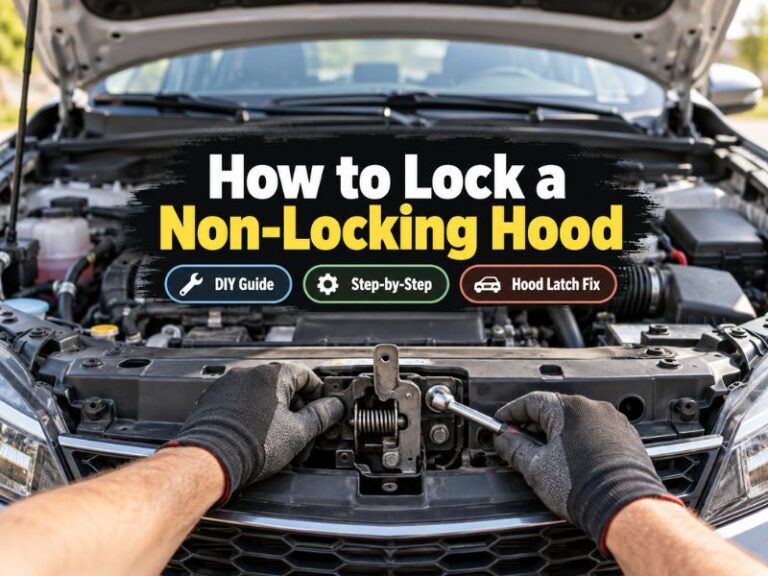
How to Lock a Chevelle Hood: A Complete Guide for Classic Car Owners
Learning how to lock a Chevelle hood starts with understanding the factory hood latch system. Classic Chevelles from the 1960s and 1970s use a mechanical latch that holds the hood closed when adjusted correctly. Many owners add extra security because older muscle cars often have worn parts after decades of use.
From working on classic vehicles, one common lesson is that a secure hood is not only about theft protection. A properly locked hood also protects the engine bay and helps prevent dangerous hood movement while driving. This guide explains how to lock a Chevelle hood using factory parts and popular upgrades.
Understand How the Chevelle Hood Lock System Works
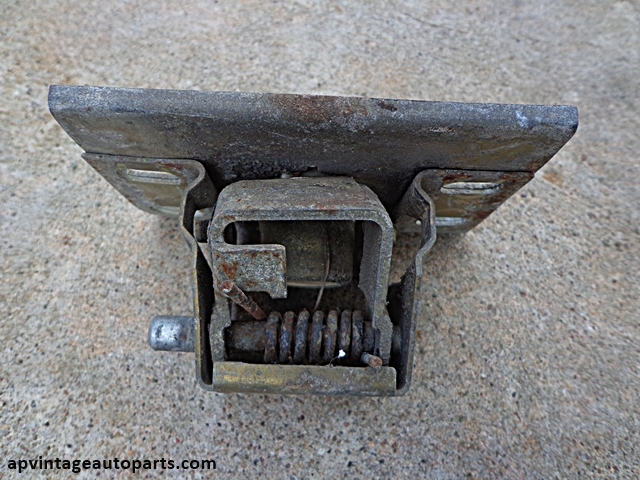
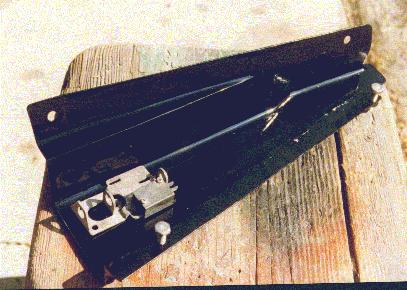
Before learning how to lock a Chevelle hood, it helps to know the main parts involved. The system includes the hood latch, striker, safety catch, release cable, and adjustment points. Each part must work together to keep the hood closed.
The primary latch grabs the striker mounted on the hood. The safety catch provides another layer of protection if the main latch does not fully hold. A worn or dirty latch can make the hood feel secure but fail during driving.

- ✦ Main hood latch
The latch is the primary locking point that holds the hood shut.
- ✦ Safety catch
The safety catch helps stop the hood from opening completely if the main latch releases.
- ✦ Release cable
The cable allows the driver to open the hood from inside the vehicle.
Why old Chevelle hood systems need inspection
Many Chevelles are now collector cars, and age can affect latch springs, cables, and mounting points. Cleaning and checking these parts is an important step before adding any extra lock.
How to Lock a Chevelle Hood With the Factory Latch
The simplest answer to how to lock a Chevelle hood is to make sure the original latch system works correctly. A factory latch is designed to hold the hood securely when all parts are clean, adjusted, and in good condition.
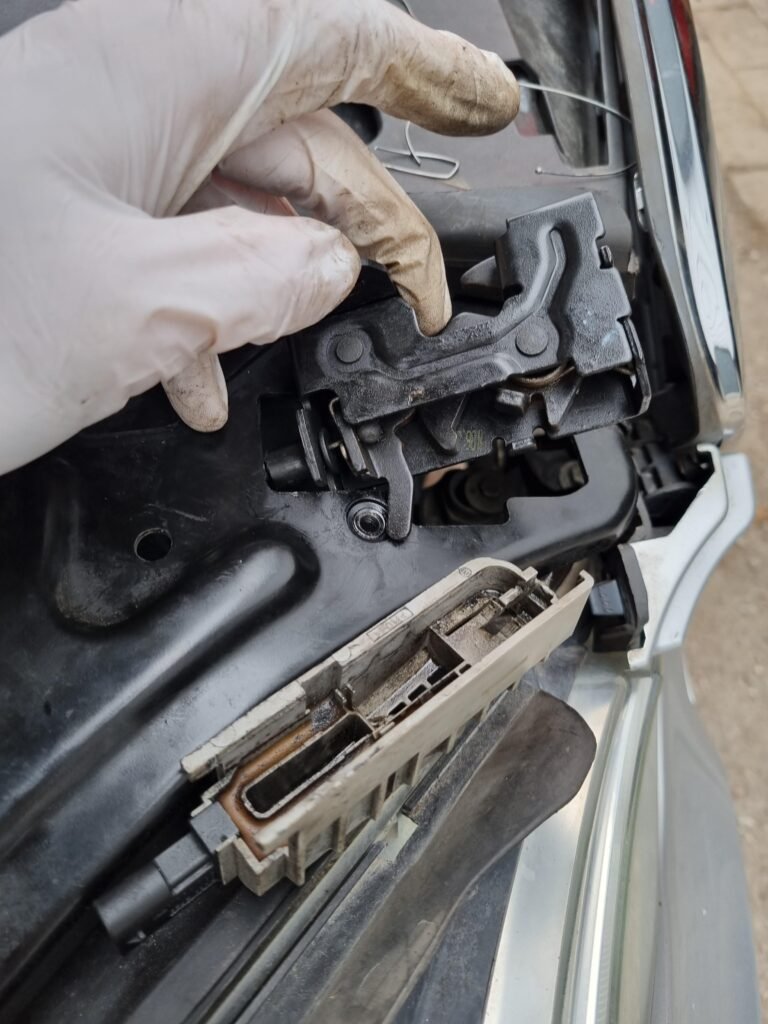
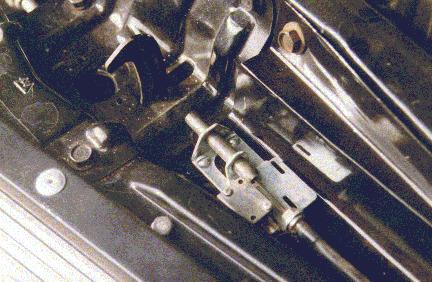
Start by opening the hood and checking the latch movement. Remove dirt, apply a suitable lubricant, and confirm that the latch grabs the striker firmly when the hood closes.
- ✦ Check latch movement
Move the latch by hand and make sure it returns smoothly after releasing.
- ✦ Inspect the striker
Look for damage, loose hardware, or incorrect alignment.
- ✦ Test before driving
Close the hood and gently pull upward to confirm the latch holds.
Adding Hood Pins for Extra Chevelle Hood Security
Many muscle car owners choose hood pins when learning how to lock a Chevelle hood with extra protection. Hood pins provide a visible mechanical hold and are common on performance and restored Chevelles.
A hood pin setup usually requires mounting brackets, pins, plates, and alignment work. Proper installation matters because incorrect placement can damage the hood or prevent a tight fit.

- ✦ Choose quality hardware
Use strong hood pin components designed for automotive use.
- ✦ Measure carefully
Correct alignment prevents stress on the hood and mounting areas.
- ✦ Check regularly
Inspect pins and fasteners because vibration can loosen hardware over time.
Hood pins versus factory locks
A factory latch keeps the original appearance of a Chevelle. Hood pins add security and a classic racing style, but they require drilling and careful installation.
How to Install a Hood Lock Kit on a Chevelle
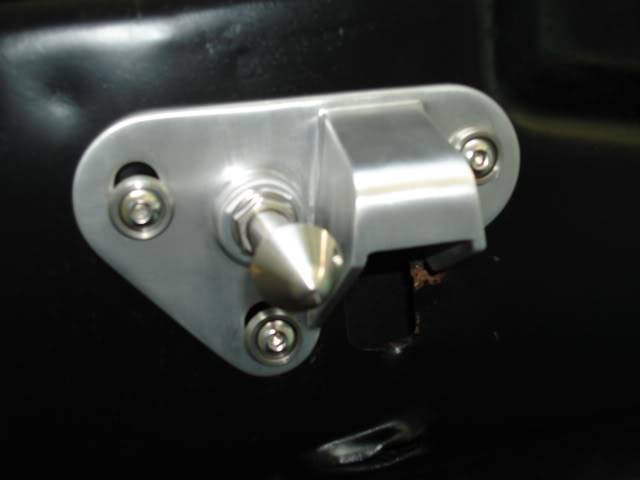
Another method for how to lock a Chevelle hood is installing an aftermarket hood lock kit. These systems add a dedicated locking point and can improve security for valuable classic cars.
Before installation, compare the kit design with your Chevelle year. Models from different generations may use different hood latch locations and mounting methods.
- ✦ Confirm compatibility
Choose a kit made for your specific Chevelle year and hood design.
- ✦ Follow installation instructions
Use the correct hardware and avoid forcing parts into place.
Common Problems That Stop a Chevelle Hood From Locking
Many owners searching how to lock a Chevelle hood are dealing with a hood that will not latch correctly. The issue is often caused by simple problems such as poor alignment, worn springs, or a damaged release cable.
Fixing the root cause is better than forcing the hood closed. A latch that does not work correctly can create a safety risk while driving.

- ✦ Misaligned striker
A striker that sits too high, low, or sideways can prevent proper locking.
- ✦ Worn latch parts
Old springs and damaged catches may need replacement.
- ✦ Sticking release cable
A damaged cable can keep the latch from returning to the locked position.
Safety Tips After Locking Your Chevelle Hood
After completing any work related to how to lock a Chevelle hood, always test the system before regular driving. A hood should close smoothly and stay secure without excessive force.
Classic cars often experience vibration from age and road use. Regular checks help keep the hood system reliable.

- ✦ Perform a visual check
Look at the latch and hardware before long drives.
- ✦ Avoid loose parts
Tighten hardware and replace damaged components.