What Are the Signs of a Broken Hood Release Cable? Common Symptoms and Fixes
Many drivers search for what are the signs of a broken hood release cable after pulling the interior hood lever and finding that nothing happens. This problem can feel confusing because the handle may move normally while the hood stays locked.
From basic vehicle inspections, a damaged hood release cable often shows early warnings before it completely fails. Learning these signs can help drivers in the United States avoid being stuck without access to the engine bay when they need to check fluids, replace a battery, or handle routine maintenance.

Common Signs of a Broken Hood Release Cable
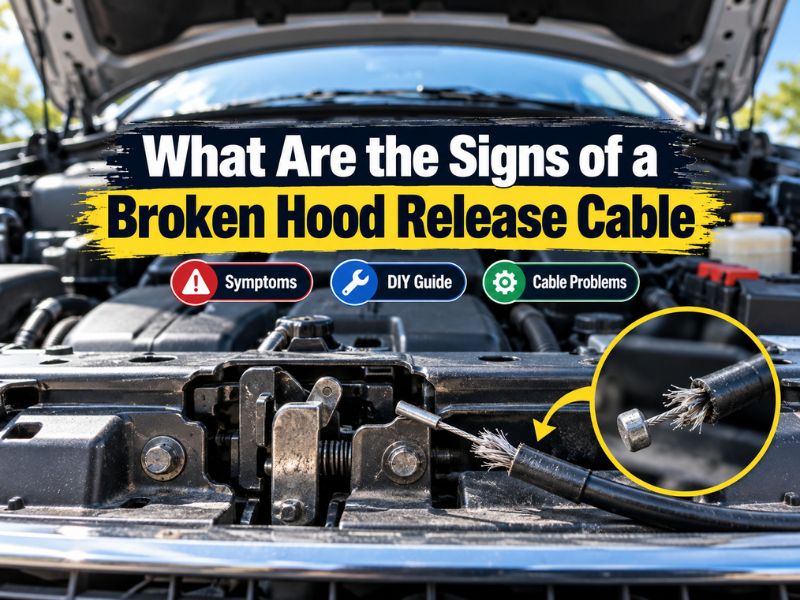
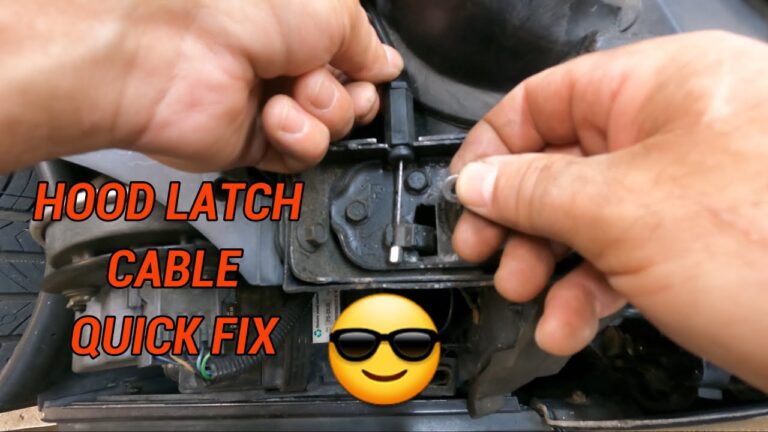
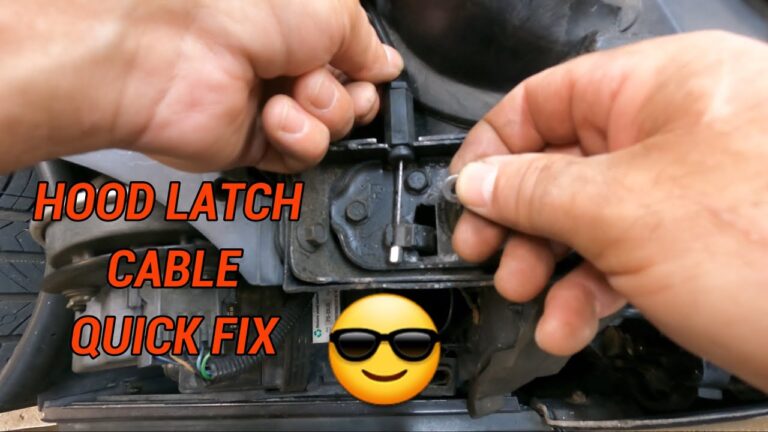
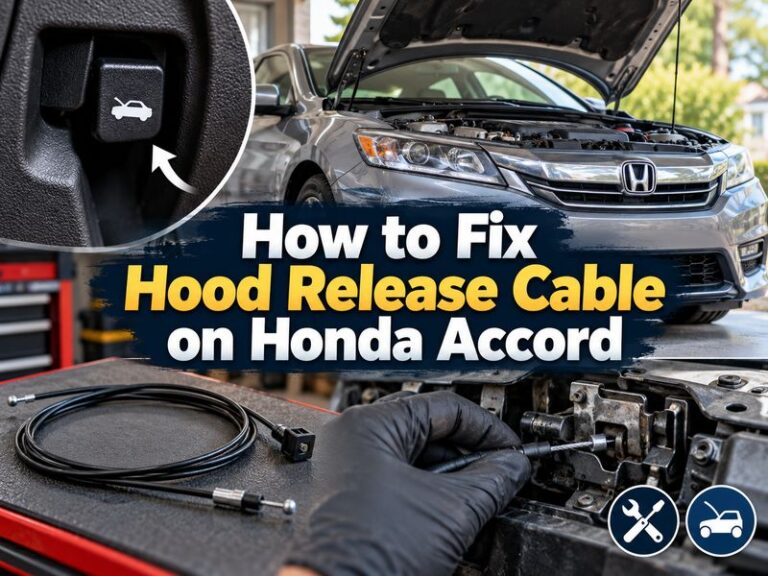
Knowing what are the signs of a broken hood release cable starts with understanding how the system works. The interior handle pulls a cable that connects to the hood latch. When the cable breaks, stretches, or disconnects, the latch may not receive enough movement to open.
The symptoms can vary by vehicle model, but several warning signs appear often. Paying attention to changes in how the hood release feels can help you find the issue early.
- ✦ The hood release handle feels loose
A handle that suddenly feels soft, floppy, or easier to pull than normal may mean the cable has snapped or disconnected.
- ✦ The hood does not pop open
If pulling the release handle creates no hood movement, the cable or latch may not be working correctly.
- ✦ The handle pulls farther than usual
Extra handle travel can happen when a cable stretches and cannot move the hood latch fully.
Why the Release Handle Feel Matters
A healthy hood release usually has some resistance when you pull it. A sudden change in resistance often points to a cable problem, even if the cable has not completely broken yet.
- ✦ Normal resistance
A working cable provides a firm pull because it transfers force to the hood latch.
- ✦ Weak or empty pull
A weak pull can mean the cable is broken, stretched, or disconnected from its mounting point.
How a Hood Release Cable Works and Why It Fails
A hood release cable is a simple mechanical part, but it plays an important role. When you pull the cabin release lever, the cable moves the hood latch and releases the safety catch.
Over time, the cable can wear out because of rust, repeated use, damage, or poor alignment. Understanding these causes makes it easier to identify what are the signs of a broken hood release cable.

- ✦ Cable stretching
Repeated pulling can stretch the inner wire and reduce how much force reaches the latch.
- ✦ Cable corrosion
Moisture and road conditions can damage the cable housing or internal wire.
- ✦ Latch problems
Sometimes the cable works correctly but a dirty or damaged hood latch prevents opening.
Signs That Look Like Cable Failure but Are Not
Not every stuck hood means the cable is broken. A rusty latch, damaged release handle, or misaligned hood can create similar symptoms.
Checking the entire hood release system helps avoid replacing parts that still work.
- ✦ Inspect the latch area
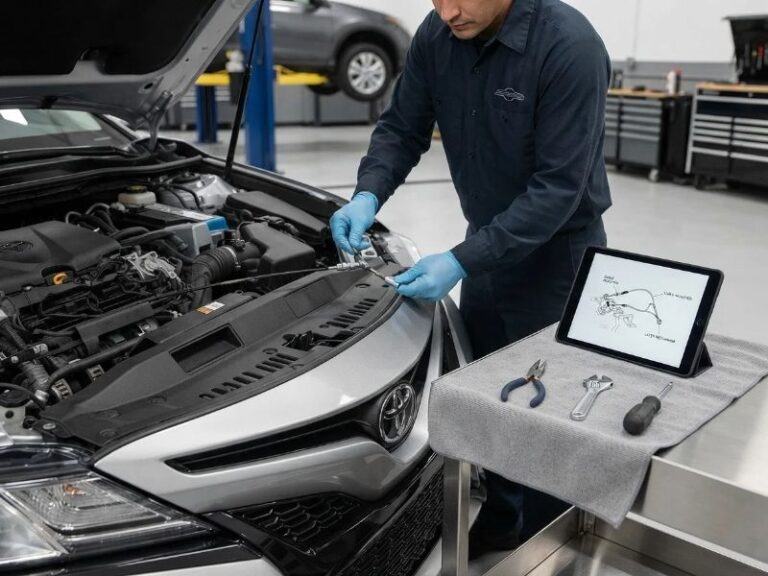
A mechanic can check whether the latch moves when the release cable is pulled.
What Happens When a Hood Release Cable Breaks Completely
When a hood release cable breaks completely, the interior handle may move without resistance. The hood usually stays closed because the latch never receives the pulling force needed to release.
This situation can become inconvenient because drivers cannot easily reach the engine compartment. A closed hood may prevent simple tasks like checking oil, adding washer fluid, or replacing a battery.

- ✦ Limited engine access
A locked hood can stop normal maintenance and inspections.
- ✦ Possible emergency repair
A technician may need to access the latch manually to open the hood safely.
Why You Should Not Force the Hood Open
Using too much force can bend the hood, damage the latch, or create additional repair costs. It is better to diagnose the cable issue before trying aggressive methods.
- ✦ Avoid damage
Careful inspection protects the hood and latch from unnecessary repairs.
How to Check for a Broken Hood Release Cable
If you are wondering what are the signs of a broken hood release cable, a few simple checks can help confirm the problem. Start by noticing how the interior handle feels and whether the hood moves after pulling it.
Drivers can perform basic observations, but deeper repairs may require tools and experience. Hood latch systems can vary between vehicles, so repair steps are not always the same.

- ✦ Test the release handle
Pull the handle slowly and notice whether it has normal tension or feels disconnected.
- ✦ Listen for latch movement
A working system often creates a small release sound near the hood latch.
- ✦ Check for visible damage
Look for damaged cable sections near accessible areas if the design allows.
When to Ask a Professional for Help
If the hood will not open or the cable appears broken inside the vehicle, a repair professional can safely access the latch. This helps prevent damage to expensive body panels.
- ✦ Complex access points
Some vehicles require special steps to reach a hidden latch or broken cable.
Common Causes of Hood Release Cable Failure
A hood release cable usually fails because of wear, damage, or problems with related parts. Regular vehicle use exposes the cable system to vibration, moisture, and repeated movement.
Knowing the common causes can help drivers understand what are the signs of a broken hood release cable and reduce future problems.

- ✦ Age and normal wear
Older cables may weaken after years of repeated use.
- ✦ Rust and corrosion
Water exposure can damage metal cable components.
- ✦ Poor latch lubrication
A stiff latch can place extra stress on the release cable.